SHRI SHIVAJI SCIENCE COLLEGE, AMRAVATI
DBT STAR COLLEGE PROJECT ACTIVITY
ACTIVITY REPORT
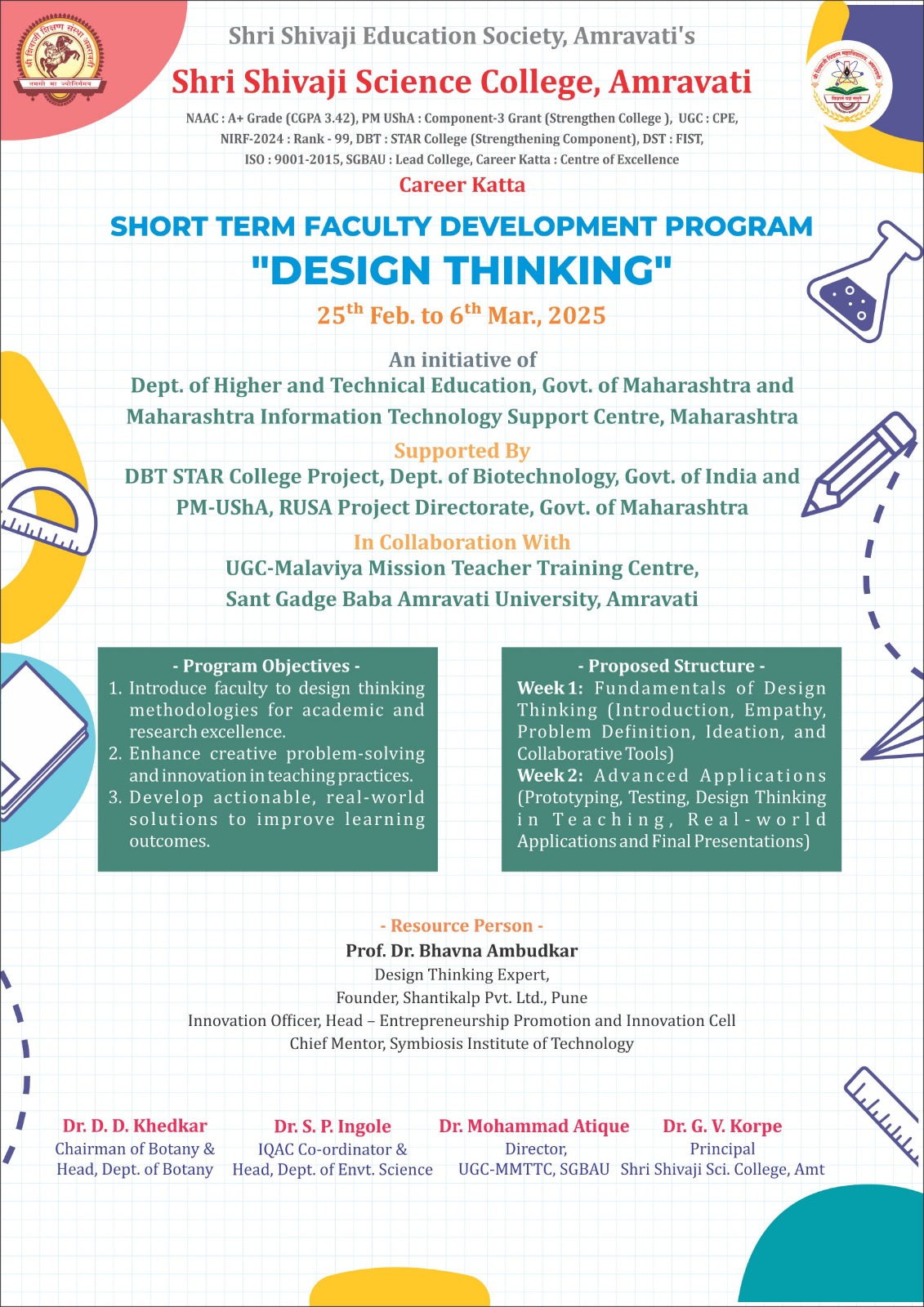
Teacher Empowerment Programme Using ICT Tools
Activity Dates: 9th September 2026
Type of Activity: Faculty Development Program
Organizing Department: Department of Chemistry
Program Coordinators: Dr. H. G. Wankhade, Dr. A. M. Mopari
Head of the Department: Dr. P. R. Mandlik
External Collaborator (if any): -
Objectives:
- To enhance digital competencies among teachers: To develop teachers’ knowledge and skills in using modern ICT tools and digital platforms for effective teaching and learning.
- To familiarize teachers with Google tools and online assessment platforms: To provide practical knowledge of educational applications of Google tools and Testmoz for preparing teaching materials, sharing resources, collaborating, and conducting online assessments.
- To promote ICT integration in chemistry education: To introduce teachers to multimedia presentations, molecular visualization tools, animations, simulations, and virtual laboratories for explaining chemical concepts.
- To encourage innovative and student-centred teaching methodologies: To motivate teachers to adopt interactive, engaging, and technology-enabled teaching strategies that support students’ conceptual understanding and active participation.
- To support continuous professional development: To provide a platform for teachers from different regions to learn from experts, exchange ideas, and improve their professional competence through the effective use of educational technology.
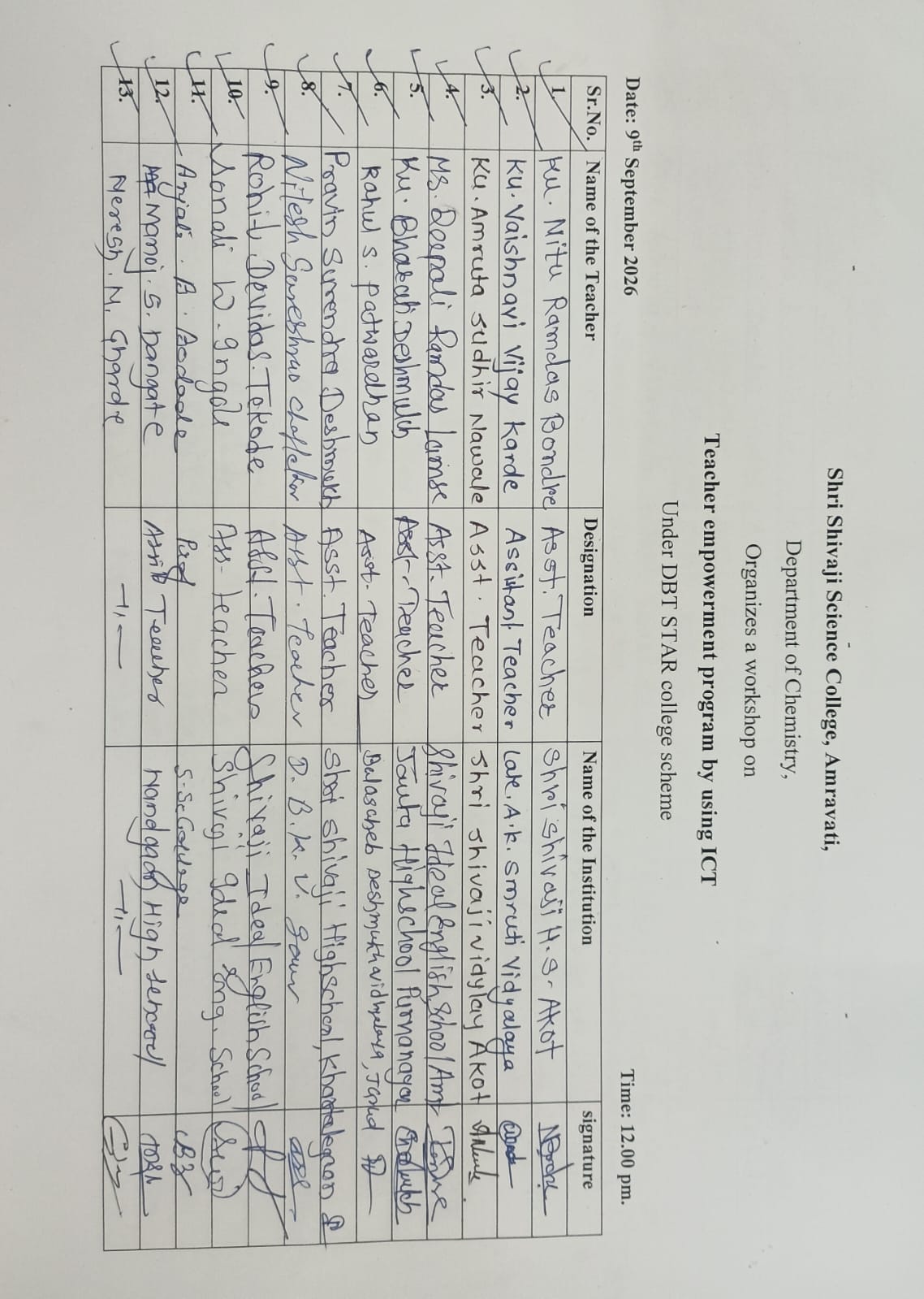
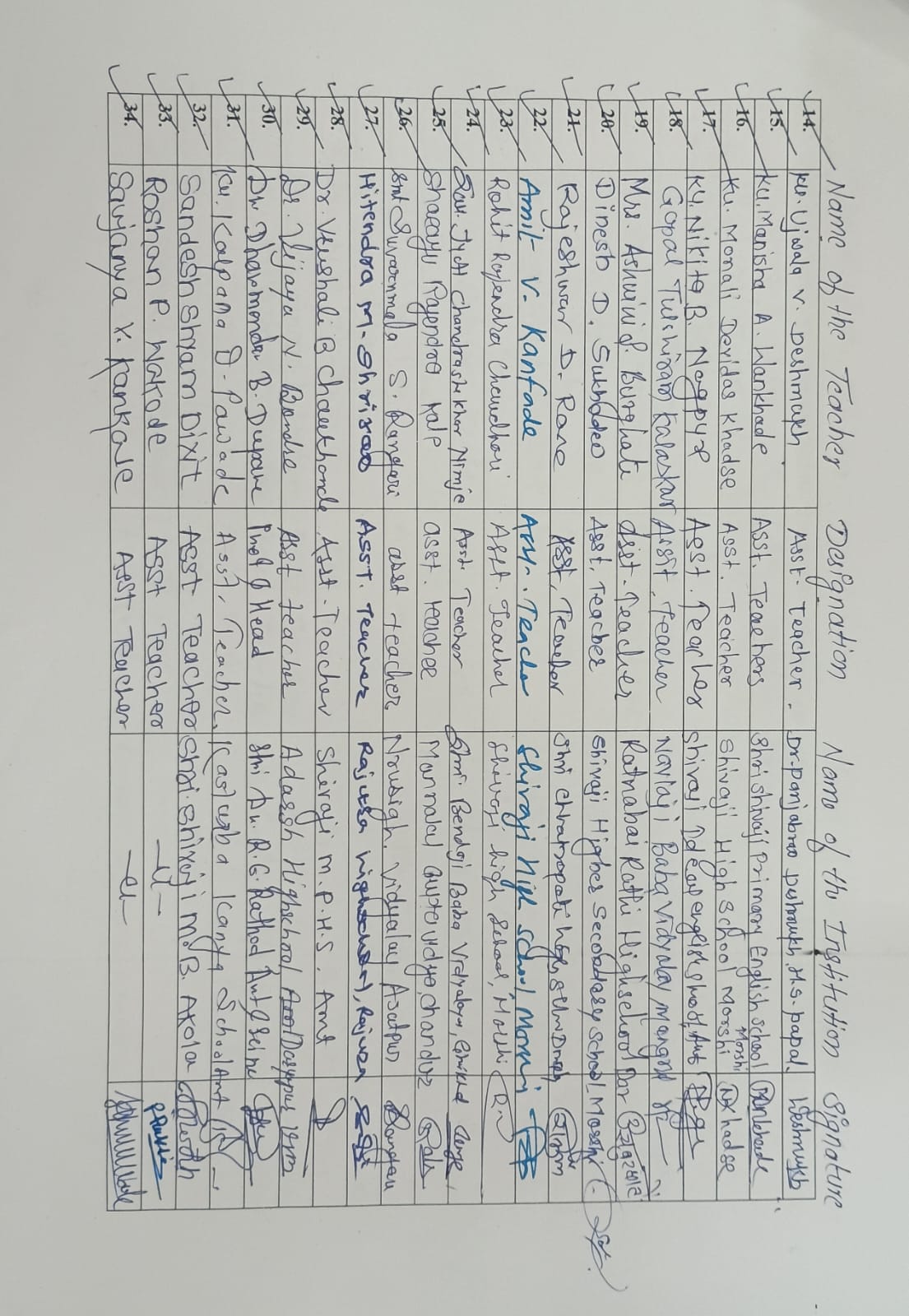
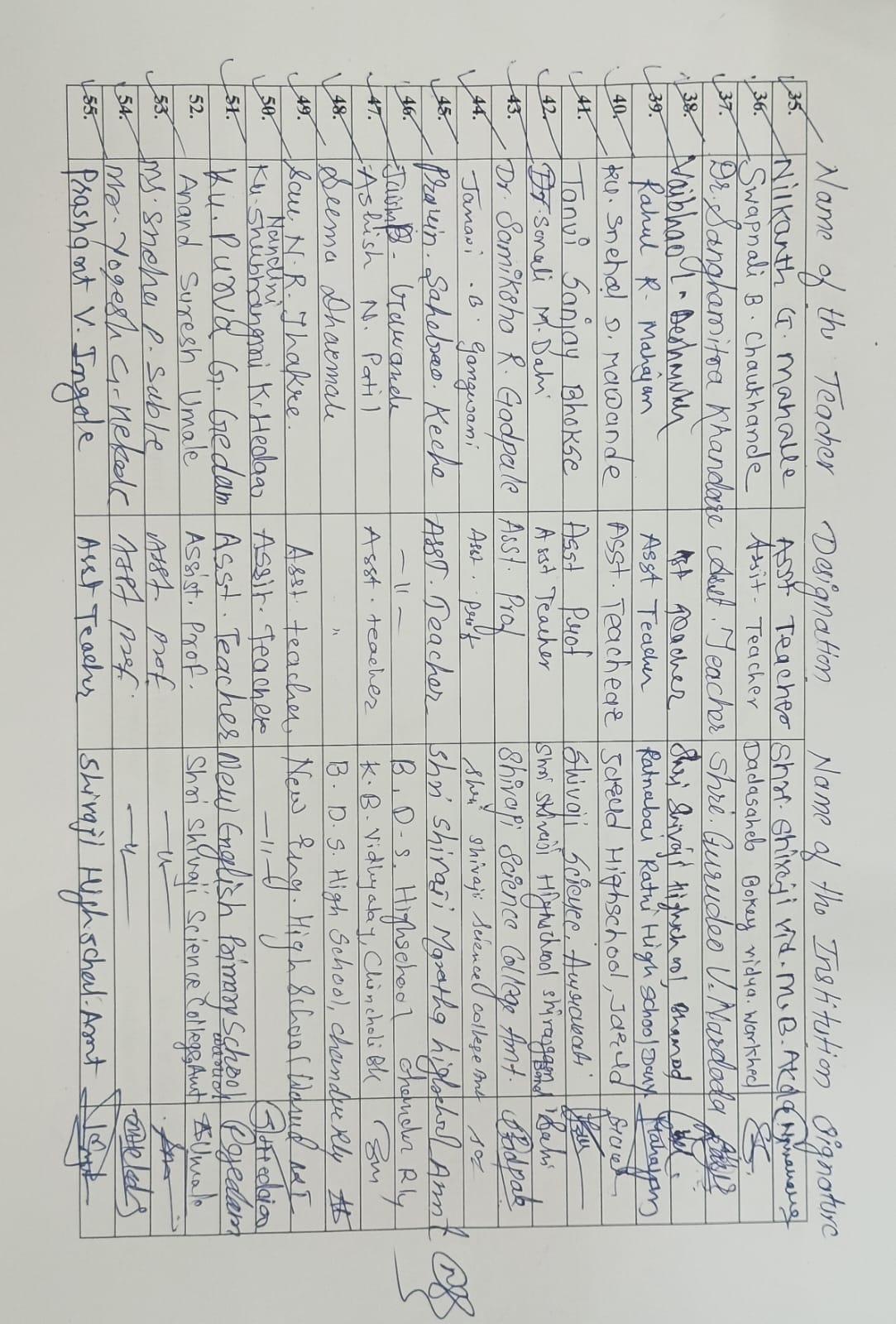
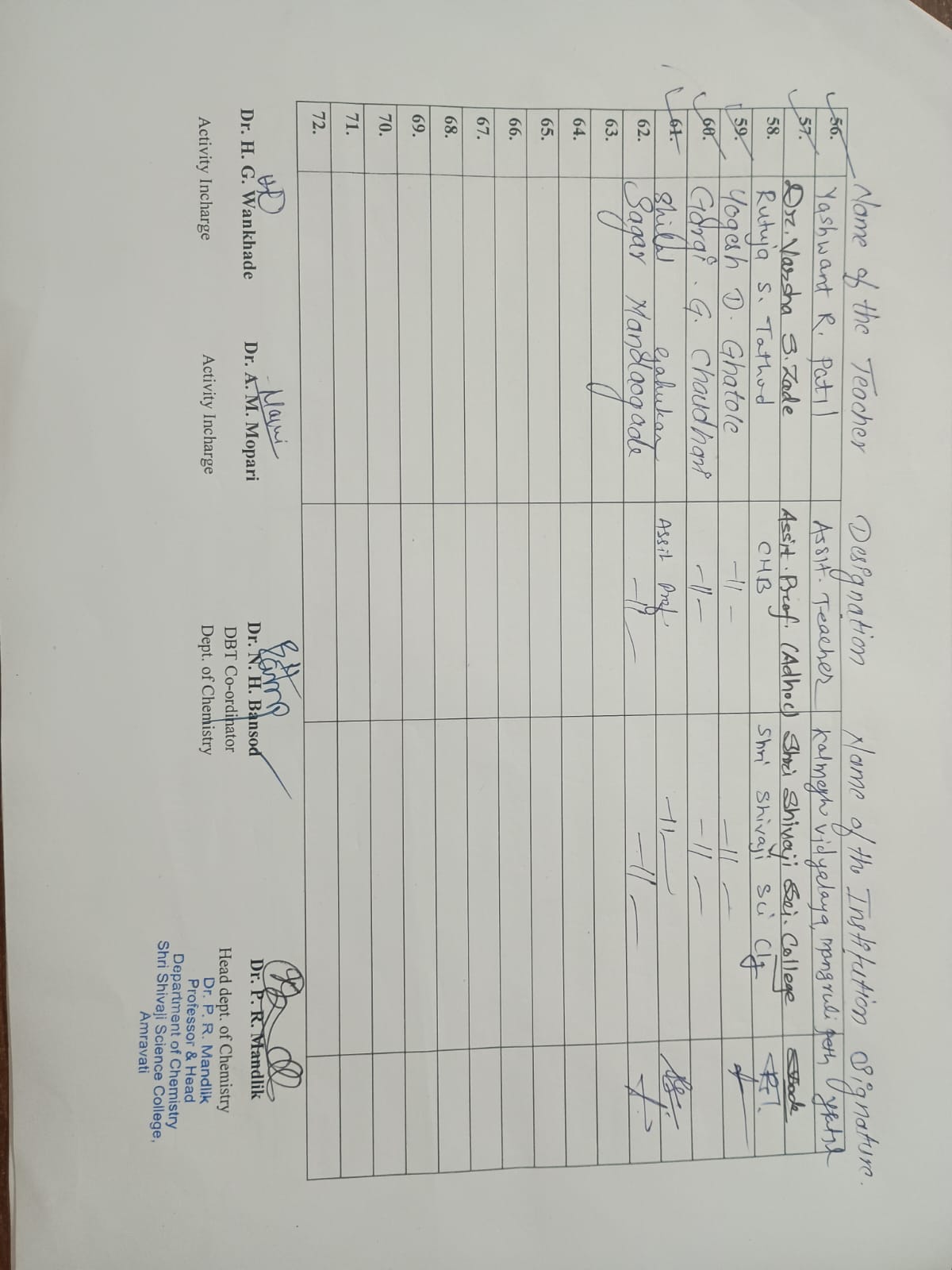
No of Beneficieries: 62
Classes Involved: Teachers from Amravati, Akola, and Yavatmal region
Venue of the Activity: Computer laboratory, Shri Shivaji Science College Amravati
Activity Report:
The Department of Chemistry, Shri Shivaji Science College, Amravati, organized a Teacher Empowerment Programme Using ICT Tools on 9th September 2026 under the DBT Star Project Scheme. The programme was designed to enhance teachers’ digital competencies, familiarize them with modern educational technologies, and promote the effective integration of Information and Communication Technology (ICT) into the teaching-learning process.
In the present educational scenario, the integration of digital technology has become increasingly important for improving the quality of education. ICT tools facilitate access to educational resources, support interactive teaching methodologies, simplify academic administration, and provide opportunities for innovative student assessment. In science education, particularly chemistry, digital resources such as animations, simulations, molecular visualization tools, multimedia presentations, and virtual laboratories can help teachers explain abstract and complex concepts more effectively.
Recognizing the importance of technology-enabled education, the Department of Chemistry organized this programme to provide teachers with practical knowledge of digital platforms and innovative pedagogical techniques. The programme featured two expert sessions conducted by distinguished resource persons with expertise in computer science and chemistry education.
A total of 62 teachers from various schools across the Amravati, Akola, and Yavatmal regions participated in the programme. The sessions combined theoretical explanations with practical insights to encourage teachers to incorporate digital tools into their everyday classroom practices.
Inauguration and Overview of the Programme
The Teacher Empowerment Programme was organized by the Department of Chemistry under the DBT Star Project Scheme as part of its continuing efforts to improve the quality of science education and strengthen teachers’ professional skills. The programme focused on the practical application of ICT tools rather than merely introducing participants to digital technology.
The two sessions were carefully designed to address complementary aspects of technology-enabled education. The first session focused on general educational applications of digital tools, including Google tools and Testmoz, while the second session concentrated on ICT applications specifically relevant to chemistry teaching.
The programme provided participants with an opportunity to understand how digital platforms can simplify routine academic tasks, improve classroom interaction, support online assessment, and facilitate the teaching of complex scientific concepts.
First Expert Session: Various Google Tools and Testmoz
Resource Person: Dr. R. D. Bhoyar
Designation: Assistant Professor
Department: P.G. Department of Computer Science
Institution: Sant Gadge Baba Amravati University, Amravati
Topic: “Various Google Tools and Testmoz”
The first expert session was conducted by Dr. R. D. Bhoyar, Assistant Professor, P.G. Department of Computer Science, Sant Gadge Baba Amravati University, Amravati. His session focused on the effective use of Google tools and Testmoz in educational activities.
Dr. Bhoyar explained how digital tools can support teachers in planning lessons, preparing instructional materials, communicating with students, collaborating with colleagues, and sharing academic information. He highlighted the importance of adopting digital platforms to make teaching more organized, accessible, and efficient.
The session introduced participants to the educational applications of Google tools. These tools can assist teachers in preparing presentations, creating and managing documents, organizing information, collecting responses, sharing learning resources, and facilitating communication. Their use can reduce repetitive administrative work and help teachers manage classroom activities more effectively.
Particular emphasis was placed on the role of digital collaboration and resource sharing in modern education. Teachers can use online platforms to distribute study materials, provide instructions, collect assignments, and maintain communication with learners. Such practices help create a more flexible learning environment and support students in accessing educational content beyond the traditional classroom.
Dr. Bhoyar also discussed Testmoz, an online platform used for creating and conducting tests. He explained how online assessment tools can help teachers prepare objective-type questions, conduct assessments, and evaluate students’ performance efficiently. Digital assessment platforms can save time, simplify the evaluation process, and provide opportunities for regular assessment of learning outcomes.
The session encouraged teachers to explore digital assessment methods alongside conventional examinations. It also highlighted the importance of selecting appropriate digital tools according to educational objectives, student requirements, and available technological facilities.
The session was informative and practical, helping participants understand how Google tools and online testing platforms can be incorporated into their teaching practices. It provided useful guidance for improving academic productivity, managing teaching resources, and conducting assessments in an organized manner.
Second Expert Session: ICT Tools Used in Chemistry
Resource Person: Dr. Rahul G. Sawarkar
Designation: Assistant Professor
Institution: J. D. Patil Sangludkar Mahavidyalaya, Daryapur
Topic: “ICT Tools Used in Chemistry”
The second expert session was conducted by Dr. Rahul G. Sawarkar, Assistant Professor, J. D. Patil Sangludkar Mahavidyalaya, Daryapur. His session focused on the application of Information and Communication Technology in chemistry teaching and learning.
Dr. Sawarkar emphasized that chemistry involves several abstract concepts, molecular structures, chemical reactions, and processes that may be difficult for students to understand through conventional classroom explanations alone. ICT tools can help overcome these challenges by presenting scientific information through visual, interactive, and multimedia-based learning experiences.
He discussed the educational importance of multimedia presentations, animations, digital learning resources, molecular visualization tools, virtual laboratories, and computer-based simulations. These resources can help teachers represent molecular structures, illustrate reaction mechanisms, demonstrate chemical changes, and explain scientific processes that cannot always be observed directly in a conventional laboratory.
Animations and simulations can make complex chemical phenomena easier to visualize. Molecular visualization tools can support the understanding of molecular geometry, bonding, and three-dimensional structures. Similarly, virtual laboratory resources can provide opportunities to explore experimental procedures and reinforce theoretical concepts, particularly when access to certain laboratory facilities or chemicals is limited.
Dr. Sawarkar highlighted the role of ICT in making chemistry teaching more interactive and student-centred. Instead of relying exclusively on lectures and textbook explanations, teachers can combine digital resources with classroom discussions, demonstrations, problem-solving activities, and practical experiments. This integrated approach can encourage curiosity, improve student participation, and strengthen conceptual understanding.
He also emphasized that technology should complement, rather than completely replace, laboratory work and direct interaction between teachers and students. The effective use of ICT requires teachers to select suitable resources, explain scientific concepts accurately, and align digital activities with the learning objectives of the curriculum.
The session provided valuable insights into the practical applications of technology in chemistry education. It encouraged participants to explore innovative teaching methods and use digital resources to make scientific concepts more accessible, engaging, and meaningful for students.
Participation and Interaction
The programme witnessed the participation of 62 teachers representing various schools across the Amravati, Akola, and Yavatmal regions. The participation of teachers from different geographical areas provided an opportunity to share educational experiences and understand the diverse needs of school-level teaching.
The two sessions addressed general digital competencies as well as subject-specific applications of ICT. The first session familiarized teachers with online educational tools and assessment platforms, while the second demonstrated the relevance of digital technology in explaining chemistry concepts.
The resource persons shared their expertise and encouraged teachers to explore suitable ICT tools for their respective subjects and classroom requirements. The programme provided a valuable opportunity for professional learning and helped participants recognize the potential of digital technology in improving instructional practices.
The broad participation reflected the relevance of ICT-based professional development for teachers working in different educational settings. The programme also supported the objective of strengthening the connection between higher educational institutions and school-level educators through knowledge sharing and capacity building.
7. Significance of the Programme
The Teacher Empowerment Programme was significant in the context of the increasing use of digital technologies in education. It addressed the need for teachers to develop technological skills and integrate digital resources into their teaching methodologies.
The programme highlighted how digital tools can support lesson preparation, academic collaboration, online assessment, and effective classroom communication. It also demonstrated how subject-specific ICT applications can improve the visualization and explanation of scientific concepts.
For chemistry teachers, the use of animations, simulations, and molecular visualization resources can make abstract concepts easier to comprehend. For teachers across different subjects, online tools and digital assessment platforms can improve the organization and management of classroom activities.
The programme further emphasized that successful ICT integration requires appropriate tool selection, subject knowledge, pedagogical planning, and consideration of students’ learning needs. By providing exposure to these applications, the programme contributed to teachers’ professional development and encouraged them to adopt innovative teaching practices.
The activity reflected the Department of Chemistry’s commitment to academic excellence, innovation, and the promotion of quality science education through the DBT Star Project Scheme.
Conclusion
The Teacher Empowerment Programme Using ICT Tools, organized by the Department of Chemistry, Shri Shivaji Science College, Amravati, on 9th September 2026 under the DBT Star Project Scheme, was a valuable initiative aimed at strengthening teachers’ digital competencies and promoting technology-enabled education.
The expert sessions conducted by Dr. R. D. Bhoyar and Dr. Rahul G. Sawarkar provided participants with insights into the practical applications of Google tools, Testmoz, and subject-specific ICT resources for chemistry teaching. The sessions highlighted the potential of digital technologies to simplify academic activities, improve assessment practices, and make scientific concepts easier to understand.
The participation of 62 teachers from the Amravati, Akola, and Yavatmal regions demonstrated the importance of professional development opportunities focused on educational technology. The programme encouraged teachers to adopt innovative teaching methodologies, explore digital learning resources, and create more engaging learning environments for students.
Overall, the programme contributed to raising awareness about ICT integration in education and reinforced the importance of continuous teacher training in the digital era. It represented a meaningful step towards improving teaching effectiveness, promoting innovation in science education, and supporting the professional growth of teachers through the DBT Star Project Scheme.
The activity successfully advanced the objective of teacher empowerment by encouraging the effective and purposeful use of ICT tools for improving the quality of teaching and learning.
Outcomes:
- Improved awareness of digital educational tools: Participants gained a better understanding of Google tools and their applications in preparing teaching materials, sharing academic resources, communication, and collaboration.
- Enhanced understanding of online assessment: Teachers became familiar with the educational applications of Testmoz and the potential of online testing platforms for conducting assessments and evaluating student performance efficiently.
- Greater awareness of ICT applications in chemistry: Participants developed an understanding of how animations, simulations, molecular visualization tools, multimedia presentations, and virtual laboratories can support chemistry teaching.
- Promotion of interactive and student-centred teaching: The programme motivated teachers to incorporate digital resources and innovative pedagogical techniques to improve classroom engagement, encourage participation, and strengthen conceptual understanding.
- Strengthened professional development and technology adoption: The programme encouraged participants to continue exploring digital teaching resources and apply appropriate ICT tools in their respective institutions to improve the quality and effectiveness of the teaching-learning process.
Photos:
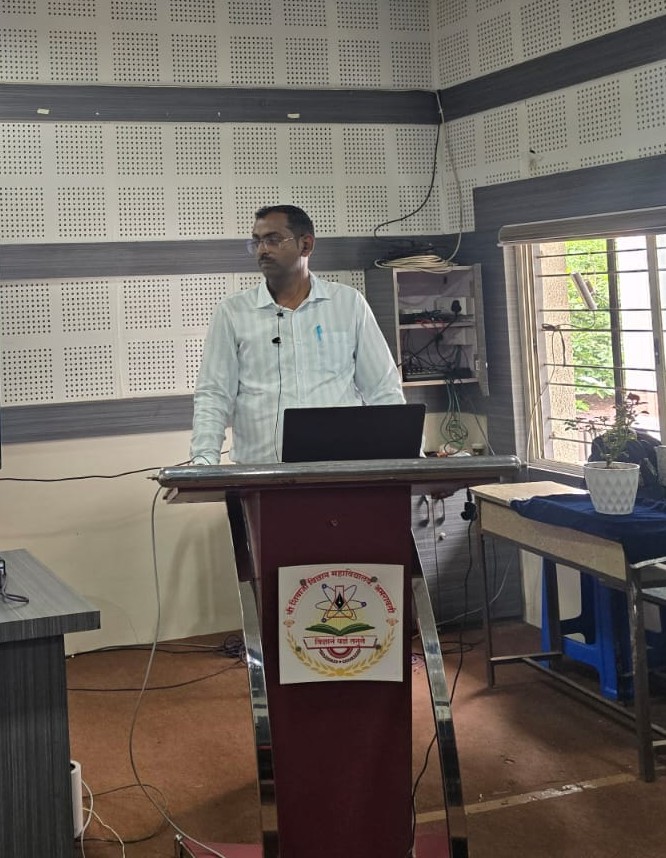 Dr. R. G. Sawarkar conducting the session | 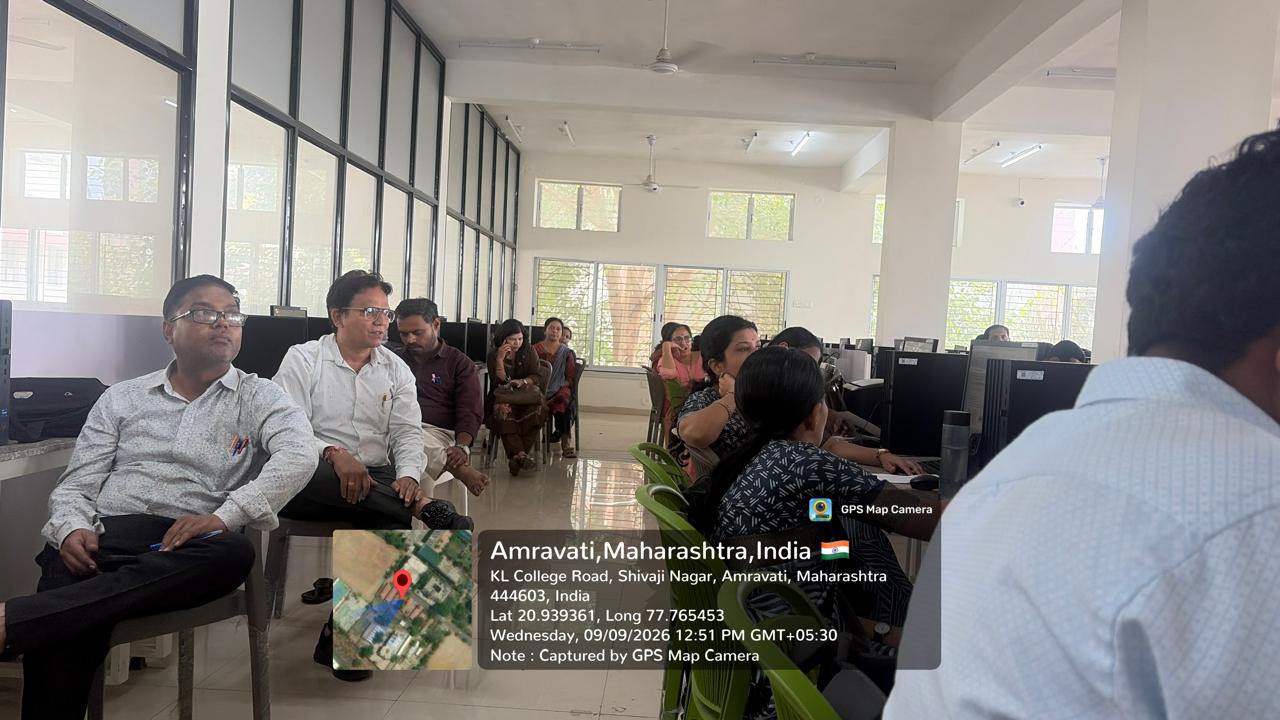 Hands on training by participants |
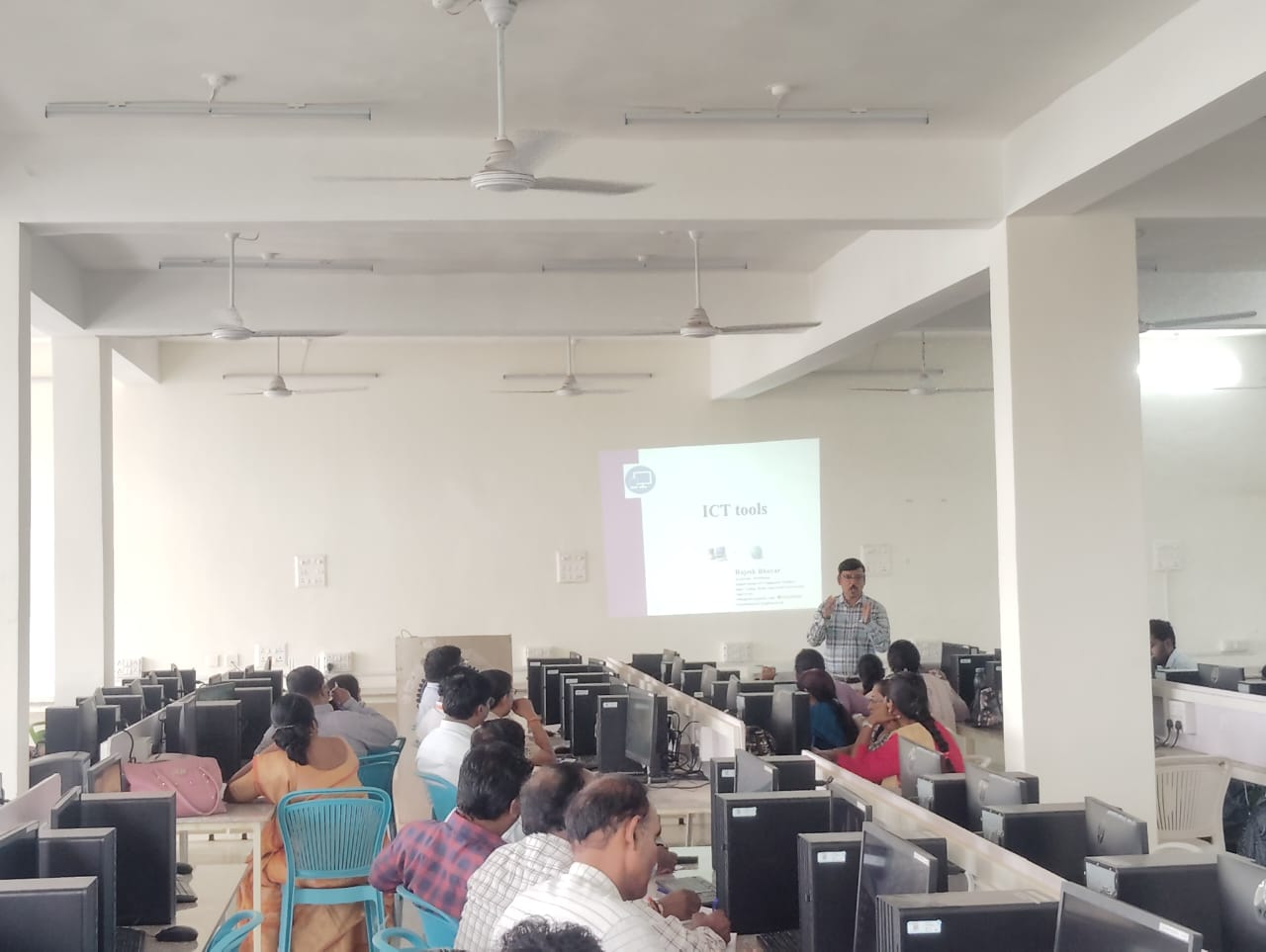 Active participation of participants in workshop | 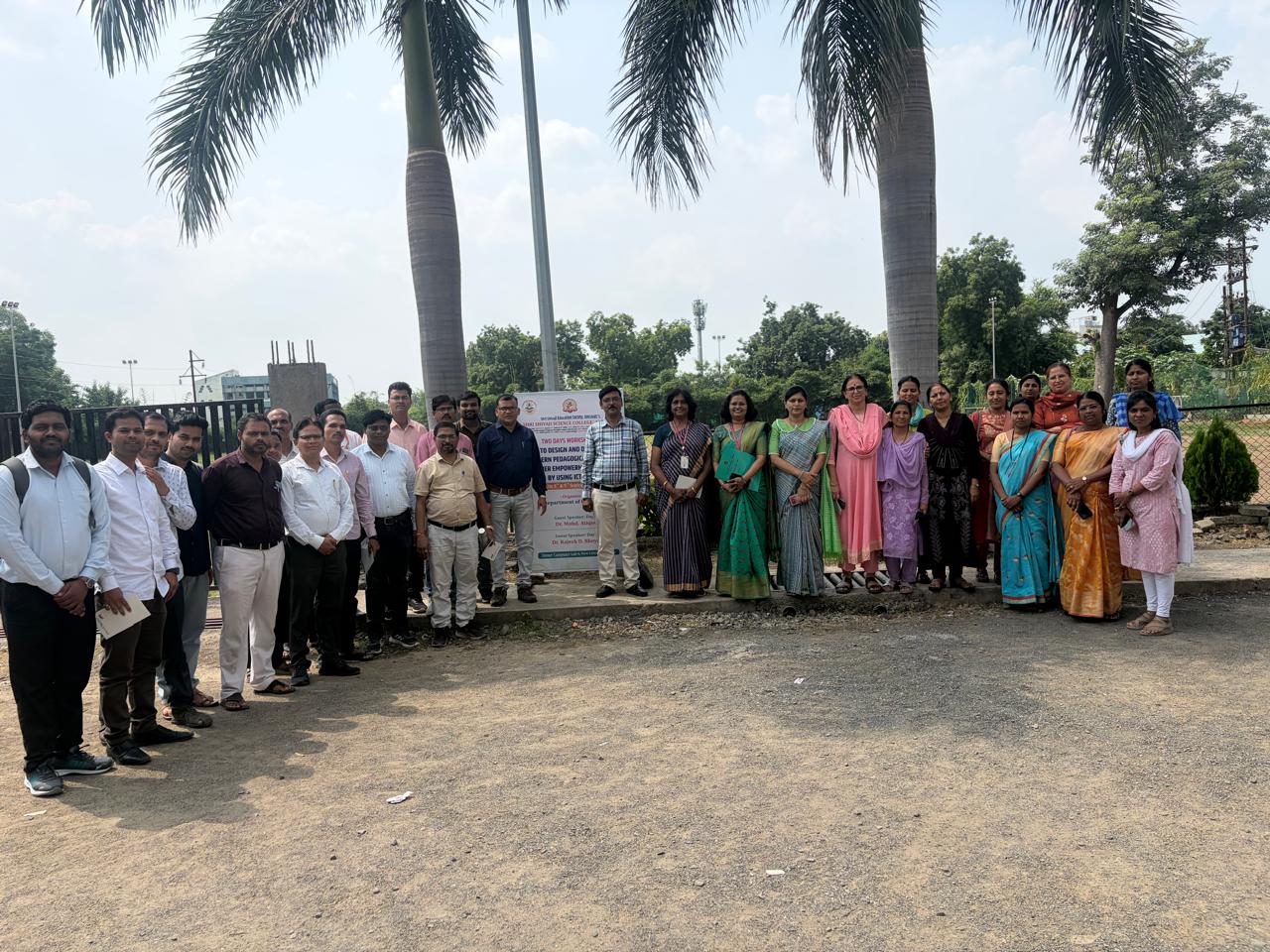 Concluding Group Photo |
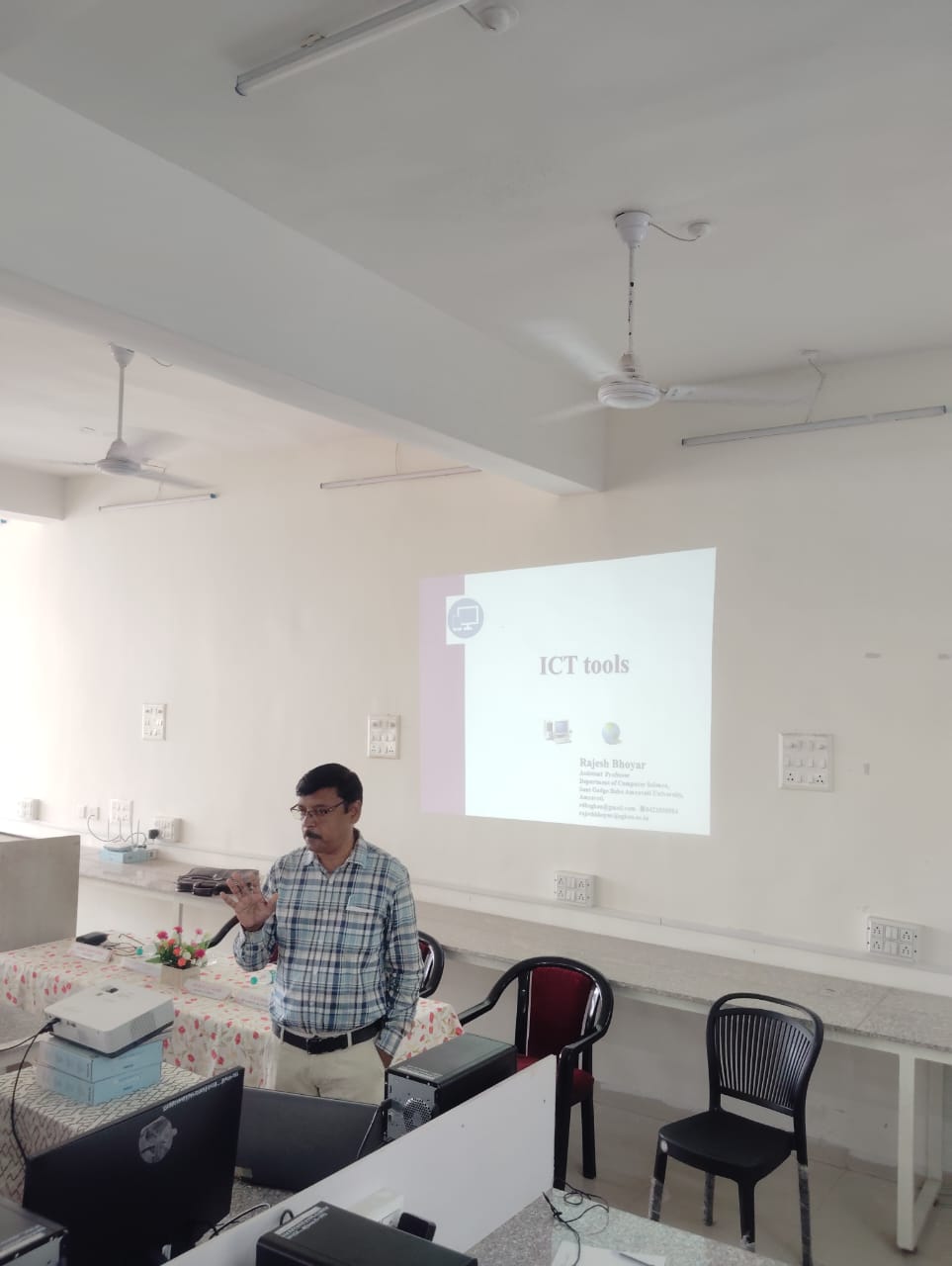 Dr. R. G. Boyar delivering the lecture | 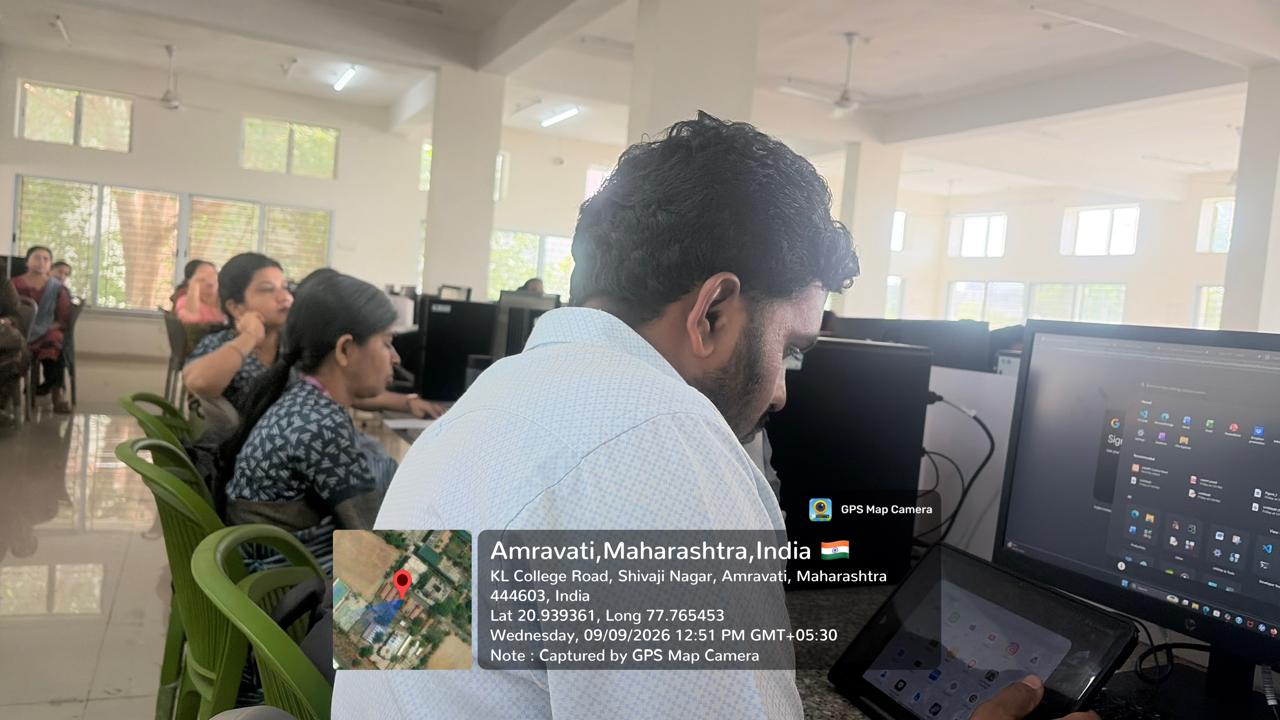 session during workshop |
Attendance Sheet:
 |
 |
 |
 |