SHRI SHIVAJI SCIENCE COLLEGE, AMRAVATI
DBT STAR COLLEGE PROJECT ACTIVITY
ACTIVITY REPORT
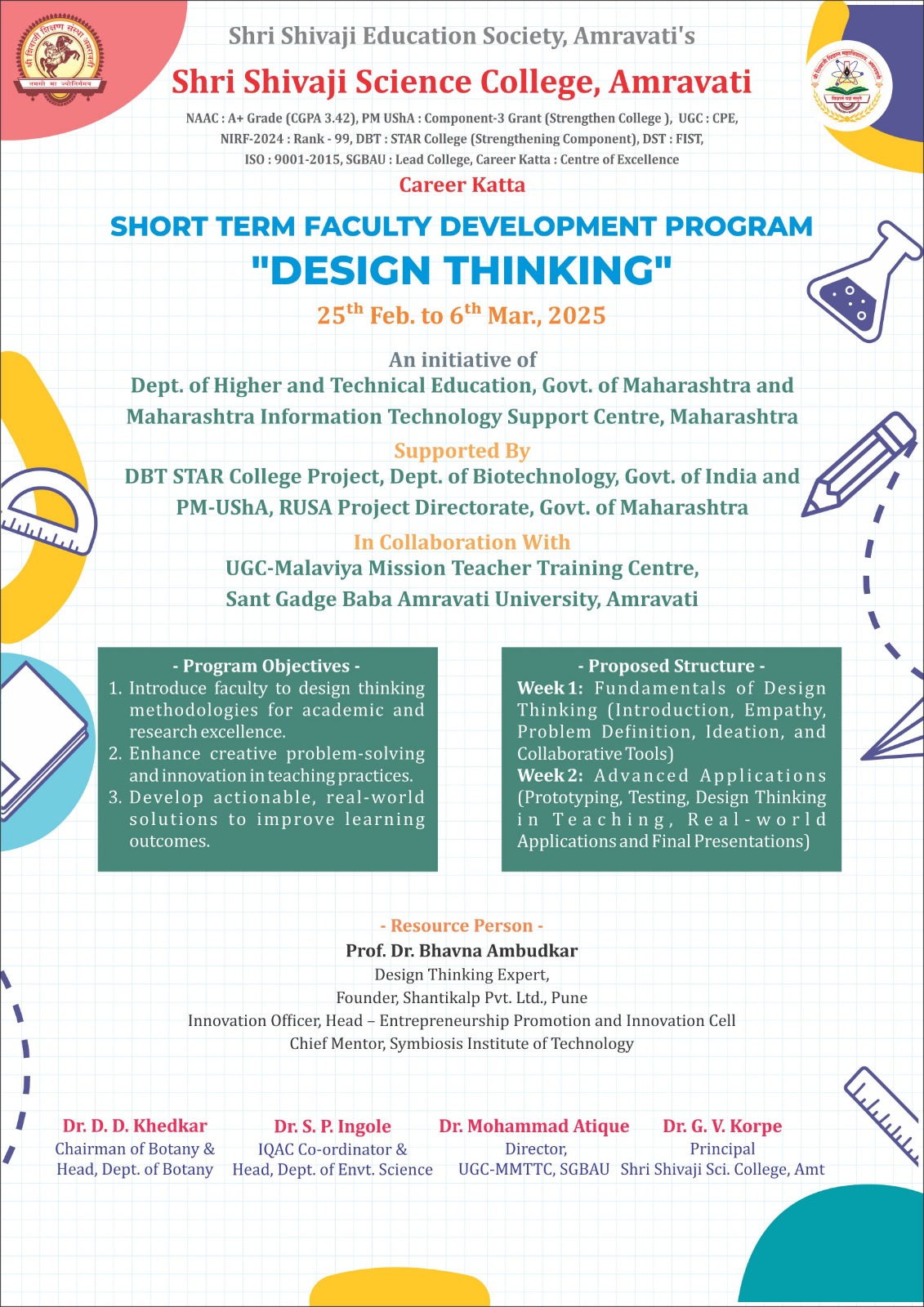
Workshop on Designing and Developing Modern Pedagogical Tools
Activity Dates: 8 September 2026
Type of Activity: Faculty Development Program
Organizing Department: Department of Chemistry
Program Coordinators: Dr. Y. S. Thakare and Dr. A. M. Mopari
Head of the Department: Dr. P. R. Mandlik
External Collaborator (if any): -
Objectives:
- 1. To introduce modern pedagogical tools relevant to higher education.
- 2. To create awareness of the potential uses of artificial intelligence in teaching, learning, and research.
- 3. To familiarize participants with platforms used for research literature discovery and examination of scientific publications.
- 4. To explain the role of researcher identifiers and academic profiles in scholarly communication.
- 5. To introduce virtual and interactive resources that can supplement science teaching.
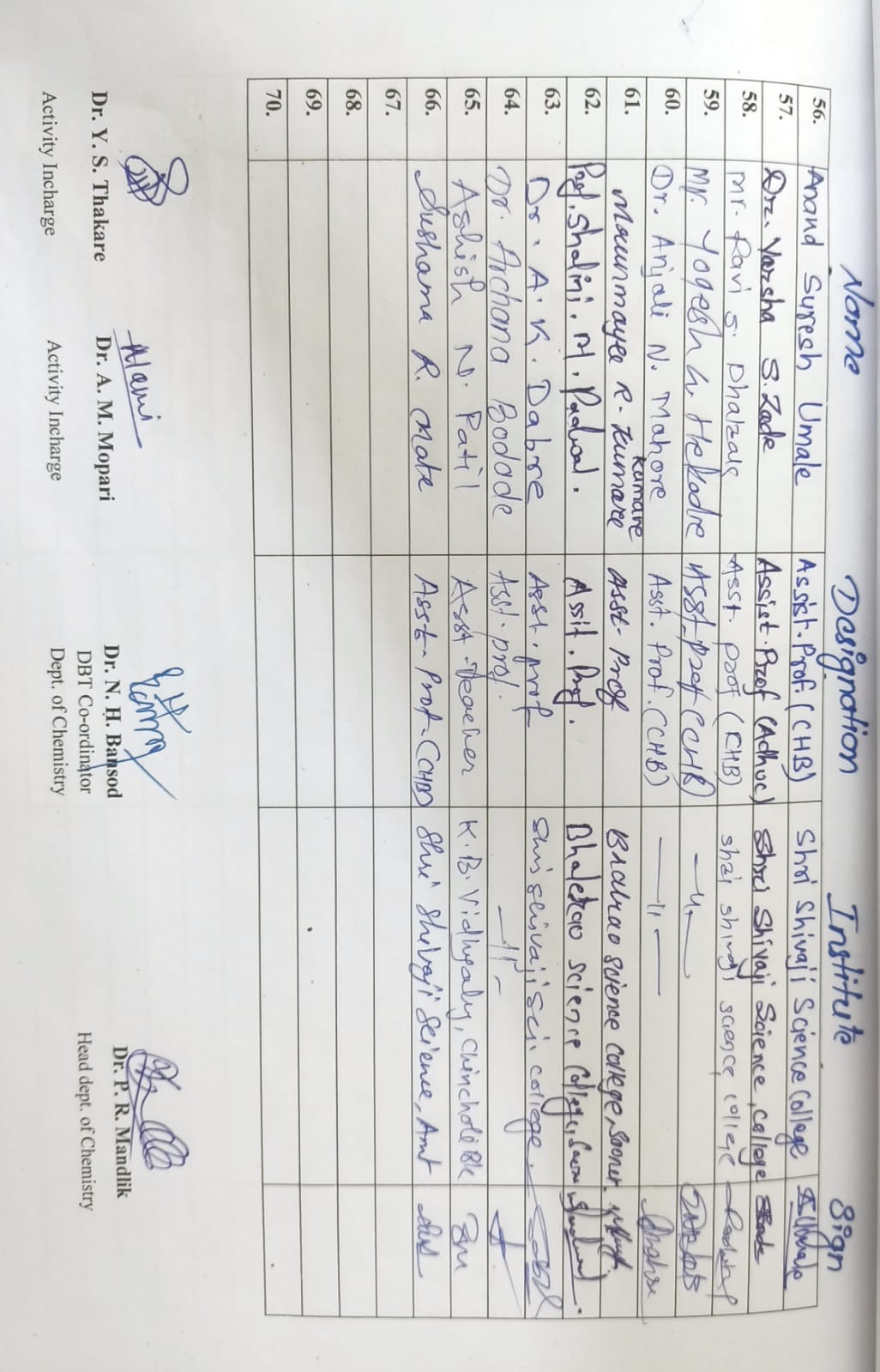
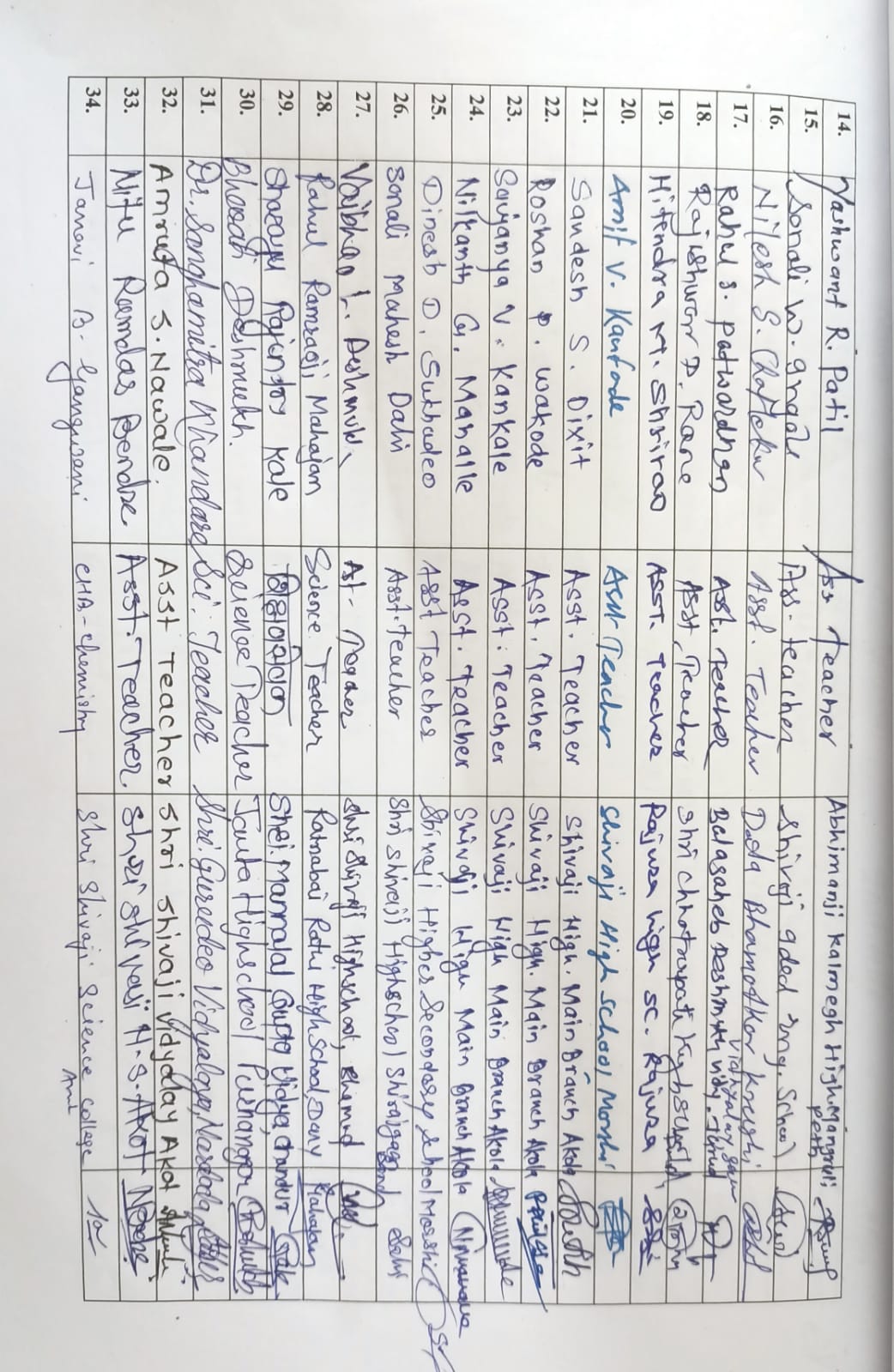
No of Beneficieries: 66
Classes Involved: Teachers
Venue of the Activity: Chemistry
Activity Report:
The Department of Chemistry, Shri Shivaji Science College, Amravati, organized a workshop entitled “To Design and Develop Modern Pedagogical Tools” on 8 September 2026 under the DBT STAR College activity. The programme was conducted from 11:45 a.m. to 3:00 p.m. and focused on the relevance of digital resources in contemporary teaching, learning, and research.
Dr. Mohammad Atique, Senior Professor and Head of the Department of Computer Science and Engineering, Sant Gadge Baba Amravati University, served as the resource person. Dr. P. R. Mandlik, Head of the Department of Chemistry, presided over the programme. Approximately 70 faculty members attended.
Introduction and Background
Higher education increasingly uses digital resources to support classroom instruction, independent learning, research, and academic communication. In science education, digital tools can complement lectures and practical sessions by helping learners access scholarly literature, explore visual representations of concepts, and become familiar with contemporary research practices.
Artificial intelligence has also introduced new forms of support for working with documents, exploring scientific information, and organizing digital tasks. These applications can be useful when selected according to a clear academic purpose and used with appropriate judgement. AI-generated information and references should be checked against reliable original sources, and institutional expectations for academic integrity must be followed.
Against this background, the Department of Chemistry organized the workshop under the DBT STAR College activity to introduce faculty members and students to selected pedagogical and research-related tools. The programme connected modern digital resources with the broader objective of strengthening teaching-learning practices in higher education.
• Objectives of the Workshop
1. To introduce modern pedagogical tools relevant to higher education.
2. To create awareness of the potential uses of artificial intelligence in teaching, learning, and research.
3. To familiarize participants with platforms used for research literature discovery and examination of scientific publications.
4. To explain the role of researcher identifiers and academic profiles in scholarly communication.
5. To introduce virtual and interactive resources that can supplement science teaching.
6. To provide an overview of tools associated with AI-assisted work and locally operated language models.
7. To discuss workflow automation as a way to organize defined digital tasks.
8. To encourage the thoughtful, responsible, and purpose-driven use of technology in academic activities.
Tools Introduced During the Workshop
• SciSpace: Supports scientific literature discovery and understanding research papers.
• NotebookLM: Helps organize and analyze information from supplied documents.
• Elicit: Assists in literature searches and research review.
• PhET Simulations: Provides interactive simulations for science and mathematics education.
• VIDWAN: Supports academic researcher profiles and expert identification.
• ORCID ID: Provides a unique digital identifier for researchers.
• Google Scholar: Helps discover scholarly publications and citation information.
• Ollama: Enables supported AI language models to run locally.
• LM Studio: Provides an interface for exploring and running local language models.
• Zapier: Automates workflows by connecting compatible applications.
• X Agents: Introduced as an AI-related tool.
Main Academic Themes Discussed
• Research Literature: Finding and evaluating relevant scientific publications.
• Research Paper Analysis: Understanding research methods, findings, and conclusions.
• Academic Identity: Maintaining accurate researcher profiles and publication records.
• Interactive Learning: Using simulations to support science teaching.
• Responsible AI Use: Verifying AI-generated information and protecting academic data.
• Workflow Automation: Using digital tools to simplify routine academic tasks.
Relevance to Chemistry Teaching and Learning
For Chemistry and other science subjects, the tools introduced during the workshop are relevant to several broad teaching and learning needs:
• Locating current literature for student projects, seminars, and research assignments.
• Helping students learn how to approach scientific papers and distinguish evidence from interpretation.
• Using selected interactive simulations to supplement explanations of abstract scientific concepts.
• Encouraging students and faculty members to maintain accurate academic profiles and identifiers.
• Introducing AI-assisted resources while emphasizing verification and responsible use.
• Exploring ways to organize recurring digital tasks without compromising accuracy or confidentiality.
These are potential areas of application. The appropriate tool and activity should be chosen according to the course outcomes, student level, available infrastructure, and the requirements of the subject.
Modern Pedagogy and Student-Centred Teaching
The workshop emphasized the relevance of smart classrooms, digital learning platforms, and interactive tools in making teaching more effective and student-centred. Modern pedagogy involves more than adopting technology: teachers need to identify the intended learning outcome, select a suitable resource, integrate it into the lesson, and check whether it supports student understanding.
Digital tools may be used to supplement lectures, provide access to additional learning material, support independent study, and encourage engagement with scientific information. Their value depends on purposeful integration, accessibility, teacher guidance, and evaluation of learning.
For effective adoption, teachers should consider the accuracy of digital content, availability of devices and connectivity, student accessibility needs, data privacy, copyright, and academic integrity. A balanced approach combines technology with explanation, discussion, practical work, and assessment.
Participation and Response
Approximately 70 faculty members and students attended the workshop. The programme received an enthusiastic response, according to the event information provided. The range of tools introduced covered research support, scholarly search, academic identity, interactive learning, AI applications, and workflow automation.
The attendance reflects participation by both teaching staff and students, bringing together interests in pedagogy and research. Detailed participant feedback scores or measured learning outcomes were not included in the source information and therefore are not reported here.
Organizing Support and Coordination
The workshop was organized by the Department of Chemistry, Shri Shivaji Science College, Amravati, under the DBT STAR College activity. The programme was supported and coordinated through the college’s academic and institutional structure.
• Dr. G. V. Korpe — Principal, Shri Shivaji Science College, Amravati.
• Dr. P. R. Mandlik — Head, Department of Chemistry and Chairperson of the workshop.
• Dr. S. P. Ingole — IQAC Coordinator.
• Dr. D. D. Khedkar — DBT STAR Project Coordinator.
• Dr. N. H. Bansod — DBT Coordinator, dept. of Chemistry
• Dr. Y. S. Thakare — Programme Coordinator.
• Dr. A. M. Mopari — Programme Coordinator.
The college administration and coordinators supported the organization of the academic activity. The resource person’s contribution provided the technical focus for the programme.
Relevance to the DBT STAR College Activity
The workshop was aligned with the broader purpose of supporting undergraduate science education through academic enrichment and the appropriate use of modern educational resources. Awareness of digital research tools and interactive learning platforms can complement subject teaching and help students become more familiar with contemporary academic practices.
For institutional documentation, the activity can be recorded as a faculty-and-student enrichment programme focused on modern pedagogical tools. The report should be accompanied by available supporting records, such as the approved programme schedule, attendance sheet, photographs, and feedback summary, if collected.
Conclusion
The workshop on “To Design and Develop Modern Pedagogical Tools” was organized by the Department of Chemistry, Shri Shivaji Science College, Amravati, under the DBT STAR College activity on 8 September 2026. Conducted from 11:45 a.m. to 3:00 p.m., the programme focused on AI and modern digital tools for smart learning.
Dr. Mohammad Atique, Senior Professor and Head, Department of Computer Science and Engineering, Sant Gadge Baba Amravati University, served as the resource person, and Dr. P. R. Mandlik, Head of the Department of Chemistry, presided over the workshop. 66 faculty members attended.
The tools introduced included SciSpace, NotebookLM, Elicit, PhET Interactive Simulations, VIDWAN, ORCID, Google Scholar, Ollama, LM Studio, Zapier, and X Agents. The discussion covered research literature, understanding academic papers, researcher identity, interactive science learning, AI-assisted work, and workflow automation.
The programme highlighted the importance of choosing suitable digital resources to support effective and student-centred teaching. It also reinforced the need for careful verification, responsible AI use, and academic integrity. The workshop concluded with the message: “Teach Smart, Learn Smart.”
Outcomes:
- Enhanced research skills through AI-based literature search and research paper analysis tools.
- Improved teaching and learning through interactive digital simulations and educational resources
- Strengthened academic profiles using VIDWAN, ORCID ID, and Google Scholar
- Developed awareness of AI technologies and local language models for academic applications.
- Improved digital efficiency through information management, workflow automation, and research tools
Photos:
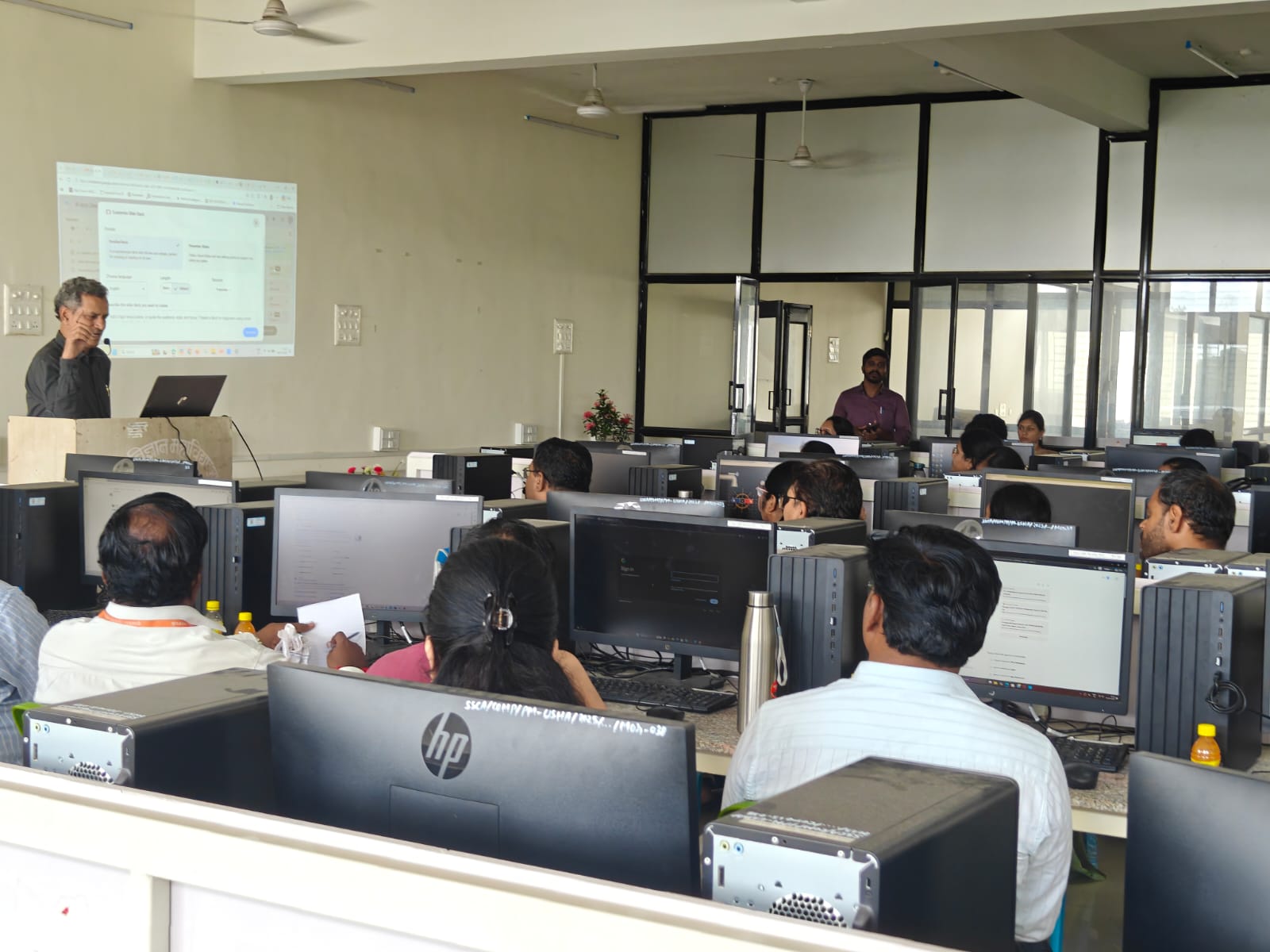 SESSION Conducted By Dr. Mohd. Atif | 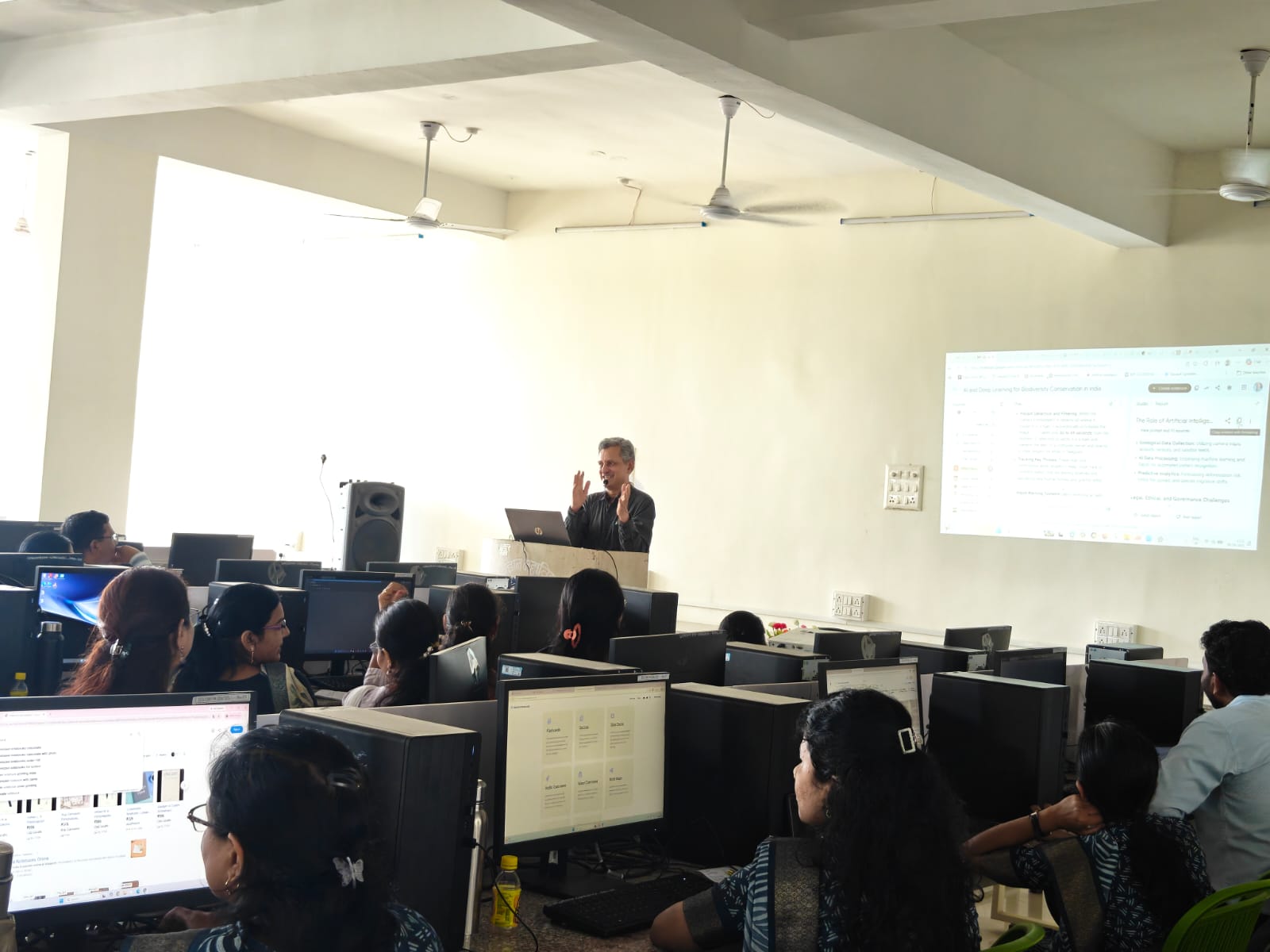 Modern Teaching Tools explain by Dr. Mohd. Atif |
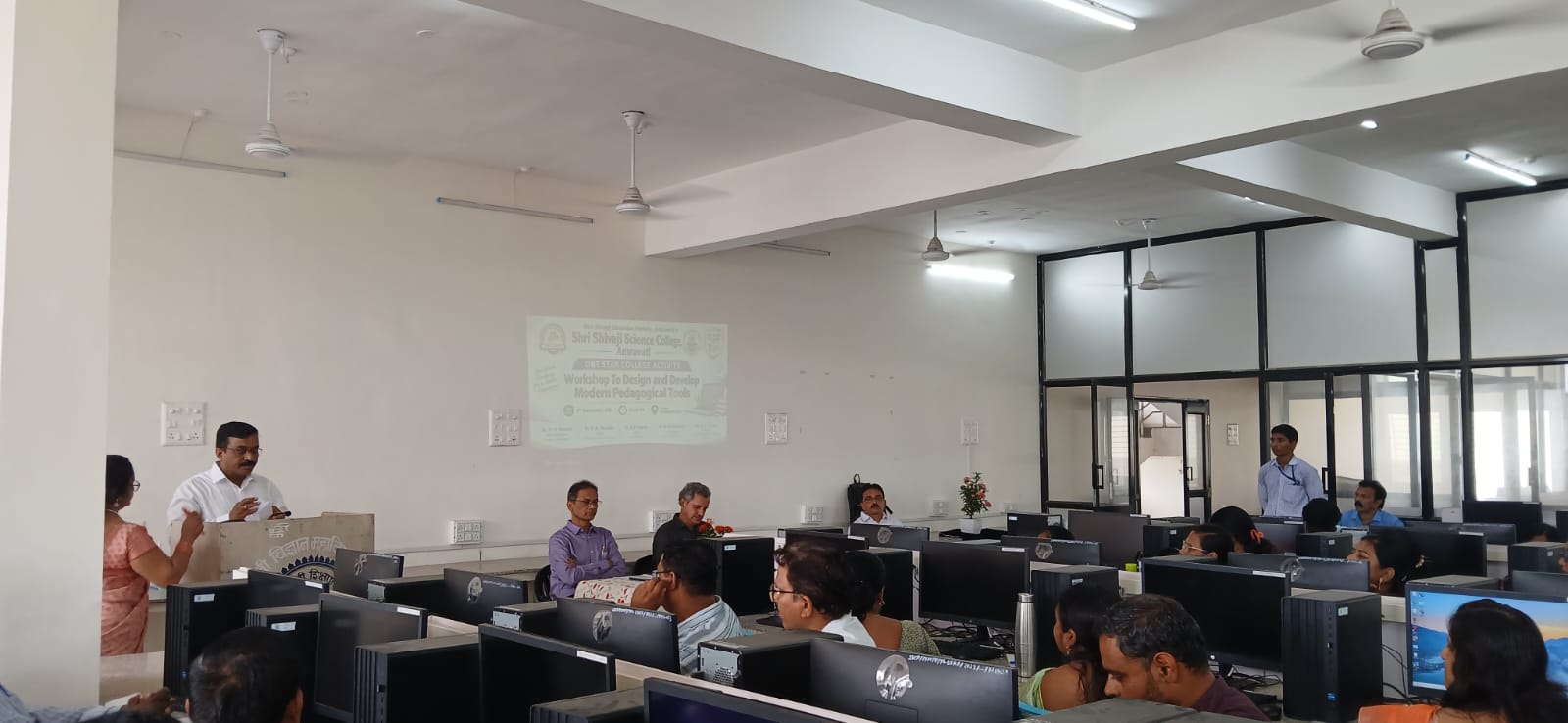 Engagement of faculty in Digital Education learning tools | 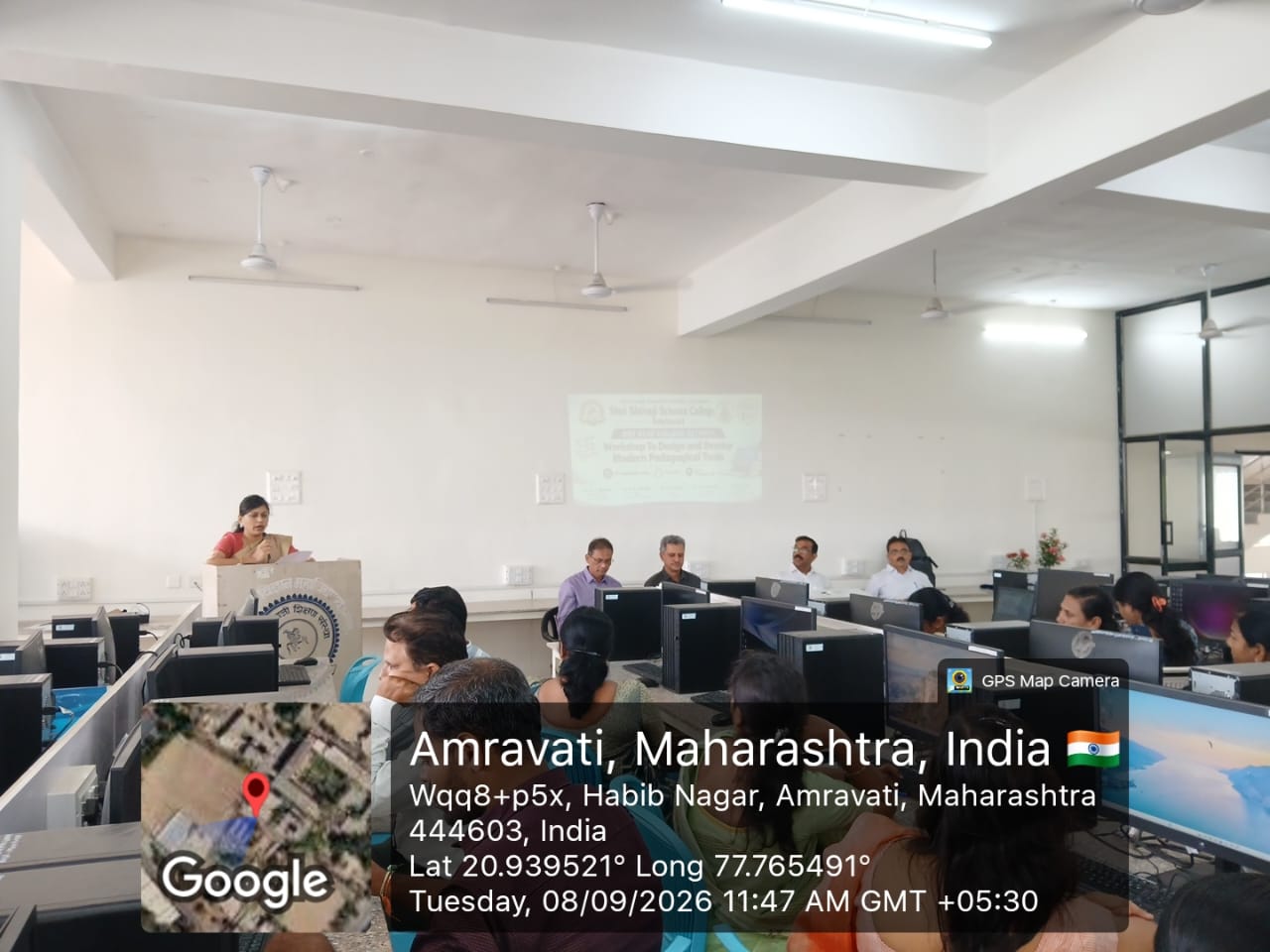 Faculty Development |
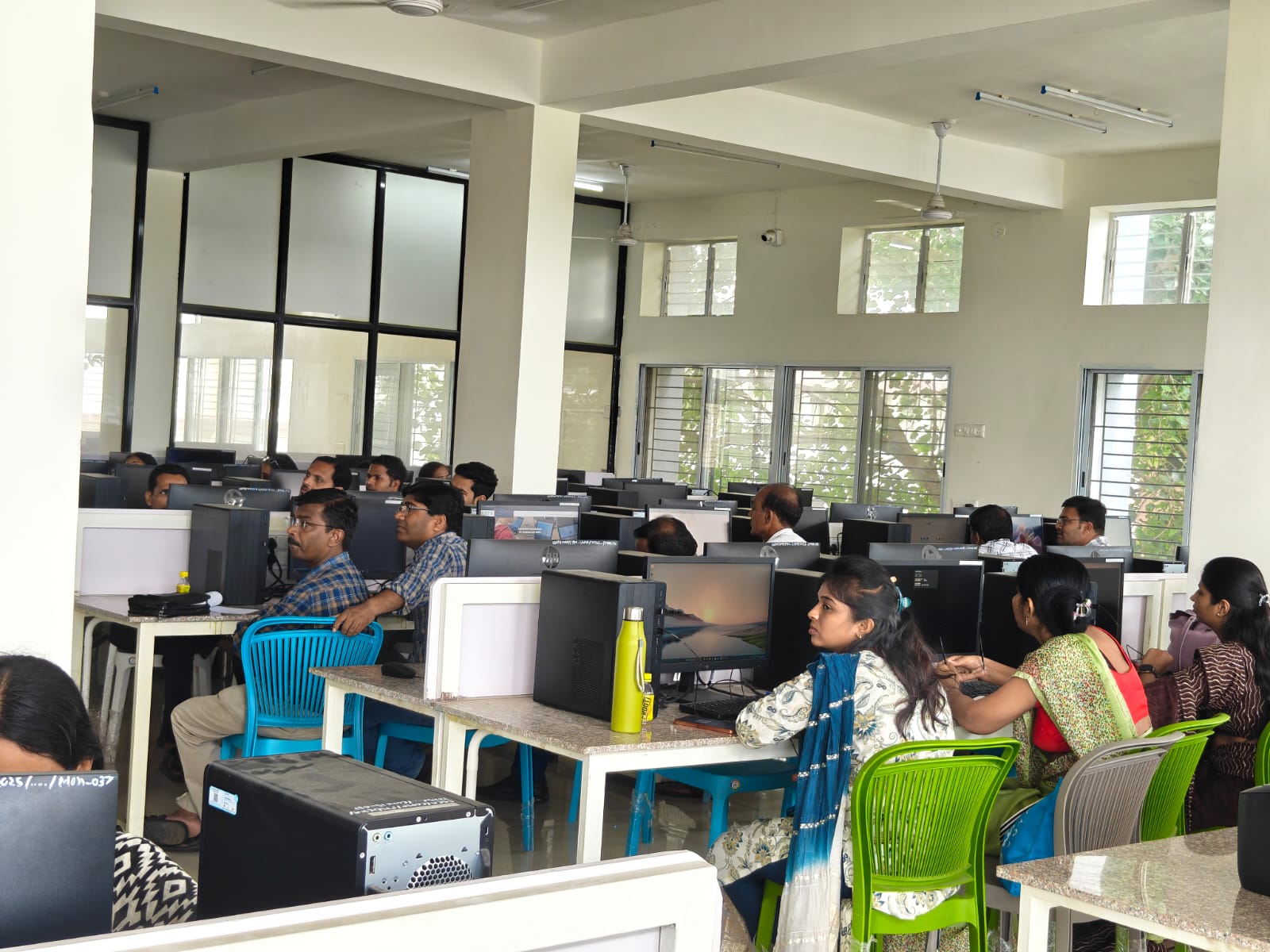 Engagement of faculty members to practice on tools | 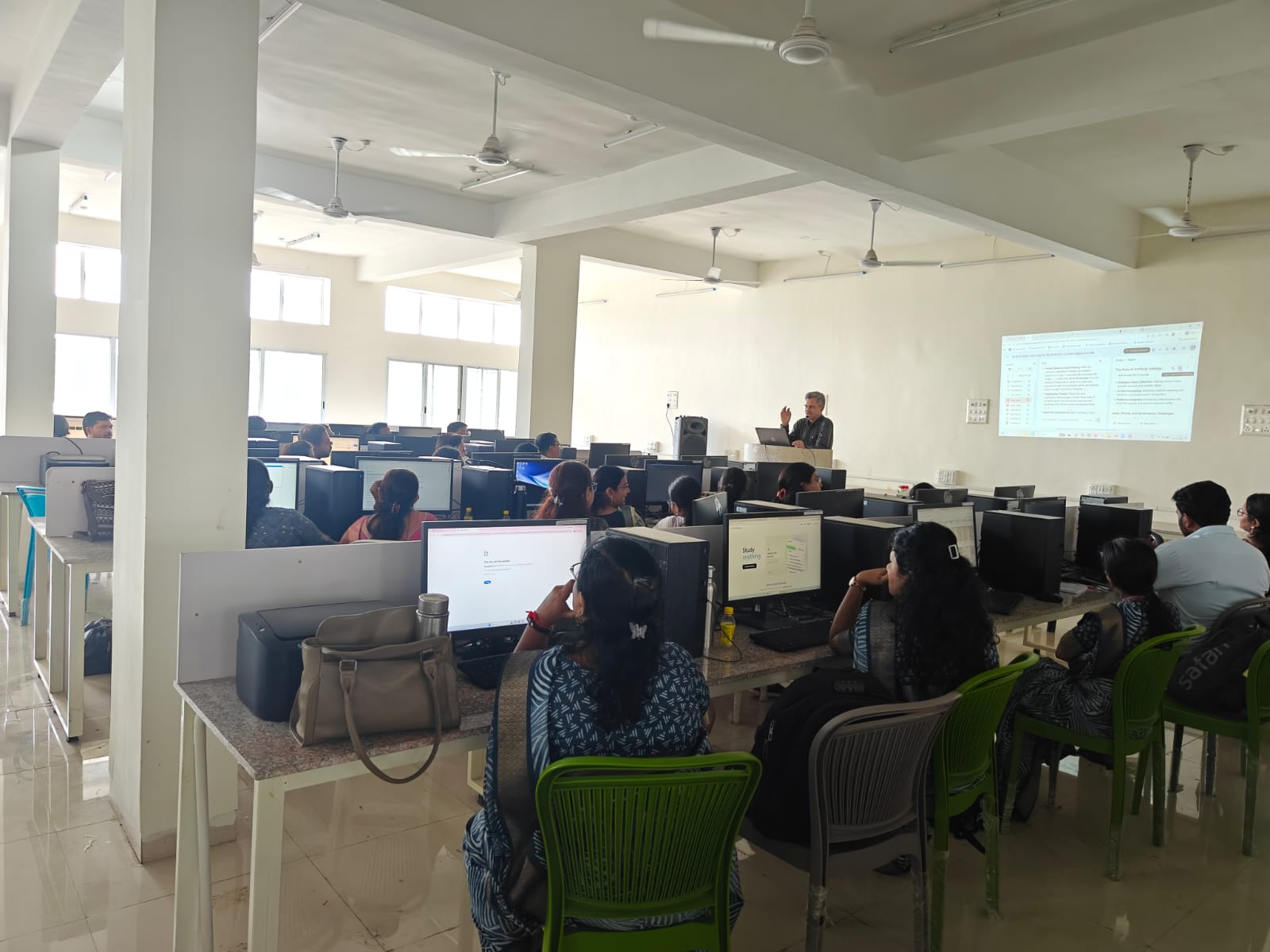 workshop valedictory address |
Attendance Sheet:
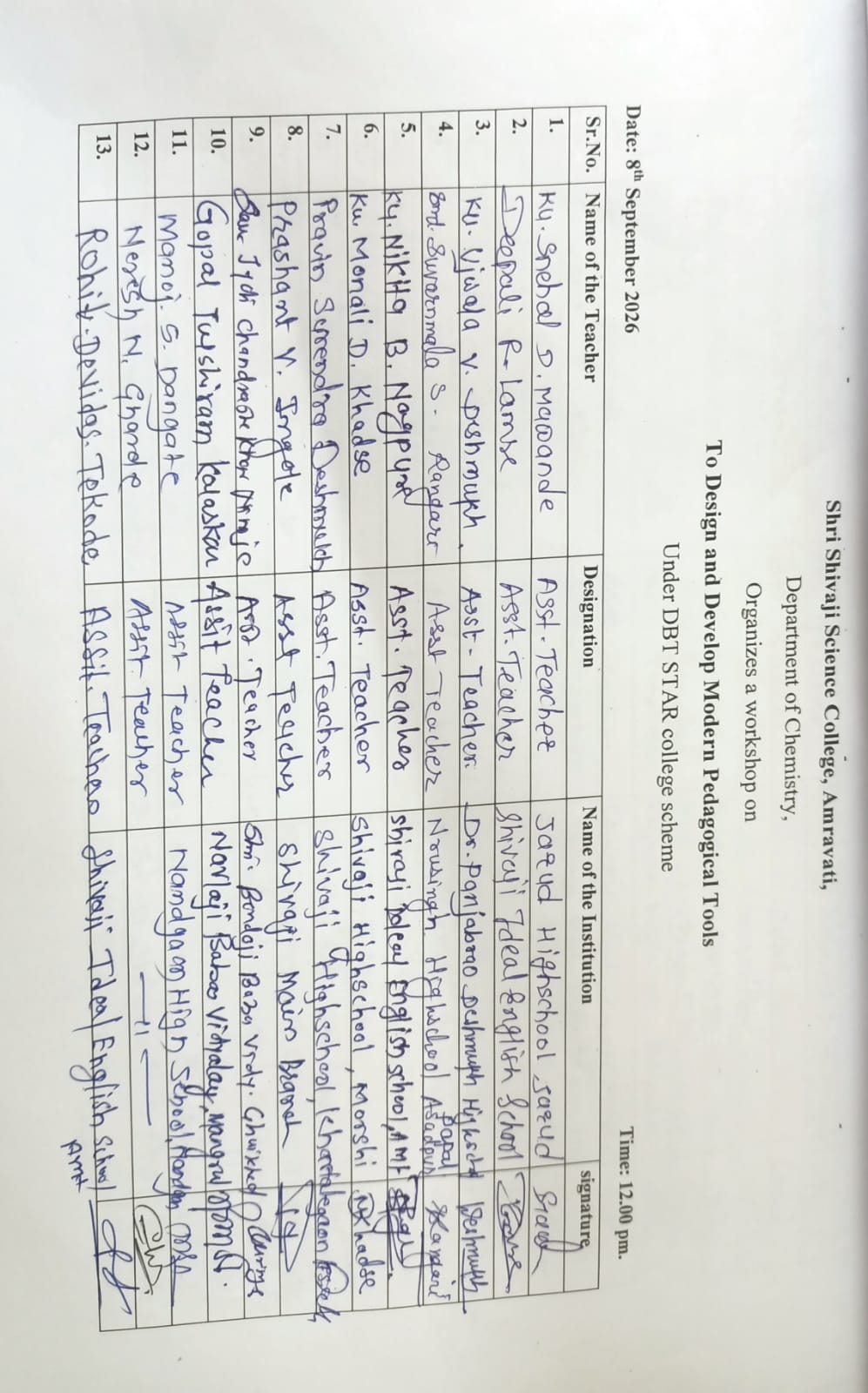 |
 |
 |
 |