SHRI SHIVAJI SCIENCE COLLEGE, AMRAVATI
DBT STAR COLLEGE PROJECT ACTIVITY
ACTIVITY REPORT

Preparation of Mahua flower chocolate: A value-added product from forest resources.
Activity Dates: 01 Jan. 2026 to 30Jan. 2026
Type of Activity: Minor Research Project
Organizing Department: Department of Environmental Science
Program Coordinators: Dr. K. J. Gawai
Head of the Department: Dr. S. P. Ingole
External Collaborator (if any): No
Objectives:
- 1. To prepare chocolate using Mahua flowers as a natural ingredient.
- 2. To study the value addition of forest resources.
- 3. To analyze the sensory qualities (taste, texture, aroma) of Mahua chocolate.
- 4. To promote sustainable utilization of non-timber forest products.
- ---------
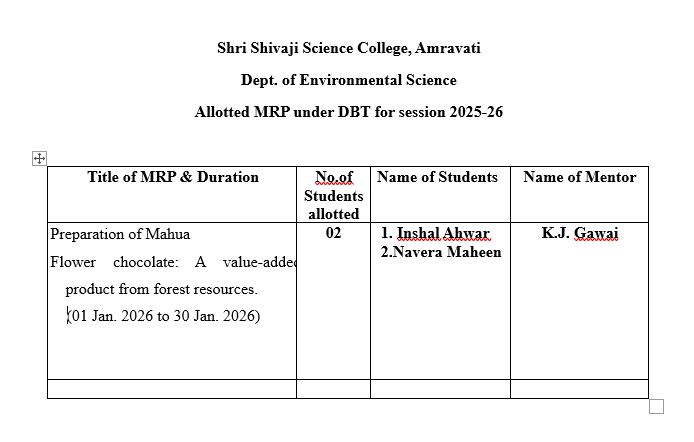
No of Beneficieries: 2
Classes Involved: B.Sc.I
Venue of the Activity: U.G. Lab, Dept. of Environmental Science
Activity Report:
Introduction:
Forests provide a wide variety of non-timber forest products (NTFPs) that are essential for rural livelihoods and sustainable development. Among these, Mahua (Madhuca longifolia) flowers are an important forest resource widely found in the central, southern, north Indian plains and forests, Bangladesh, Nepal, Myanmar, Sri Lanka and Maharashtra. In Amravati district of Maharashtra, it is found in the Melghat forests, which is located in the northern part of Amravati district. The flowers are seasonally available (March–April) and are collected from forest floors.
Mahua flower is a highly nutritious, edible, and culturally significant forest produce. It is used for food, traditional liquor, and medicine. Rich in sugars, vitamins, and minerals, the cream-colored flowers have an earthy, sweet taste, commonly dried and used in jams, chutneys, and distilled into a traditional alcoholic spirit.
In modern food innovation, this natural sweetness can be blended with cocoa to create Mahua Chocolate, a unique and healthier fusion product. Mahua Chocolate not only provides natural energy and nutrition but also promotes tribal heritage, sustainable food practices, and healthier eating choices.
Despite their high nutritional and economic potential, Mahua flowers are underutilized due to lack of awareness and processing techniques. Hence, converting Mahua flowers into chocolate as a value-added product can enhance their utilization, shelf life, and market value.
Importance of Preparation of Mahua Chocolate :
Mahua Chocolate is a healthy fusion of natural mahua flower sweetness and cocoa, to create a nutritious and flavorful treat for all age groups.
It helps to promote health, energy, and tribal heritage in a delicious form.
It is an innovative value-added product
Its preparation holds importance from nutritional, economic, cultural, and environmental perspectives.
Importance according to different age groups:
1) Kids (3–15 Years)
Gives natural energy for play and study
Contains iron & calcium for growth and strong bones
Tasty way to eat a nutritious snack (in small amount)
2) Adults (Women & Men) (16–60 Years)
Women
Helps in iron support and reduces tiredness
Antioxidants for skin and immunity
Gives quick energy
Office snack as healthy replacement
Can be used during stress or periods
Men
Boosts energy and stamina
Supports muscle and body strength
Helps in stress relief
Old People / Elderly (60+ Years)
Calcium & minerals support bones and joints
Easy to digest in small portions
Supports immunity and overall health
Evening nutritional snack
Nutritional & Health Benefits in general :
This specific chocolate is considered beneficial for its :
Healthy Alternative: It is described as a natural substitute for standard commercial chocolate.
Nutrient-Rich: Mahua flowers are traditional super foods rich in antioxidants, iron, and Vitamin C, which can help boost immunity.
Natural Sweetness: Because the flowers are naturally high in sugar, they can replace refined sugars in recipes.
Versatility: It is "suitable for all age groups," a claim supported by its use in everything from children's milk mixes to artisanal dark chocolates.
Market and Innovation Potential-
Mahua chocolate has strong potential in organic, herbal, and functional food markets.
It can be branded as a unique ethnic and eco-friendly product, suitable for exhibitions, start-ups, and research projects.
Nutritional & Health Benefits
This specific chocolate is considered beneficial for its :
Healthy Alternative: It is described as a natural substitute for standard commercial chocolate.
Nutrient-Rich: Mahua flowers are traditional superfoods rich in antioxidants, iron, and Vitamin C, which can help boost immunity.
Natural Sweetness: Because the flowers are naturally high in sugar, they can replace refined sugars in recipes.
Versatility:It is "suitable for all age groups," a claim supported by its use in everything from children's milk mixes to artisanal dark chocolates.
Future scope:
Development of functional foods and nutraceutical products.
Pharmaceutical & Medicinal Applications :
Mahua flowers have: Anti-inflammatory, Antioxidant, Digestive , tonic properties
and Natural immunity boosters
Bio-Alcohol & Fermentation Industry :
Mahua flowers contain high fermentable sugar content. So can be used for
Production of ethanol, Traditional fermented beverages & Low-cost fermentation
substrate for biotech industries
Cosmetic & Personal Care Industry :
Extracts of mahua flower can be used in: Herbal soaps, Shampoos & Skin-care
Products
Livelihood & Tribal Economy Development :
Mahua collection provides seasonal employment
Supports self-help groups (SHGs) and women entrepreneurs
MSME-based enterprises
Branding of tribal forest products
Sustainable & Eco-Friendly Products :
Mahua flower waste can be used as animal feed
By-products used in composting and organic manure
Environmental Significance:
The project directly relates to environmental science because:
• Promotes sustainable use of forest resources (NTFPs)
• Encourages conservation of Mahua trees
• Reduces dependence on industrial food products
• Supports eco-friendly livelihoods
Economic Importance:
• Mahua collection is already a source of income in villages.
• Converting it into chocolate:
o Increases market value
o Creates small-scale rural industries
o Supports self-employment and women empowerment
o Zero-waste, circular economy models.
Objectives:
1. To prepare chocolate using Mahua flowers as a natural ingredient.
2. To study the value addition of forest resources.
3. To analyze the sensory qualities (taste, texture, aroma) of Mahua chocolate.
4. To promote sustainable utilization of non-timber forest products.
Review of Literature
Jyoti Sinha, et.al. (2017) reviewed that Mahua is an economically important tree in India and is widely used as food as well as in traditional medicine. The study emphasized its role in ethnomedicine and rural livelihoods, especially among tribal communities.
Alok Mishra & Amrita Poonia (2019) reported that Mahua flowers are rich in natural sugars such as glucose, fructose, and sucrose, making them suitable for preparing various food products like sweets, beverages, and confectionery items. The study also highlighted that Mahua can be processed into value-added products such as candy, cake, toffee, and syrup, but its utilization is limited due to post-harvest spoilage.
Alok Mishra & Amrita Poonia (2019) emphasize that despite its high potential, Mahua remains underutilized due to poor storage, processing limitations, and lack of awareness. Improving processing techniques and developing new products can enhance its commercial and industrial value.
Vinti Singh et.al. (2020) reported that Mahua flowers possess high antioxidant activity and essential minerals, along with polyphenols and flavonoids. These properties make Mahua suitable for developing nutritious and health-promoting food products.
Sanno Bano et.al. (2025) on Mahua-enriched food products demonstrated that incorporating Mahua extract into baked products (such as muffins) significantly improved their nutritional value, antioxidant content, and sensory acceptability.
Sabina Yasmin et.al. (2026) highlights that Mahua flowers contain bioactive compounds such as flavonoids, saponins, and phenolics, which exhibit antioxidant, anti-inflammatory, and therapeutic properties. These compounds contribute to health benefits and enhance the nutritional value of Mahua-based products.
Materials & Methods:
Materials Required:
Following ingredients are required for making Mahua-based chocolates.
• Dried Mahua flowers
• Cocoa powder
• Milk powder
• Butter or cocoa butter
• Mixer/grinder
• Heating vessel
• Moulds
• Refrigerator
Methodology:
Following 4 types of chocolate are prepared
1. Mahua dark chocolate
2. Mahua Milkbar
3. Mahua-Oasts chocolate
4. Mahua rajamalai
The details of the methodology adopted is as follows:
1. Mahua Dark Chocolate:
The process for making Mahua Dark Chocolate requires mahua flowers, dark compound chocolate, cocoa powder, butter, and dry fruits.
Process: Mahua Dark Chocolate
Here is the transcription of the steps involved:
1. Prep: Wash and lightly boil Mahua flowers for 5–10 minutes, then grind them into a paste.
2. Cook: Heat butter in a pan and cook the Mahua paste for 4–5 minutes.
3. Melt: Melt dark compound chocolate using the double boiler method.
4. Combine: Mix the melted chocolate, cocoa powder, and the cooked Mahua paste.
5. Add dry fruits and mix the preparation well.
6. Pour the mixture into moulds and refrigerate until it is completely set.
2. Mahua Milk Chocolate: Requires mahua flowers, white compound chocolate, butter, and dry fruits.
3. Mahua-Oats Chocolate
This recipe creates a nutritious, chewy, and crunchy chocolate bite using Mahua flowers and oats.
* Prep time: 10 mins
* Set time: 30–60 mins
Ingredients:
* 1–½ cups Mahua flowers (cleaned and soaked in hot water for 30 mins, then drained)
* 1–2 cups Oats
* 200g–250g Dark compound chocolate
* ½ cup Cocoa powder
* 3–4 tablespoons Butter
* Dry fruits (cashews, almonds, raisins) as needed
Instructions:
1. Prep Mahua: After soaking and draining the flowers, blend them into a thick, coarse paste.
2. Roast Oats & Nuts: Dry roast the oats in a pan until golden and crispy. Set aside. In the same pan, heat 1 tbsp butter and roast the dry fruits.
3. Create Mixture: In a pan, melt the remaining butter, add the Mahua paste, cocoa powder, roasted oats, and dry fruits. Mix well on low heat until it forms a combined mixture.
4. Melt Chocolate: Melt the dark compound chocolate using a double boiler or microwave.
5. Moulding: Combine the Mahua mixture with the melted chocolate. Spoon the mixture into the 5-chocolate moulds.
6. Set: Refrigerate for 30–60 minutes until firm, then unmould.
4. Mahua Raja Malai Chocolate (Creamy Bites)
This is a rich, creamy fusion chocolate that uses milk and honey to create a "Malai" (creamy) texture.
Ingredients:
1. 1–2 cups Milk
2. Mahua flowers (soaked and made into a very fine paste)
3. ½ teaspoon Coffee Powder
4. 1–2 teaspoons Honey
5. 2–3 tablespoons Butter
6. Dark compound chocolate (for outer shell)
Instructions:
1. Make Mahua Cream: Heat 1 cup milk in a pan and add the fine Mahua flower paste. Stir continuously until it thickens significantly.
2. Add Flavor: Mix in the butter, coffee powder, and honey. Continue to cook until it reaches a thick fudge consistency (similar to creamy Mahua filling).
3. Prepare Moulds: Melt a small portion of dark compound chocolate and coat the inside of your moulds. Freeze for 5 minutes.
4. Fill & Seal: Fill the centers with the Mahua-Malai mixture. Cover the top with the remaining melted dark chocolate.
5. Set: Refrigerate for 1 hour, then unmould.
Observations and Results
• Mahua flower chocolate was successfully prepared using locally available materials.
• The product showed good sensory qualities, including acceptable taste, aroma, and texture.
• The natural sugars present in Mahua reduced the need for additional sugar, making it a healthier alternative.
• The chocolate had good structural stability after cooling and could be easily handled and stored.
• The product demonstrated that Mahua flowers can be effectively used for value addition in food processing.
• The preparation process was simple, cost-effective, and suitable for small-scale production.
Conclusion
The study concludes that Mahua flowers can be effectively utilized to prepare chocolate, a value-added product with good nutritional and economic potential. This approach supports sustainable development and promotes the utilization of non-timber forest resources.
preparation of mahua chocolate is important as it combines nutrition, innovation, livelihood generation, cultural preservation, and sustainable environmental practices, making it a promising product in rural development and environmental science initiatives.
References:
Bano, S., Awasthi, M., Tripathi, A. D., Agarwal, A., & Nandan, A. (2025). Formulation and shelf life evaluation of nutrient-rich Urochloa ramosa muffins enriched with Madhuca longifolia extract. Scientific Reports, 15, 30616.
Mishra, A., & Poonia, A. (2019). Mahua (Madhuca longifolia) flowers: Review on processing and biological properties. Nutrition & Food Science, 49(6), 1153–1163.
Singh, V., Singh, J., Kushwaha, R., Singh, M., Kumar, S., & Rai, A. K. (2020). Title of the article. Nutrition & Food Science, 51(2), 387–411.
Sinha, J., Singh, V., Singh, J., & Rai, A. K. (2017). Phytochemistry, ethnomedical uses and future prospects of Madhuca longifolia as a food: A review. Journal of Nutrition & Food Sciences, 7, 573.
Suryawanshi, Y. C., & Mokat, D. N. (2021). Morphophysiological seed variability in Mahua trees from Western Ghats and its impact on tribal life. Proceedings of the National Academy of Sciences, India Section B: Biological Sciences, 91(1), 227–239. https://doi.org/10.1007/s40011-020-01223-w
Outcomes:
- 1. The study successfully demonstrated the preparation of chocolate using flowers of Madhuca longifolia as a key ingredient.
- 2. It established that Mahua flowers can be effectively utilized for value-added food product development.
- 3. The prepared chocolate showed acceptable sensory qualities such as taste, aroma, texture, and appearance.
- 4. The study promoted awareness about the sustainable utilization of non-timber forest products (NTFPs).
- 5. It indicated the potential for income generation and rural entrepreneurship, especially in forest and tribal regions.
Photos:
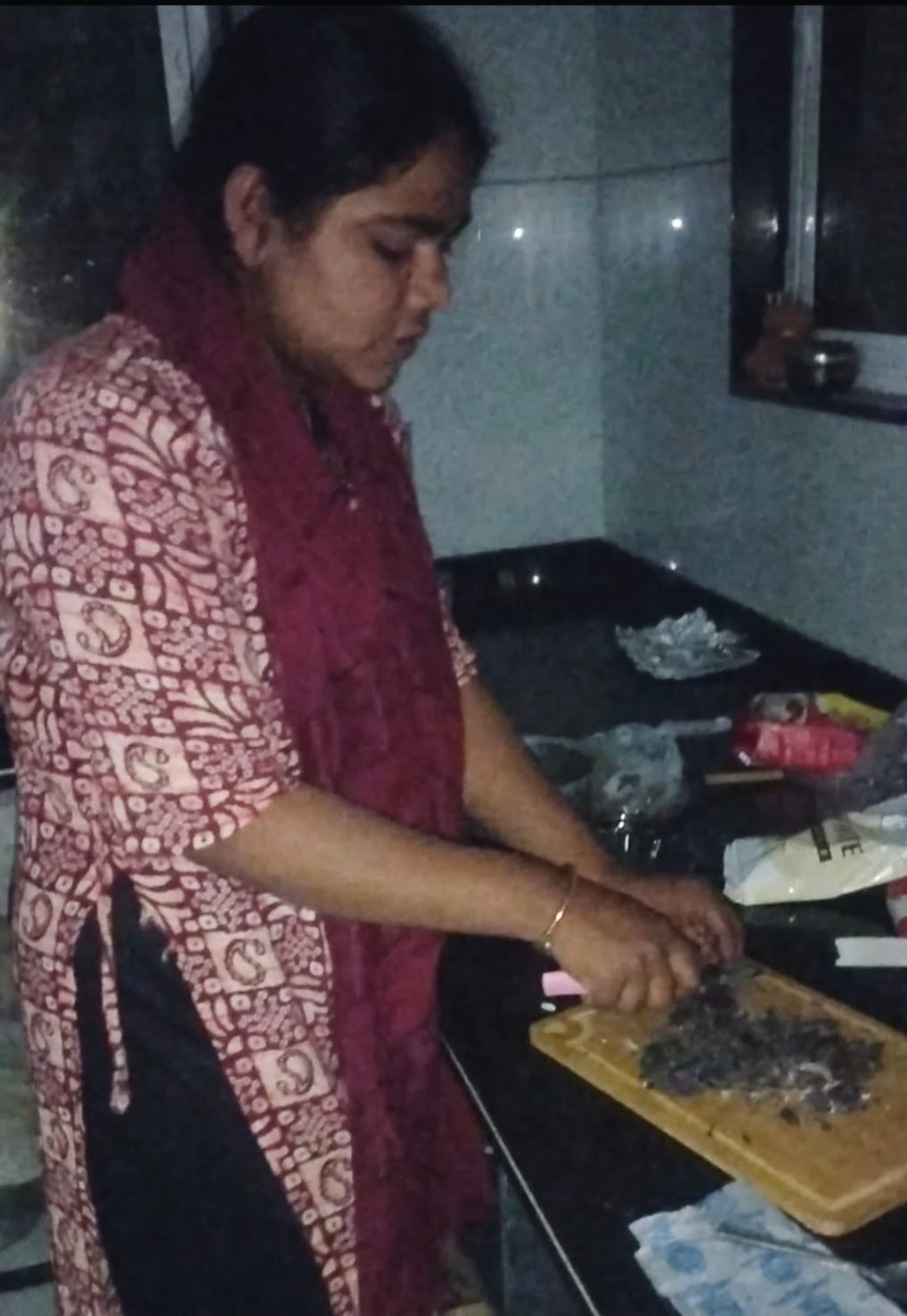 Chopping of Mahua Flowers into smaller pieces | 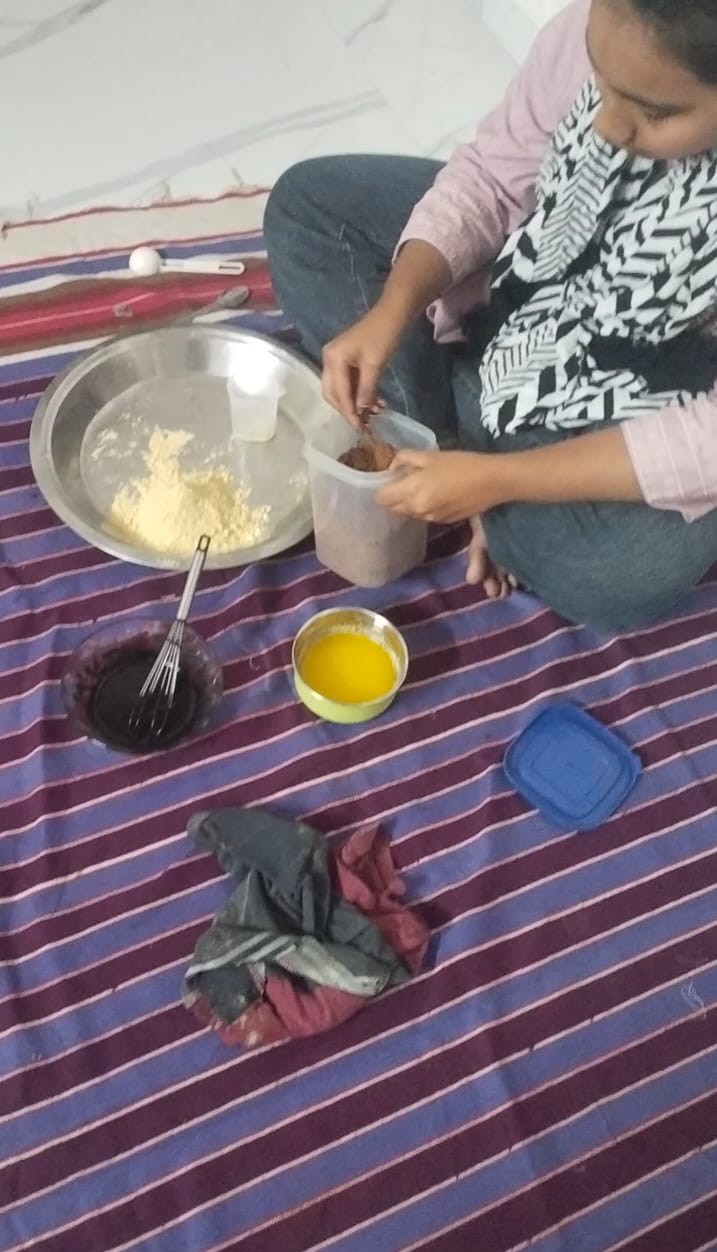 Making of mahua chcolate |
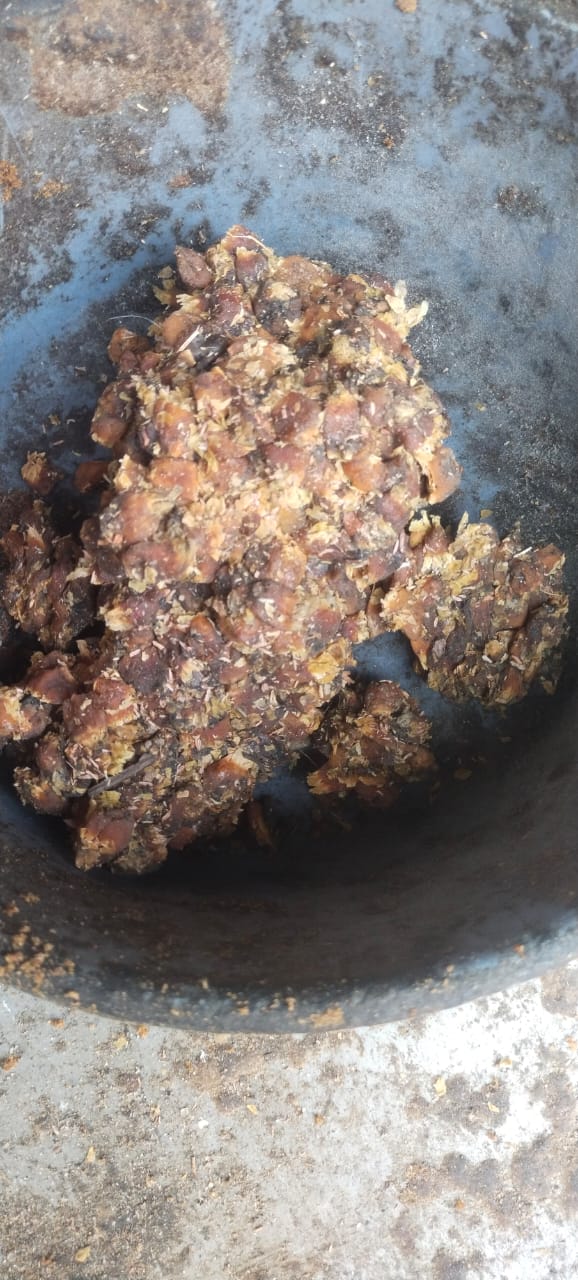 Raw Mahua Flowers | 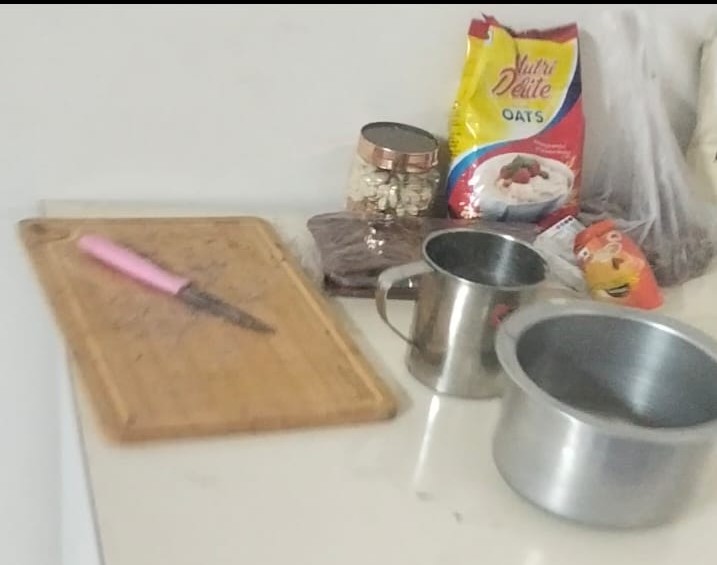 Oats, Cashew, Almonds - etc. material for chocolate |
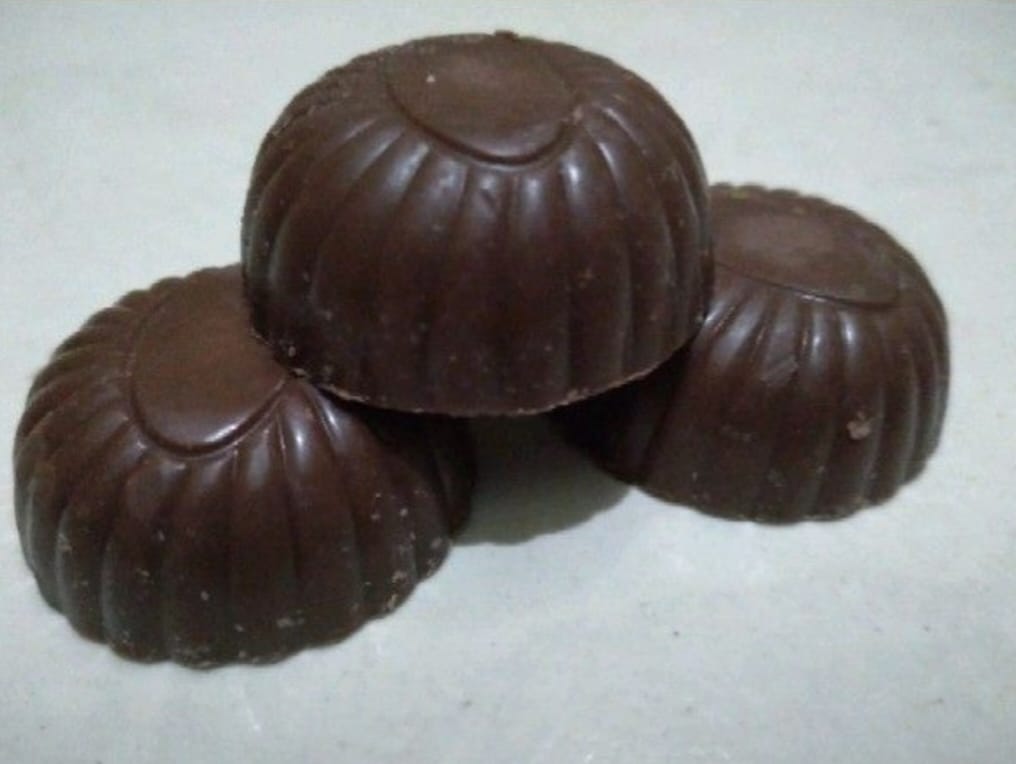 Dark Chocolate Prepared by students | 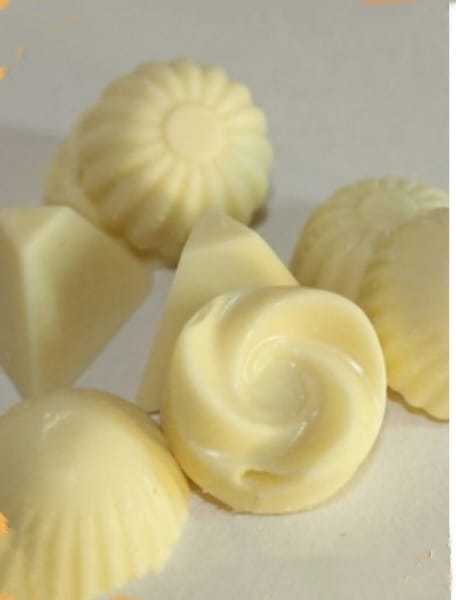 Mahua Milky chocolates prepared by students |
Attendance Sheet:
 |
 |