SHRI SHIVAJI SCIENCE COLLEGE, AMRAVATI
DBT STAR COLLEGE PROJECT ACTIVITY
ACTIVITY REPORT
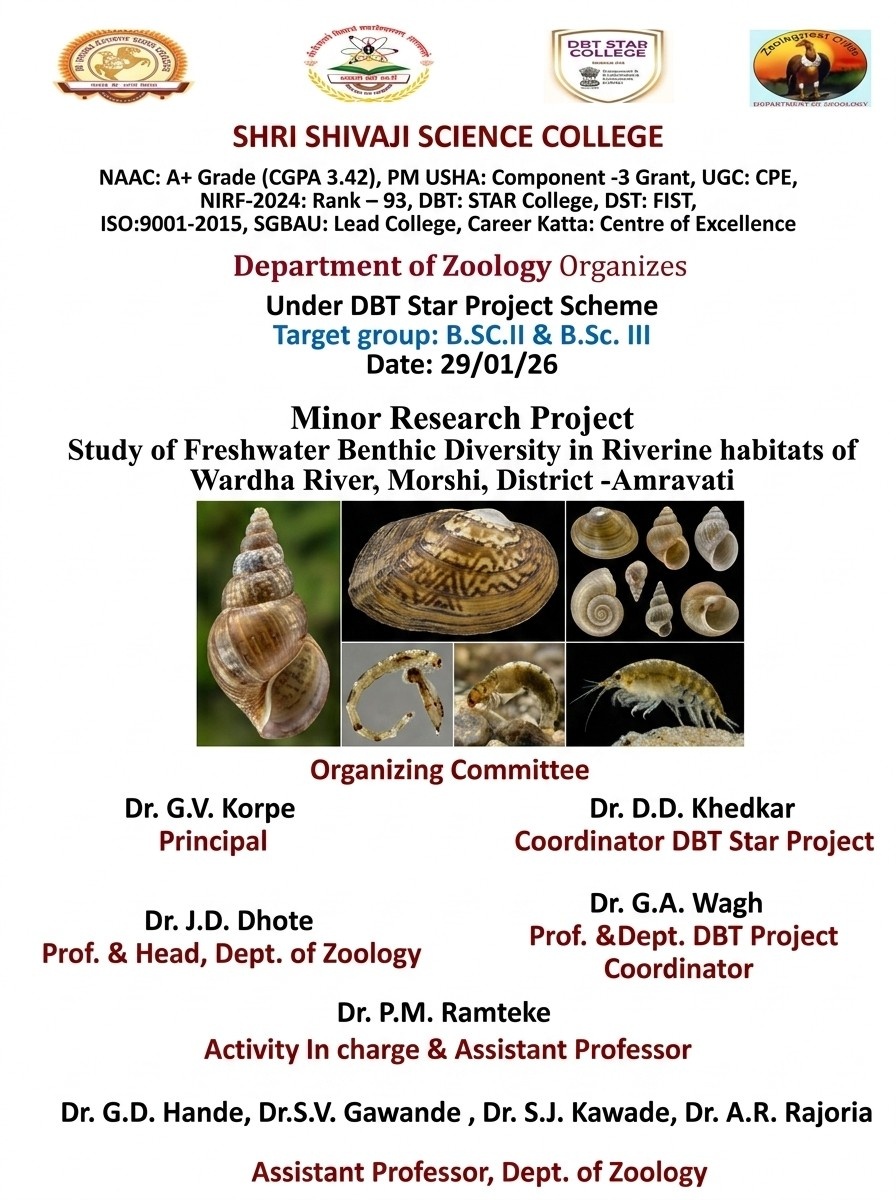
Study on Freshwater Benthic animals in Riverine habitats of Warda River, Morshi, District-Amravati
Activity Dates: 29 /01/ 2026
Type of Activity: Minor Research Project
Organizing Department: Department of Zoology
Program Coordinators: Dr. G. A. Wagh, Dr. P.M. Ramteke
Head of the Department: Dr. J. D. Dhote
External Collaborator (if any): -
Objectives:
- To assess the diversity and distribution of benthic macroinvertebrates.
- To identify molluscan species, present in the Wardha river ecosystem.
- To study associated macroinvertebrates including aquatic insects and arthropods.
- To classify selected species taxonomically.
- To evaluate ecological roles and bioindicator significance.
No of Beneficieries: 82
Classes Involved: B.Sc. II and B.Sc. III Students
Venue of the Activity: Wardha River
Activity Report:
Benthic organisms are those that inhabit the bottom substrates of aquatic ecosystems such as rivers, lakes, ponds, and reservoirs. These organisms form an integral component of freshwater ecosystems and include a wide diversity of macroinvertebrates such as molluscs, insect larvae, annelids, and crustaceans. Due to their relatively sedentary nature and sensitivity to environmental changes, benthic organisms are widely used as bioindicators for assessing water quality and ecological health.
The Wardha River, an important tributary of the Pranhita River within the Godavari basin, represents a dynamic freshwater ecosystem that supports a rich assemblage of benthic fauna. Originating in the Satpura Range near Multai in Madhya Pradesh, the river flows southward into Maharashtra and continues for a total length of approximately 528 km. Along its course, it provides diverse habitats characterized by varying substrate types such as sandy and muddy bottoms, as well as aquatic vegetation, which collectively support a wide range of benthic organisms.
The present study was conducted to document the diversity, classification, and ecological roles of benthic macroinvertebrates in the Wardha River, with particular emphasis on molluscs and selected associated fauna such as insect larvae, spiders, dragonflies, and aquatic beetles. The study also aimed to assess water quality through bioindicator species and to understand ecological interactions within the benthic environment.
Study Area and Methodology
The study site consisted of a freshwater stretch of the Wardha River characterized by shallow zones, soft sediments, and aquatic vegetation. These features provide ideal habitats for benthic organisms. A combination of standard sampling techniques was employed to collect representative samples of benthic fauna. The Ekman dredge and manual hand collection methods were used to sample organisms from deeper and accessible zones, respectively. Kick sampling was applied in shallow regions to dislodge organisms from substrates.
Collected samples were sieved using a 0.5 mm mesh to separate macroinvertebrates from sediment debris. The specimens were preserved in 70% ethanol to maintain their morphological integrity for further analysis. Identification was carried out using standard morphological keys, focusing on features such as shell structure in molluscs, body segmentation in annelids, and appendages in arthropods.
Benthic Diversity with Emphasis on Molluscs
The study revealed that molluscs were the dominant group within the benthic community of the Wardha River. Both gastropods and bivalves were well represented, indicating a stable and
productive aquatic environment. Common gastropods observed included Lymnaea (freshwater snail), Pila globosa (apple snail), and Melanoides, while the bivalve Lamellidens marginalis was also recorded.
Gastropods were primarily found in shallow, vegetated areas where they grazed on algae and detritus using a specialized feeding organ called the radula. Their presence indicates the availability of organic matter and primary productivity. Lymnaea, for example, plays a significant role in nutrient recycling and also acts as a bioindicator species. Additionally, it contributes to sediment mixing through bioturbation and serves as an intermediate host for certain parasitic organisms.
Pila globosa, a large apple snail, is an important member of the benthic ecosystem, contributing to algal control and organic matter decomposition. Similarly, Melanoides inhabits bottom sediments and aids in nutrient cycling and sediment aeration. Its adaptability also makes it useful as an indicator of environmental conditions.
Bivalves such as Lamellidens marginalis were found buried in soft sediments, where they function as filter feeders. By filtering suspended particles and microorganisms from the water column, they play a critical role in water purification. Their presence is often associated with relatively clean water conditions and stable habitats.
Associated Benthic and Semi-Aquatic Fauna
In addition to molluscs, a variety of other macroinvertebrates were observed, including insect larvae, arthropods, and semi-aquatic organisms. Among these, insect larvae constituted a major portion of the benthic community. Notably, the larval stage of the dragonfly Crocothemis erythraea was recorded. These nymphs are aquatic and inhabit bottom sediments, where they act as active predators using specialized mouthparts to capture prey.
Dragonfly nymphs play a crucial ecological role by controlling populations of mosquito larvae and other small aquatic organisms. Their presence is generally associated with good water quality, as they are sensitive to pollution and require well-oxygenated environments.
The study also included observations of Hippasa spiders, which are semi-aquatic and commonly found near water bodies. Although not strictly benthic, these spiders are closely associated with aquatic habitats and contribute to ecological balance by preying on insects. Their presence highlights the connectivity between terrestrial and aquatic ecosystems.
Water striders, belonging to the family Gerridae, were also recorded. These insects are surface dwellers (neutronic organisms) rather than true benthic forms. They utilize hydrophobic legs to move across the water surface and feed on trapped insects. Despite not inhabiting the bottom, they play an important role in linking surface and aquatic food webs and can serve as indicators of relatively undisturbed habitats.
Results and Observations
The study revealed a diverse and functionally rich benthic community in the Wardha River. Molluscs, particularly gastropods, were the dominant group, reflecting suitable environmental conditions such as organic matter availability and stable substrates. Insect larvae formed the largest group among macroinvertebrates, indicating high biological productivity.
The presence of pollution-sensitive taxa such as mayflies and caddisflies suggested good water quality in certain areas. These organisms typically require high dissolved oxygen levels and are absent in polluted environments. Conversely, the occurrence of pollution-tolerant organisms such as Tubifex worms and chironomid larvae indicated localized organic pollution in some regions. Predatory organisms such as dragonfly nymphs and aquatic beetles were also observed, indicating a well-developed trophic structure and active ecological interactions within the benthic community.
Several environmental factors were found to influence benthic diversity, including substrate type, water depth, dissolved oxygen levels, and organic matter content. Sandy and muddy substrates supported different assemblages of organisms, while areas with higher oxygen levels exhibited greater species diversity.
Ecological Significance
Benthic macroinvertebrates play a vital role in maintaining the structure and function of aquatic ecosystems. One of their primary roles is in nutrient cycling, where they decompose organic matter and facilitate the release of nutrients back into the ecosystem. This process supports primary productivity and sustains the aquatic food web.
These organisms also serve as a critical food source for higher trophic levels, including fish, amphibians, and birds. By forming a link between primary producers and higher consumers, they contribute to energy transfer within the ecosystem.
Another important function of benthic organisms is sediment aeration. Through activities such as burrowing and feeding, they enhance the physical and chemical properties of the substrate, improving habitat conditions for other organisms.
Perhaps most importantly, benthic macroinvertebrates are widely used as bioindicators of water quality. Their presence, absence, or abundance can provide valuable information about environmental conditions and pollution levels. For instance, the presence of dragonfly larvae indicates clean and oxygen-rich water, while the dominance of Tubifex worms suggests organic pollution.
Conclusion
The study successfully documented the diversity of benthic macroinvertebrates in the Wardha River and provided insights into their ecological roles and environmental significance. Key outcomes included the identification and classification of major species, understanding their functional roles, and assessing water quality using bioindicator species.
The findings highlight that the Wardha River supports a rich and diverse benthic community, with molluscs forming the backbone of the ecosystem. The coexistence of pollution-sensitive and tolerant species suggests spatial variation in water quality, indicating the need for continuous monitoring and management. The inclusion of semi-aquatic organisms such as spiders and water striders emphasizes the ecological connectivity between aquatic and terrestrial habitats. Such interactions are essential for maintaining ecosystem stability and resilience.
In conclusion, benthic macroinvertebrates serve as reliable indicators of environmental health and are indispensable for the functioning of freshwater ecosystems. Conservation efforts should focus on minimizing pollution, protecting benthic habitats, and promoting sustainable management practices. Continued research and monitoring are essential to preserve the biodiversity and ecological integrity of riverine ecosystems like the Wardha River.
Outcomes:
- Documentation of benthic biodiversity in wardha river
- Identification and classification of key species
- Understanding of ecological roles of molluscs and macroinvertebrates
- Assessment of water quality using bioindicators
- Enhanced practical knowledge of sampling and identification
Photos:
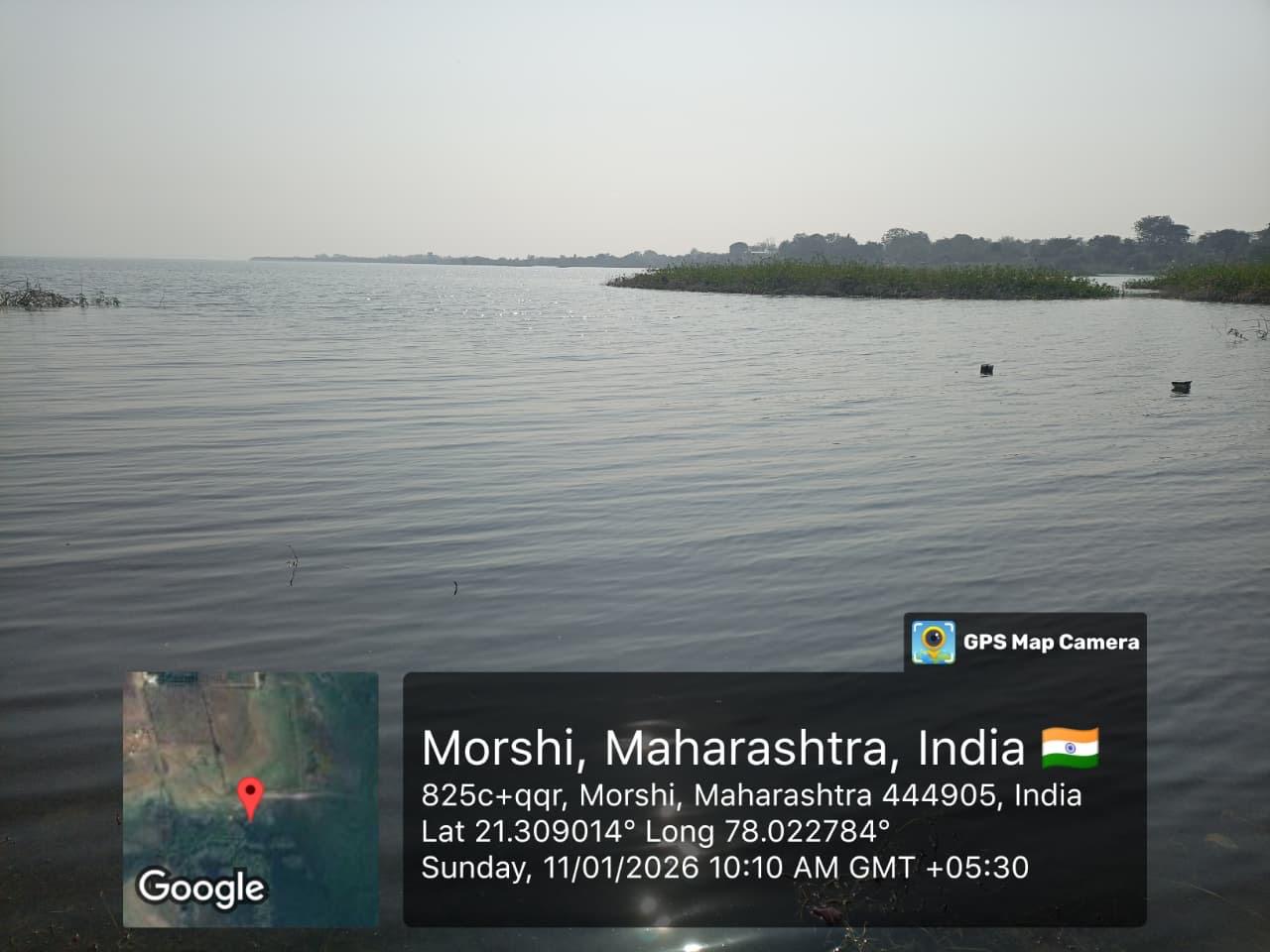 Beneath these calm reflections lies a thriving benthic community. The stable, sandy substrate of the Wardha River provides a perfect habitat for bottom-dwelling organisms to flourish. | 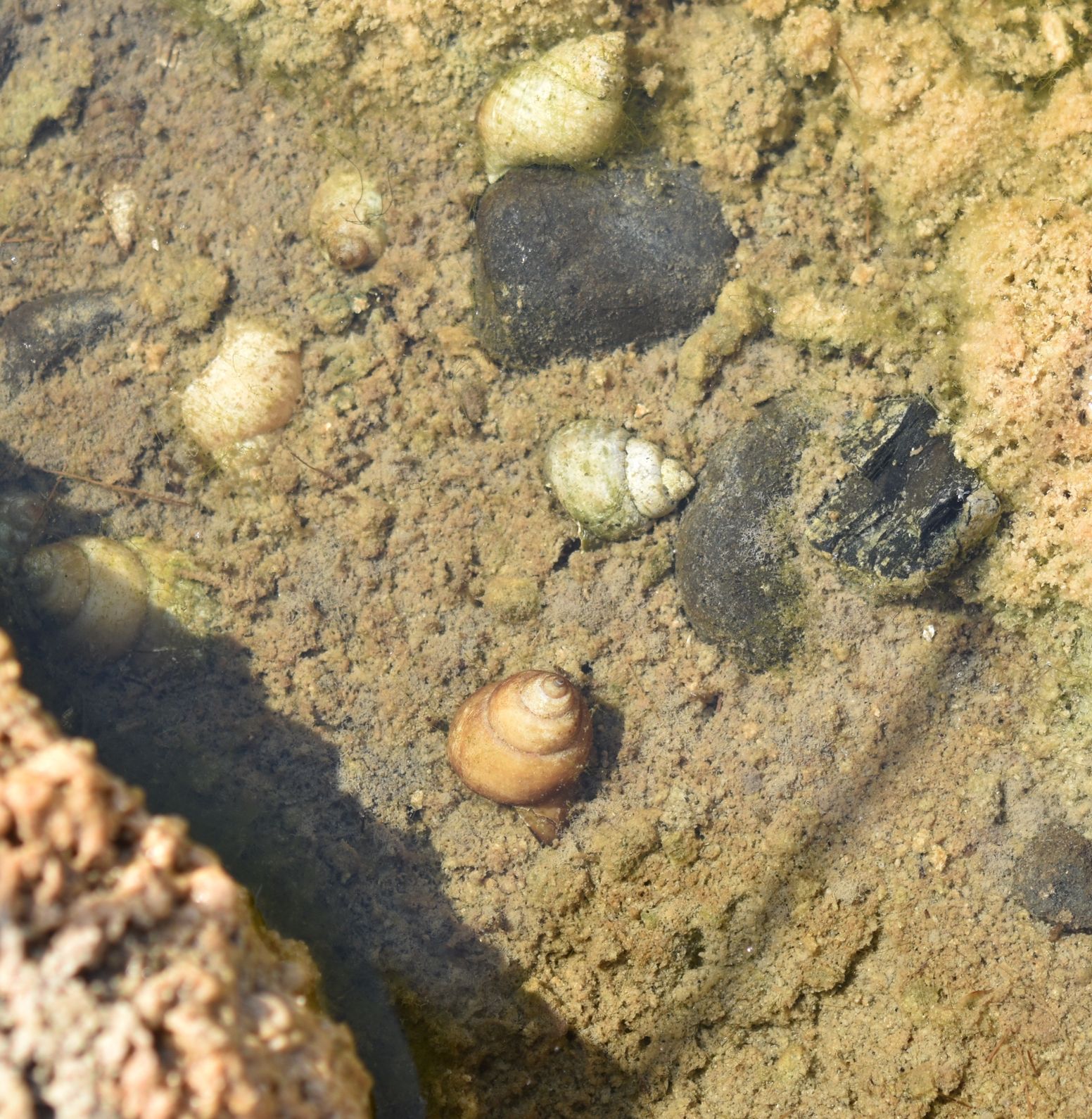 Benthic zone of the river depicting substrate composition (sand, silt, and organic matter) along with associated macro-invertebrate fauna used for ecological assessment |
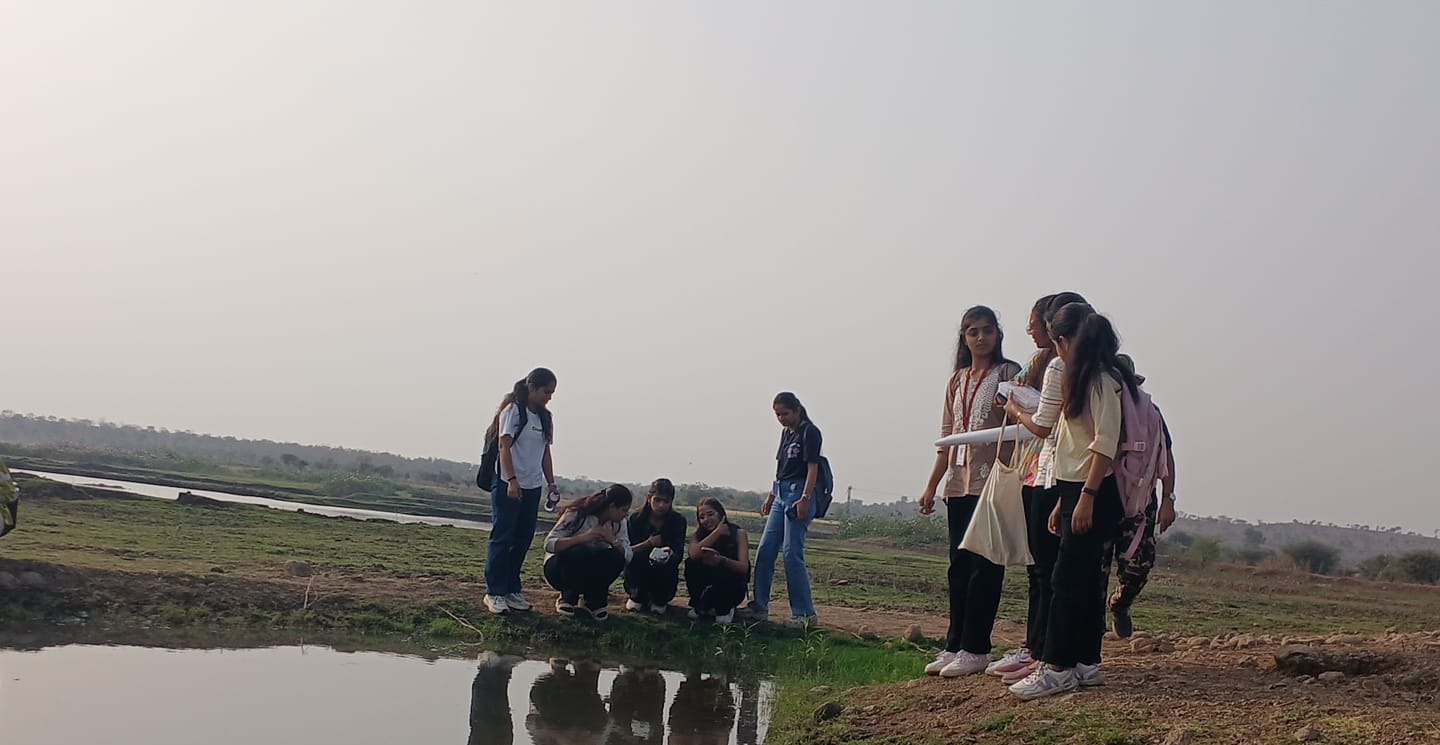 Where the water meets the shore: a crucial transition zone for benthic diversity. These shallow margins are nurseries for macro-invertebrates that sustain the entire river ecosystem. | 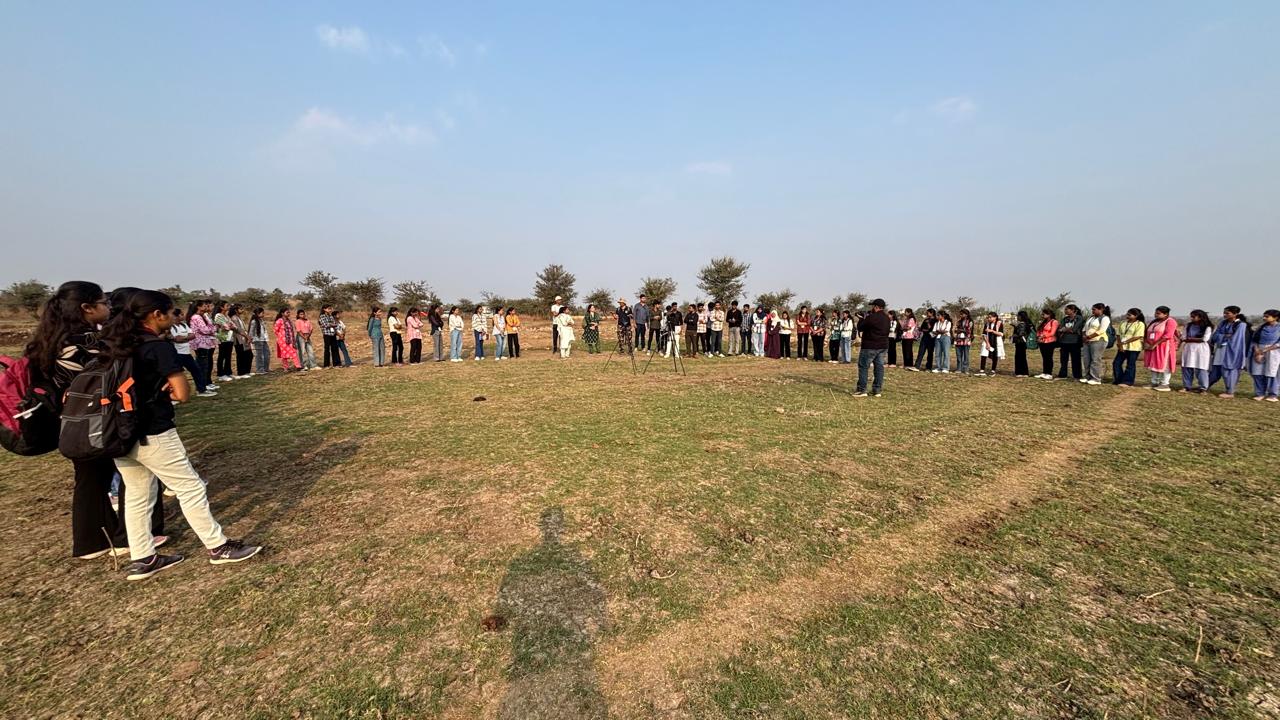 Team Briefing and On-site Analysis in a Dry Floodplain |
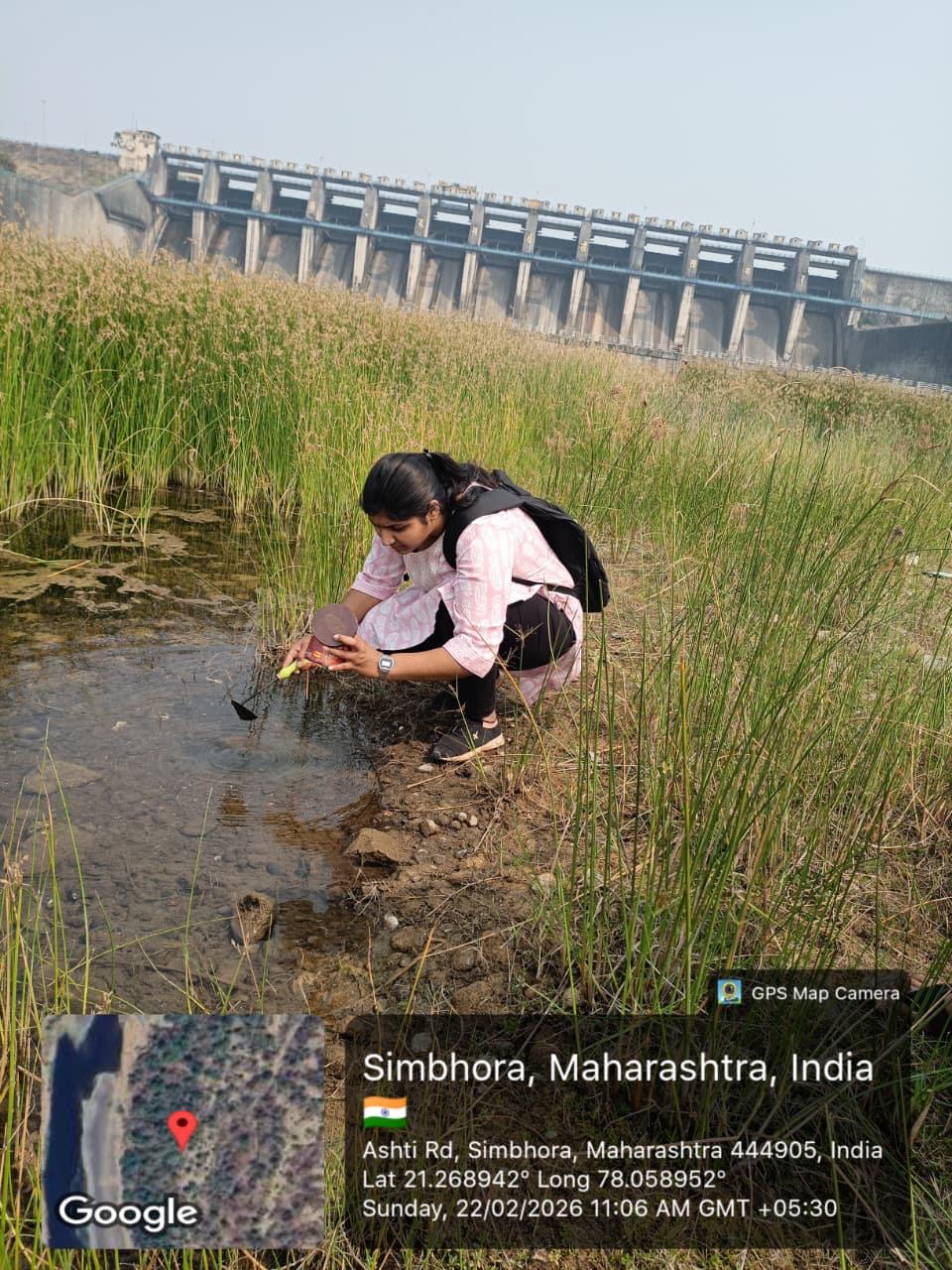 This photograph captures the active sampling process near the massive Upper Wardha Dam in Simbhora. |  Representative Benthic Micro-habitats and Associated Macro-biota of the Wardha River (Morshi, Amravati). |
Attendance Sheet:
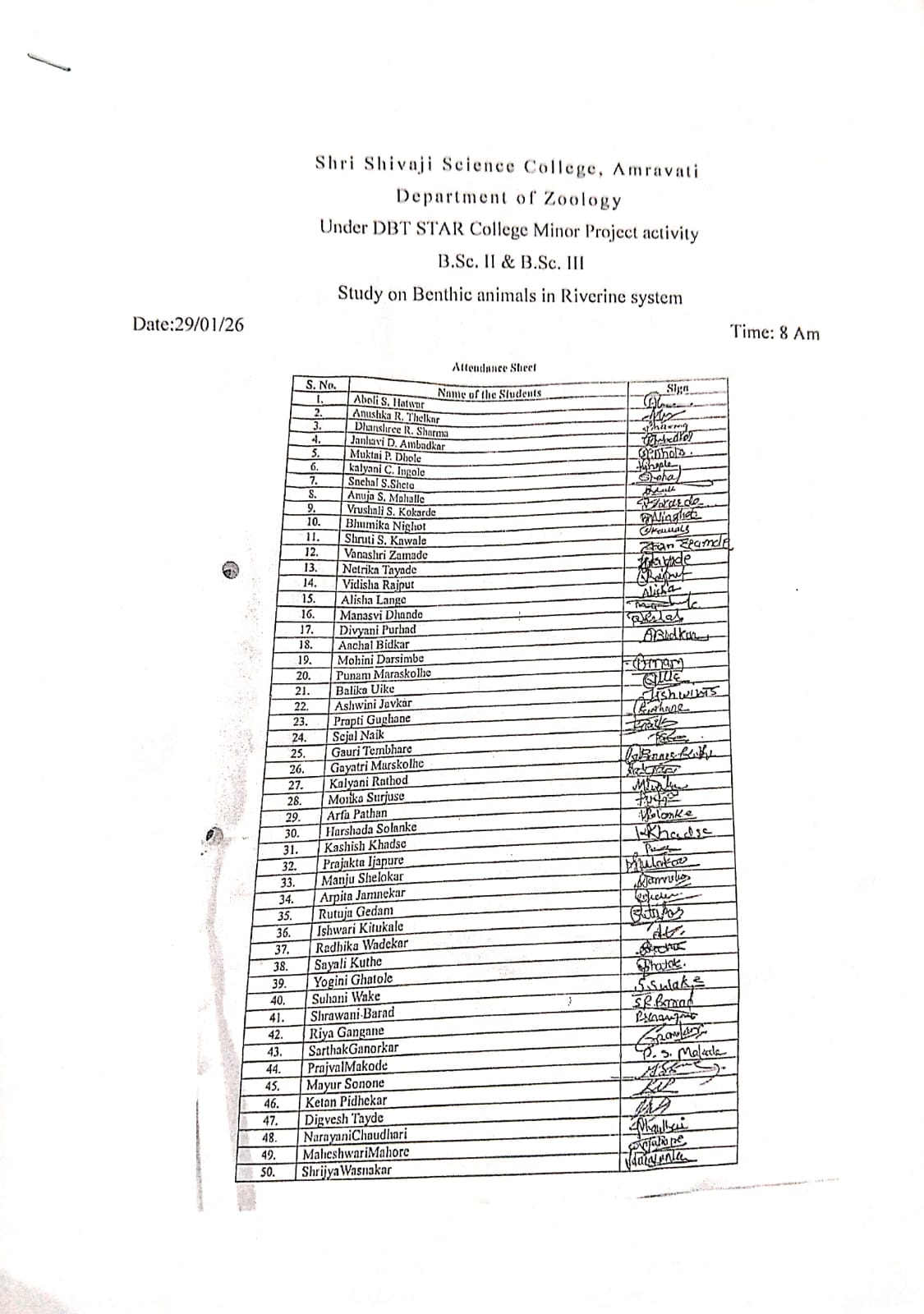 Sheet |
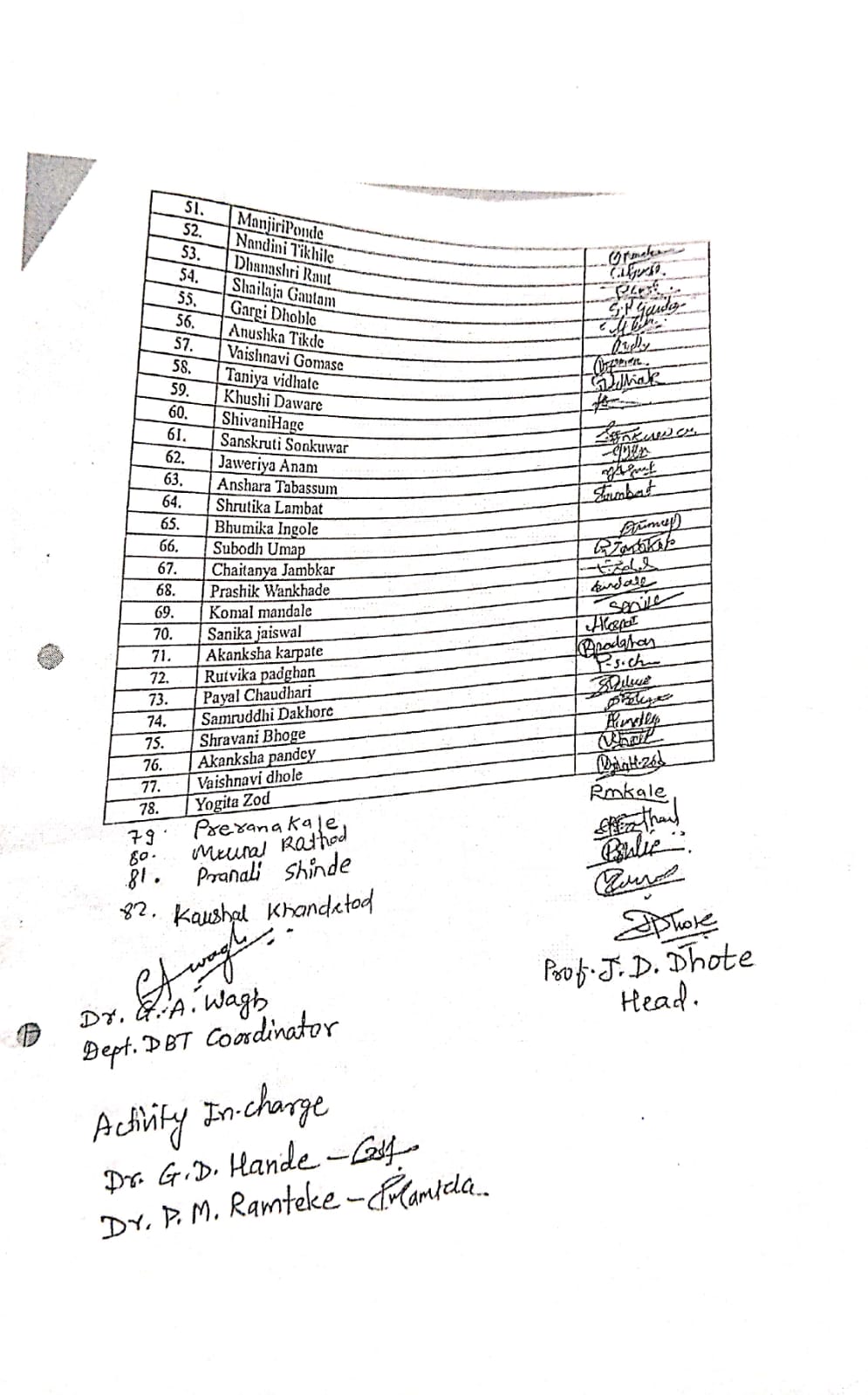 Sheet |