SHRI SHIVAJI SCIENCE COLLEGE, AMRAVATI
DBT STAR COLLEGE PROJECT ACTIVITY
ACTIVITY REPORT
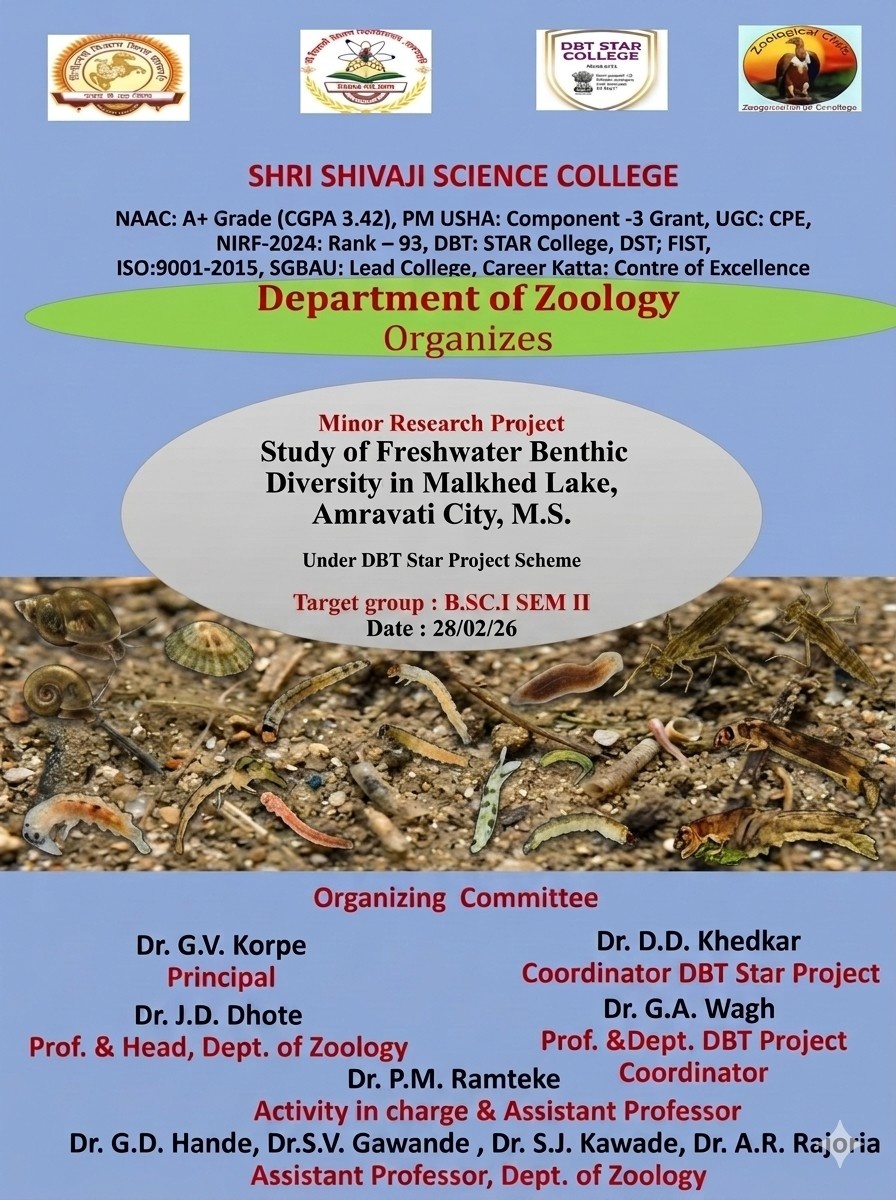
Study of Freshwater Benthic Diversity in Malkhed Lake, Amravati City, M.S.
Activity Dates: 28th February 2026
Type of Activity: Minor Research Project
Organizing Department: Department of Zoology
Program Coordinators: Dr. G. A. Wagh, Dr. P.M. Ramteke
Head of the Department: Dr. J. D. Dhote
External Collaborator (if any): -
Objectives:
- To study the aquatic ecosystem of a freshwater wetland.
- To observe producers, consumers, and decomposers in the lake ecosystem.
- To understand the food chain and food web relationships among aquatic organisms.To observe producers, consumers, and decomposers in the lake ecosystem
- To identify benthic macro and micro-Invertebrates present in the lake.
- To understand ecological interactions among different trophic levels
No of Beneficieries: 50
Classes Involved: B.Sc. I Students Sem II
Venue of the Activity: Sawanga Fresh Water Lake Amravati
Activity Report:
Minor Research Project related field visit was organized by the Department of Zoology, Shri Shivaji Science College, for B.Sc. II Semester IV students, as part of their practical curriculum, as well as under the DBT Star Project Scheme. The primary aim of this visit was to study the structure, functioning, and ecological dynamics of a natural freshwater wetland ecosystem at Sawanga Lake near Amravati. Field-based ecological studies are an essential component of environmental education, as they provide students with direct exposure to natural habitats and ecological processes. Such experiential learning helps bridge the gap between theoretical concepts taught in classrooms and real-world ecological interactions.
Wetlands are among the most productive ecosystems on Earth, characterized by high biodiversity and complex ecological processes. They support a wide array of life forms, including microorganisms, aquatic plants, invertebrates, fish, amphibians, reptiles, and birds. These ecosystems play a vital role in maintaining ecological balance by facilitating nutrient cycling, supporting food chains and food webs, regulating water quality, and buffering environmental changes. The visit aimed to provide students with a comprehensive understanding of both biotic and abiotic components of a wetland ecosystem, with special emphasis on plankton diversity, benthic organisms, and trophic relationships.
Sawanga Lake represents a natural freshwater wetland ecosystem that supports rich biodiversity and serves as an important ecological habitat. The ecosystem consists of various abiotic factors such as water, sediments, sunlight, temperature, dissolved oxygen, and nutrients, all of which influence the distribution and survival of organisms. Alongside these are the biotic components, including aquatic vegetation, animals, and microorganisms that interact in a dynamic ecological framework.
The vegetation of the lake is diverse and includes submerged plants such as Hydrilla, floating plants such as Lemna, and emergent plants such as Typha. These plants play a crucial role in maintaining ecological stability by providing food, shelter, and breeding grounds for various aquatic organisms. Aquatic vegetation also contributes to oxygen production, nutrient uptake, and sediment stabilization, thereby enhancing overall ecosystem productivity.
The lake ecosystem is broadly divided into two major zones: the pelagic zone and the benthic zone. The pelagic zone represents the open water region where sunlight penetrates, allowing photosynthesis to occur. This zone supports planktonic organisms, including phytoplankton and zooplankton, as well as free-swimming organisms like fish. In contrast, the benthic zone is the bottom region of the lake, consisting of sediments that provide habitat for organisms living on or within the substrate. These zones create distinct ecological niches that support a wide variety of organisms and interactions.
During the visit, significant observations were made regarding the diversity of benthic macroinvertebrates. The benthic zone was found to be rich in organisms that play an important role in decomposition, nutrient recycling, and maintaining ecological balance. Molluscan shells were observed, indicating the presence of freshwater snails and bivalves. These organisms function as filter feeders, helping to purify water by removing suspended particles and organic matter.
Mayfly larvae were also identified in the benthic region. These organisms are highly sensitive to pollution and are widely recognized as bioindicators of clean water. Their presence suggests good water quality and indicates that the lake ecosystem is relatively unpolluted. Additionally, Paederus beetles were observed, which are predatory insects feeding on smaller invertebrates. These beetles help regulate populations of other organisms and contribute to maintaining ecological balance. Some species of Paederus are also considered indicators of environmental health due to their sensitivity to habitat changes.
Aquatic beetles were another important group observed during the study. These insects are typically predators that feed on smaller organisms and play a significant role in controlling population dynamics within the ecosystem. Water mites, belonging to the class Arachnida, were also present. These organisms are aquatic predators that feed on small invertebrates or their eggs and are used as bioindicators of water quality. Collectively, these benthic organisms contribute to the breakdown of organic matter and nutrient cycling, which are essential for sustaining ecosystem productivity.
The study of plankton communities formed another important aspect of the field visit. Plankton are microscopic organisms that drift in water and form the foundation of the aquatic food chain. They are broadly classified into phytoplankton and zooplankton. Phytoplankton are photosynthetic organisms that utilize sunlight, carbon dioxide, and nutrients to produce organic matter through photosynthesis. They serve as primary producers and are responsible for oxygen production and energy flow within the ecosystem. The observation of various algae and cyanobacteria indicated that the lake is nutrient-rich and biologically productive.
Zooplankton, on the other hand, are heterotrophic organisms that feed on phytoplankton. They act as primary consumers and play a crucial role in transferring energy from producers to higher trophic levels. The observed zooplankton included protozoans, rotifers, and crustacean larvae. These organisms are essential components of the food chain, as they serve as food for fish and other aquatic animals. The presence of both phytoplankton and zooplankton indicates a balanced and functional ecosystem with efficient energy transfer.
A simple grazing food chain was observed during the study, illustrating the flow of energy within the ecosystem: phytoplankton are consumed by zooplankton, which are then eaten by fish, and ultimately by birds. This food chain represents the transfer of energy from primary producers to higher trophic levels. Although simplified, it highlights the fundamental ecological principle of energy flow. In reality, aquatic ecosystems are characterized by complex food webs with multiple interconnected pathways, which enhance ecosystem stability and resilience.
The ecological significance of wetlands like Sawanga Lake is immense. These ecosystems play a critical role in biodiversity conservation by providing habitat for a wide range of species. They support both resident and migratory organisms, making them important ecological hotspots. Wetlands are also essential for nutrient cycling, as they facilitate the decomposition of organic matter and the recycling of nutrients necessary for ecosystem productivity.
Another important function of wetlands is water purification. They act as natural filters by trapping sediments, absorbing nutrients, and removing pollutants from water. This improves water quality and makes it suitable for various ecological and human uses. Wetlands also provide habitat and breeding grounds for aquatic organisms and birds, contributing to the sustainability of wildlife populations.
In addition, wetlands play a significant role in flood regulation by storing excess water during heavy rainfall and releasing it gradually, thereby reducing the risk of floods. They also contribute to climate regulation by sequestering carbon and maintaining local microclimatic conditions. These ecological services highlight the importance of conserving wetland ecosystems amid increasing environmental degradation and human activities.
In Conclusion: The field visit to Sawanga Lake provided valuable insights into the structure and functioning of a freshwater wetland ecosystem. The study of benthic organisms, plankton communities, and ecological interactions helped students understand the complexity and importance of these ecosystems. The presence of diverse flora and fauna, including bioindicator species, reflects the lake's ecological health. Such minor research project-related field-based studies are essential for developing scientific understanding, environmental awareness, and a sense of responsibility toward conservation. The visit successfully demonstrated the ecological significance of wetlands and emphasized the need for their protection and sustainable management.
Outcomes:
- Understanding the structure and functioning of freshwater ecosystems.
- Identification and classification of planktonic and benthic organisms.
- Knowledge of food chains, food webs, and ecological interactions.
- Awareness about the ecological importance of wetlands.
- Development of observation, sampling, and analytical skills.
Photos:
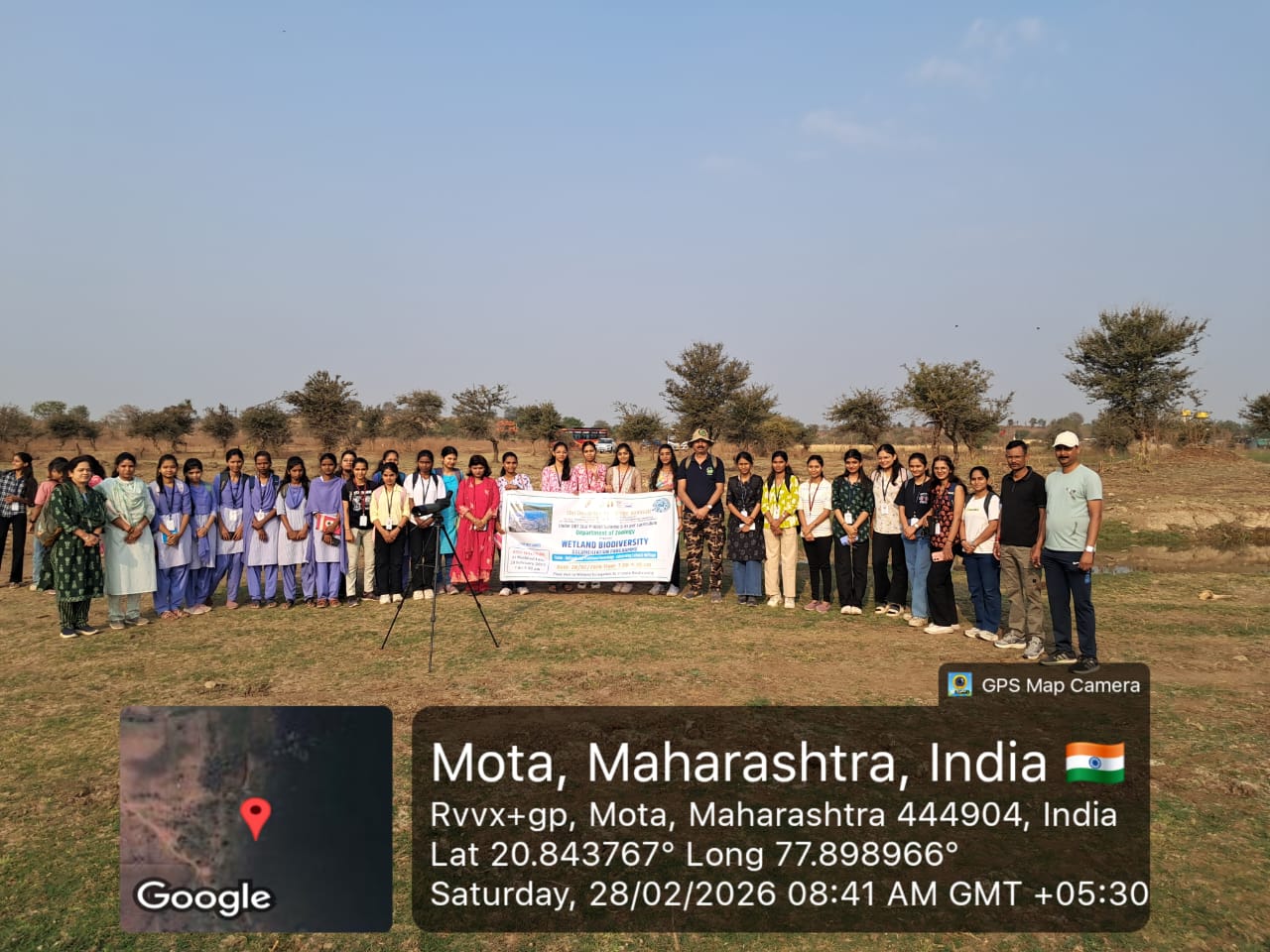 Zoology Minor Research Project regarding Field Study: Assessing Benthic Biodiversity at Malkhed Lake. | 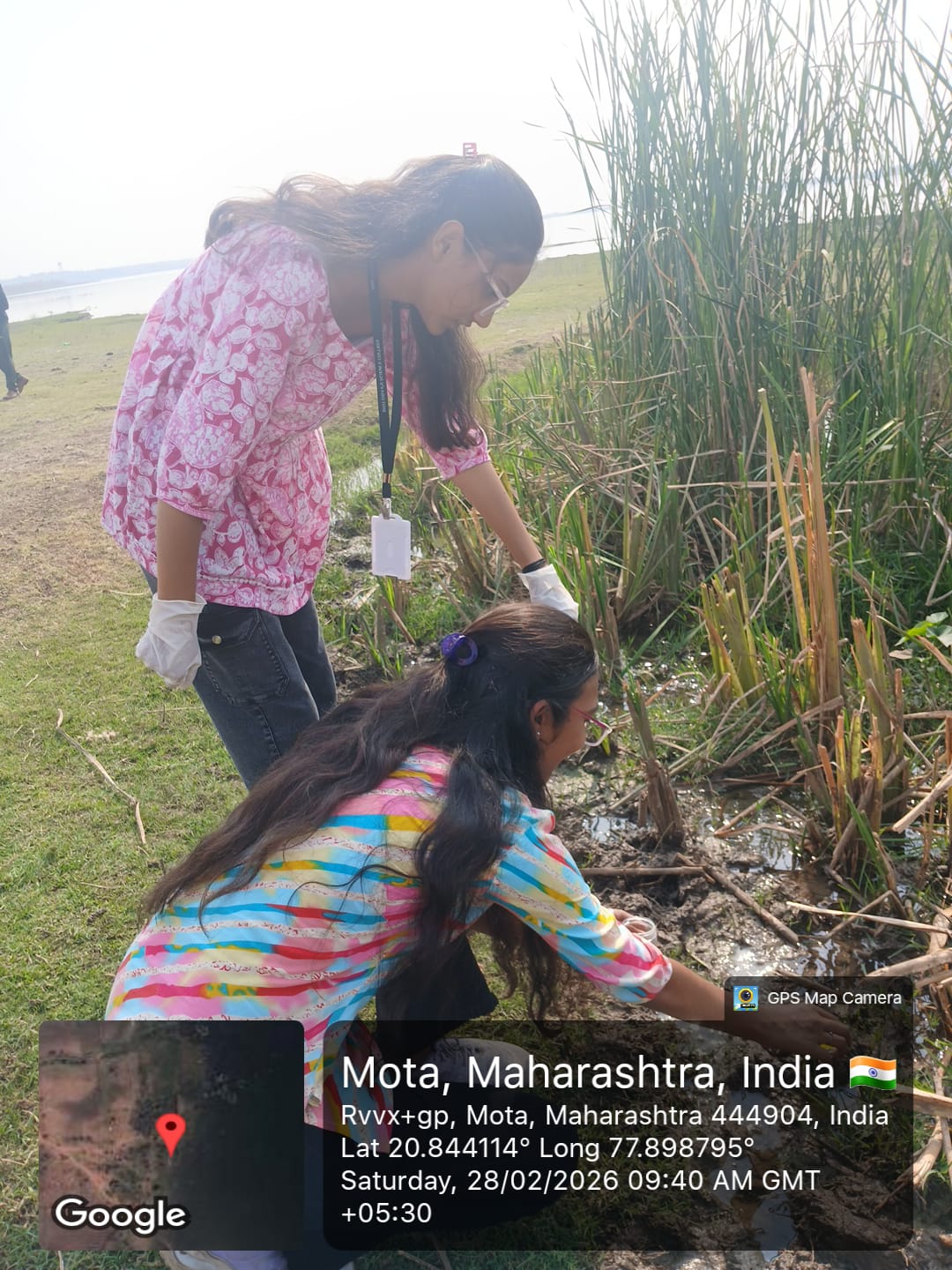 a freshwater gastropod (snail) collected from the mudflat. As a key component of benthic diversity, these mollusks serve as vital bio-indicators for the health and nutrient levels of the freshwater habitat. |
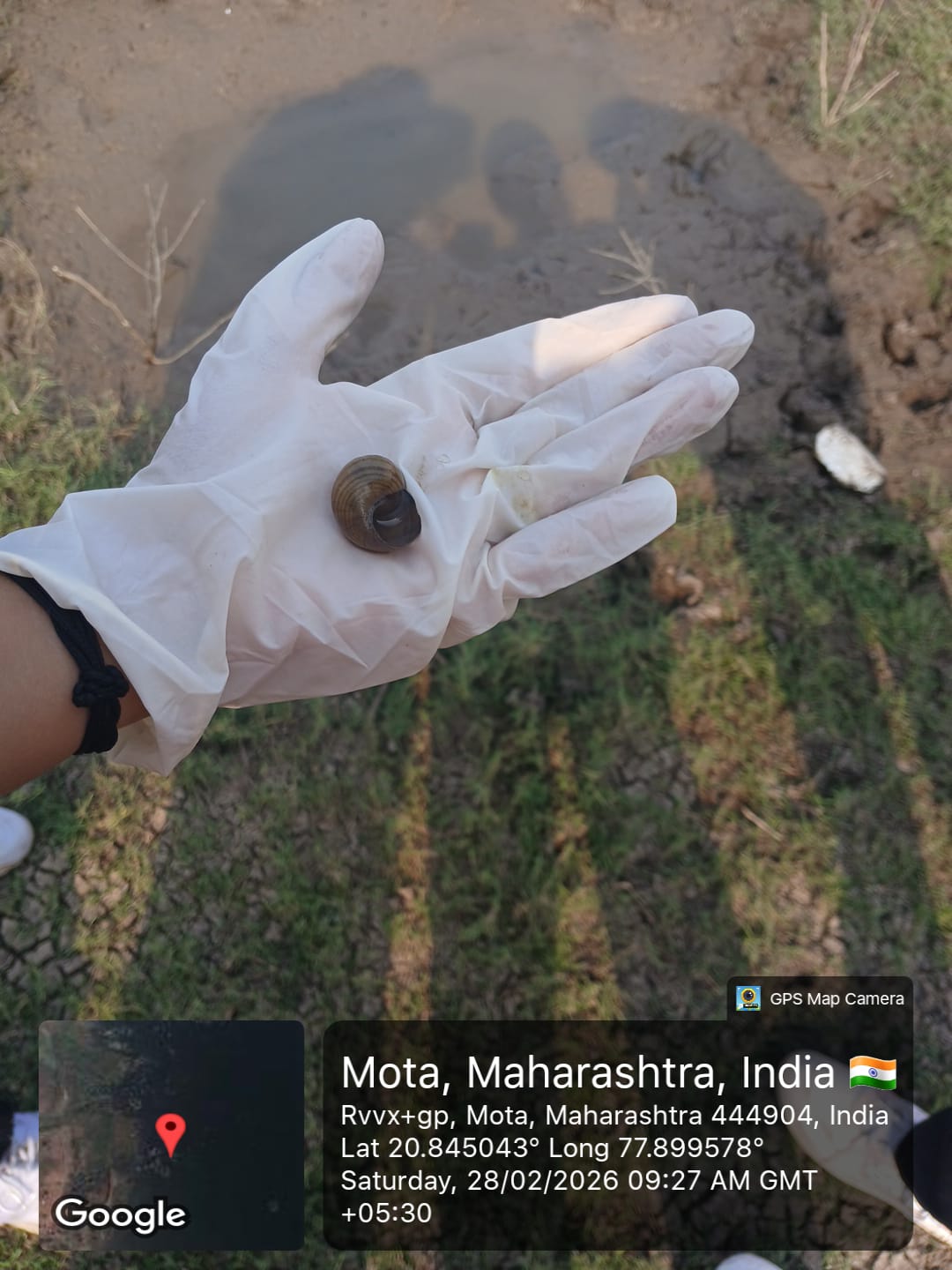 Students carefully extracting benthic organisms from the mudflats and submerged vegetation to study the micro-habitats within the ecosystem. | 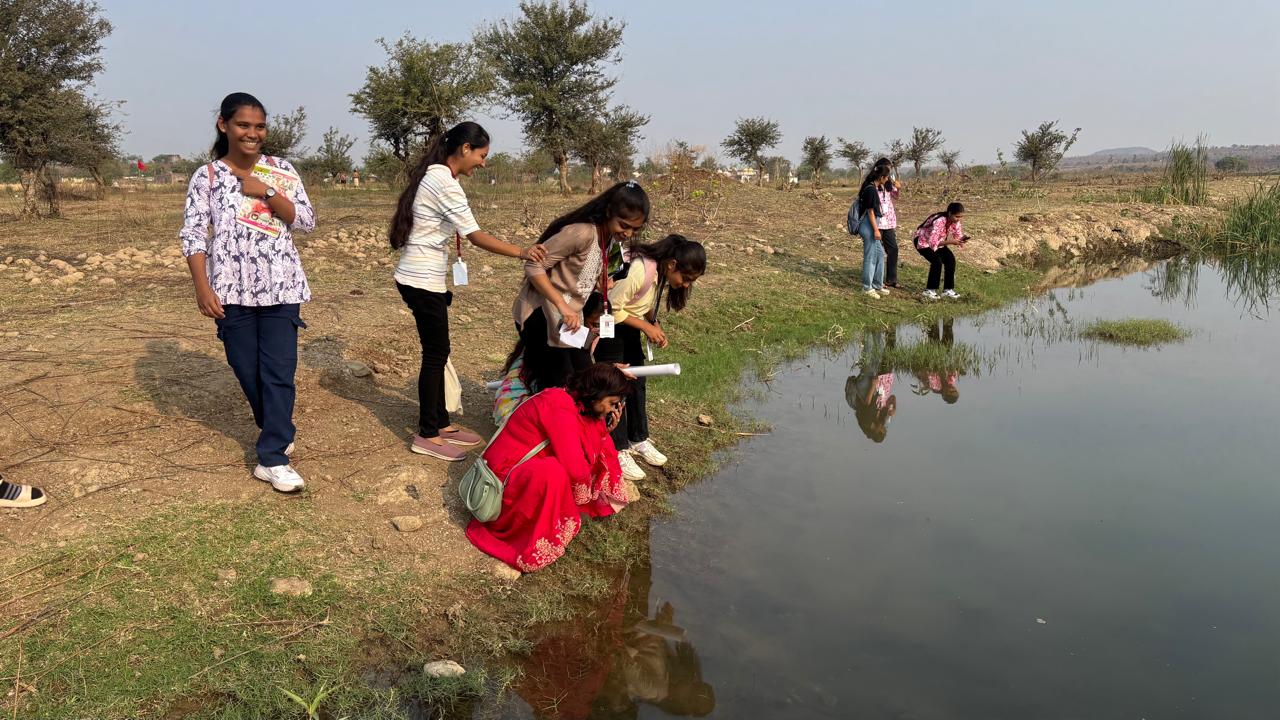 B.Sc. students conducting on-site practical studies of the freshwater wetland ecosystem and Benthic Macroinvertebrate Diversity at Sawanga Lake |
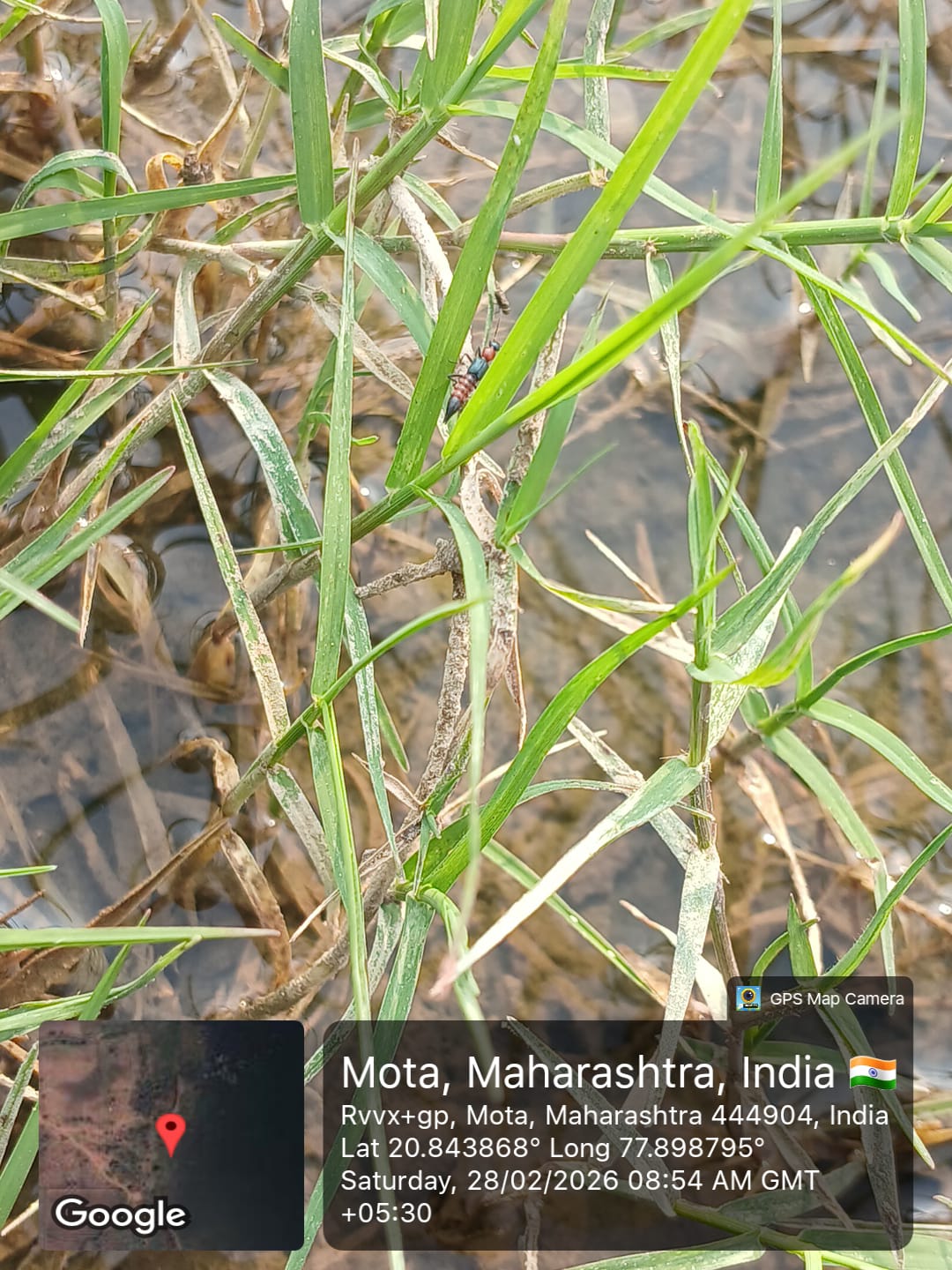 Students collecting sediment and water samples from the littoral zone of the lake | 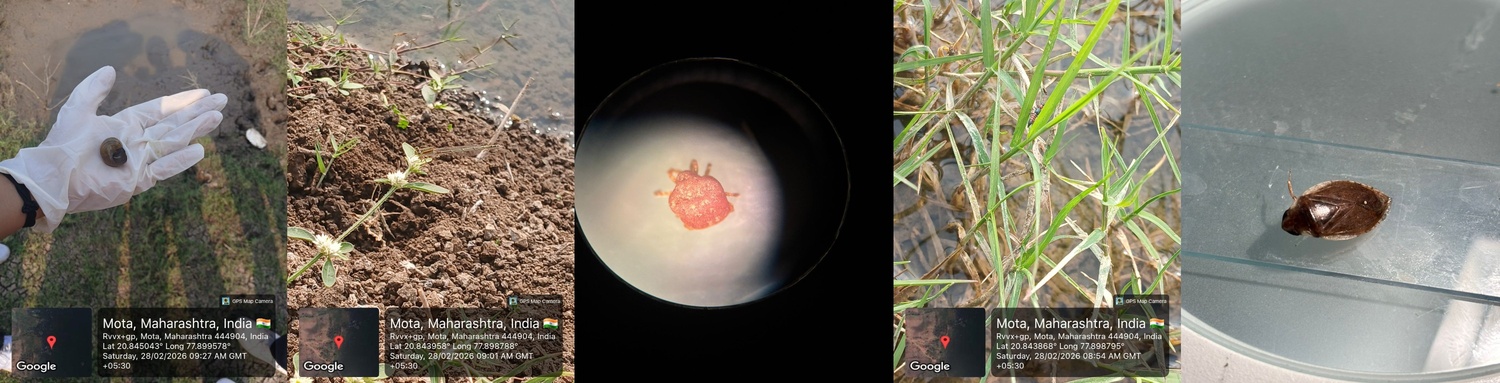 Exploring the benthic diversity of Sawanga Lake: this collection highlights key indicators of a healthy ecosystem, from primary consuming mollusks to predatory damselfly nymphs and littoral Paederus beetles. The presence of these micro and macro-communities, including aquatic mites and hemipterans, reflects a stable, nutrient-rich environment thriving across multiple functional feeding groups. |
Attendance Sheet:
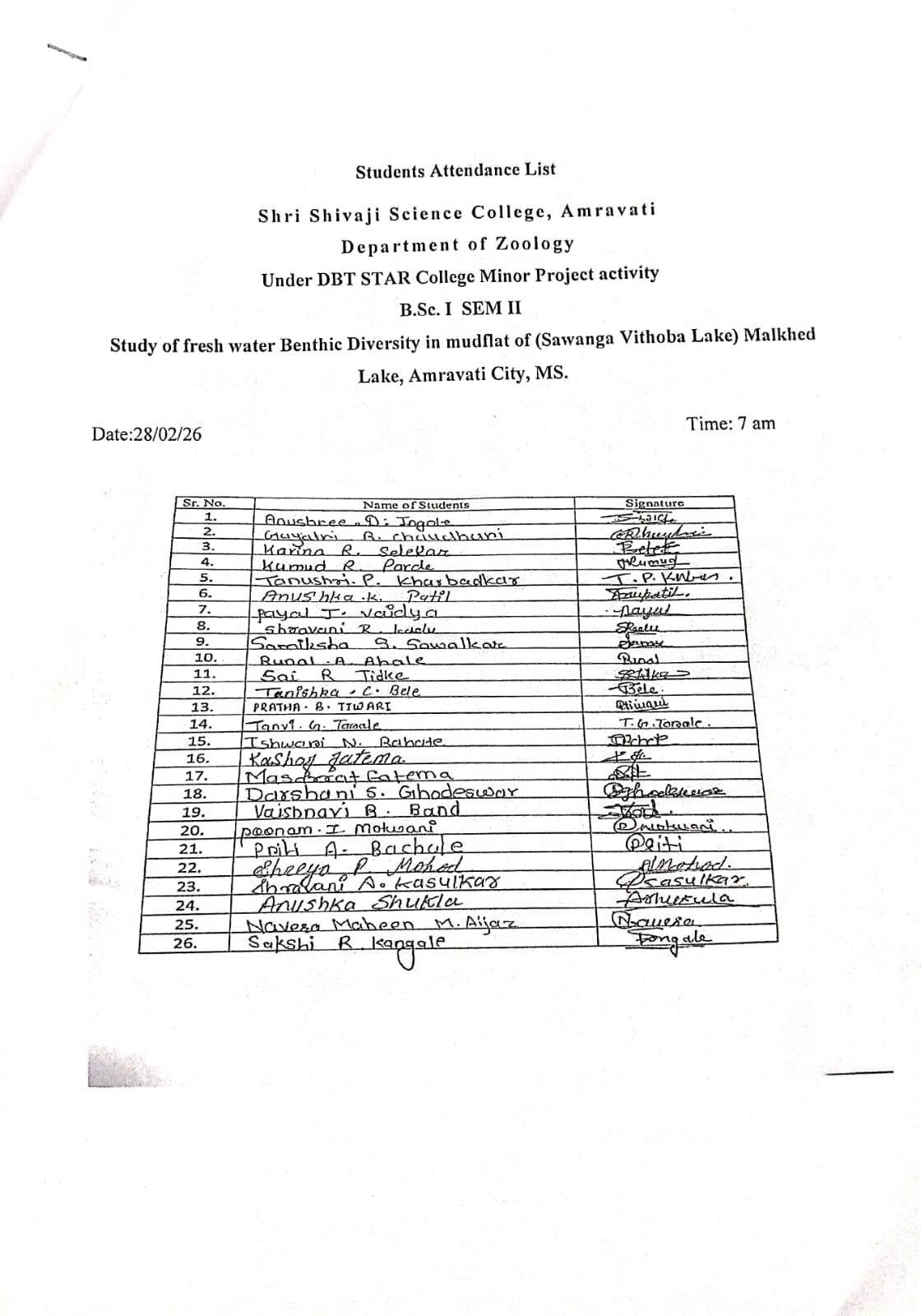 Sheet |
 Sheet |