SHRI SHIVAJI SCIENCE COLLEGE, AMRAVATI
DBT STAR COLLEGE PROJECT ACTIVITY
ACTIVITY REPORT
Hands on Training-Sterilization, Culture media preparation & Inoculation
Activity Dates: 23 August 2025
Type of Activity: Students Workshop
Organizing Department: Department of Zoology
Program Coordinators: Dr. G.A. Wagh Dept. DBT Coordinator ;Activity In charge: Dr. G. D. Hande
Head of the Department: Prof. J.D. Dhote
External Collaborator (if any): -
Objectives:
- 1) To prevent the transmission of infections through proper sterilization techniques.
- 2) To eliminate all microbial life, including fungal spores, especially in aquatic samples.
- 3) To provide knowledge about sterilization and culture media preparation.
- 4) To create awareness about various inoculation techniques for different samples.
- 5) To develop understanding and appreciation of microbial diversity through demonstration.
No of Beneficieries: 41
Classes Involved: BSc III
Venue of the Activity: Department of Zoology UG Laboratory
Activity Report:
Microorganisms play an important role in causing infection and contamination. Therefore, Sterilization is an important technique in microbiology which helps to remove or destroy microorganisms from materials or surfaces. Sterilization and disinfection are essential components of infection control practices, especially in aquatic and healthcare settings. Proper sterilization is necessary to prevent infections during laboratory work and medical procedures. It refers to the destruction of all pathogens or organisms which can cause infection but not necessarily spores. Microbiology applications utilize microorganisms (bacteria, fungi, viruses) to advance medicine, agriculture, industry, and environmental sustainability. Key uses include developing antibiotics and vaccines, fermenting foods (cheese, yogurt, beer), treating waste via bioremediation, and producing biofuels and industrial enzymes. All organisms may not be killed but the number is reduced to a level that no longer harmful to health. Heat is a mostly used method of sterilization. Moreover, it is a highly effective and most reliable process. There are two major methods of using heat in sterilization which are dry heat and moist heat. The principle behind both of these methods is similar. Dry heat induces the denaturation of protein, oxidative damage and toxic effect due to the high level of electrolytes. The two major types of growth media are those used for cell culture, which use specific cell types derived from plants or animals, and those used for microbiological culture, which are used for growing microorganisms such as bacteria or fungi. The most common growth media for microorganisms are nutrient broths and agar plates; specialized media are sometimes required for microorganism and cell culture growth. Some organisms, termed fastidious organisms, require specialized environments due to complex nutritional requirements. Viruses, for example, are obligate intracellular parasites and require a growth medium containing living cells. A defined medium that has just enough ingredients to support growth is called a "minimal medium". The number of ingredients that must be added to a minimal medium varies enormously depending on which microorganism is being grown. Minimal media are those that contain the minimum nutrients possible for colony growth, generally without the presence of amino acids, and are often used by microbiologists and geneticists to grow microorganisms. Two general types of culture media are essential to ensure the primary recovery of all clinically significant fungi from clinical specimens. One medium should be non-selective (such as brain heart infusion agar; i.e., one that will permit the growth of virtually all clinically relevant fungi) and other media should be selective, specially tailored to isolate specific pathogenic fungi of interest. Fungus culture is defined as the process of isolating and growing fungal species from biological samples, which can help identify the presence of specific fungi in conditions such as fungal-borne diseases, with higher culture rates observed during warmer seasons.
Shri Shivaji Science College, Amravati, has consistently contributed to the development of responsible citizens through academic excellence and holistic growth. Continuing this tradition, the Department of Zoology organized a “Practical Hands-on Training: Sterilization, Culture Media Preparation & Inoculation” under the DBT Star Project Scheme .
The training was conducted on 16 August 2025 in Postgraduate Laboratory I for B.Sc. II (Biology) students. A total of 41 students participated in the program.
The session began at 3:00 PM with a formal welcome. Dr. Gayatri D. Hande (In-charge Teacher) introduced the program and highlighted the importance of sterilization and laboratory practices. The session also showcased laboratory facilities and their applications in microbiology.
Students were introduced to key laboratory equipment:
Autoclave – Uses high-pressure steam to sterilize media and instruments by destroying microorganisms and spores.
Laminar flow Unit – Provides a sterile working environment using HEPA-filtered air, ensuring contamination-free procedures.
Inoculation loops, wires, forceps tips, needles are needed to be sterilized to inhibit microbial contamination. These instruments are held in the flame of a Bunsen burner until they become red hot.
The autoclave is a modified pressure cooker which contains a vertical or horizontal cylinder. The cylinder is made up of stainless still. A lid on the cylinder is placed and fastened by screw clams to make it airtight. The lid contains a steam discharge unit, a pressure gauge, and a safety valve. Moreover, a thermostat is present to monitor the temperature. Heat is produced by electricity. At the time of sterilization, the cylinder is filled with an adequate amount of water and it is kept for some time for preheating. After that, the materials which are needed to be sterilized are inserted into the cylinder and the lid is then closed tightly. The temperature will increase eventually along with the pressure. When the temperature reaches 121.10C and the pressure at 15 psi the sterilization is performed for 15 minutes Ethyl alcohol and isopropyl alcohol are frequently used as chemical agents for disinfection. Both of the chemicals facilitate the protein denaturation of bacterial proteins. 70% ethyl alcohol is the standard concentration which is used for disinfection. These are used as skin antiseptics. Apart from this methyl alcohol has activity against fungal spores and used to disinfection of inoculation cabinets.
UV has limited penetration in air, so sterilization occurs in only a fairly small area around the lamp. However, it is relatively safe and quite useful for sterilizing small areas, like laminar flow hoods. It’s really important to remember to sterilize your equipment.
X-rays and gamma rays are far more penetrating, which makes them more dangerous, but they are very effective for large-scale cold sterilization
The interdisciplinary nature of the program helped students develop critical thinking, analytical skills, and a broader understanding of scientific concepts. It emphasized the importance of infection control in laboratories and healthcare environments.
The program was conducted under the guidance of Dr. J. D. Dhote, Professor & Head, Department of Zoology, Dr. G. A. Wagh, Professor & Dept. DBT Coordinator
It was successfully carried out in the presence of Dr. S. V. Gawande, Dr. P. M. Ramteke,Dr. S. J. Kawade, Dr. A. R. Rajoria.
Educational materials, including a booklet/manual, were distributed to all participants. The booklet covered sterilization techniques, culture media preparation, and inoculation methods, serving as a valuable academic resource.
Conclusion
This interdisciplinary training program enhanced students’ practical laboratory skills and strengthened their understanding of sterilization and infection control. It also helped them integrate knowledge from multiple domains and apply it effectively in scientific and healthcare.
The training program significantly enhanced students’ laboratory skills and deepened their understanding of sterilization and infection control. It also promoted interdisciplinary learning and enabled students to apply theoretical knowledge effectively in scientific and healthcare contexts.
Outcomes:
- 1) Students gained knowledge of microbiology to protect samples and cultures from contamination. .
- 2) Students developed scientific awareness regarding sterilization techniques.
- 3) Students learned basic inoculation methods.
- 4) Students understood fungal infections and their impacts.
- 5) Students learned how laminar airflow prevents contamination by minimizing turbulence.
Photos:
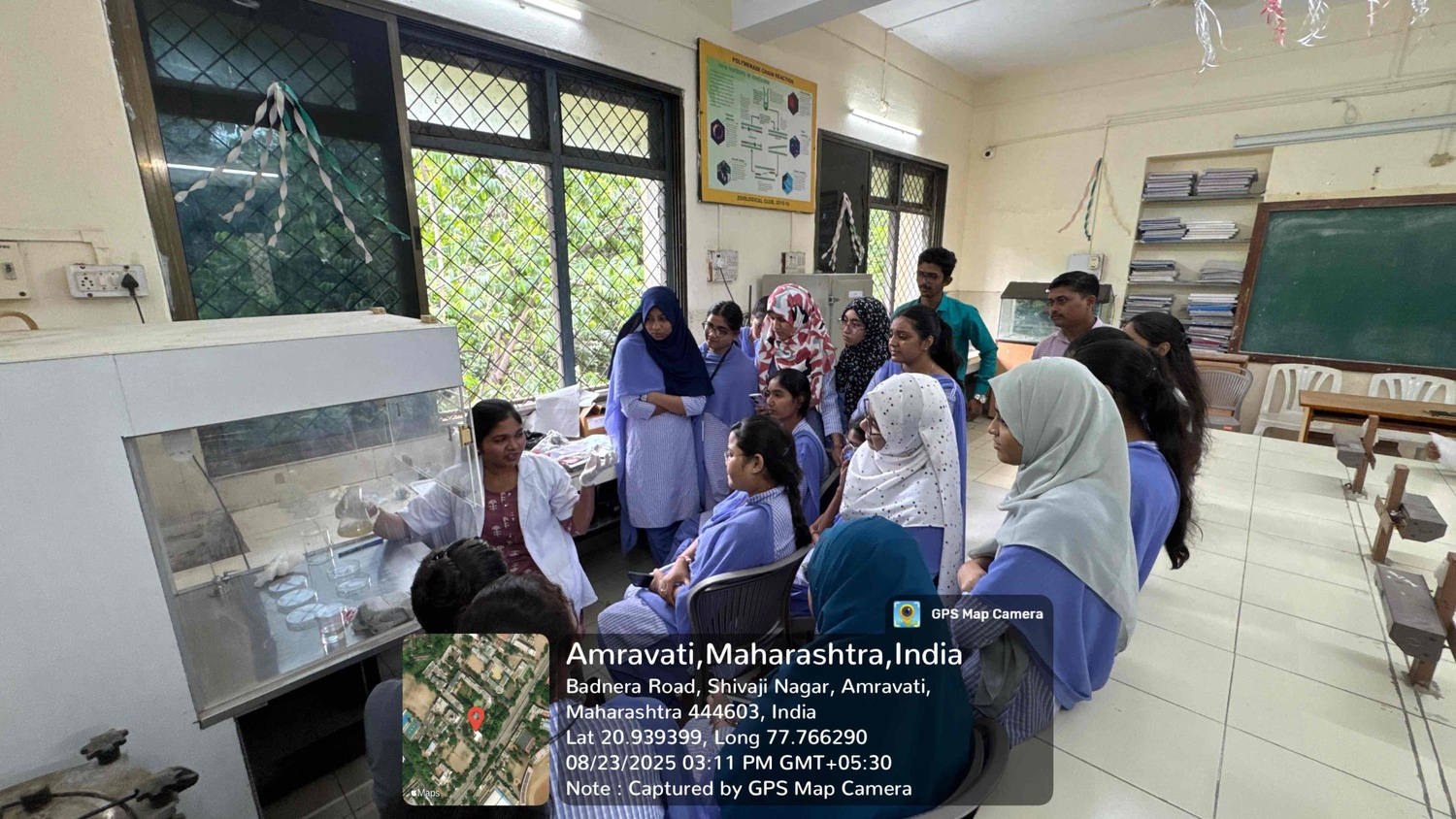 Demonstration of handeling of Laminar Flow during inoculation process | 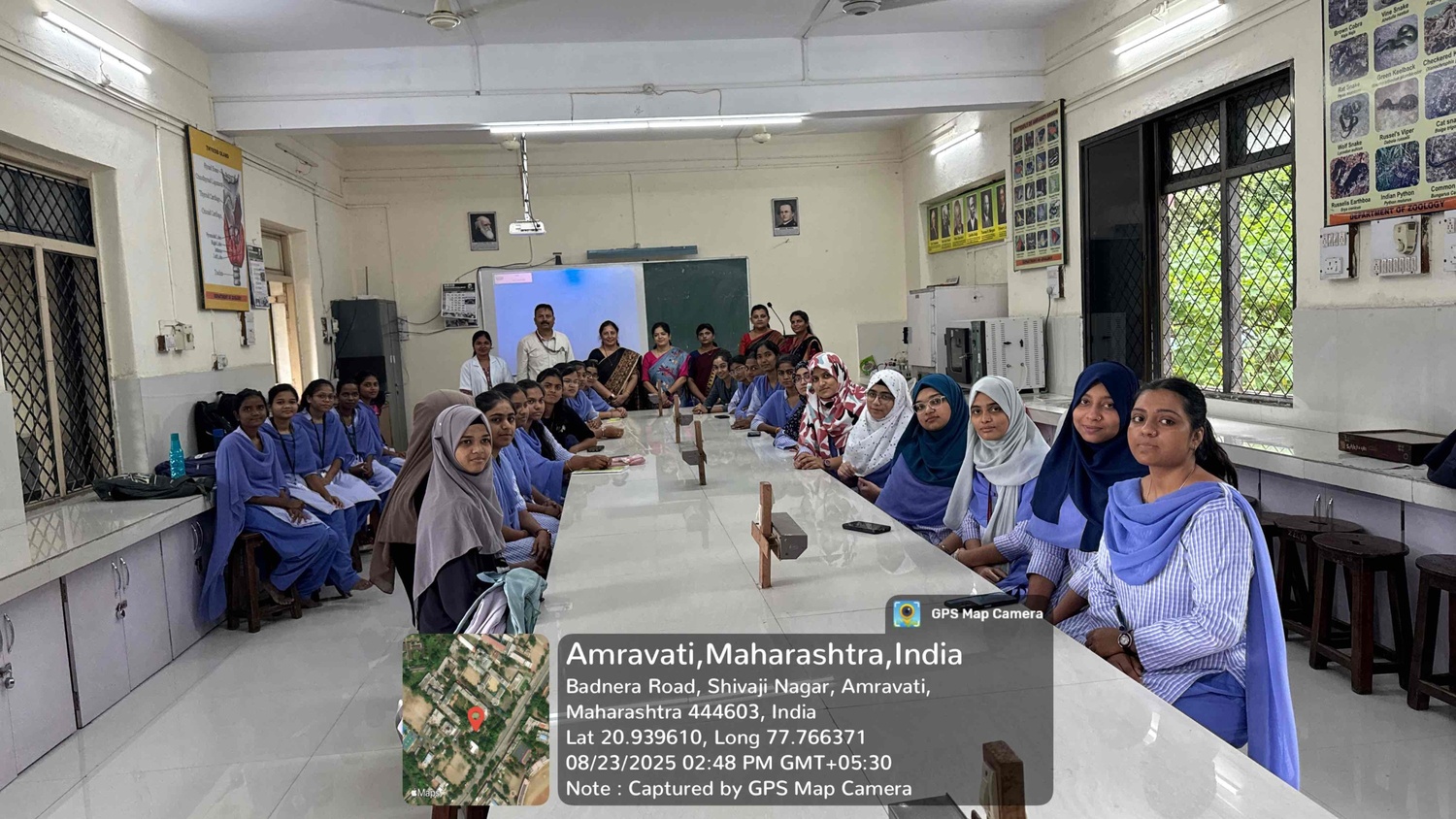 All participants along with faculty members of the Zoology Department during hands on training program |
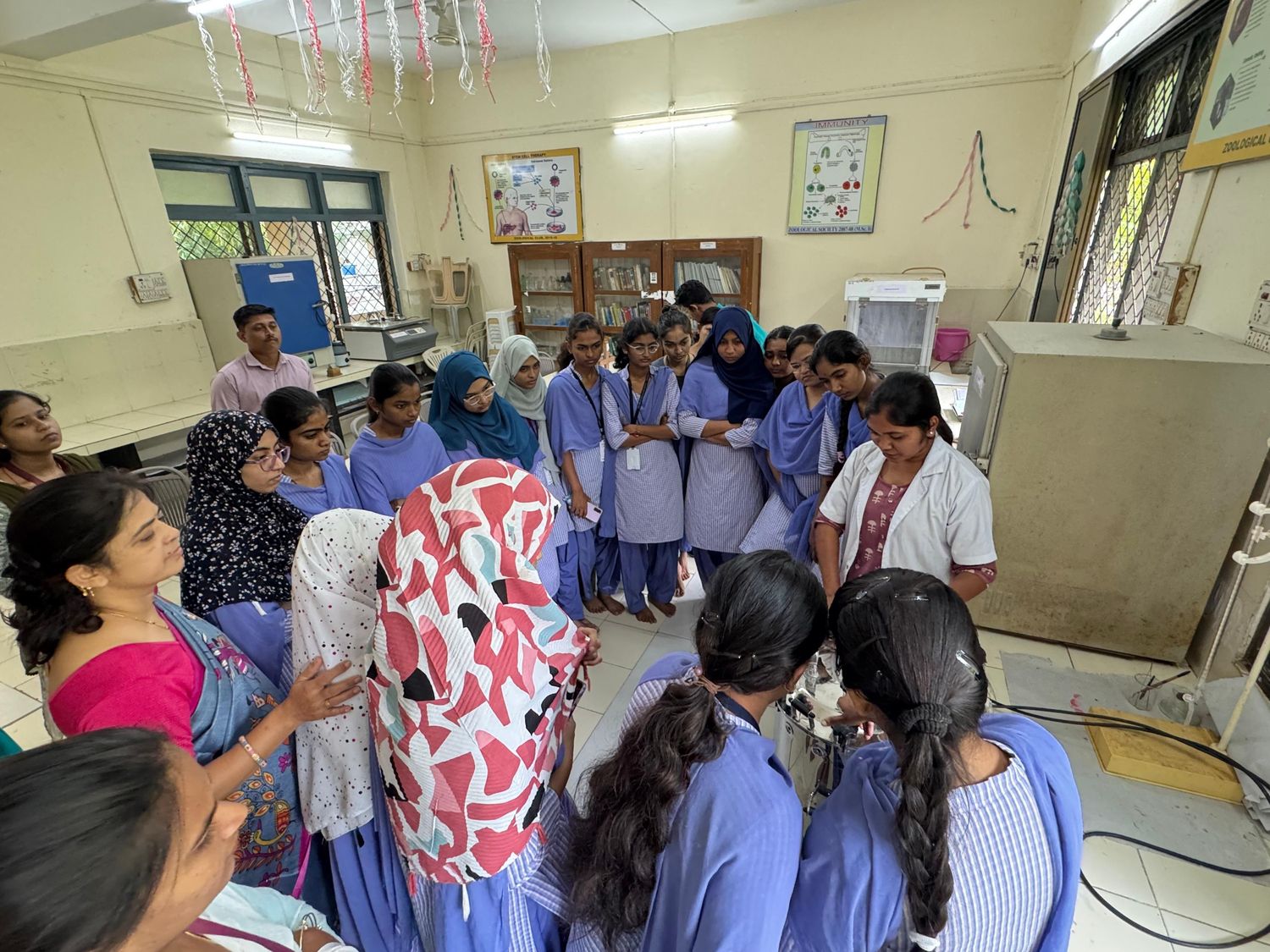 Demonstration of sterilization technique | 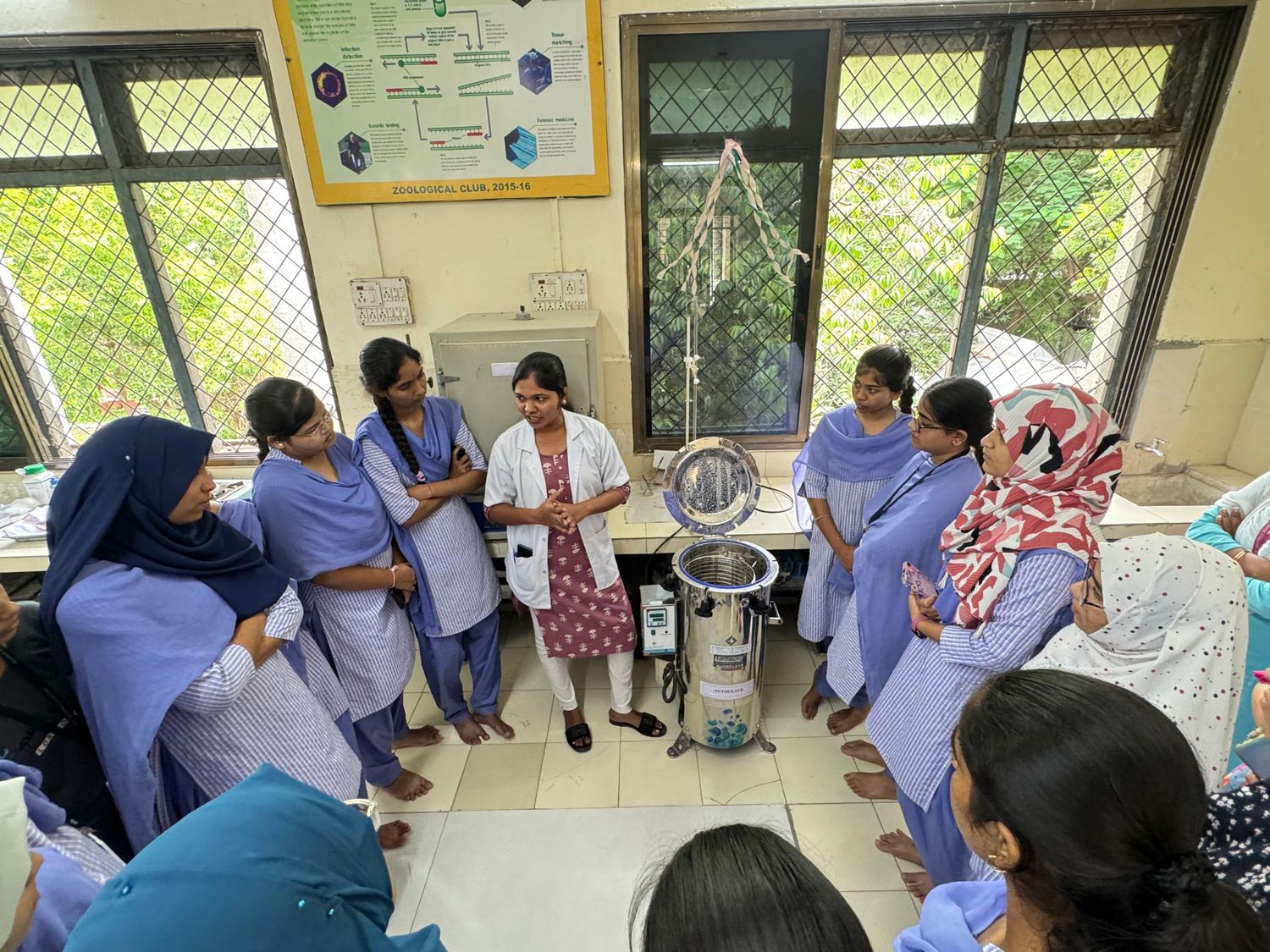 Ms. Vaishnavi Kuralkar explains autoclave techniques to participants |
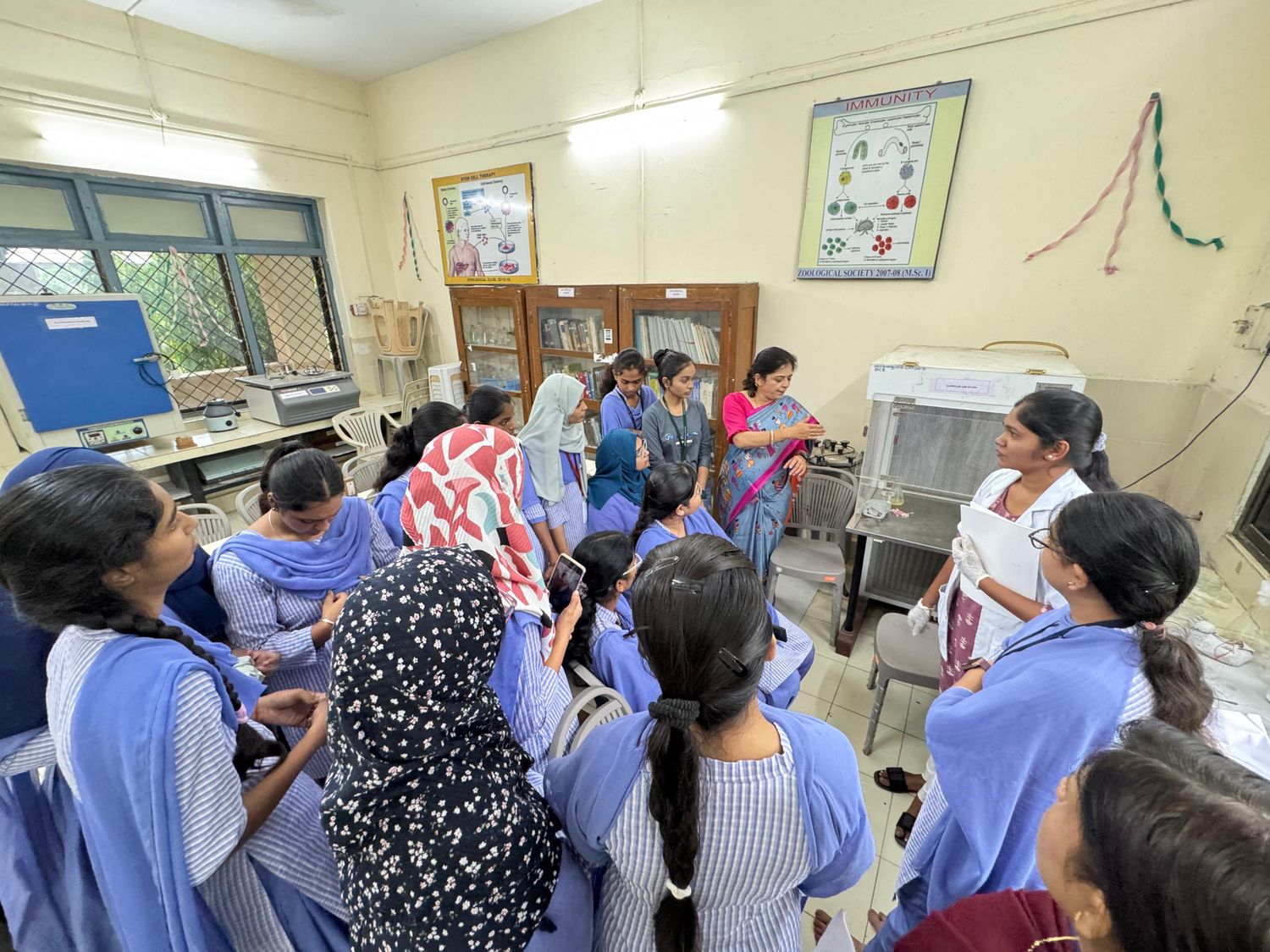 Demonstration of culture Media preperation & Innaculation of Fungi under thr supervision of Incharge Teacher Dr.G.D.Hande & expert | 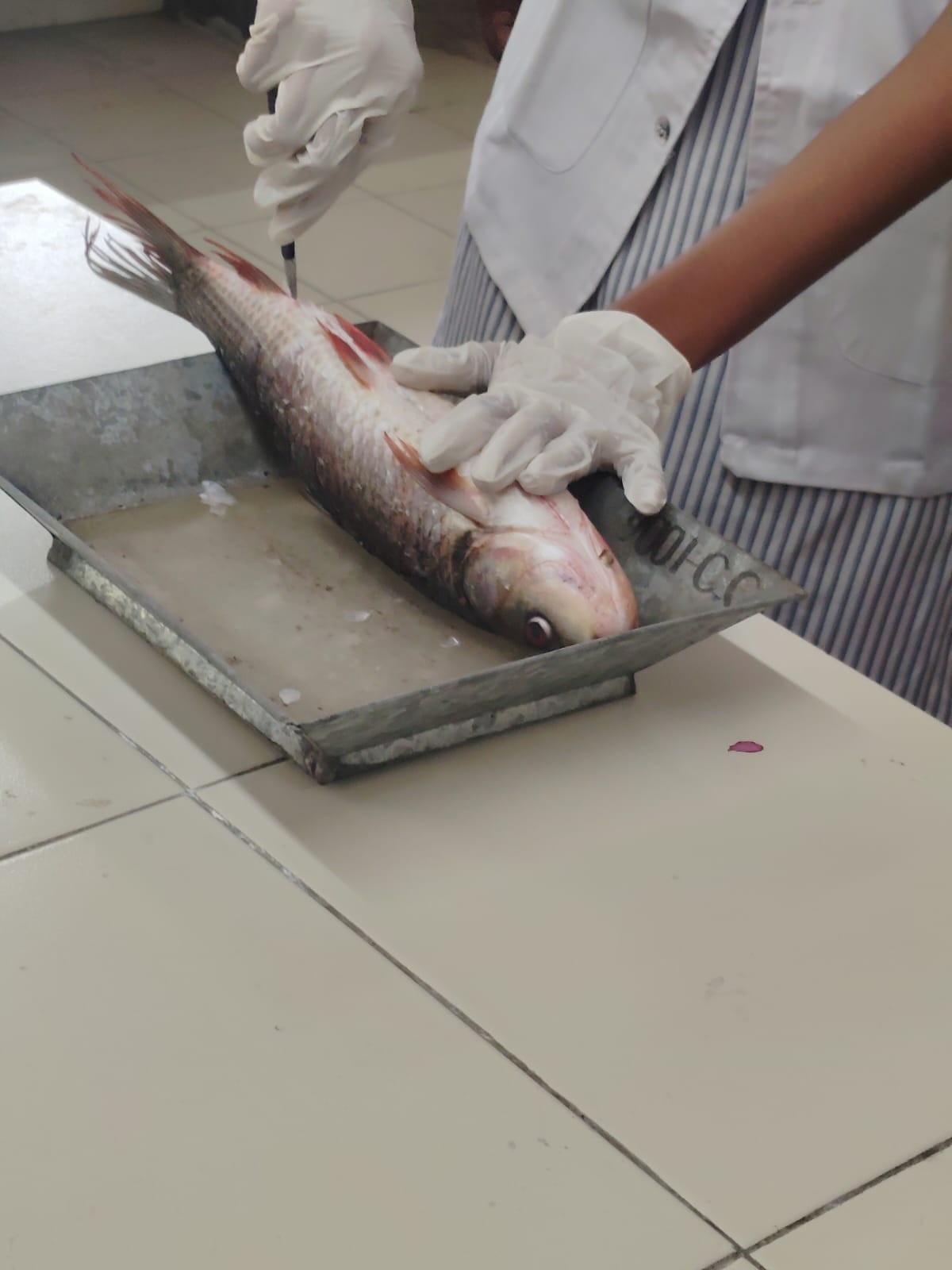 Students isolating fungi from Fresh water fishes for inoculation |
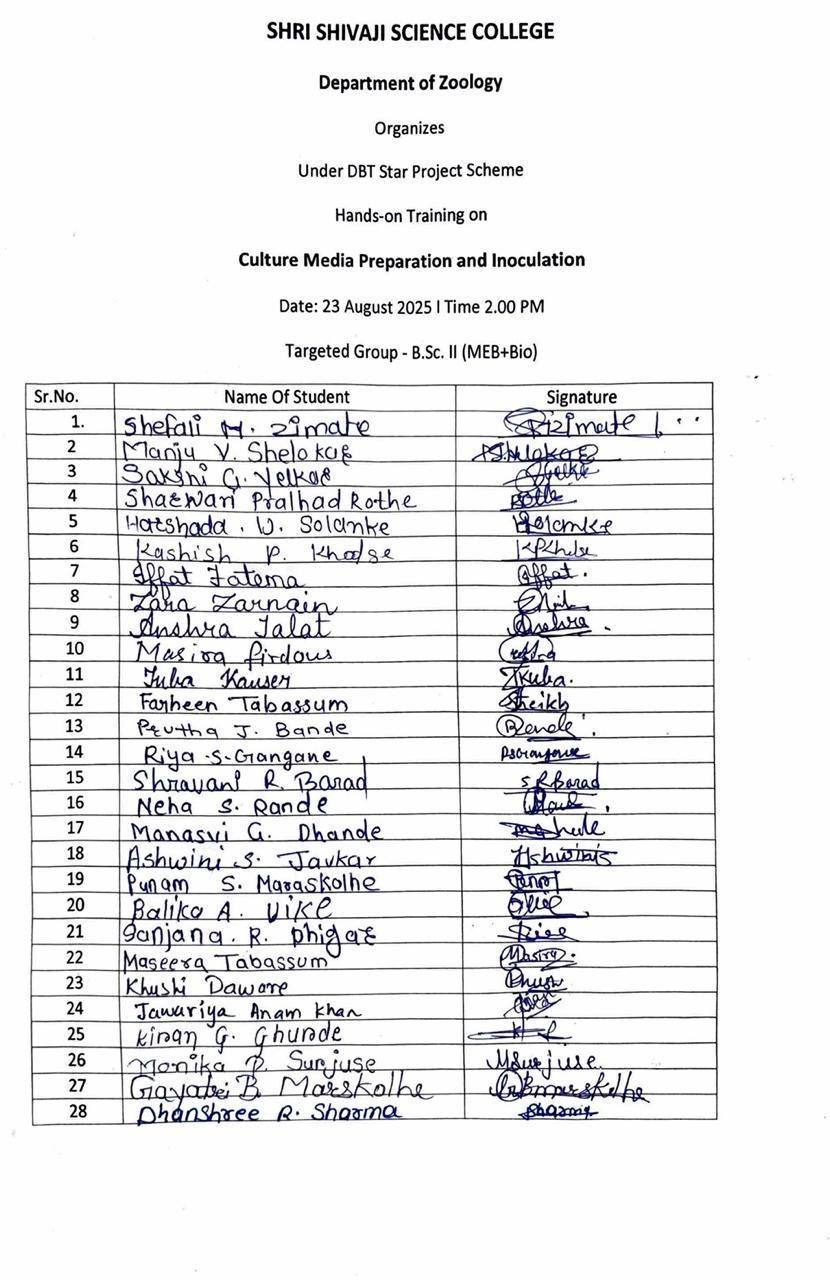
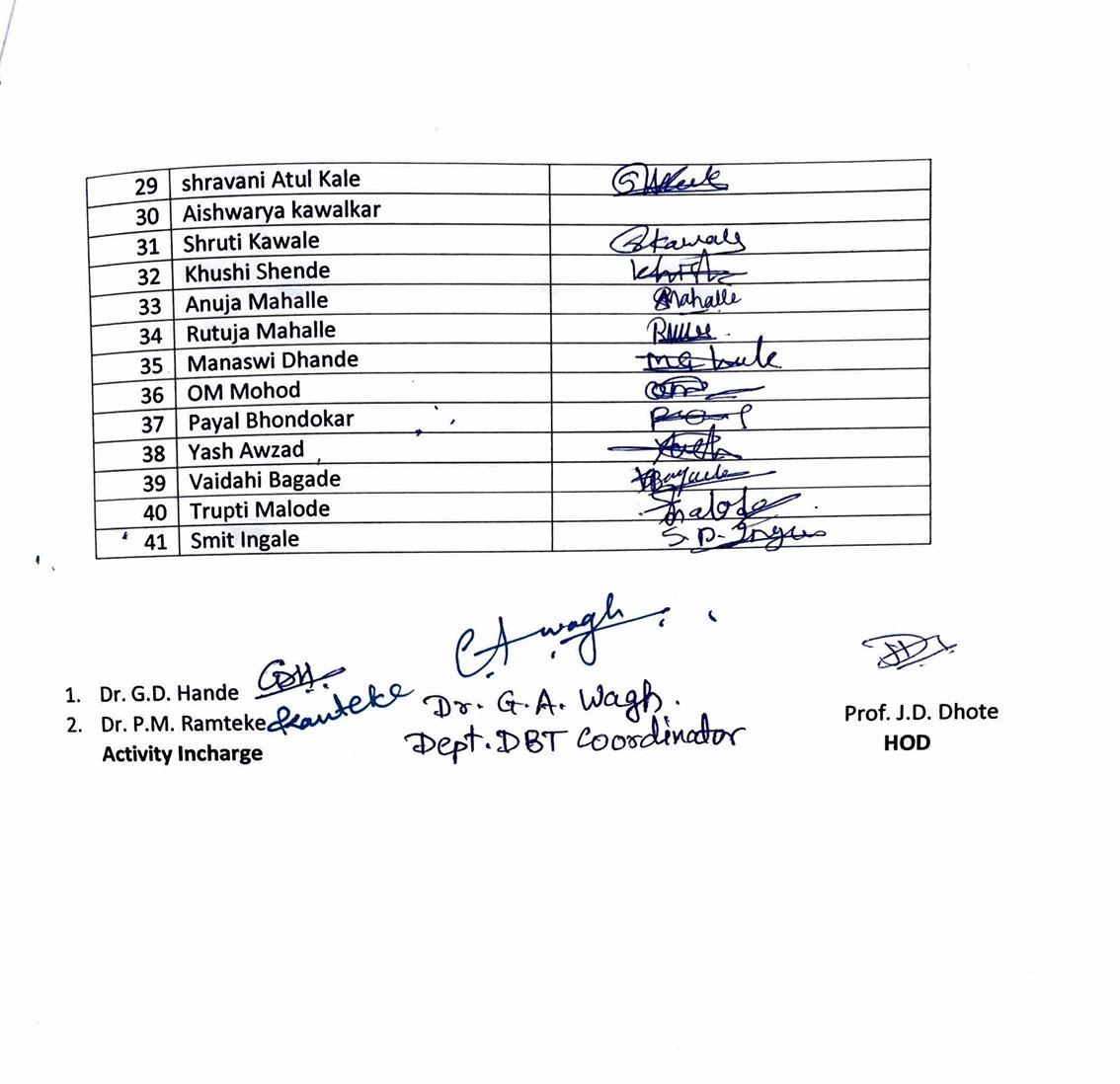
Attendance Sheet:
 |
 |