SHRI SHIVAJI SCIENCE COLLEGE, AMRAVATI
DBT STAR COLLEGE PROJECT ACTIVITY
ACTIVITY REPORT
Visit to Bor Wildlife Sanctuary / Tiger Reserve,
Activity Dates: 25th Feb. 2026.
Type of Activity: Field Studies
Organizing Department: Department of Environmental Science
Program Coordinators: Dr. K. J. Gawai & Ms. M. A. Jane
Head of the Department: Dr. S. P. Ingole
External Collaborator (if any): DBT
Objectives:
- 1. To study forest ecosystem as an example of terrestrial ecosystem
- 2. To study its biotic & abiotic components such as flora, fauna, temperature, moisture, wind speed etc. as mentioned in the syllabus
- 3. To observe different plant species and forest types.
- 4. To create awareness about wildlife protection and the importance of conserving endangered species.
- 6. To develop a sense of responsibility toward nature and wildlife conservation.
No of Beneficieries: 25
Classes Involved: B.Sc. I
Venue of the Activity: Bor Tiger Reserve
Activity Report:
One Day Visit to Bor Wildlife Sanctuary / Tiger Reserve was organized by Department of Environmental Science for the students of B.Sc. I & II on 25th Feb. 2026.The main purpose of this visit was to study biotic &abiotic factors in terrestrial ecosystems as mentioned in the syllabus of Major Lab. of B.Sc. I. Along with this, understanding the forest ecosystem and wildlife conservation practically was also the motto of the visit.
After reaching the Bor Tiger Reserve, all students took their lunch in the waiting room of the tiger reserve. Then booking for the afternoon safari at 2.00 p.m. was confirmed. After this in the waiting room Ms. Archan Naukarkar, RFO of Bor Tiger Reserve addressed students about the importance of forest. She told students that forest is the mother of rivers which gives us water so we should conserve our forest. She informed students about the food web in the forest and how forest support various animals by providing the needed food, medicine, minerals etc. seasonally and urged students not to give anything to eat to the wild animals. She informed students about the management of forest department about drinking water facility for the animals in the forest in summer season.
Then all students were taken outside towards Buddha Stupa which is on 10 minutes walking distance from waiting room. In the jungle area near stupa students were informed about the terrestrial ecosystem, its structural and functional aspects, biotic &abiotic factors of terrestrial ecosystem etc.
After lunch, students were taken for Jangal Safari. In the safari, accompanying guide gave students detailed information about the tiger reserve.
He informed that Bor Tiger Reserve is one of the smallest tiger reserves in India. Earlier it was named wildlife sanctuary. It was declared a tiger reserve in 2014. The reserve covers approximately 138 sq. km and consists of dry deciduous forests, grasslands, and water bodies that support a variety of flora and fauna. He also informed that the reserve is named after the Bor River which flows through the forest and forms the Bor Dam. The area provides habitat for many wildlife species and plays an important role in biodiversity conservation.
The guide also provided information about the various plant species such as teak, bamboo, ghost tree, Kher plant, Flame of the Forest, and other dry deciduous forest plants.
In the safari students enjoyed the sighting of tigers named Om and chhava. Some also saw sloth bear and leopard. Peacock, spotted deer, nilgay, sambar were seen everywhere in the jugle. The scene of backwater of upper Wardha was very fascinating.
Outcomes:
- 1. The visit provided valuable practical knowledge to the students.
- 2. It enhanced their understanding about wildlife habitat, food chains, forest ecosystems, conservation efforts, challenges in wildlife protection, the importance of tiger reserves, ecological balance and the role of forests in maintaining biodiversity.
- 3. The experience helped students connect theoretical knowledge with real-world environmental conditions.
- 4. The visit promoted awareness and encourage responsibility towards nature and wildlife protection.
- -----------
Photos:
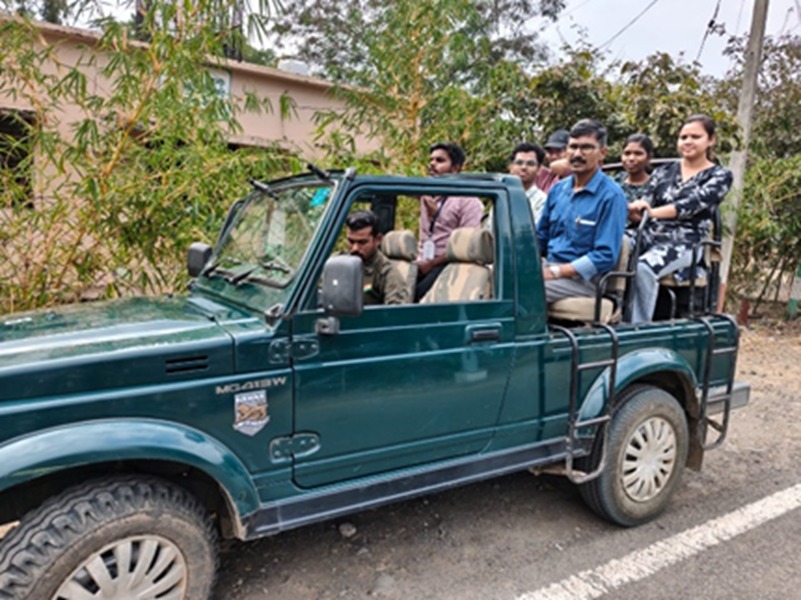 Students participated in Safari at Bor Tiger Reserve | 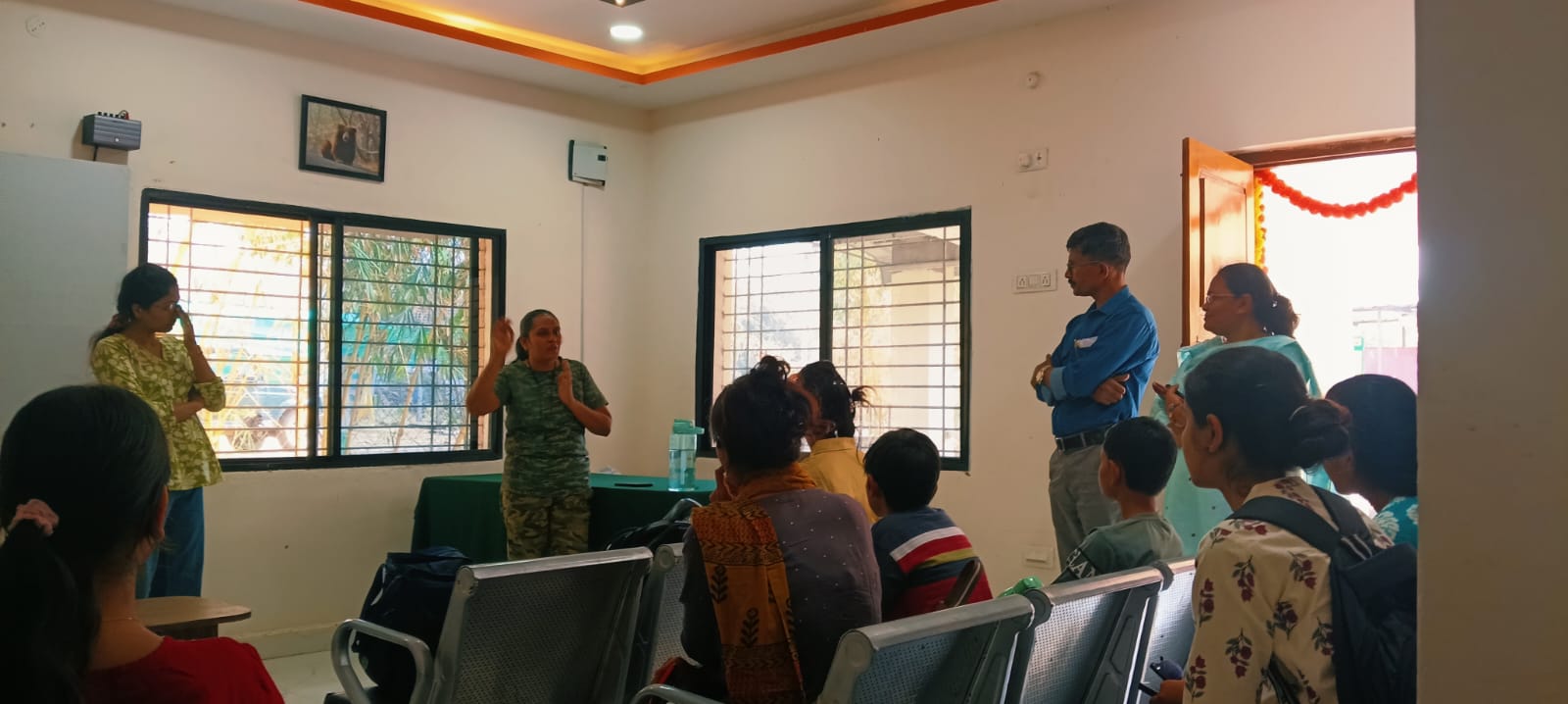 RFO of Bor Forest explaining importance & functions of forest |
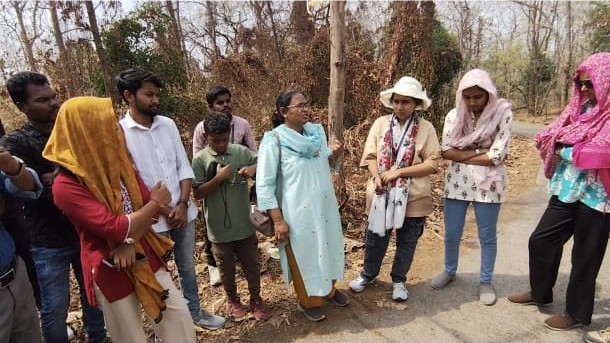 Resource Person Dr. A. U. Kakde Explaining students structure & functions of Ecosystem-- | 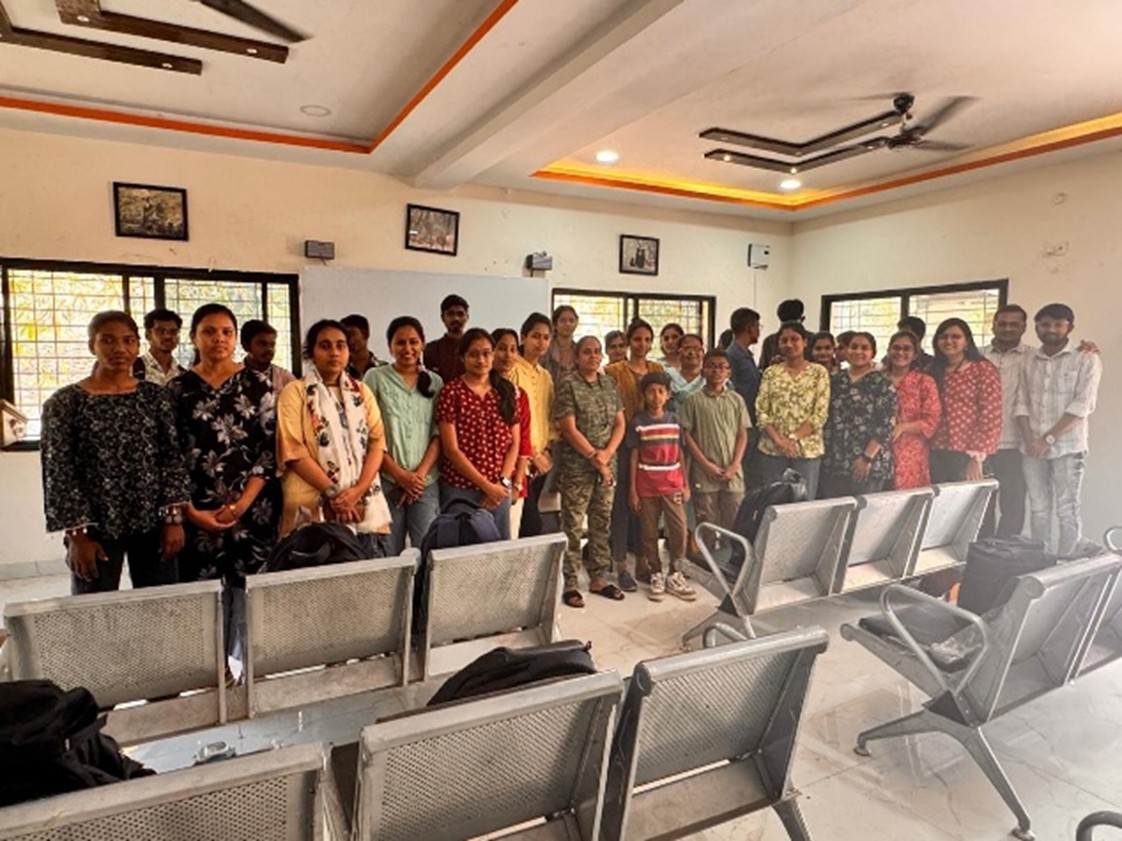 Group photo with RFO |
 Blank |  Blank |
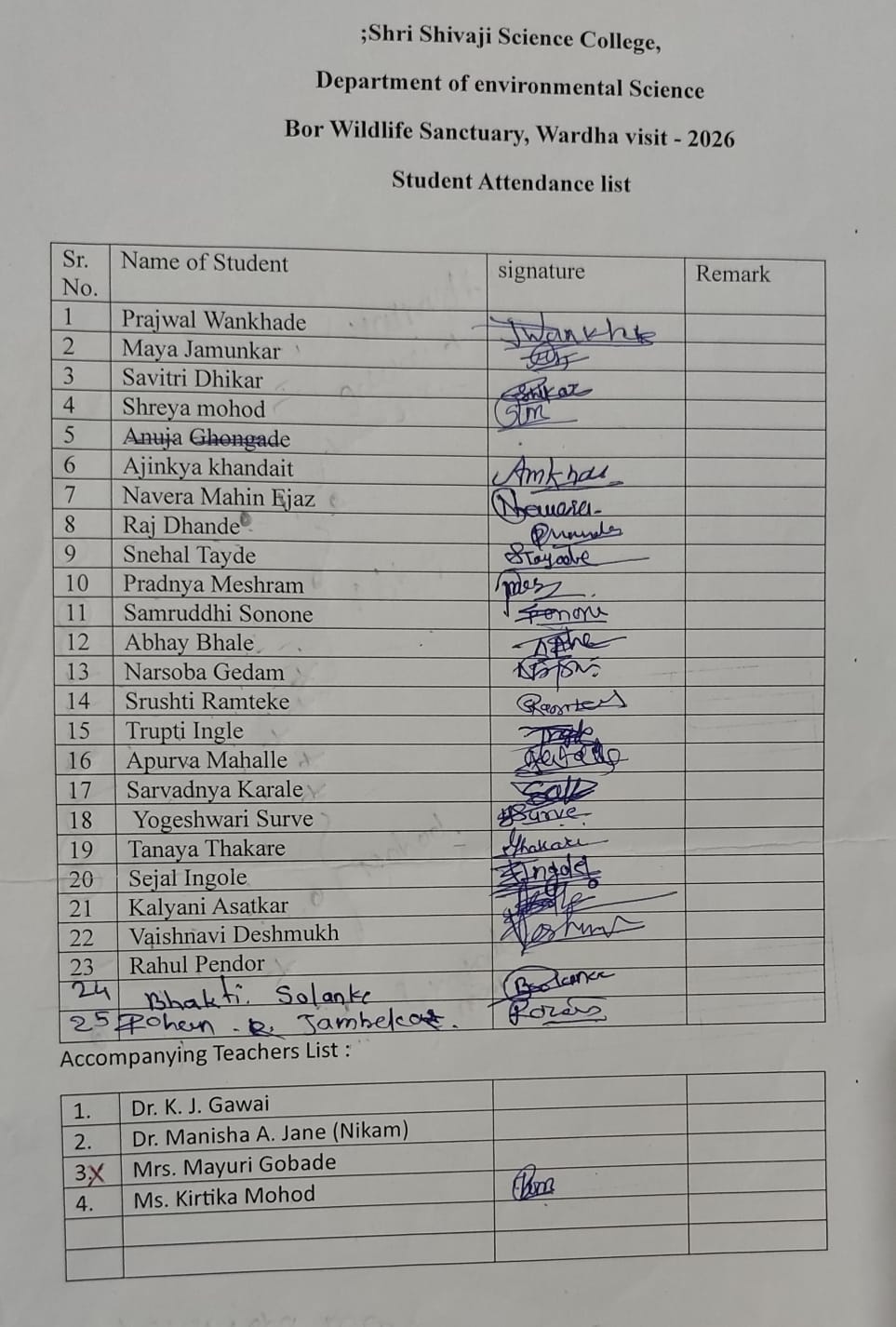
Attendance Sheet:
 |