SHRI SHIVAJI SCIENCE COLLEGE, AMRAVATI
DBT STAR COLLEGE PROJECT ACTIVITY
ACTIVITY REPORT
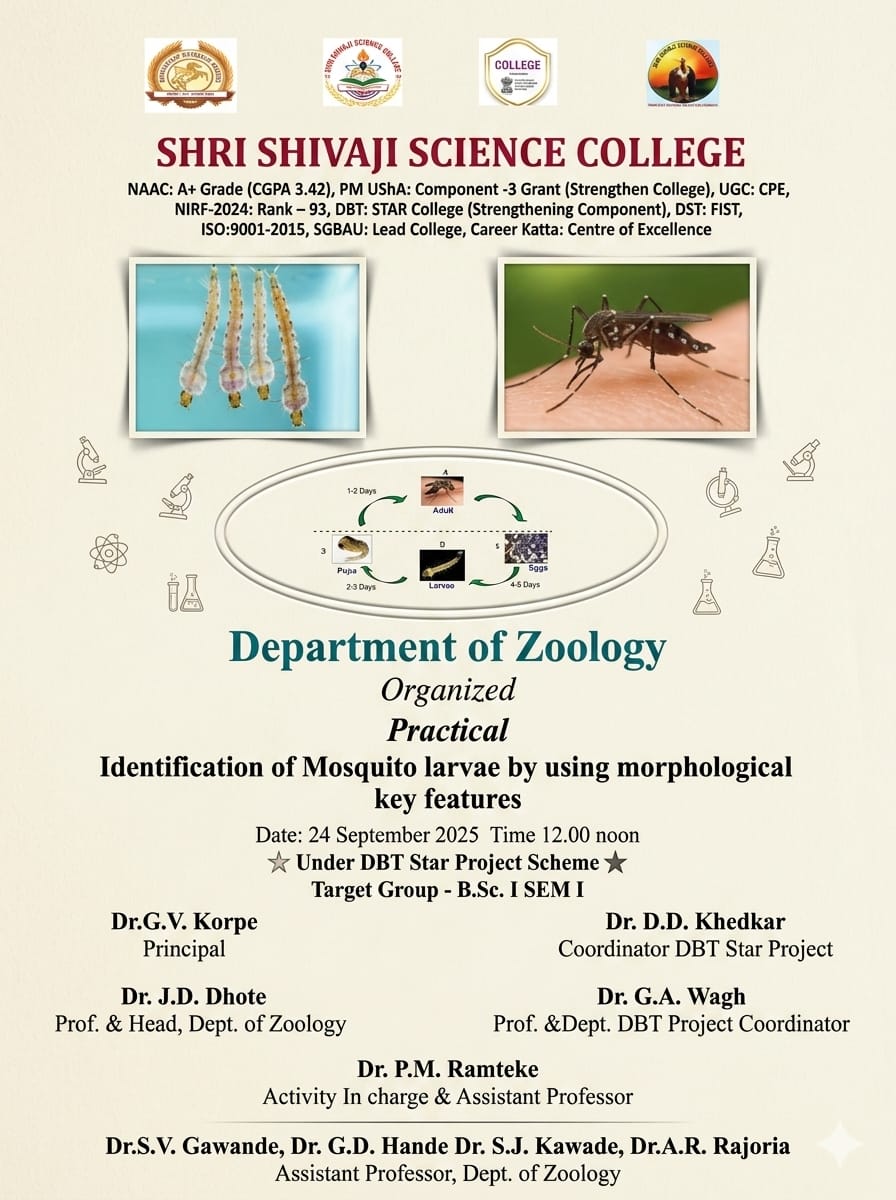
Identification of Mosquito larvae by using morphological key features
Activity Dates: 24th September 2025
Type of Activity: Practical
Organizing Department: Department of Zoology
Program Coordinators: Dr. G. A. Wagh, Dr. P.M.Ramteke
Head of the Department: Dr. J. D. Dhote
External Collaborator (if any): -
Objectives:
- To observe the complete life cycle of mosquitoes (egg, larva, pupa, adult).
- To collect and identify mosquito larvae up to the species level based on morphological features.
- To understand differences in larval morphology of medically important mosquito species
- To perform microscopic examination of larval structures such as head, thorax, abdomen, siphon, and anal papillae for accurate identification.
- To understand the role of larval surveillance in Integrated Vector Management for controlling mosquito-borne diseases like Malaria and Dengue fever.
No of Beneficieries: 50
Classes Involved: B.Sc. I Students
Venue of the Activity: B.Sc. Zoology Departmental Lab
Activity Report:
Mosquitoes belonging to the family Culicidae are among the most significant vectors of human diseases worldwide. They are responsible for transmitting pathogens that cause malaria, dengue fever, Zika virus infection, and lymphatic filariasis. These diseases pose major public health challenges, particularly in tropical and subtropical regions where climatic conditions support mosquito breeding throughout the year. Understanding the biology of mosquitoes, especially their life cycle and larval morphology, is essential for developing effective vector control strategies. The present study focuses on the different stages of the mosquito life cycle and emphasizes the importance of larval morphology for accurate species identification.
Mosquitoes undergo a holometabolous life cycle, which means they exhibit complete metamorphosis consisting of four distinct stages: egg, larva, pupa, and adult. Each stage is structurally and functionally different and plays a vital role in the development of the organism. The first three stages—egg, larva, and pupa—are entirely aquatic, whereas the adult stage is terrestrial and capable of flight.
The egg stage represents the beginning of the mosquito life cycle, and oviposition strategies differ among genera. In Anopheles mosquitoes, eggs are laid singly on the surface of clean water. These eggs are boat-shaped and possess lateral air-filled structures known as floats, which help them remain buoyant. In contrast, Aedes mosquitoes lay their eggs singly on moist surfaces just above the waterline. These eggs are highly resistant to desiccation and can survive for extended periods in dry conditions until they come into contact with water, at which point they hatch. Culex mosquitoes, on the other hand, lay eggs in clusters that are glued together to form floating egg rafts. Each raft may contain hundreds of eggs, allowing rapid population expansion under favorable conditions. These variations in egg-laying behavior are important ecological adaptations that influence the distribution and survival of each genus.
Following hatching, mosquitoes enter the larval stage, which is the most active and nutritionally significant phase of development. Mosquito larvae are commonly referred to as “wrigglers” due to their characteristic jerky movements in water. This stage is divided into four instars, and growth occurs through successive molting of the exoskeleton. Larvae actively feed on organic matter, bacteria, algae, and other microorganisms using specialized mouth brushes that create water currents to draw food particles toward the mouth. Because larvae are confined to aquatic habitats and are relatively easy to collect, this stage is considered the most suitable for field identification and ecological studies.
The pupal stage follows the larval stage and represents a transitional phase during which the organism undergoes metamorphosis into an adult. Mosquito pupae are commonly called “tumblers” because of their active tumbling movements when disturbed. The body is comma-shaped, consisting of a fused cephalothorax and a curved abdomen. Unlike larvae, pupae do not feed; instead, they rely on stored energy reserves accumulated during the larval stage. Respiration occurs through a pair of trumpet-shaped structures located on the cephalothorax. Internally, extensive tissue reorganization occurs, leading to the formation of adult structures such as wings, legs, and reproductive organs.
The adult stage begins when the fully developed mosquito emerges from the pupal case at the surface of the water. After emergence, the adult rests briefly to allow its wings and exoskeleton to harden before taking flight. Adult mosquitoes exhibit clear differences in feeding behavior between sexes. Both males and females feed on plant nectar for energy; however, females require a blood meal to obtain proteins necessary for egg development, a process known as oogenesis. This blood-feeding behavior makes female mosquitoes the primary vectors of disease.
Larval morphology plays a crucial role in species identification, particularly in vector surveillance programs. The fourth instar larva is especially useful because its morphological features are well-developed and easily observable under a microscope. The larval body is divided into three main regions: the head, thorax, and abdomen. The head bears antennae, compound eyes, and mouth brushes used for feeding. The thorax is broad and unsegmented, providing support for muscle attachment. The abdomen is segmented and ends in specialized structures such as respiratory organs and anal papillae, which are involved in osmoregulation.
Among the medically important mosquito genera, Anopheles, Culex, and Aedes can be distinguished based on several key morphological features. One of the most important differences lies in the respiratory system. Anopheles larvae lack a respiratory siphon and instead breathe through spiracles located on the eighth abdominal segment. As a result, they lie parallel to the water surface to facilitate direct contact with air. In contrast, both Culex and Aedes larvae possess a respiratory siphon, which allows them to hang at an angle from the water surface while breathing.
Anopheles larvae also possess distinctive palmate hairs on their abdominal segments. These fan-shaped structures provide buoyancy and help maintain their horizontal position at the water surface. Their feeding behavior is adapted to this position, as they rotate their heads to sweep food particles from the surface film. These larvae are typically found in clean, unpolluted water bodies such as ponds, lakes, and slow-moving streams.
Culex larvae are characterized by a long and slender respiratory siphon equipped with a series of pecten teeth arranged in a row. They also have multiple hair tufts along the siphon, which serve as important taxonomic features. Due to the presence of the siphon, Culex larvae hang obliquely from the water surface. They are commonly found in polluted water bodies such as drains, sewage systems, and stagnant pools, demonstrating their high tolerance to organic contamination.
Aedes larvae, while similar to Culex in possessing a siphon, can be distinguished by their shorter and stouter siphon structure. A key identifying feature, particularly for Aedes aegypti, is the presence of comb scales on the eighth abdominal segment. These comb scales have a distinctive structure consisting of a central spine with smaller lateral spines, giving them a fringed appearance. Aedes larvae are typically found in artificial containers such as discarded tires, flower pots, and water storage vessels. They exhibit strong sensitivity to light and tend to dive quickly when disturbed.
The methodology employed in this study involved systematic collection, preservation, mounting, and microscopic examination of mosquito larvae. Samples were collected from different habitats using a standard dipper. Stagnant water sources were targeted for collecting Culex larvae, artificial containers for Aedes larvae, and clean water bodies for Anopheles larvae. The collected specimens were killed using hot water, ensuring that their body structure remained intact, and then preserved in 70 percent ethanol for further analysis.
For detailed observation, the larvae were mounted on glass slides using a clearing agent such as lactophenol, which enhances the visibility of internal structures. Microscopic examination was carried out under low and high magnification, typically 10× and 40×, to study diagnostic features such as the respiratory siphon, pecten teeth, head structures, and abdominal appendages.
The results of the study revealed clear morphological distinctions among the three genera. Larvae collected from a construction site were identified as Culex based on their elongated siphon and high siphon index, defined as the ratio of length to width. Laboratory observations of Aedes larvae showed that they were highly sensitive to light and exhibited rapid diving behavior when disturbed. Additionally, the emergence of adult mosquitoes from pupae was successfully observed, with the process taking approximately three to five minutes for the adult to completely exit the pupal case.
The study also highlighted a strong correlation between larval morphology and ecological adaptation. The absence of a siphon in Anopheles larvae restricts them to surface feeding in clean water environments, while the presence of siphons in Culex and Aedes larvae allows them to exploit deeper water layers and survive in polluted or artificial habitats. These adaptations enable different mosquito species to occupy distinct ecological niches and expand their geographical distribution.
From a public health perspective, the identification of mosquito larvae is a critical component of Integrated Vector Management. Accurate identification allows health authorities to predict potential disease risks in a given area. For instance, the presence of Aedes larvae indicates a risk of dengue or Zika outbreaks, while the presence of Anopheles larvae suggests the possibility of malaria transmission. Similarly, Culex larvae are associated with the spread of filariasis.
Furthermore, species-level identification enables targeted intervention strategies. Control measures such as the application of larvicides, environmental management, and source reduction can be tailored to the specific breeding habits of the mosquito species present. This approach improves the efficiency of vector control programs and reduces unnecessary expenditure of resources.
In conclusion, the present study demonstrates that although mosquitoes share a common four-stage life cycle, the larval stage provides highly reliable morphological characteristics for species identification. The structural differences observed among Anopheles, Culex, and Aedes larvae are the result of evolutionary adaptations to their respective habitats. A thorough understanding of these features is essential for entomological research, ecological monitoring, and the implementation of effective public health interventions. Mastery of larval identification techniques plays a vital role in controlling mosquito populations and preventing the spread of vector-borne diseases.
Outcomes:
- The study successfully established clear morphological differences among larvae of Anopheles, Aedes, and Culex, enabling accurate genus-level identification based on diagnostic features such as siphon structure and body orientation.
- A strong correlation was identified between larval morphology and habitat preference, demonstrating how structural adaptations allow different mosquito genera to thrive in clean, polluted, or artificial water bodies.
- The study confirmed that the larval stage is the most reliable and practical phase for field collection, microscopic examination, and ecological monitoring of mosquito populations.
- The findings highlighted the importance of larval identification in predicting the risk of vector-borne diseases such as Malaria, Dengue fever, and Lymphatic filariasis.
- The study demonstrated that accurate identification of mosquito larvae supports effective Integrated Vector Management by enabling targeted control strategies, thereby improving disease prevention and resource utilization.
Photos:
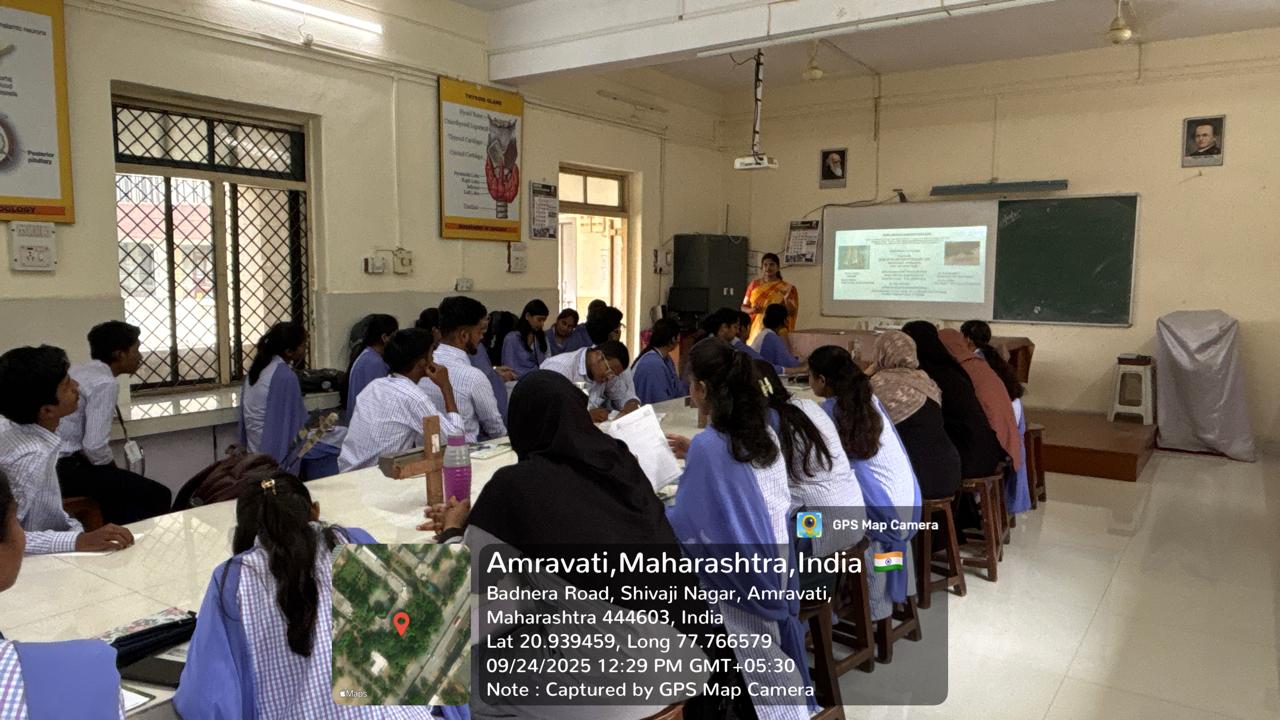 Students attending an introductory lecture on vector biology, discussing the distinct stages of the mosquito life cycle—egg, larva, pupa, and adult—before proceeding to practical fieldwork. |  Students scouting the college's 'Aesthetic Garden' and water reservoirs to identify potential breeding sites. The group collected water samples from stagnant sources to inspect for the presence of mosquito larvae. |
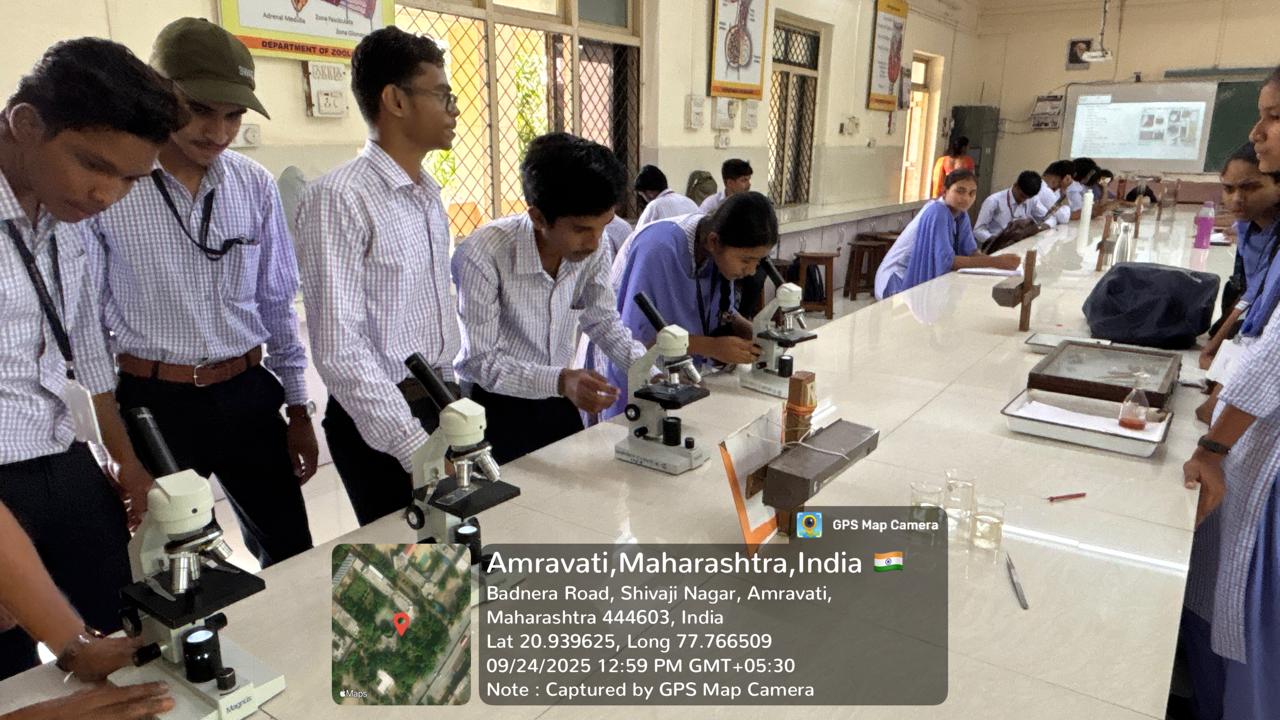 Microscopic Analysis: Back in the laboratory, students utilize compound microscopes to examine the collected samples. | 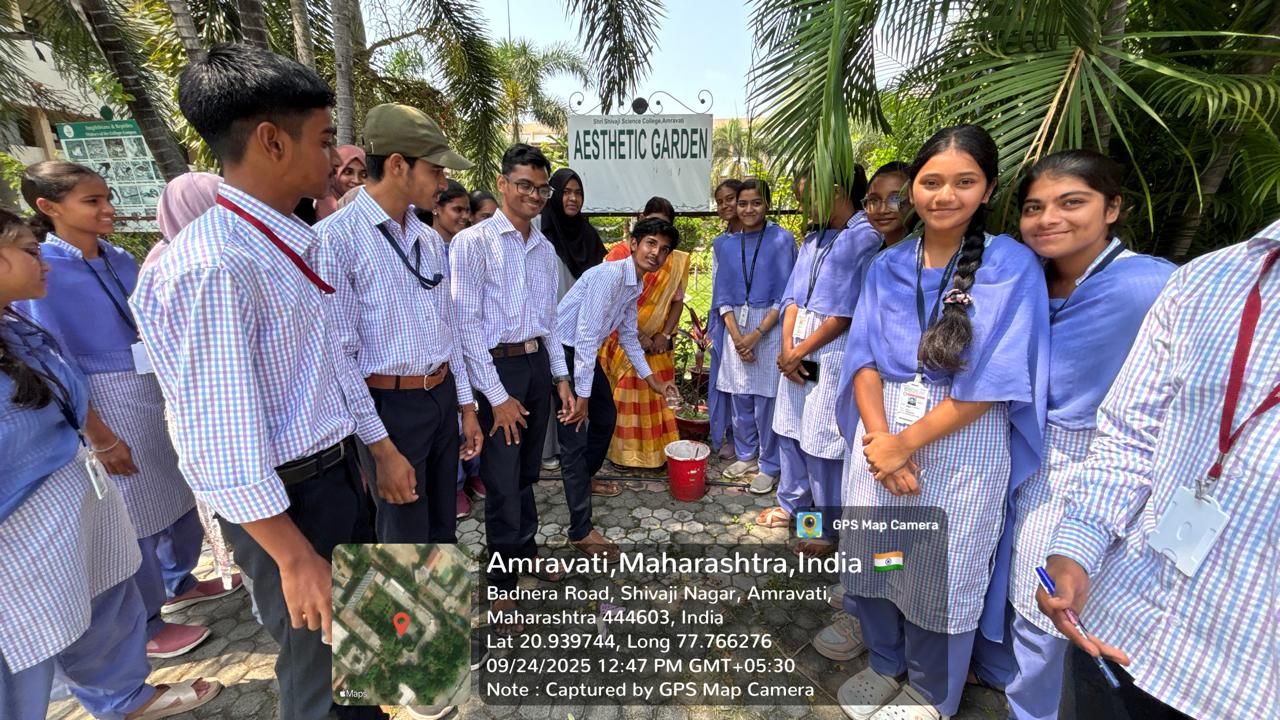 Field-based learning activity conducted by B.Sc. students in the college's 'Aesthetic Garden |
 Students performing practical inspection of water sources in the college's Aesthetic Garde' to identify potential mosquito breeding habitats as part of vector ecology and surveillance study. | 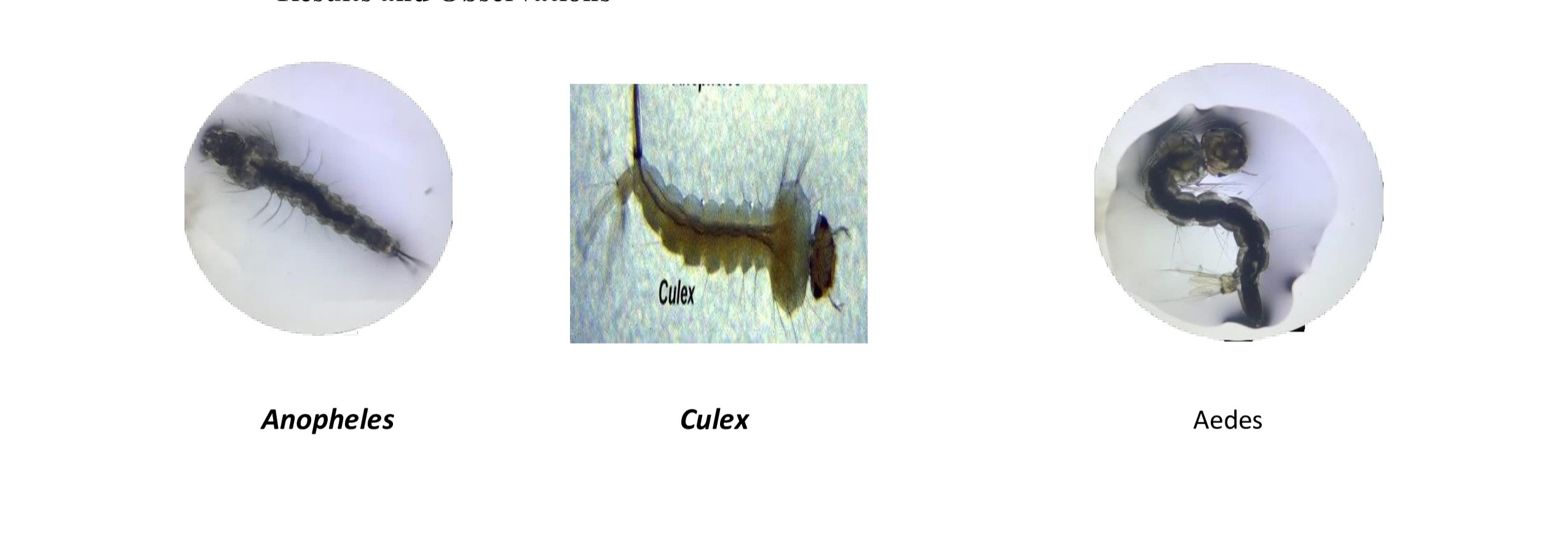 The session focused on 'Larval Identification,' distinguishing between Anopheles, Aedes, and Culex larvae based on siphon and bristle morphology. |
Attendance Sheet:
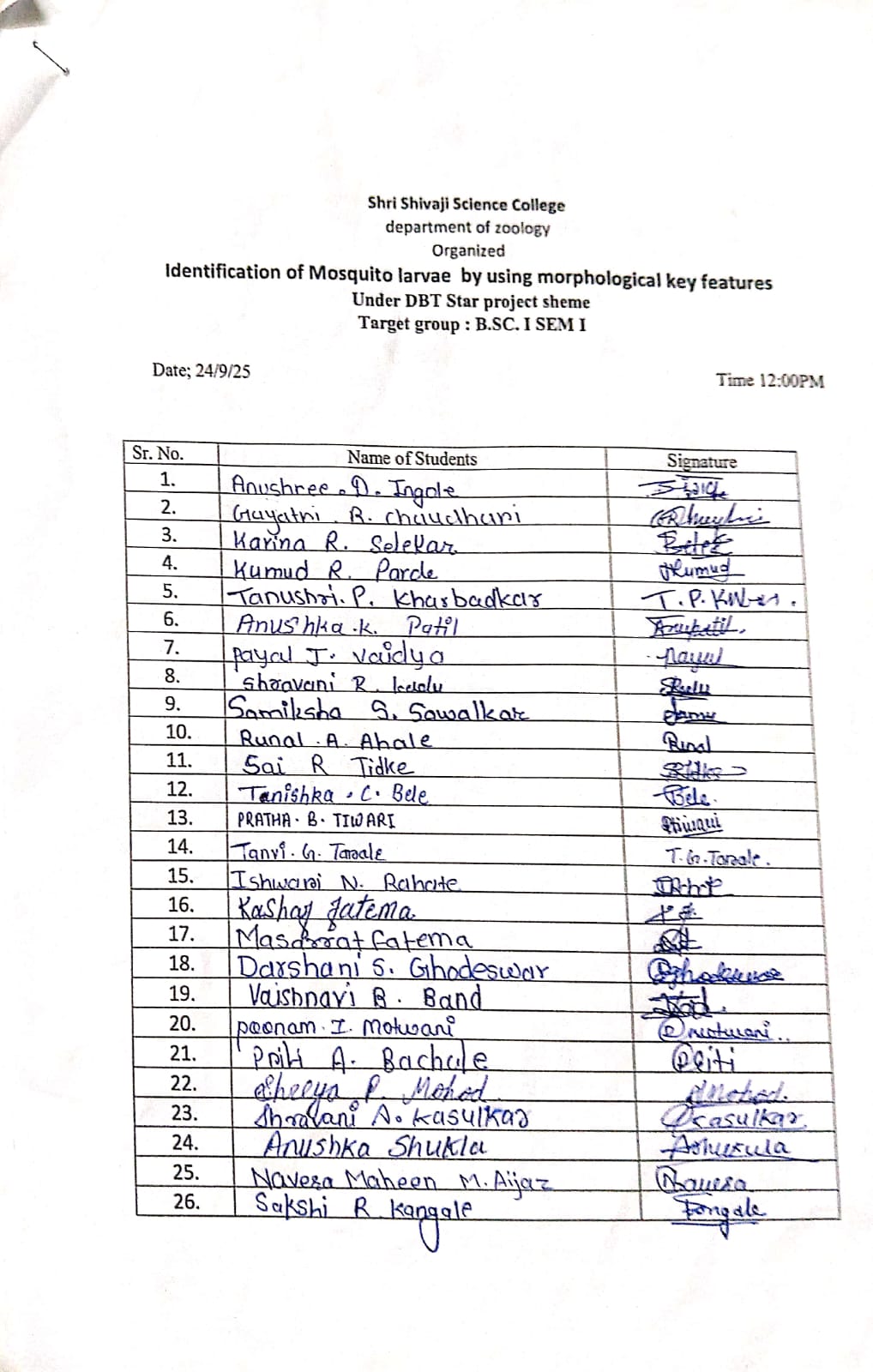 Sheet |
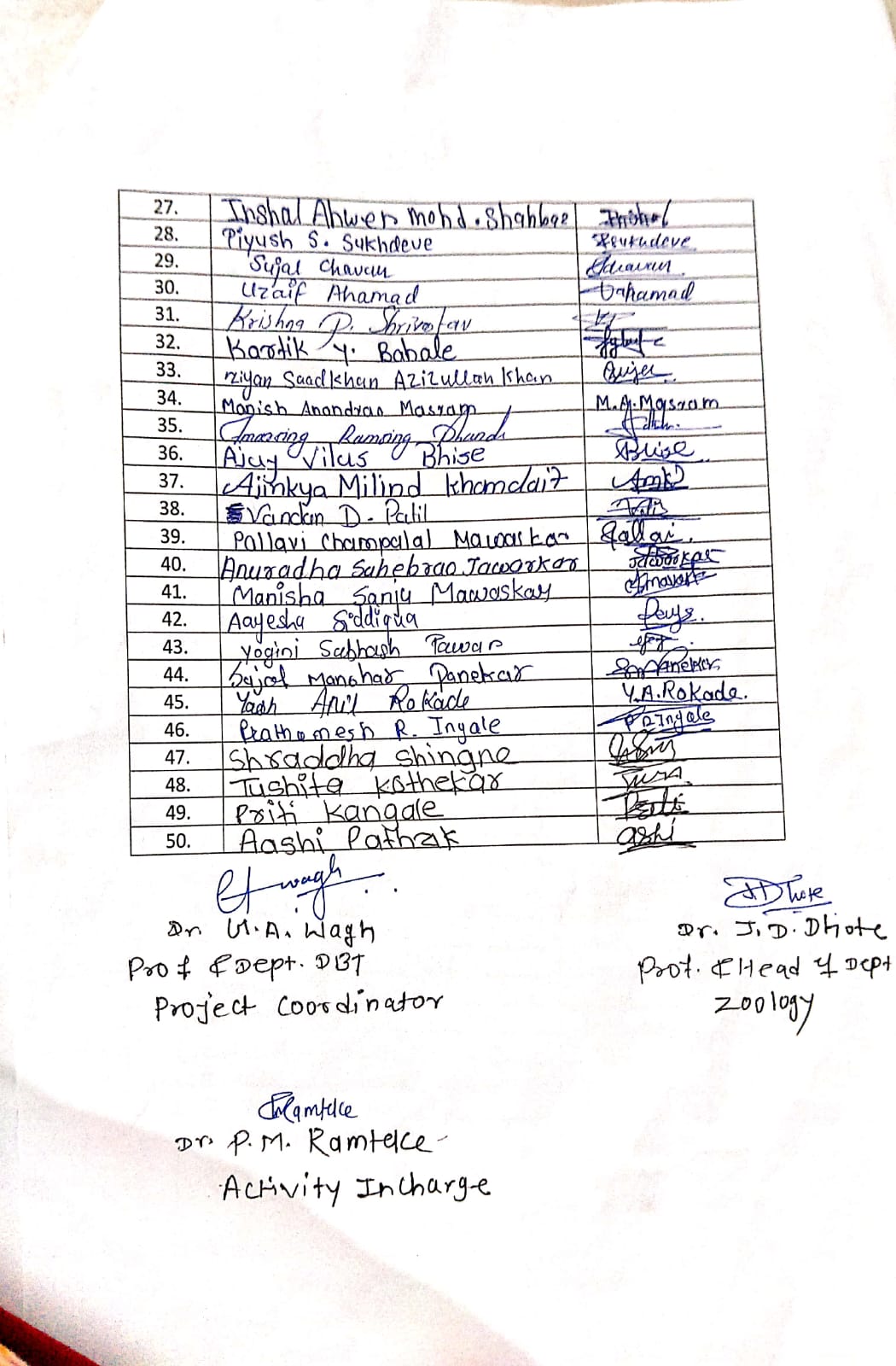 Sheet |