SHRI SHIVAJI SCIENCE COLLEGE, AMRAVATI
DBT STAR COLLEGE PROJECT ACTIVITY
ACTIVITY REPORT
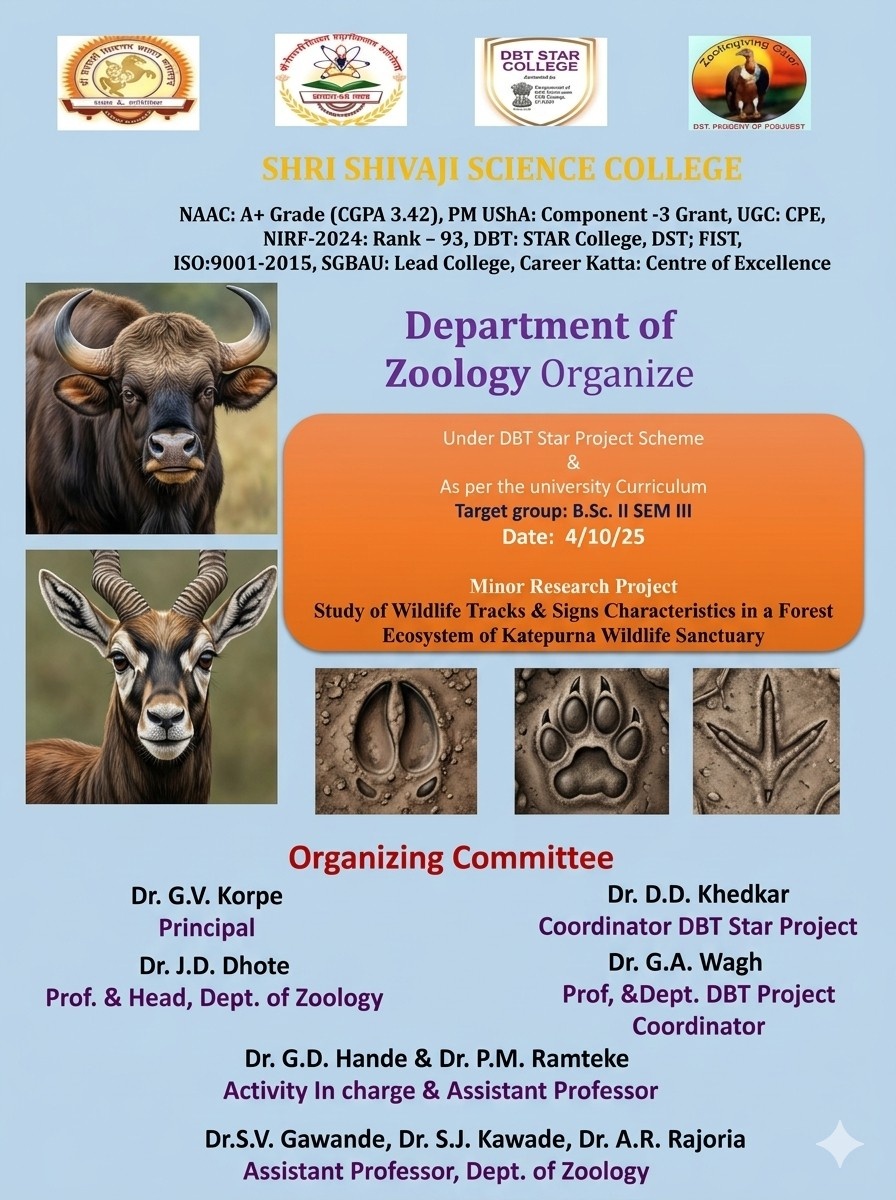
Study of Wildlife Tracks and Signs Characteristics in a Forest Ecosystem of Katepurna Wildlife Sanctuary
Activity Dates: 4 th October 2025
Type of Activity: Minor Research Project
Organizing Department: Department of Zoology
Program Coordinators: Dr. G. A. Wagh, Dr. P.M. Ramteke, Dr. G. D. Hande
Head of the Department: Dr. J. D. Dhote
External Collaborator (if any): Melghat Tiger Reserve
Objectives:
- To identify wildlife species based on track signs in Katepurna Wildlife Sanctuary
- To study the morphological characteristics of footprints, scat, and other indirect evidence
- To understand animal behavior, feeding patterns, and habitat preferences
- To promote awareness regarding wildlife conservation and ecological balance
- To develop Research skills in field observation, identification, and data recording
No of Beneficieries: 41
Classes Involved: B.Sc. II Students
Venue of the Activity: Katepurna Wildlife Sanctuary, Akola District
Activity Report:
Forest ecosystems are among the most complex and biologically diverse systems on Earth, supporting a vast array of flora and fauna while maintaining intricate ecological interactions. These ecosystems play a vital role in sustaining biodiversity, regulating climate, and maintaining ecological balance. However, studying wildlife in such dense and heterogeneous environments presents considerable challenges. Factors such as thick vegetation, poor visibility, animal camouflage, nocturnal behavior, and the elusive nature of many species make direct observation difficult. Consequently, ecologists and wildlife researchers often rely on indirect methods, particularly the analysis of wildlife track signs, to study animal presence, behavior, and ecological relationships.
The present study was conducted at Katepurna Wildlife Sanctuary, a protected area known for its rich biodiversity and ecological importance. Located in the Vidarbha region of Maharashtra, the sanctuary comprises Southern Tropical Deciduous Forests along with the Katepurna reservoir, which enhances habitat diversity by supporting both terrestrial and aquatic life forms. This combination of forest and water ecosystems creates favorable conditions for a wide range of species, making the sanctuary an ideal site for ecological studies.
The vegetation in the sanctuary is characteristic of tropical deciduous forests, where trees shed their leaves during the dry season to conserve water. Dominant plant species observed include Aola (Emblica officinalis), Tendu (Diospyros melanoxylon), Moha (Madhuca longifolia), Salai (Boswellia serrata), Bahada (Terminalia bellirica), and Dhawada (Anogeissus latifolia). These plants are ecologically significant as they provide food, shelter, and breeding habitats for various wildlife species, thereby supporting the overall functioning of the ecosystem.
The sanctuary hosts a diverse range of fauna, including herbivores such as nilgai and deer; carnivores such as Tiger, leopard, and wild dog (dhole), and omnivores like wild boar and Sloth bear. The presence of water bodies plays a crucial role in influencing animal distribution, movement patterns, and habitat utilization, as many species depend on these resources for survival.
The study was carried out through systematic field observations and data collection during a visit regarding a minor research project. Surveys were conducted along forest trails, near water bodies, and in grassland patches, with early morning hours selected to observe fresh track signs. Various types of wildlife signs, such as footprints, scat, feeding marks, trails, and scratches, were carefully examined. Morphological characteristics, including size, shape, and composition, were used for identification. Observations were recorded in field notebooks, and photographic documentation was conducted for further analysis. Measurements such as the size and depth of footprints were taken, and the freshness of tracks and scat was assessed. These observations were compared with standard wildlife identification guides to ensure accuracy.
One of the most important components of the study was the analysis of footprints or pugmarks. These were frequently observed on moist soil near water bodies and along forest paths. Footprints proved to be highly reliable indicators of animal presence. Different species exhibited distinct characteristics in their tracks. For instance, leopard pugmarks were rounded with prominent pads and lacked claw marks, whereas wild dogs showed oval-shaped prints with visible claw impressions. Herbivores such as nilgai and sambar deer exhibited large, split hoof marks, while spotted deer had smaller and more pointed hoof impressions. These footprints provided valuable insights into species identification, movement direction, activity patterns, and even group size.
Scat analysis was another crucial aspect of the study, offering insights into feeding behavior and trophic relationships. Herbivores such as nilgai, sambar deer, and spotted deer produced pellet-like droppings that varied in size and shape. Carnivore scat, such as that of leopard and wild dog, often contained undigested hair and bone fragments, indicating their predatory diet. Sloth bear scat showed a mixed composition, including fruits, seeds, and insect remains, reflecting its omnivorous feeding habits. Similarly, wild boar scat contained both plant and animal matter. The analysis of scat not only helped identify species but also provided information about seasonal dietary variations and food availability within the ecosystem.
Feeding signs further contributed to understanding ecological interactions. Evidence such as browsing of leaves and twigs by herbivores, digging and rooting by wild boars, and remains of prey such as bones and fur indicated carnivore activity. Sloth bears were observed consuming fruits and dispersing seeds, highlighting their role in forest regeneration. These feeding patterns reflected the availability of resources and the interconnectedness of species within the food web.
The study also documented animal trails and movement paths, which were clearly visible in many parts of the forest. Herbivores created well-defined trails leading to water sources, which were often used repeatedly. Carnivores utilized these trails for hunting and territorial movement. The frequency and direction of these paths provided valuable information about migration patterns, habitat utilization, and animal behavior.
Additional track signs, such as scratches, claw marks, and tree markings, were observed on tree trunks and forest floors. Carnivores left claw marks for territorial marking, while sloth bears created bark stripping and digging marks in search of insects. Deer were observed to rub their antlers against tree trunks, a behavior associated with mating and territorial display. These signs provided insights into communication, reproductive behavior, and territoriality among wildlife species.
Burrows and shelters were also recorded during the study. Burrows of rabbits and rodents were found in grassland areas, while natural dens and shelters were identified in forest interiors. These structures indicated habitat preference, breeding behavior, and survival strategies of different species. Based on the analysis of track signs, a variety of wildlife species were identified. Herbivores included nilgai, sambar deer, spotted deer (chital), rabbit/hare, and Indian gaur (identified through dung characteristics). Carnivores included leopards, wild dogs (dholes), hyenas, and sloth bears. Omnivores such as wild boar were also recorded. The presence of these diverse species confirmed the ecological richness and biodiversity of the sanctuary.
The ecological significance of wildlife track sign studies is considerable. Firstly, such studies enable biodiversity assessment without the need for direct observation, making them especially useful in dense forests. Secondly, they help in understanding food webs and predator-prey relationships through the analysis of scat and feeding signs. Thirdly, they provide insights into habitat utilization, as the presence of tracks near water bodies and feeding areas indicates preferred habitats. Furthermore, the data collected can be used for conservation planning and wildlife monitoring. The presence or absence of certain species also serves as an indicator of environmental health and ecosystem stability
From an educational perspective, the study provided valuable practical experience to students. It enhanced their observational and analytical skills and familiarized them with scientific methods of ecological data collection. Students also developed teamwork and collaboration skills during group activities. Importantly, the visit regarding the Minor Research Project increased awareness about biodiversity conservation and the importance of protecting natural ecosystems.
Track sign analysis offers several advantages. It is a non-invasive and eco-friendly method that does not disturb wildlife. It is particularly useful for studying nocturnal and elusive species that are difficult to observe directly. The method is cost-effective and can be applied in various habitats, providing continuous ecological information over time. However, the study also highlighted certain limitations. Track signs can be easily affected or erased by environmental factors such as rain, wind, and human activity. Accurate identification requires expertise and experience, as similar signs may lead to misinterpretation. Additionally, while track signs indicate presence, they do not provide precise estimates of population size or density
Conclusion :
The study of wildlife track signs at Katepurna Wildlife Sanctuary proved to be an effective approach for understanding biodiversity and ecological dynamics in a forest ecosystem. Through the analysis of footprints, scat, feeding signs, and trails, a wide range of species was successfully identified. The study emphasized the importance of indirect methods in wildlife research, particularly in challenging environments where direct observation is not feasible.Moreover, the findings highlighted the ecological richness of the sanctuary and underscored the need for its conservation. Field-based learning regarding minor research project experiences such as this not only strengthens theoretical knowledge but also develops practical skills and environmental awareness among students. Wildlife track sign analysis remains an essential tool in ecological research and plays a significant role in conservation, monitoring, and sustainable management of forest ecosystems.
Outcomes:
- Effective Identification of Wildlife Using Indirect Methods The study demonstrated that wildlife species in dense forest ecosystems can be successfully identified through indirect evidence such as footprints (pugmarks), scat, feeding signs, and trails, even in the absence of direct sightings.
- Understanding of Species Diversity and Biodiversity Status The presence of herbivores, carnivores, and omnivores confirmed the rich biodiversity of the Katepurna Wildlife Sanctuary, highlighting its ecological importance as a habitat supporting diverse fauna.
- Insights into Animal Behavior and Ecological Interactions Analysis of track signs provided valuable information on feeding habits, predator-prey relationships, movement patterns, and habitat utilization, contributing to a better understanding of ecosystem dynamics.
- Validation of Track Sign Analysis as a Non-Invasive Research Tool The study established that track sign analysis is an eco-friendly, cost-effective, and practical method for wildlife monitoring, especially for elusive and nocturnal species in complex forest environments.
- Enhanced Field-Based Learning and Research Skills The Minor Research Project improved students’ observational, analytical, and documentation skills, while also fostering awareness about biodiversity conservation and the importance of sustainable ecosystem management.
Photos:
 Students and faculty of Shri Shivaji Science College assembled at the campus entrance before departing for a field visit to Katepurna Wildlife Sanctuary as part of a Minor Research Project on wildlife track sign analysis and forest ecology. |  Forest guards explaining the significance of "indirect evidence" such as animal tracks (pugmarks) and scat. |
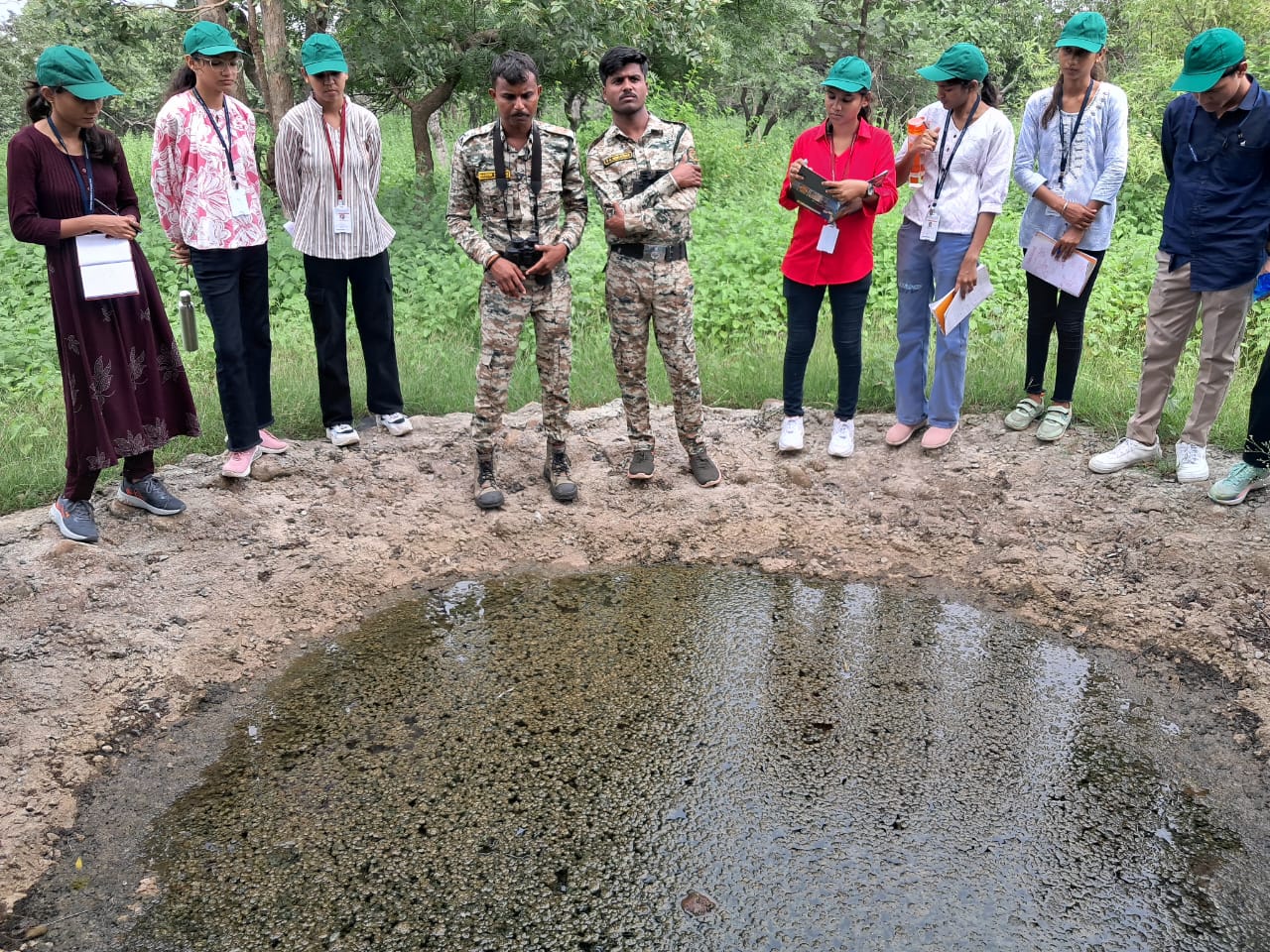 Water holes for Wildlife serve as the best places for observing Wildlife tracks and Signs | 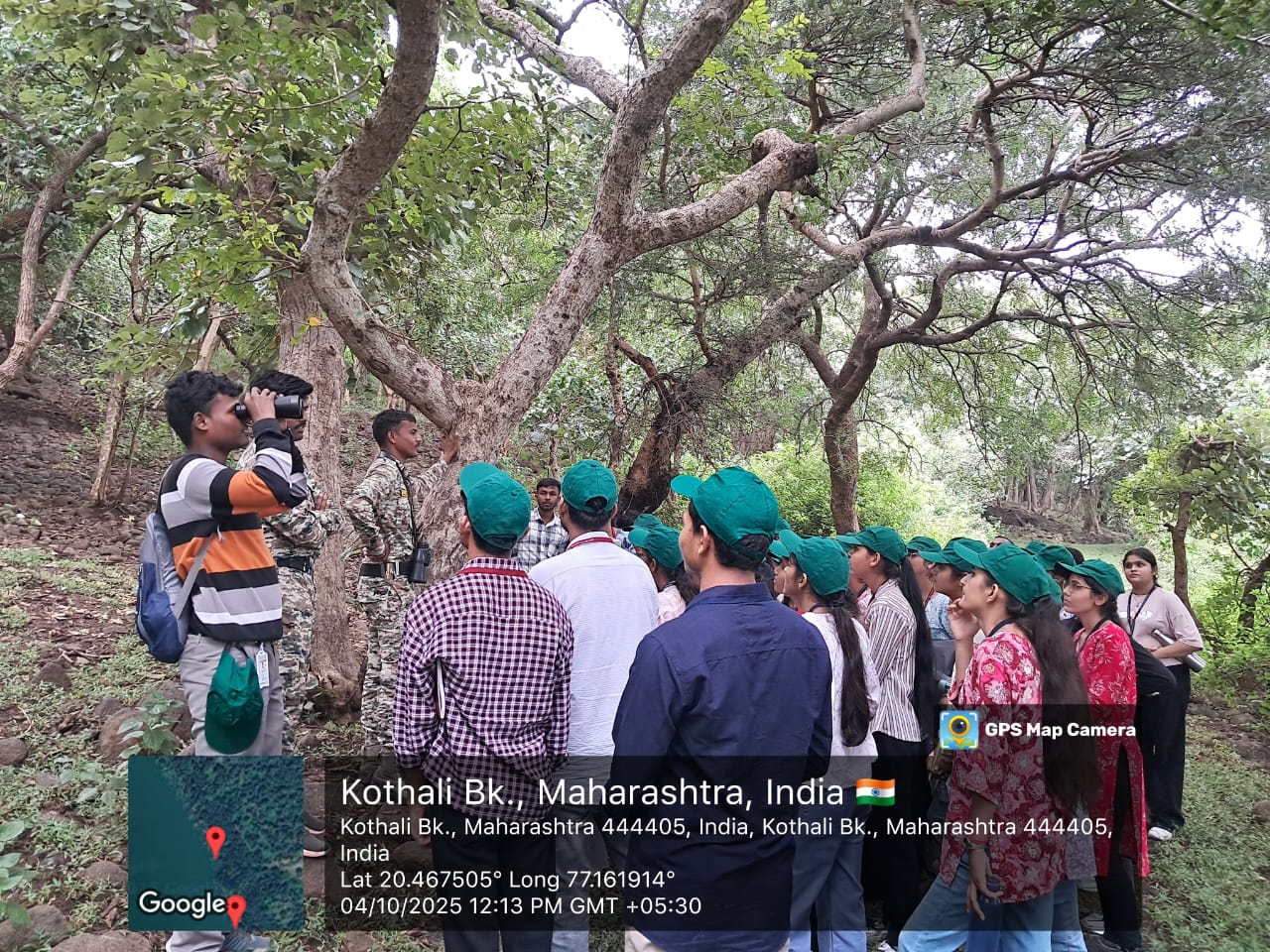 Students using binoculars to observe bird species and canopy structure under the guidance of forest officials. |
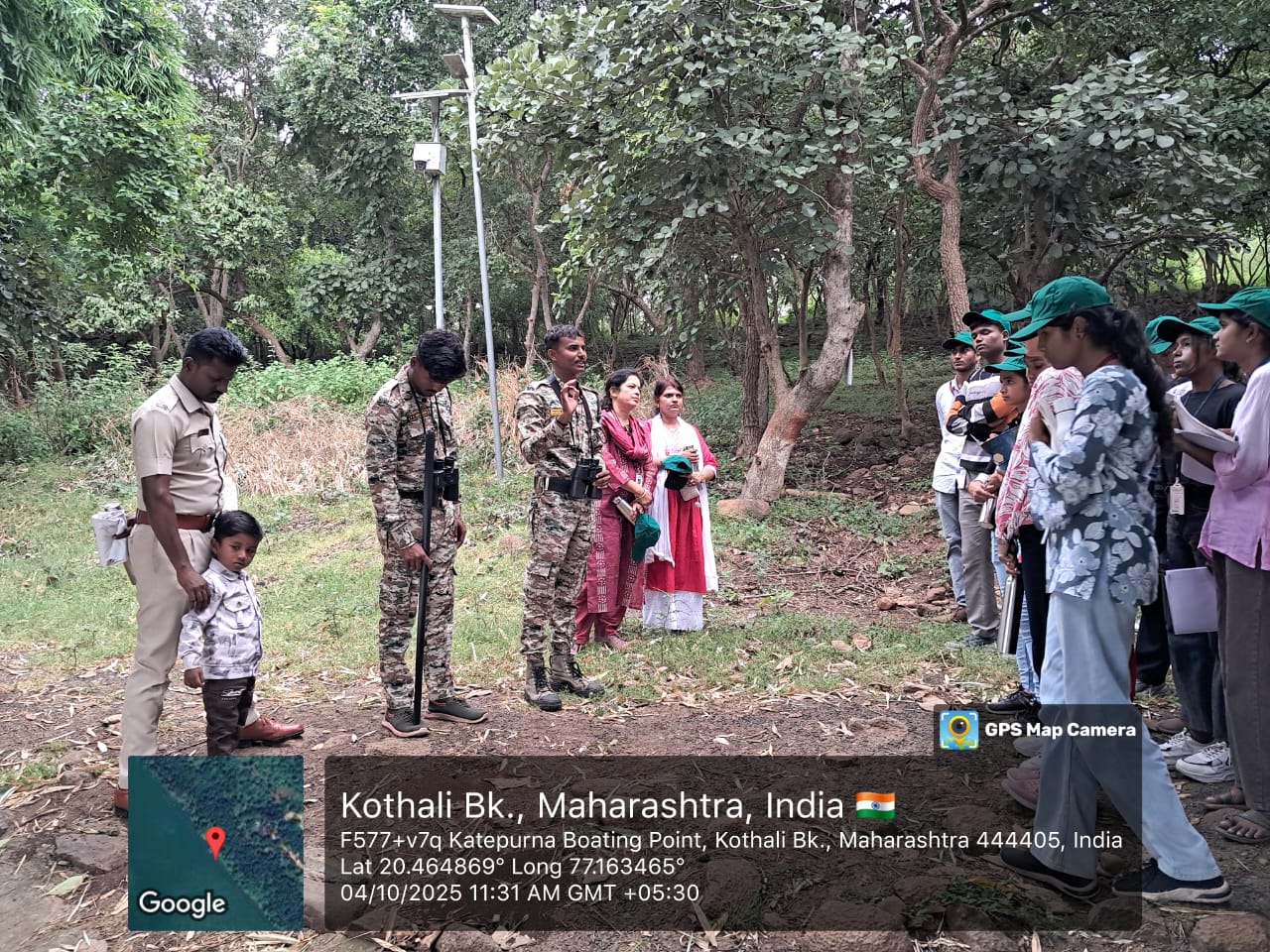 Minor research project–based learning during the study of wildlife tracks and signs at Katepurna Wildlife Sanctuary. Forest officer demonstrate identification of animal tracks, signs, and ecological indicators in a natural habitat. | 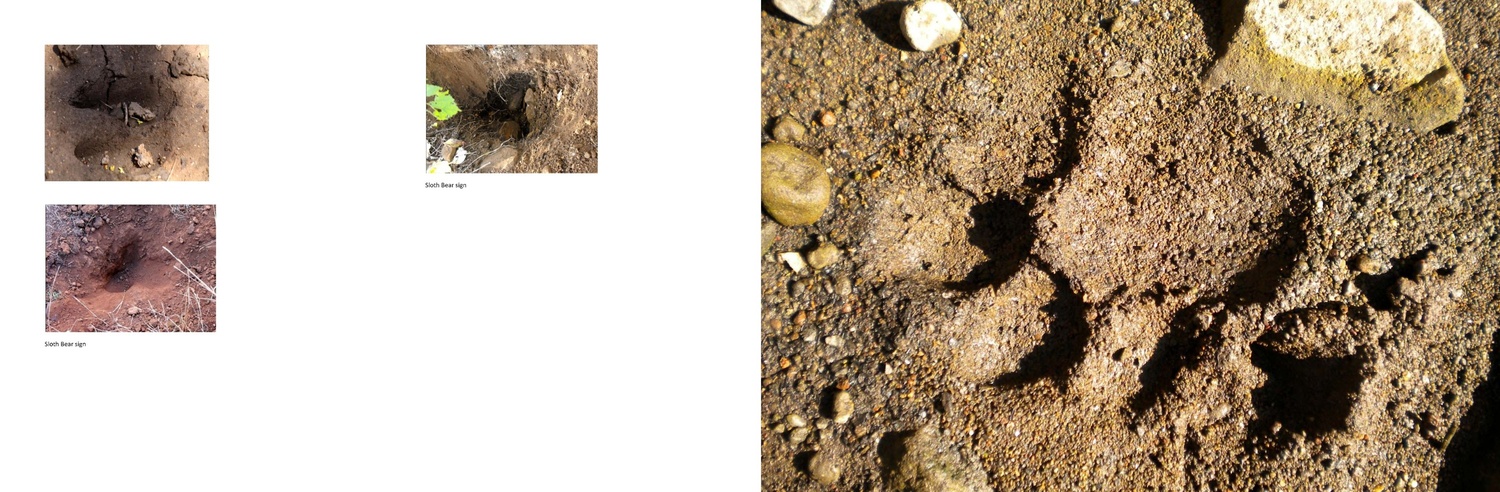 Distinct animal footprints and digging signs were observed on moist soil, indicating the presence and activity of wild species such as sloth bear and other forest fauna. |
Attendance Sheet:
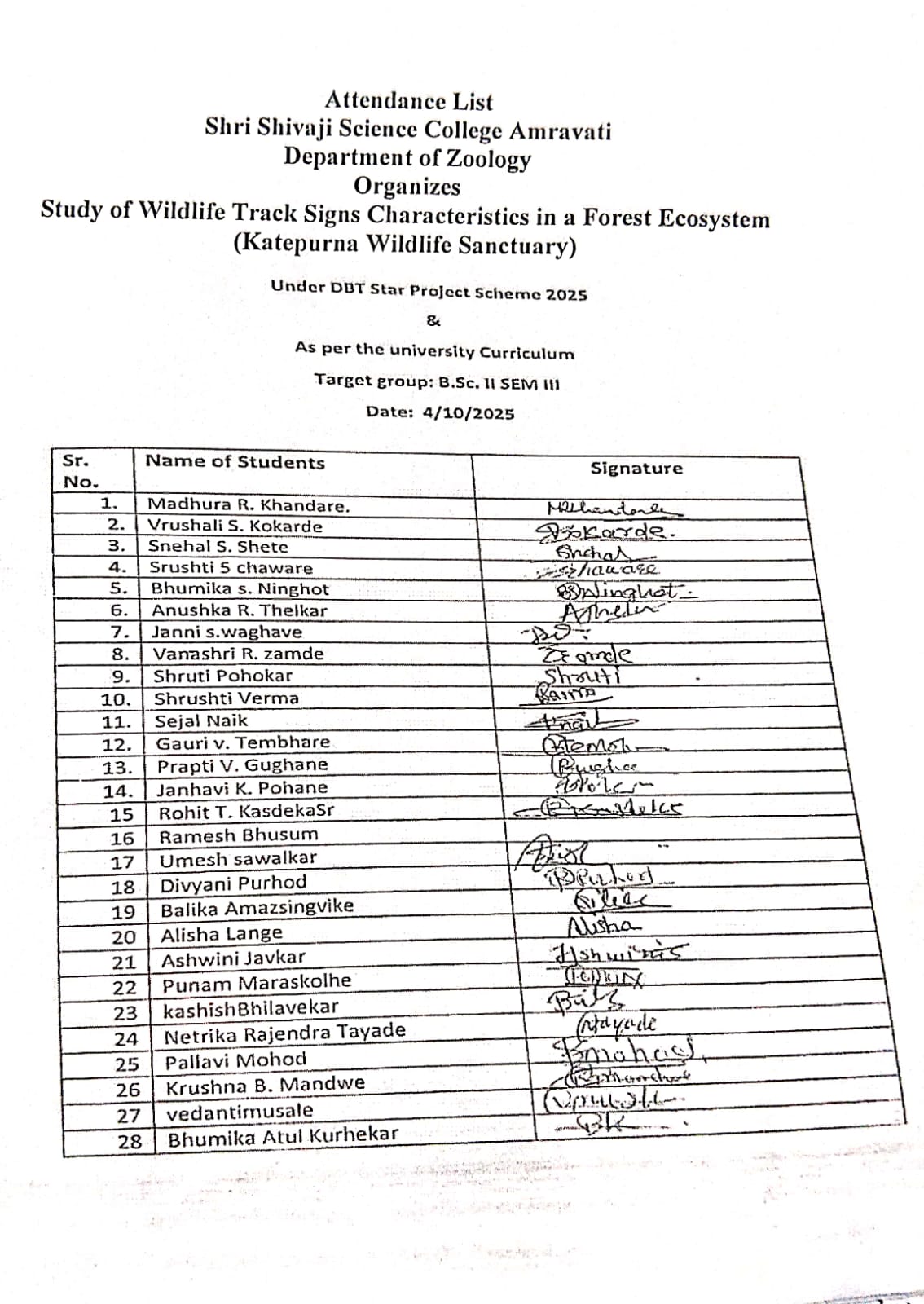 Sheet |
 Sheet |