SHRI SHIVAJI SCIENCE COLLEGE, AMRAVATI
DBT STAR COLLEGE PROJECT ACTIVITY
ACTIVITY REPORT

Study of Wildlife Scat Characteristics in Forest Ecosystem of Katepurna Wildlife Sanctuary
Activity Dates: 4 th October 2025
Type of Activity: Minor Research Project
Organizing Department: Department of Zoology
Program Coordinators: Dr. Dr. G. A. Wagh, Dr. P.M. Ramteke, Dr. G.D. Hande
Head of the Department: Dr. J. D. Dhote
External Collaborator (if any): Melghat Tiger Reserve
Objectives:
- To develop practical skills in identifying wildlife using both direct observation and indirect evidence, such as scat.
- To study the diversity of herbivorous and carnivorous animals in a natural forest ecosystem.
- To understand the ecological importance of the Katepurna reservoir in sustaining biodiversity.
- To enhance fieldwork techniques, including data collection, observation, and documentation.
- To strengthen students’ analytical and presentation skills through group-based learning.
No of Beneficieries: 41
Classes Involved: B.Sc. II Students
Venue of the Activity: Katepurna Wildlife Sanctuary
Activity Report:
The Department of Zoology, Shri Shivaji Science College, Amravati, organized an educational field visit regarding the minor research project to Katepurna Wildlife Sanctuary under the DBT Star College Scheme with the aim of providing undergraduate students with practical exposure to wildlife ecology and biodiversity studies. Such field-based learning experiences under the Minor research project are integral to zoological education, as they allow students to move beyond classroom-based theoretical knowledge and engage directly with natural ecosystems. The visit was carefully designed to introduce students to ecological observation, biodiversity assessment, and modern non-invasive research techniques such as scat identification.
Katepurna Wildlife Sanctuary, located in the Vidarbha region of Maharashtra, represents an ecologically important area that includes the catchment zone of the Katepurna reservoir. The sanctuary is dominated by Southern Tropical Deciduous Forests, which are characterized by seasonal leaf shedding as an adaptation to water scarcity during dry periods. This dynamic vegetation pattern creates a diverse and productive ecosystem capable of supporting a wide range of plant and animal species. The presence of the reservoir further enhances ecological diversity by supporting aquatic life and attracting numerous bird species, making the sanctuary a valuable site for integrated ecological studies.
The field excursion regarding the minor research project began early in the morning, with students assembling on the college campus and departing enthusiastically for the site. Upon reaching the sanctuary at around 10:00 AM, students were briefed by faculty members on safety protocols, the objectives of the visit, and the methodologies to be followed during fieldwork regarding the Minor Research project. This structured orientation ensured that students approached the field study regarding the Minor research project systematically and scientifically. Throughout the visit, students actively engaged in observation, documentation, and interpretation of ecological data, thereby gaining hands-on experience in field research techniques under the Minor Research Project
A major component of the study involved understanding the ecological profile of the sanctuary, particularly its flora and fauna. The vegetation observed in the sanctuary included several ecologically and economically important species such as Aola (Emblica officinalis), Tendu (Diospyros melanoxylon), Bahada (Terminalia bellirica), Salai (Boswellia serrata), Moha (Madhuca longifolia), and Dhawada (Anogeissus latifolia). These plant species play a crucial role in maintaining ecosystem stability by providing food, shelter, and breeding habitats for wildlife. For example, the flowers of Moha serve as an important food source for mammals and birds, while Tendu leaves contribute both economically and ecologically. The seasonal variations in vegetation also influence herbivore feeding behavior, which in turn affects predator distribution and overall trophic dynamics within the ecosystem.
The faunal diversity of the sanctuary further highlighted its ecological richness. Students observed or recorded the presence of several mammalian species, including Nilgai (Blue Bull), Leopard, Jungle Cat, Wild Boar, Hyena, Wolf, Monkey, and Hare. The sanctuary also supports rare species such as the Four-horned Antelope (Tetracerus quadricornis) and Barking Deer (Muntiacus muntjak), which are considered indicators of relatively undisturbed habitats. In addition to mammals, the sanctuary exhibited significant avian diversity, especially around the reservoir. Birds such as peafowl, eagles, woodpeckers, and black-winged kites were observed, demonstrating the ecological importance of the habitat for both resident and migratory species. Birds contribute significantly to ecosystem functioning through pollination, seed dispersal, and serving as indicators of environmental health.
One of the most important and educational aspects of the field visit regarding the Minor Research Project was the study of wildlife through scat identification. Scat analysis is a widely accepted non-invasive method in wildlife research, particularly useful for studying elusive, nocturnal, or rare animals that are difficult to observe directly. By examining animal droppings, researchers can infer species presence, dietary habits, habitat use, and even population dynamics without disturbing the animals.
Students were trained to identify herbivore scat based on characteristics such as size, shape, and texture. For instance, Nilgai scat appeared as medium to large pellet-like clusters, while Sambar deer droppings were larger, rounded, and typically found in forested areas. Spotted deer (Chital) produced smaller, oval pellets grouped, reflecting their grazing behavior. Indian Gaur dung resembled cattle dung but was firmer, indicating their presence in deeper forest regions. Hare droppings were small, dry, and round pellets commonly found in open grasslands. These variations in scat morphology are directly related to the feeding habits and digestive physiology of herbivorous animals.
Carnivore scat identification required students to observe features such as cylindrical shape, pungent odor, and the presence of undigested remains like hair, bones, and feathers. Leopard scat, for example, was cylindrical and often contained fur and bone fragments, typically deposited along trails to mark territory. Sloth bear scat varied in composition depending on diet and often contained seeds, fruits, and insect remains. Wild boar scat reflected its omnivorous diet, containing both plant and animal matter. Dhole (wild dog) scat was elongated and frequently found in clusters, indicating pack behavior. Through these observations, students gained insights into predator-prey relationships and trophic interactions within the ecosystem.
In addition to scat analysis, students also examined hair samples collected from the field. Microscopic observation of hair characteristics such as medulla pattern, cuticle structure, and pigmentation helped in identifying animal species. Samples of Sambar and wild boar hair were analyzed, along with some unidentified samples, allowing students to understand the principles of wildlife forensics and species identification.
The importance of scat analysis and related techniques was emphasized during the visit. These methods are essential tools in wildlife conservation as they enable researchers to monitor animal populations without direct interference. They provide valuable data on feeding behavior, habitat utilization, and seasonal variations in diet. Moreover, such techniques contribute to understanding nutrient cycling and ecological balance within ecosystems. For students, exposure to these methods enhanced their analytical abilities and introduced them to modern approaches in wildlife research.
To encourage active participation and collaborative learning, students were divided into groups, each focusing on specific aspects such as plant identification, wildlife observation, ecological interactions, and human impact assessment. Each group collected data, maintained field notes, and documented observations through photographs. Later, students presented their findings, promoting peer learning and scientific discussion. This group-based approach fostered teamwork, critical thinking, and communication skills, which are essential for scientific research.
Another significant component of the visit was the conservation activity involving seed ball dispersal. Students prepared seed balls using a mixture of seeds, soil, and organic matter and dispersed them in suitable areas within the sanctuary. This technique is an effective and low-cost method of afforestation and habitat restoration, particularly in degraded regions. The activity provided practical exposure to conservation strategies and highlighted the importance of community involvement in environmental protection.
Conclusion:
Overall, the field visit to Katepurna Wildlife Sanctuary regarding the minor research project proved to be an enriching educational experience. It successfully integrated theoretical knowledge with practical application, allowing students to gain a comprehensive understanding of wildlife ecology and conservation. The combination of biodiversity observation, scat analysis, forensic techniques, and conservation practices provided a holistic learning platform. Such initiatives play a crucial role in developing scientific skills, environmental awareness, and a sense of responsibility towards nature among students. Ultimately, field-based programs like this contribute to shaping future zoologists and environmentally conscious citizens who are better equipped to address ecological challenges.
Outcomes:
- Enhanced Wildlife Identification Skills: Students learned to identify animals through direct sightings and scat analysis.
- Understanding of Ecosystem Dynamics: Students gained insight into interactions between flora, fauna, and water resources.
- Development of Field Skills: Practical experience in observation, data recording, and teamwork was achieved.
- Scientific Data Collection: Field notes and photographic records were collected for future reference.
- Conservation Awareness: Participation in seed ball activity instilled environmental responsibility.
Photos:
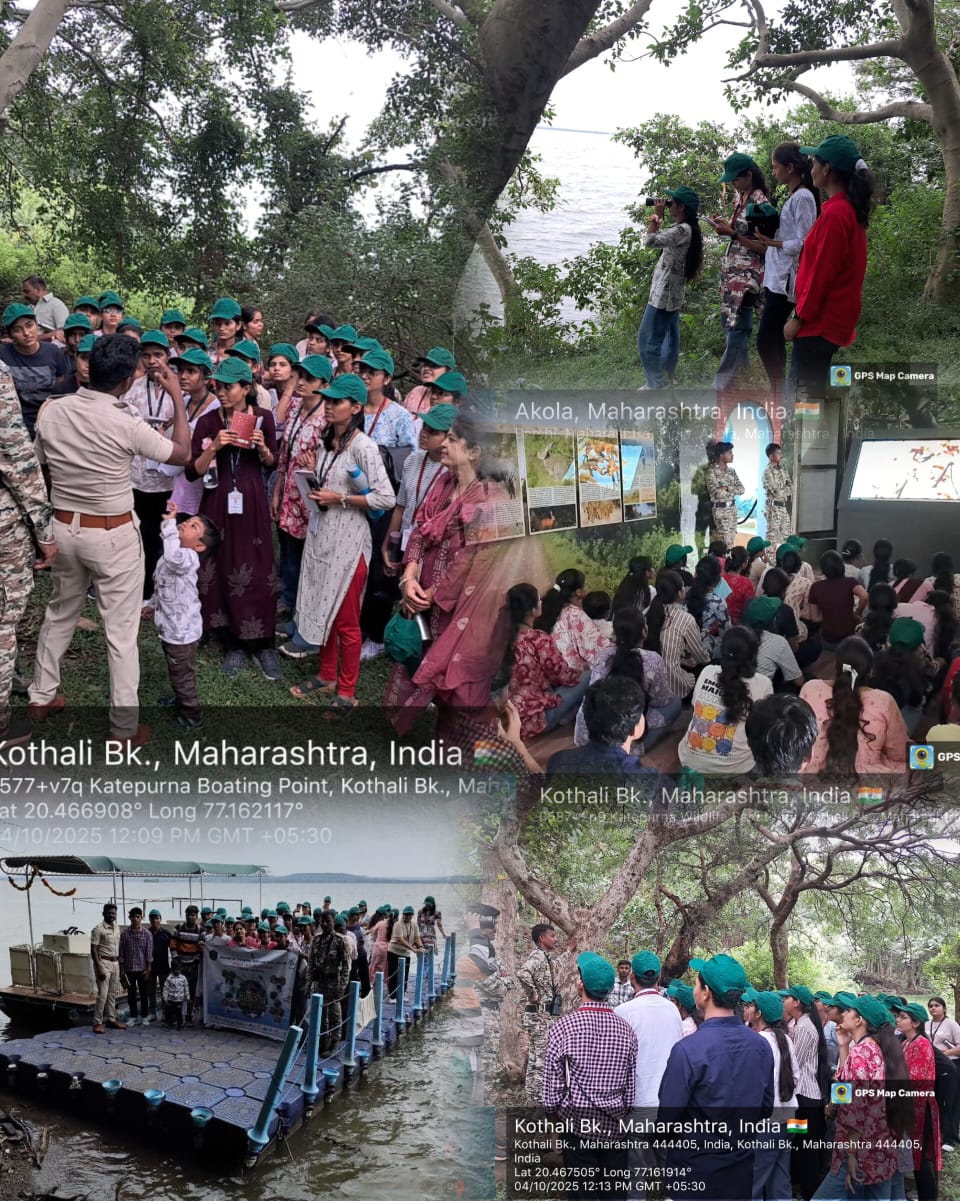 Learning from the Experts: Engaging with forest officials to understand crucial conservation efforts firsthand. | 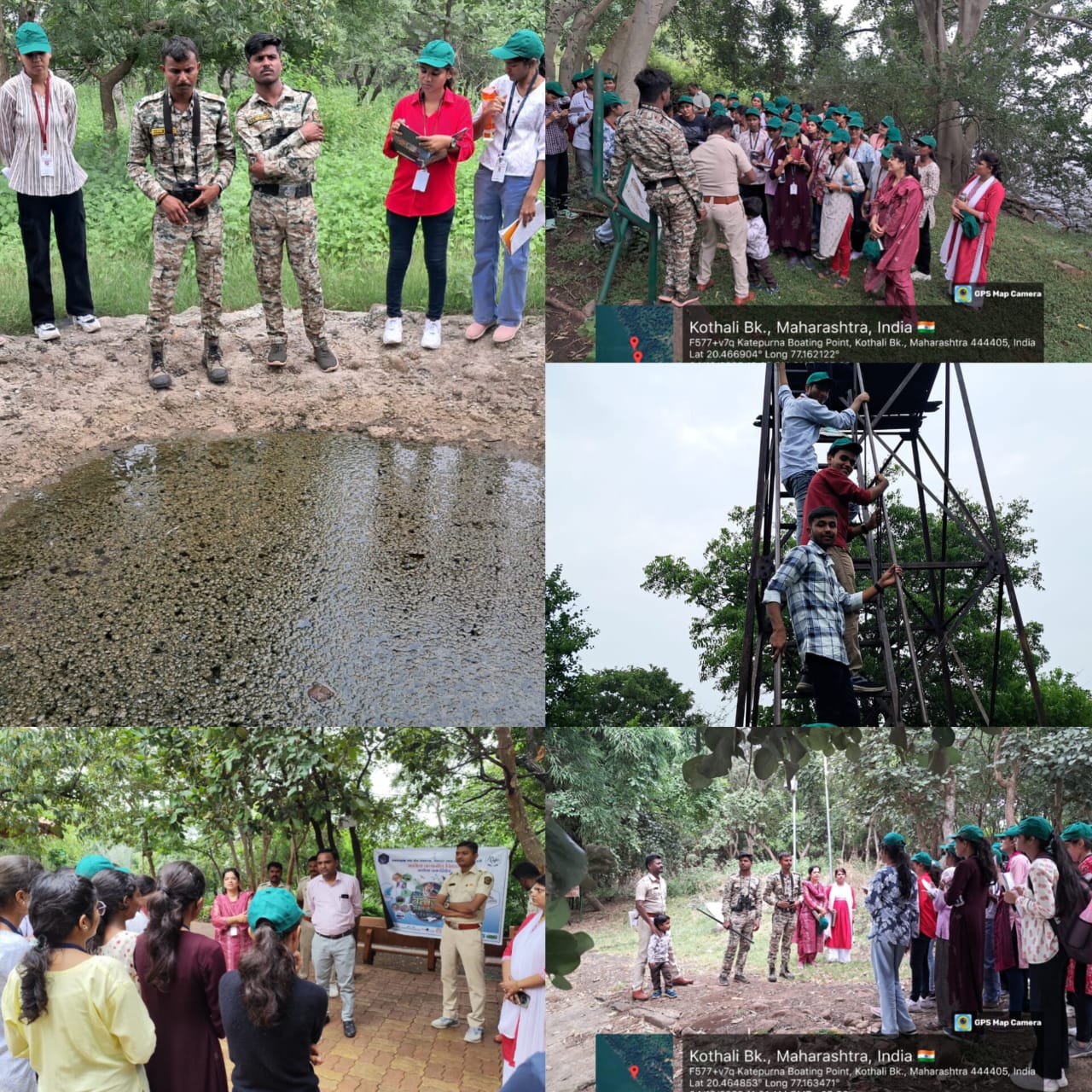 Students observing and identifying scat and field signs of herbivorous and carnivorous animals during a wildlife study. |
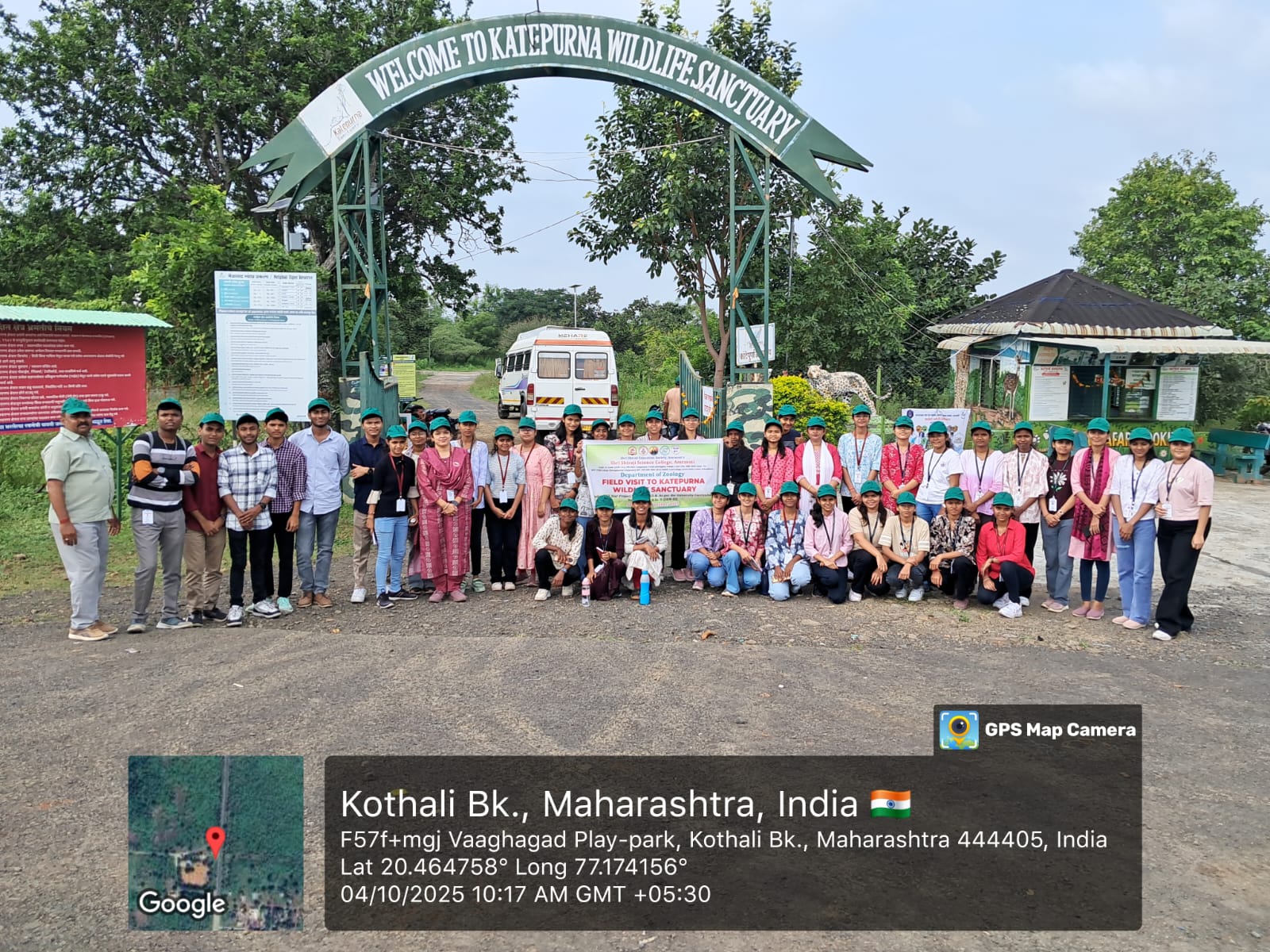 Our research team of students and faculty has arrived at Katepurna Wildlife Sanctuary to begin our Minor Research Project. We are conducting scat analysis of wild animals to study dietary patterns and assess the ecological health of the local fauna. | 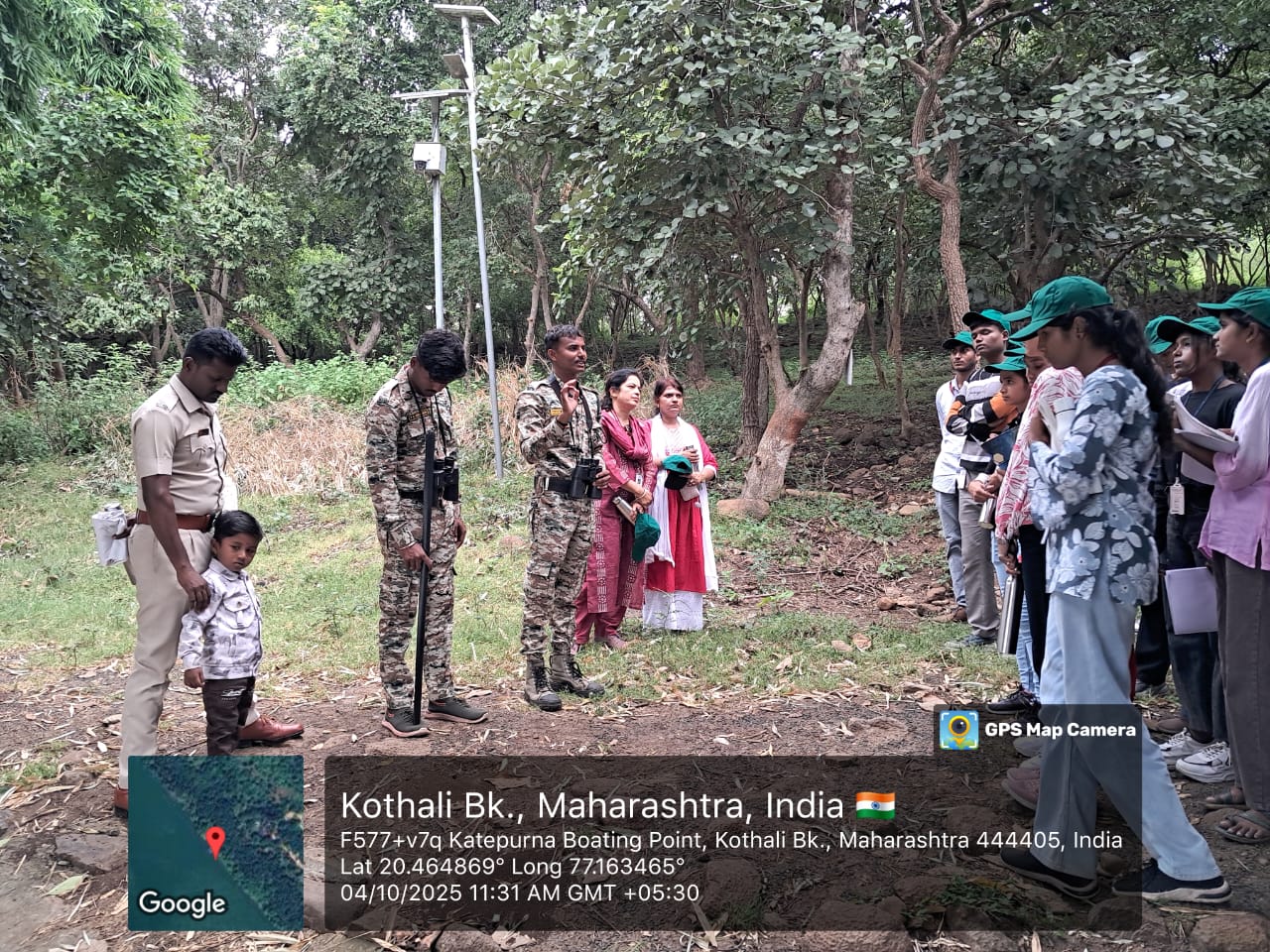 The team is utilizing field kits and GPS mapping to identify and document wildlife scat characteristics within the sanctuary. This systematic data collection is vital for accurately assessing the dietary habits and distribution of the local fauna. |
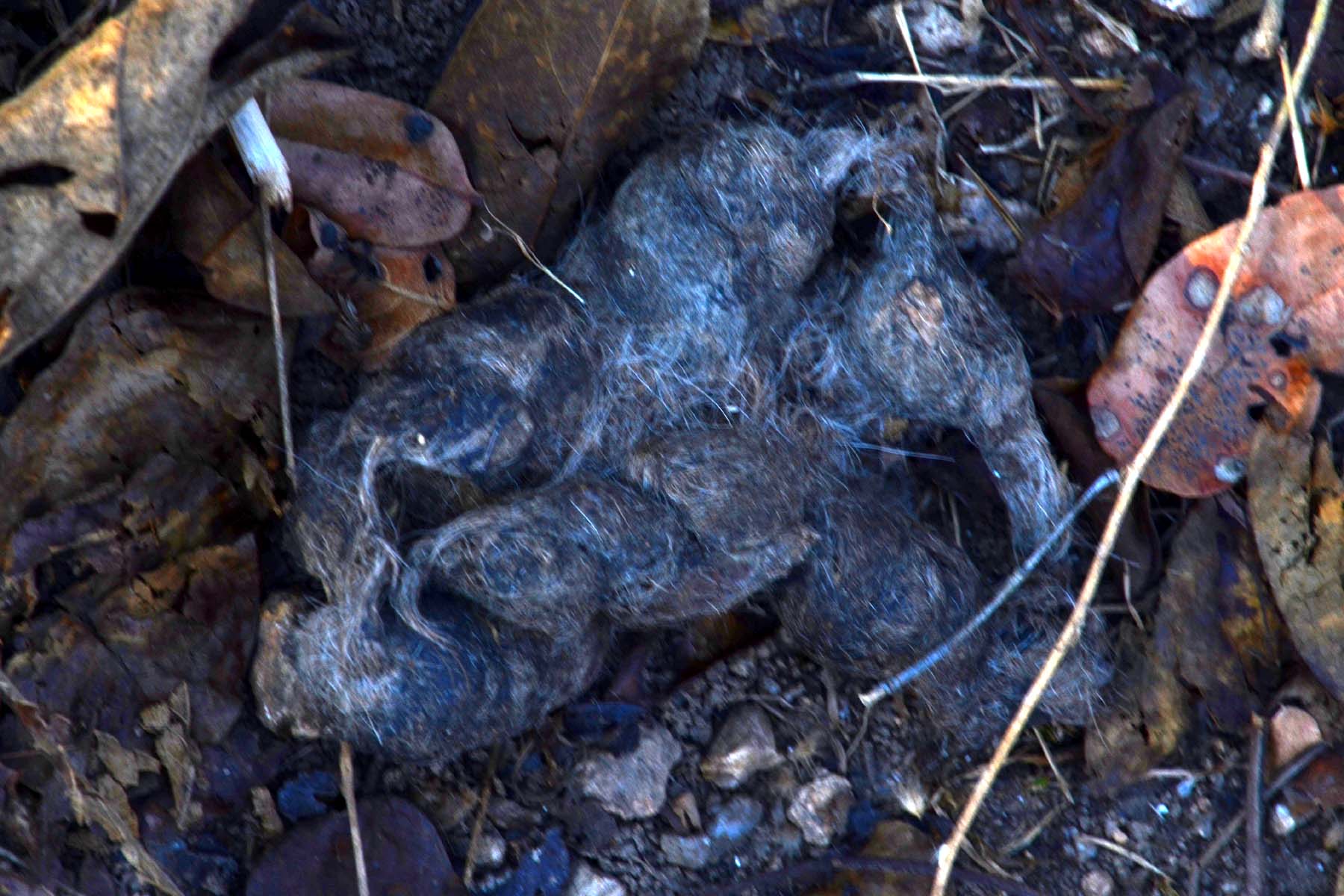 Field Observation: Analysis of Large Predator Scat Our team of Students identified and documented a specimen consistent with tiger scat, notable for its significant hair content and segmented morphology. | 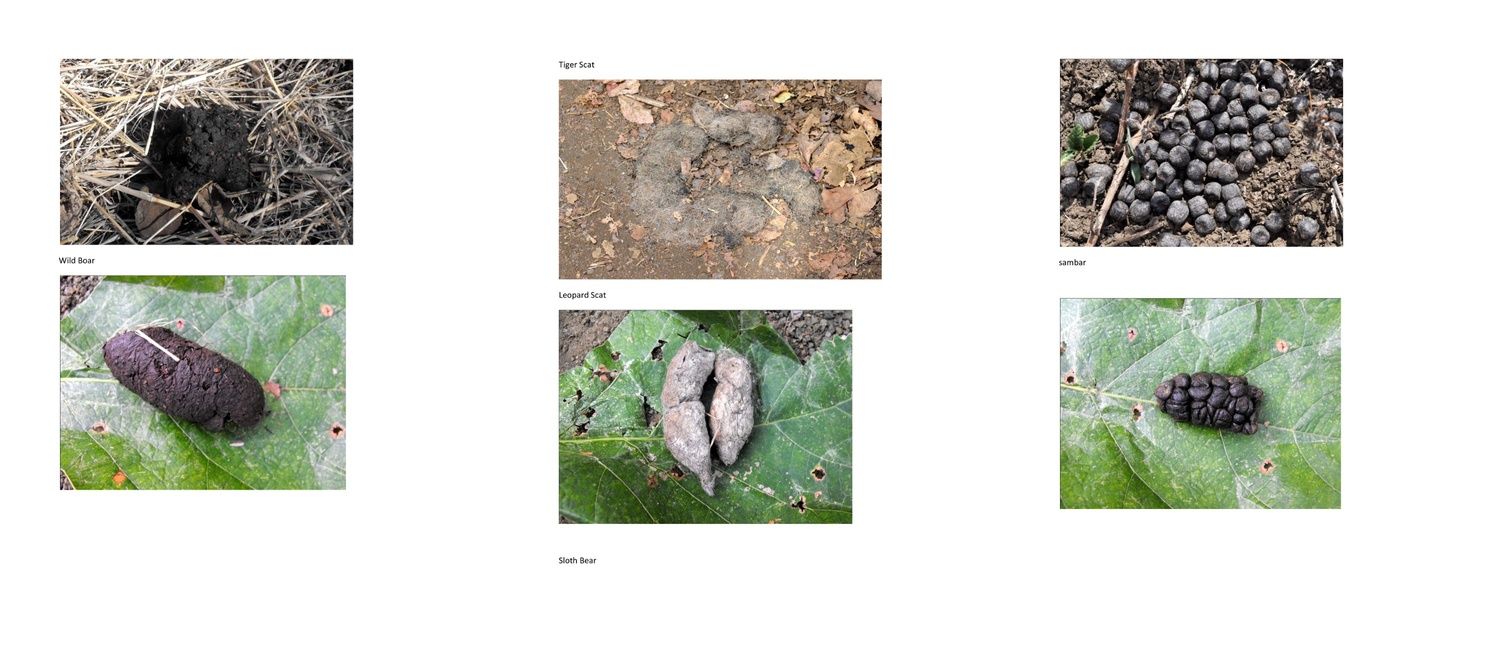 From Pellets to Piles: Identifying Local Wildlife Through Scat Analysis. |
Attendance Sheet:
 Sheet |
 Sheet |