SHRI SHIVAJI SCIENCE COLLEGE, AMRAVATI
DBT STAR COLLEGE PROJECT ACTIVITY
ACTIVITY REPORT

World Sparrow Day -2026- Awareness & Conservation Program
Activity Dates: Date: 25 March, 2026
Type of Activity: Outreach Activity
Organizing Department: Department of Zoology
Program Coordinators: Dr. G.A. Wagh Dept. DBT Coordinator ;Activity In charge: Dr. G. D. Hande
Head of the Department: Prof. J.D. Dhote
External Collaborator (if any): -
Objectives:
- 1) To prevent the transmission of infections through proper sterilization techniques.
- 2) To create public awareness about the decreasing population of sparrows in urban and rural environments.
- 3) To encourage conservation practices such as providing food, water, and nesting spaces for sparrows.
- 4) To highlight the impact of urbanization, pollution, and habitat loss on sparrow survival.
- 5) To promote awareness about the conservation of sparrows and other birds
No of Beneficieries: 35
Classes Involved: BSc II
Venue of the Activity: Department of Zoology UG Laboratory
Activity Report:
World Sparrow Day is celebrating every year on March 20 to draw attention to the alarming decline in the population of the House Sparrow, a bird once commonly found in human settlements. The idea was initiated by Nature Forever Society of India, founded by conservationist Mohammed Dilawar, in collaboration with the Eco-Sys Action Foundation (France) and other international partners. The goal was simple but powerful: to raise awareness about the disappearing sparrows and inspire communities to take practical conservation action. Since then, it has grown into a global movement celebrated in many countries. The main purpose of this day is to raise awareness about the threats faced by sparrows, including urbanization, loss of nesting spaces, increased pollution, use of pesticides, and scarcity of food sources. Modern architectural designs, which lack small openings and cavities, have also reduced natural nesting sites for sparrows.
Various activities are organized on this occasion, especially in schools, colleges, and environmental organizations. These include awareness campaigns, seminars, poster-making competitions, bird feeding programs, installation of nest boxes, and educational workshops. Such initiatives help people understand the importance of conserving not only sparrows but also other common urban birds. Ecologically, sparrows play an important role in controlling insect populations and maintaining the balance of ecosystems. Their decline is considered an indicator of environmental degradation. Therefore, conserving sparrows indirectly supports overall biodiversity.
Shri Shivaji Science College, Amravati, continues its tradition of promoting environmental awareness and scientific learning. The Department of Zoology, under the Green Research Club and DBT Star Project Scheme 2026, organized “Sparrow Day 2026” for BSc students on 25 March 2026. The World Sparrow Day 2026 theme is "Creating Bird-Friendly Cities & Communities". Celebrated on March 20th, this year's focus emphasizes urban planning, habitat protection, and community efforts to bring back the chirp of house sparrows amidst rapid urbanization. Other associated themes often featured are "I Love Sparrows" and "Save Sparrows, Save the Environment". There are several major threats to sparrows. The loss of habitat is a key issue, as modern buildings often do not provide spaces for nesting. Food scarcity is another problem, as there are fewer insects and grains available in cities. Pollution, including air and noise pollution, negatively affects their survival. The use of pesticides reduces the number of insects, which are a primary food source for sparrows. Additionally, there are concerns that radiation from mobile towers may impact sparrows, although this is still debated. There are simple ways people can help protect sparrows. Installing nest boxes in balconies or trees can provide safe nesting spaces. Keeping water bowls outside helps them stay hydrated, especially during hot weather. Offering grains such as millet or rice can support their diet. Growing native plants can attract insects, providing natural food sources. Avoiding chemical pesticides can also make a positive difference.
The program included awareness activities on sparrow conservation, distribution of eco-friendly earthen water bowls for birds, and educational discussions on biodiversity and environmental conservation. It also promoted the concept of a Green Campus–Clean Campus and highlighted the importance of waste management, water conservation, energy conservation, and biodiversity protection. The Department of Zoology distributed eco-friendly earthen clay water bowls to students to help provide water for birds during the scorching heat. The department has distributed water bowls to students to provide drinking water for sparrows during the summer season. Students are encouraged to keep these bowls in safe and shaded places like balconies, windows, or gardens. Clean and fresh water should be filled daily to maintain hygiene and attract birds. This initiative helps in protecting sparrows and conserving urban biodiversity. Providing water to birds is a small step towards environmental responsibility and compassion for living beings. Students are also requested to create awareness among others about the importance of saving sparrows. These bowls were given to representatives of the Green Research Club as part of an awareness and sensitization programme.
In rapidly growing cities , urban development has reduced natural spaces for sparrows to live and feed. This makes awareness and small conservation efforts even more important. Sparrows play an important role in the ecosystem. They help control insect populations by feeding on small insects, especially during the breeding season when they need protein for their chicks. They also contribute to seed dispersal, which supports plant growth. Because sparrows are sensitive to environmental changes, their decline is often seen as a warning sign of environmental problems such as pollution and habitat loss. Urbanization is one of the main reasons for the disappearance of sparrows. Modern buildings are designed in a way that leaves no space for birds to build nests, unlike older houses that had small openings and ledges. In addition, the widespread use of glass, steel, and concrete has made cities less bird-friendly. The reduction of green spaces, trees, and open areas has further limited their natural habitat. Another major factor is the lack of food. Sparrows feed on grains and insects, but with fewer gardens, farms, and natural vegetation in cities, these food sources have become scarce. The heavy use of pesticides in agriculture and gardening kills insects, which are essential for young sparrows. Pollution, including air and noise pollution, can disturb their breeding patterns and overall health.
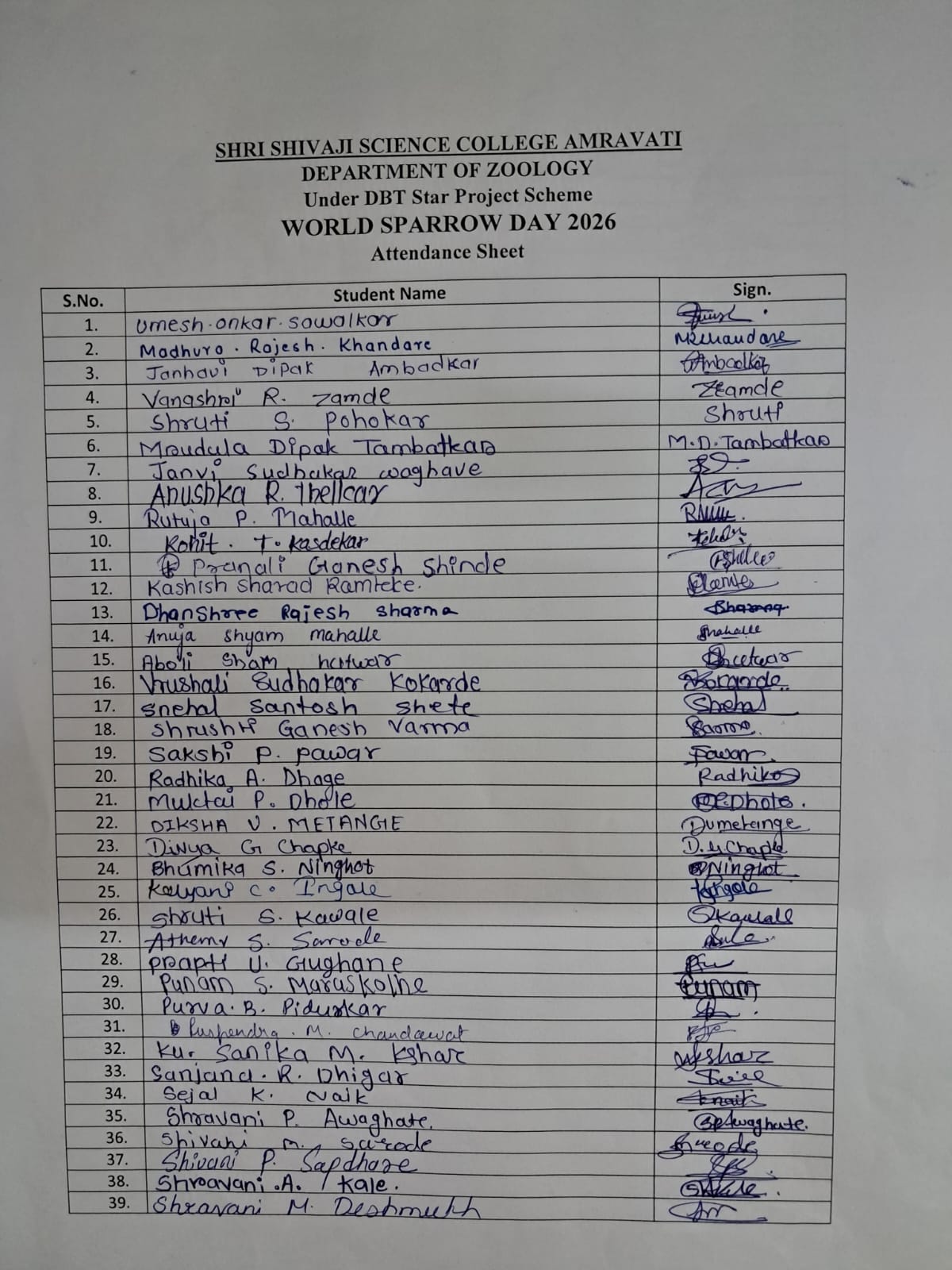
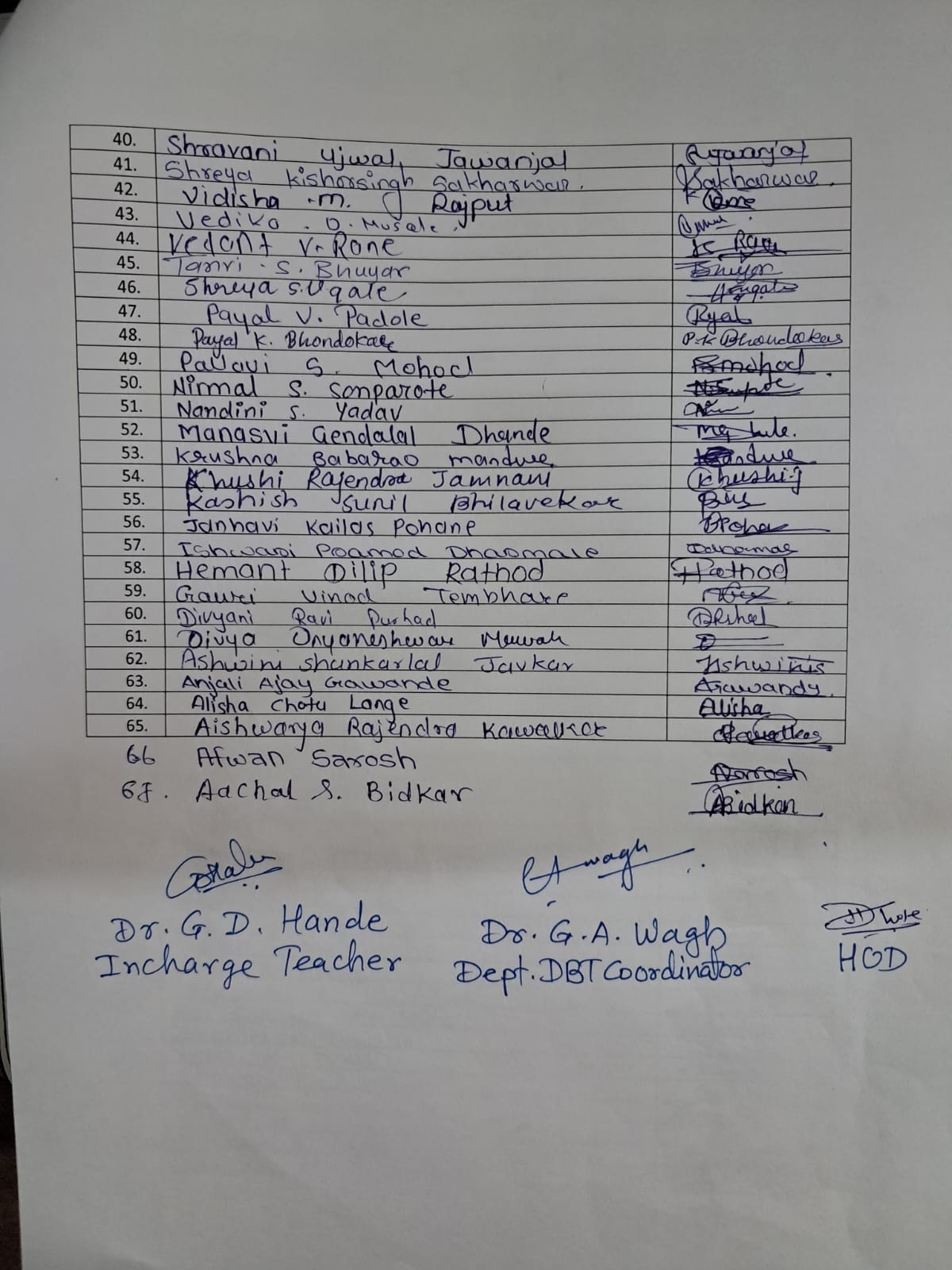
There are also concerns about the impact of electromagnetic radiation from mobile towers, although scientific evidence on this issue is still not fully conclusive. However, it has raised awareness about the need to study the effects of modern technology on wildlife. A total of 35 students were present during the program.
The house sparrow remains one of the most widely recognized birds in human settlements and has adapted to living alongside humans over centuries. Overall, the event contributed to the development of scientific knowledge, environmental responsibility, and conservation ethics among students. The key message of World Sparrow Day is that protecting sparrows helps maintain biodiversity and supports a healthier environment overall.
The program commenced at 3:00 PM with the welcome of students and faculty members. Dr. G. D. Hande introduced the programme and emphasized the importance of World Sparrow Day as a platform for conservation awareness and collaboration. The event was conducted under the guidance of Prof. J. D. Dhote, Head of the Department of Zoology, and Prof. G. A. Wagh, DBT Coordinator. Faculty members including Dr. S. V. Gawande, Dr. P. M. Ramteke, Dr. S. J. Kawade, and Dr. A. R. Rajoria actively participated along with non-teaching staff.
Outcomes:
- Greater community participation in conservation activities such as installing nest boxes and feeders. .
- Enhanced student engagement in biodiversity studies, bird watching, and research activities.
- Promotion of sustainable urban living practices that support bird habitats.
- Strengthening of conservation campaigns and local initiatives for protecting urban wildlife.
- Increased efforts toward habitat restoration and protection of common bird species.
Photos:
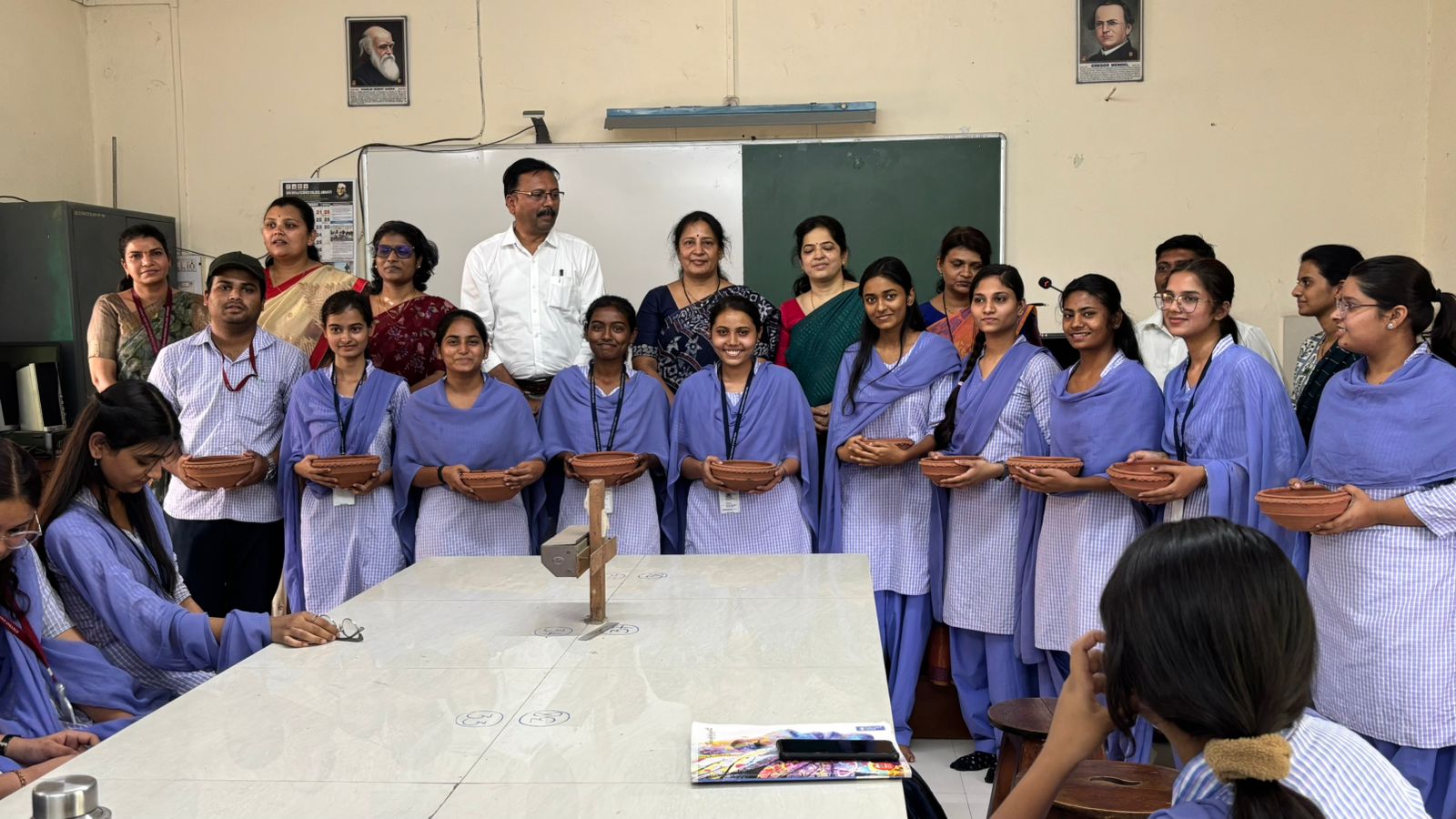 BSc Students attended the awareness program | 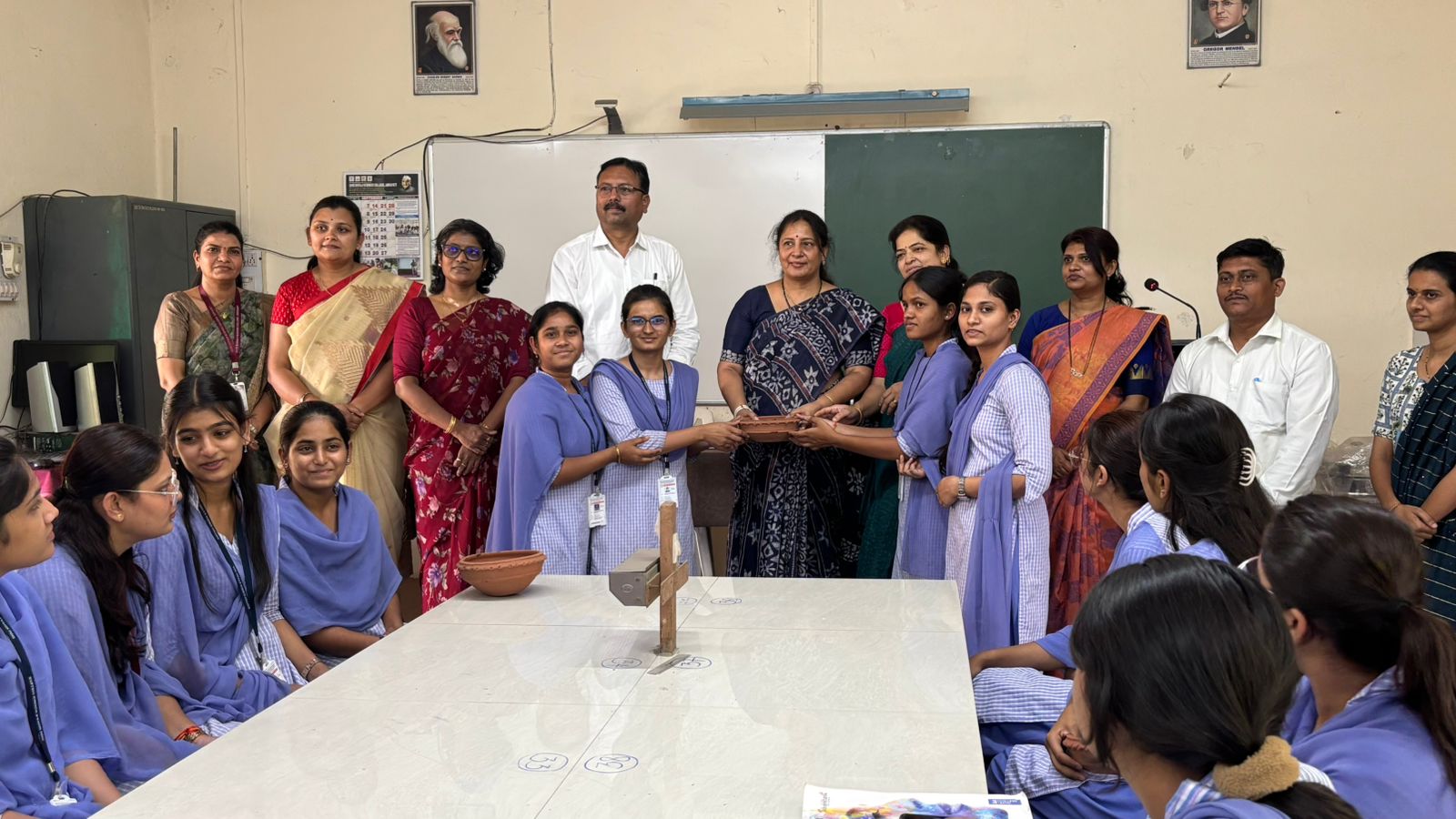 Water Bowl distribution address to students by Prof. J. D. Dhote Head Dept. of Zoology |
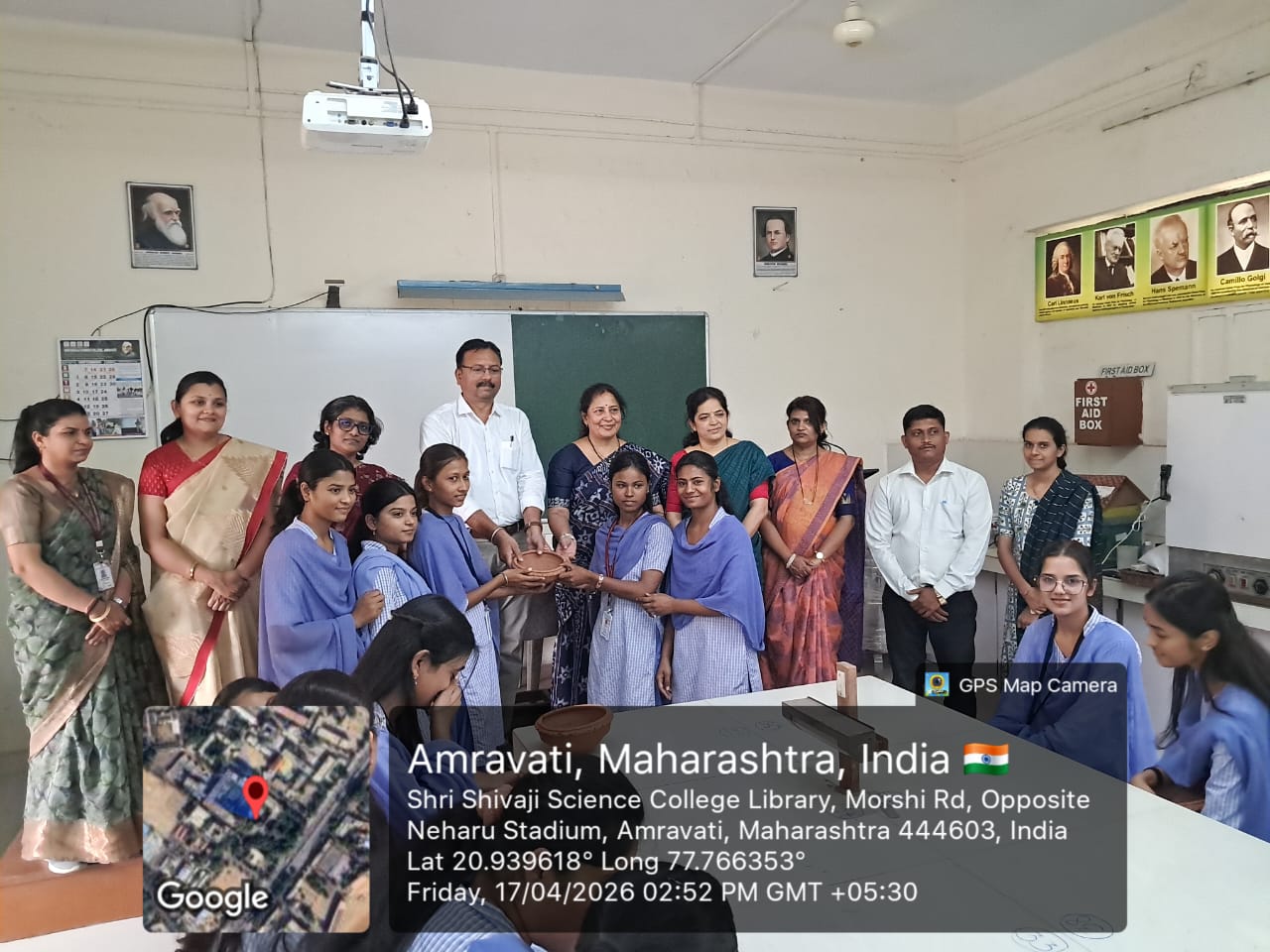 Water Bowl distribution to students by Faculty Members from Dept. of Zoology | 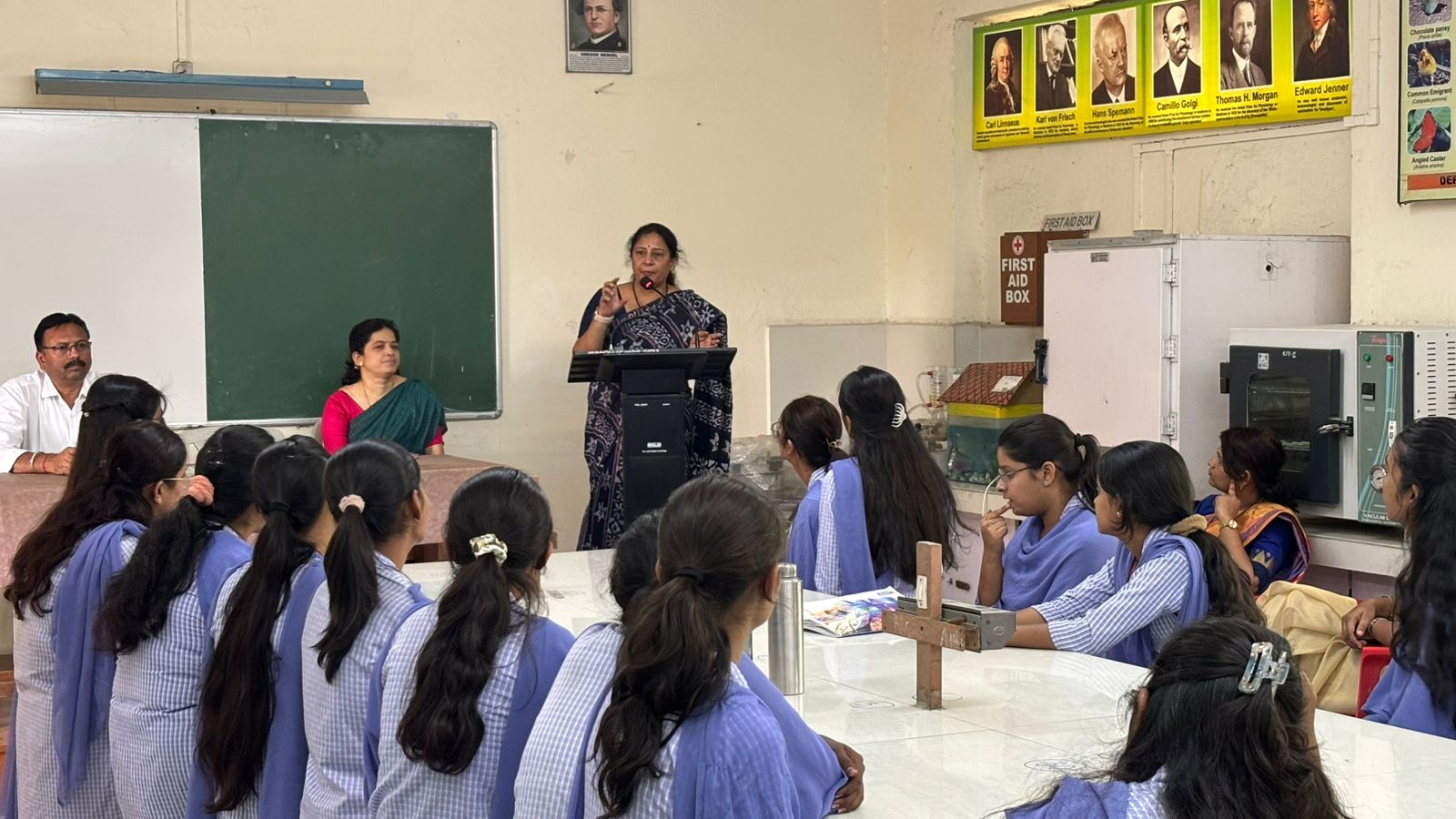 Prof. J. D. Dhote Head Department of Zoology addressing the students about conservation of sparrow |
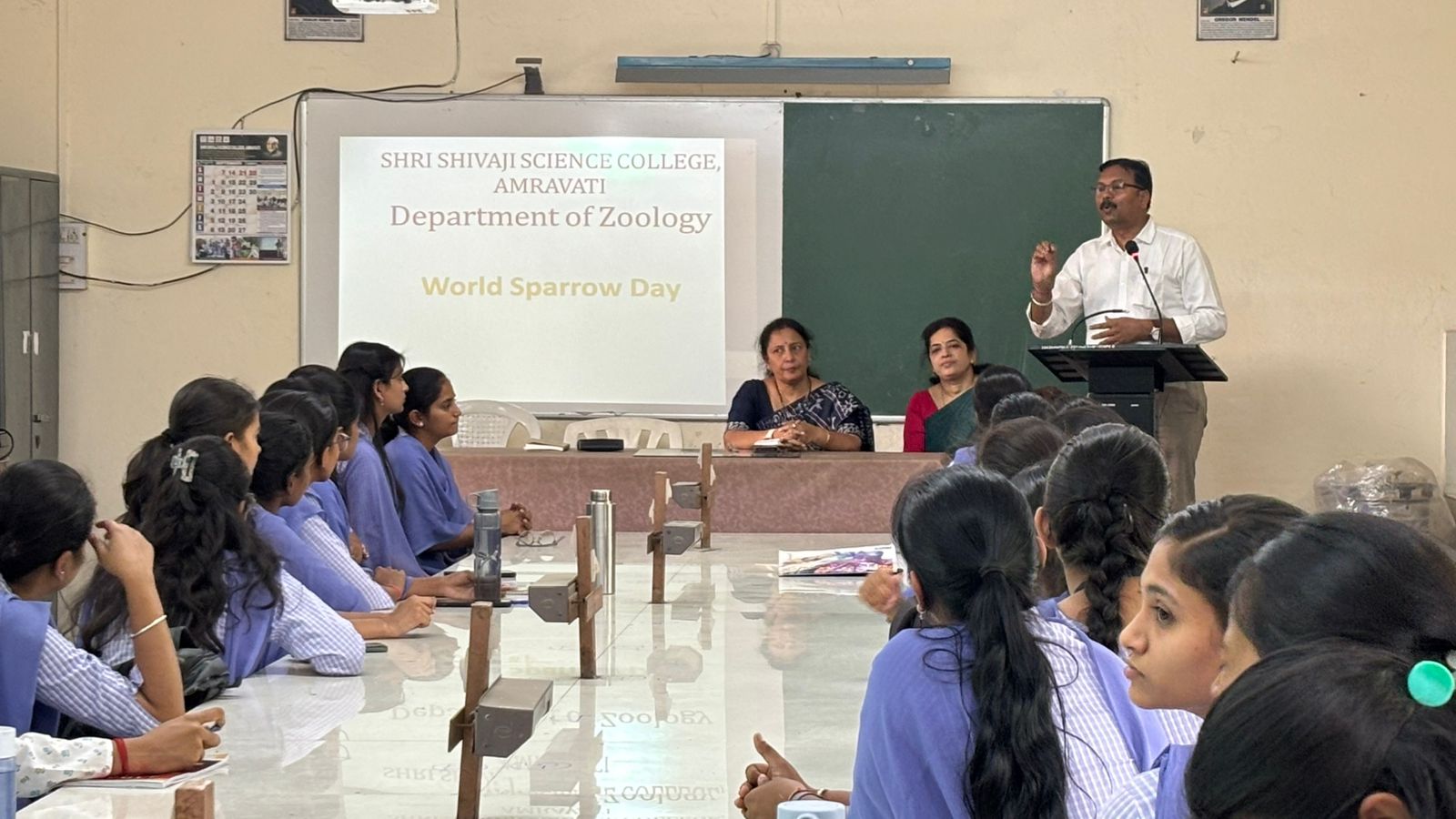 On the occasion of Sparrow Day 2026 guidance & importance of sparrow conservation by Prof. G.A. Wagh, Dept. DBT Coordinator to the students. | 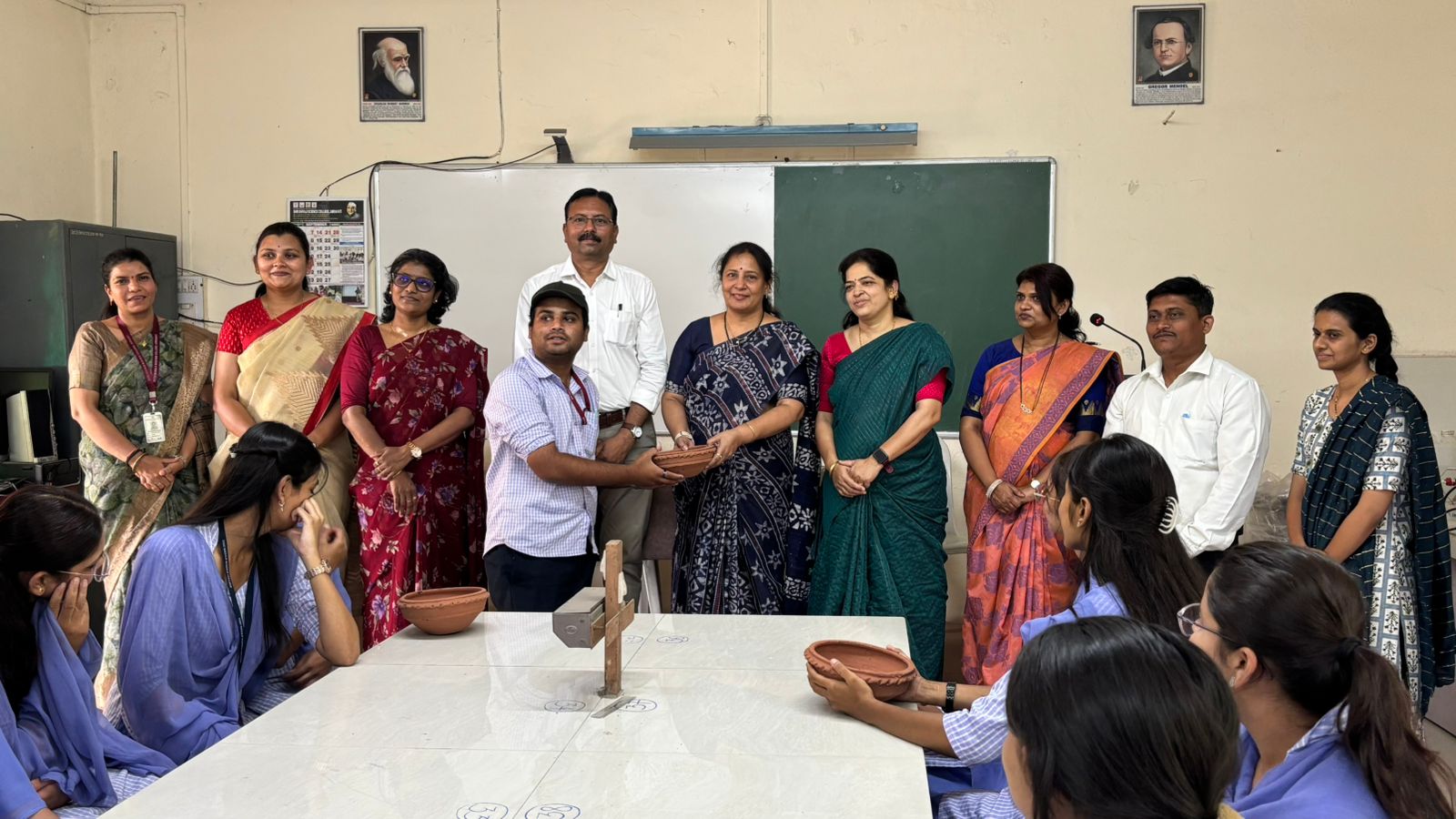 Water Bowl distribution to students by Faculty Members from Dept. of Zoology |
Attendance Sheet:
 |
 |