SHRI SHIVAJI SCIENCE COLLEGE, AMRAVATI
DBT STAR COLLEGE PROJECT ACTIVITY
ACTIVITY REPORT
Visit to Maharashtra Biyane Mahamandal (Beej Prashikshan Kendra)
Activity Dates: 8 October 2025
Type of Activity: Field Studies
Organizing Department: Department of Botany & Bioinformatics
Program Coordinators: Dr. G.B. Hedawoo, Dr. S. V. Pundkar and Dr. P.D.Deshmukh
Head of the Department: Dr. D. D. Khedkar
External Collaborator (if any): No
Objectives:
- To understand the process of seed production and certification
- To observe modern agricultural practices and machinery
- To study seed processing techniques and storage methods
- To interact with experts and enhance practical learning
- To gain knowledge about quality control measures in seed technology
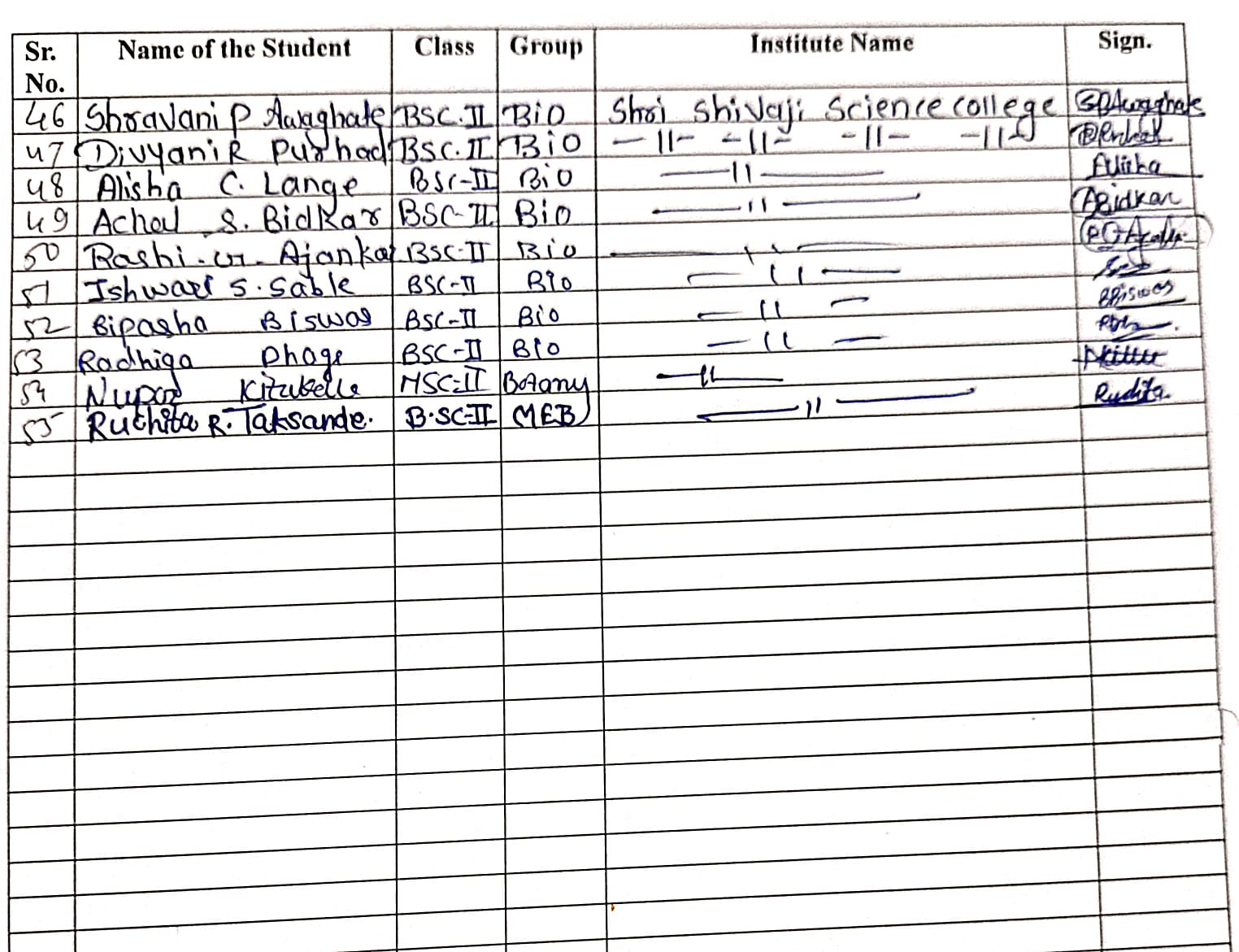
No of Beneficieries: 55
Classes Involved: B. Sc. II year
Venue of the Activity: Maharashtra State Seeds Corporation Limited (Beej Prashikshan Kendra)
Activity Report:
An educational visit to the Maharashtra State Seeds Corporation Limited, popularly known as Maharashtra Biyane Mahamandal (Mahabeej), was organized by the Department of Botany under the DBT STAR College Scheme for B.Sc. II year students. The primary aim of this visit was to provide students with practical exposure to seed production, processing, and quality control techniques, which are essential components of modern agricultural science. The visit was conducted at the Beej Prashikshan Kendra (Seed Training Centre), a key institution dedicated to training farmers, students, and agricultural professionals in advanced seed technology. The entire program was successfully carried out under the guidance and supervision of teacher in-charge Dr. G. B. Hedawoo, Dr. S. V. Pundkar, and Dr. P. D. Deshmukh.
The main objective of organizing this educational visit was to bridge the gap between theoretical knowledge acquired in classrooms and its practical application in real-world agricultural systems. In academic settings, students often learn about seed technology, plant breeding, and agricultural practices through textbooks and lectures. However, exposure to actual field conditions, industrial processes, and laboratory techniques significantly enhances their understanding. This visit aimed to familiarize students with scientific seed production methods and to highlight the importance of high-quality seeds in increasing agricultural productivity and ensuring food security.
Mahabeej is a well-established government organization that plays a vital role in the agricultural development of Maharashtra. It was established with the purpose of ensuring the availability of high-quality, certified seeds to farmers across the state. The organization is actively involved in the production, processing, and distribution of seeds for a wide range of crops, including cereals, pulses, oilseeds, and vegetables. By maintaining strict quality standards, Mahabeej contributes significantly to improving crop yield and supporting sustainable agricultural practices. The Beej Prashikshan Kendra, functioning under Mahabeej, serves as a specialized training center where knowledge about improved seed varieties, scientific cultivation methods, and post-harvest management is disseminated.
The visit commenced with a warm welcome by the officials at the training center. This was followed by an introductory session where students were given an overview of the organization’s history, objectives, and major contributions to the agricultural sector. The officials explained how Mahabeej collaborates with agricultural universities, research institutions, and farmers to produce high-quality seeds. They also highlighted the importance of certified seeds in ensuring uniform crop growth, resistance to diseases, and higher productivity.
Following the introductory session, students were taken through the seed production process in a systematic manner. They learned that seed production begins with the careful selection of high-quality parent seeds, which possess desirable traits such as high yield, disease resistance, and adaptability to environmental conditions. Maintaining genetic purity is a crucial aspect of seed production, and this is achieved through practices such as isolation, controlled pollination, and regular field inspections. The concept of isolation distance was explained in detail, emphasizing its role in preventing cross-pollination with unwanted varieties. Students also learned about rouging, a process in which off-type or diseased plants are removed from the field to maintain the quality and uniformity of the seed crop.
The next phase of the visit involved a tour of the seed processing unit. This section of the facility provided students with practical insights into how raw seeds harvested from fields are processed to meet quality standards. The process begins with cleaning, where dust, chaff, and other impurities are removed. This is followed by grading, where seeds are sorted based on size, shape, and weight using advanced machinery. Drying is another critical step, as it reduces the moisture content of seeds to safe levels, thereby preventing fungal growth and deterioration during storage. Students also observed seed treatment procedures, where seeds are treated with chemicals or biological agents to protect them from pests and diseases. The use of modern machinery and automated systems in the processing unit highlighted the technological advancements in seed processing.
A significant part of the visit was dedicated to the seed testing laboratory, where students gained knowledge about quality control measures. The laboratory plays a crucial role in ensuring that only high-quality seeds are distributed to farmers. Students were introduced to various testing procedures, including germination tests, which determine the percentage of seeds that can successfully sprout under favorable conditions. Moisture content analysis was demonstrated to show how excess moisture can negatively impact seed viability. Purity tests were conducted to ensure that seed lots are free from contaminants such as weed seeds and inert matter. Additionally, viability tests were explained, which assess the ability of seeds to remain alive and capable of germination over time. These tests are essential for maintaining the standards prescribed by regulatory authorities.
The visit also included a demonstration of scientific storage techniques. Proper storage is critical in maintaining seed quality from the time of processing until distribution. Officials explained the importance of controlling environmental factors such as temperature and humidity to prevent seed deterioration. Students observed storage structures designed to protect seeds from pests, rodents, and microbial infections. The use of airtight containers, fumigation methods, and regular monitoring practices were discussed in detail. This segment of the visit emphasized that even high-quality seeds can lose their viability if not stored under appropriate conditions.
An interactive session with experts was one of the most engaging parts of the visit. Students were encouraged to ask questions and clarify their doubts regarding various aspects of seed technology. The experts shared their experiences and discussed the challenges faced in seed production, such as climate variability, pest infestations, and maintaining genetic purity. They also highlighted the importance of using certified seeds over farm-saved seeds, as certified seeds ensure better yield and quality. The role of government schemes in supporting farmers and promoting the use of improved seed varieties was also discussed. This interactive session helped students connect theoretical concepts with practical challenges and solutions in the field of agriculture.
Overall, the educational visit proved to be highly informative and beneficial for the students. It provided them with a comprehensive understanding of the entire seed production cycle, from the selection of parent material to the final distribution of processed seeds. The exposure to modern agricultural practices, advanced machinery, and laboratory techniques enhanced their practical knowledge and skills. Such experiences are invaluable in preparing students for future careers in agriculture, seed technology, and related fields.
The visit also inspired students to appreciate the importance of scientific approaches in agriculture. It highlighted how the use of high-quality seeds, combined with proper cultivation practices, can significantly improve crop productivity and contribute to food security. Furthermore, it emphasized the role of organizations like Mahabeej in supporting farmers and promoting sustainable agricultural development.
In conclusion, the visit to the Maharashtra State Seeds Corporation Limited (Beej Prashikshan Kendra) was a valuable learning experience that successfully achieved its objectives. It strengthened the students’ understanding of seed production, processing, and quality control while providing practical exposure to real-world agricultural practices. Such educational initiatives are essential in bridging the gap between theory and practice, fostering scientific thinking, and preparing students to contribute effectively to the agricultural sector. The knowledge gained during this visit will undoubtedly benefit students in their academic pursuits and future professional endeavors, making it a memorable and enriching experience.
Outcomes:
- Students gained first-hand experience of seed production, processing, and testing, strengthening their understanding beyond classroom learning.
- Students learned key steps such as selection of parent seeds, maintenance of genetic purity, isolation distance, and rouging practices.
- Exposure to cleaning, grading, drying, and seed treatment processes using modern machinery improved their technical awareness.
- Students understood laboratory testing methods including germination tests, moisture analysis, purity testing, and seed viability assessment.
- Direct observation of processes and interaction with experts enhanced students’ critical thinking and problem-solving abilities.
Photos:
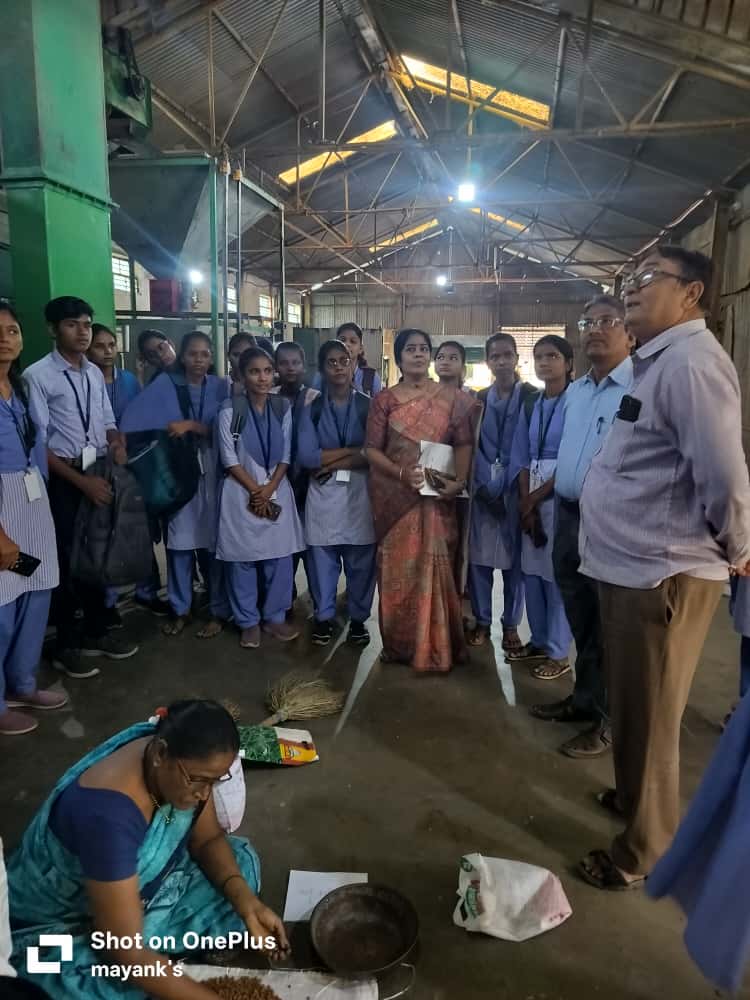 Seed processing unit demonstrated by expert | 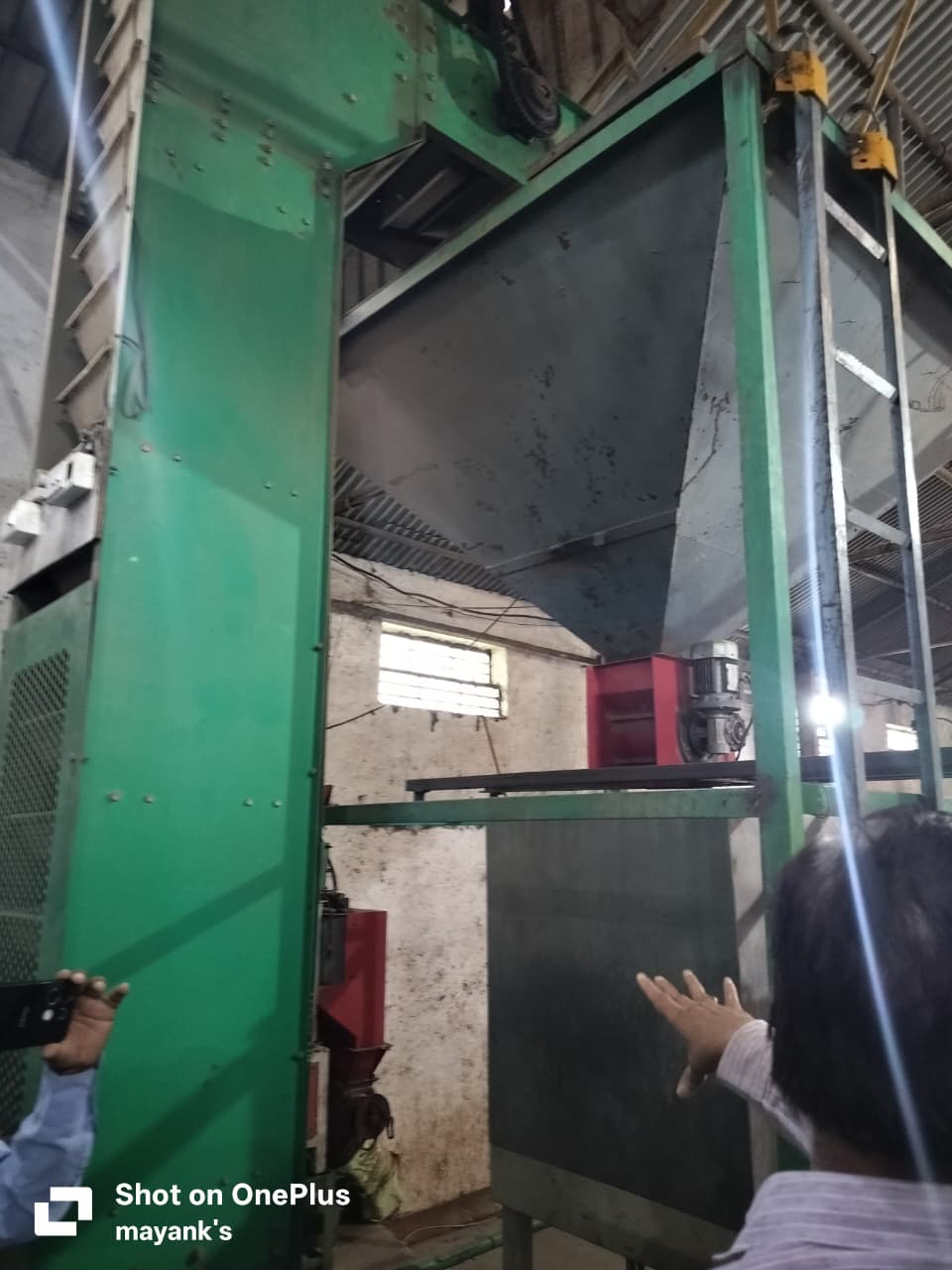 seed processing unit |
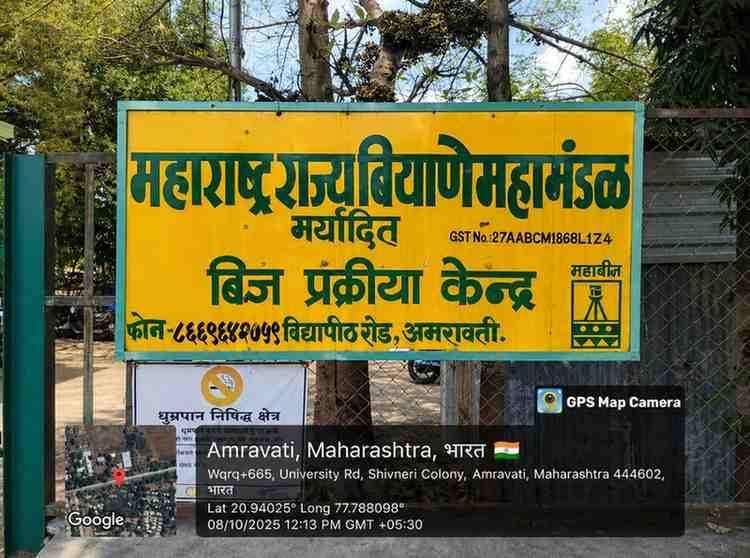 maharashtra Biyane Mahamnadal | 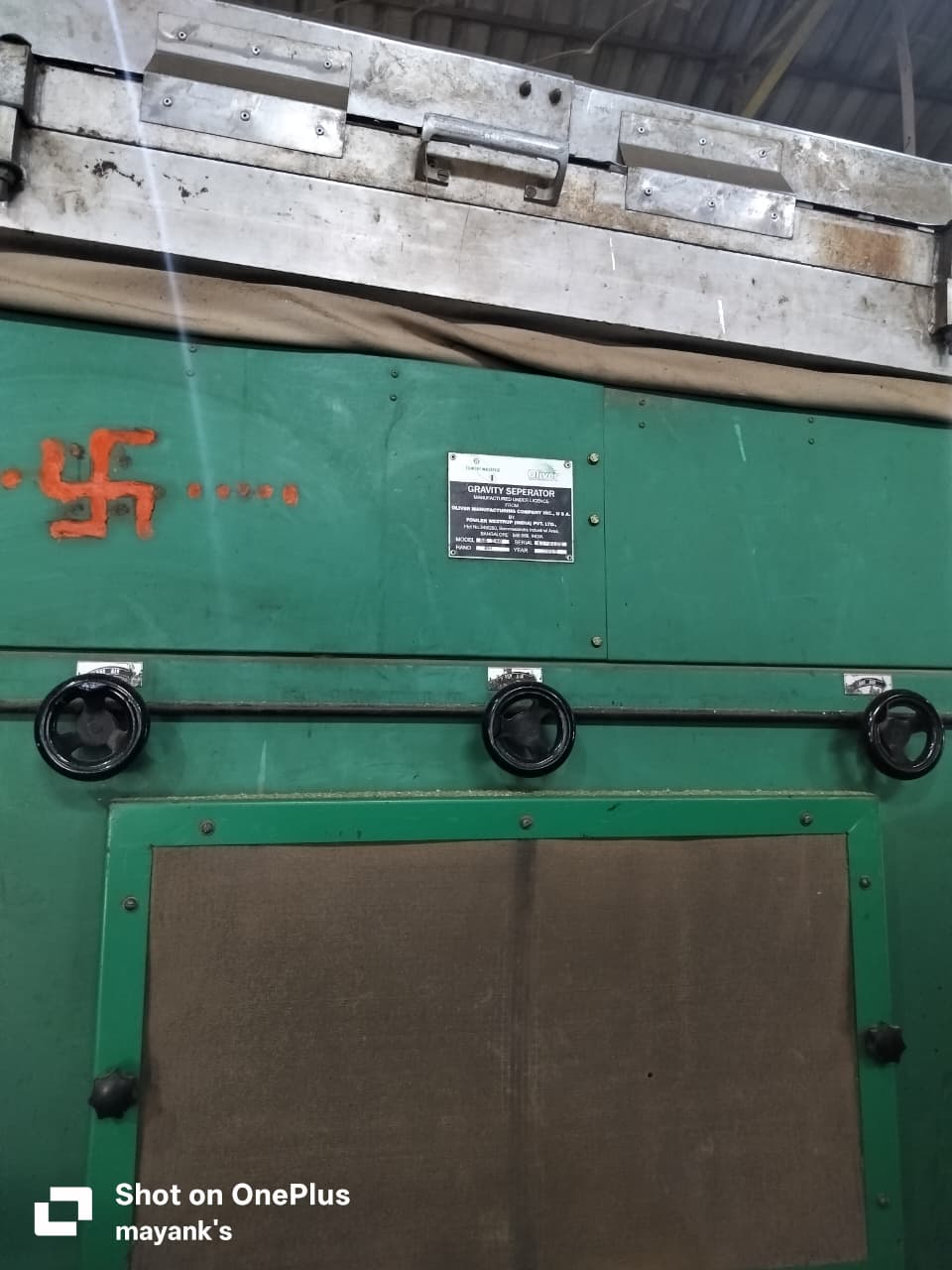 Machinery |
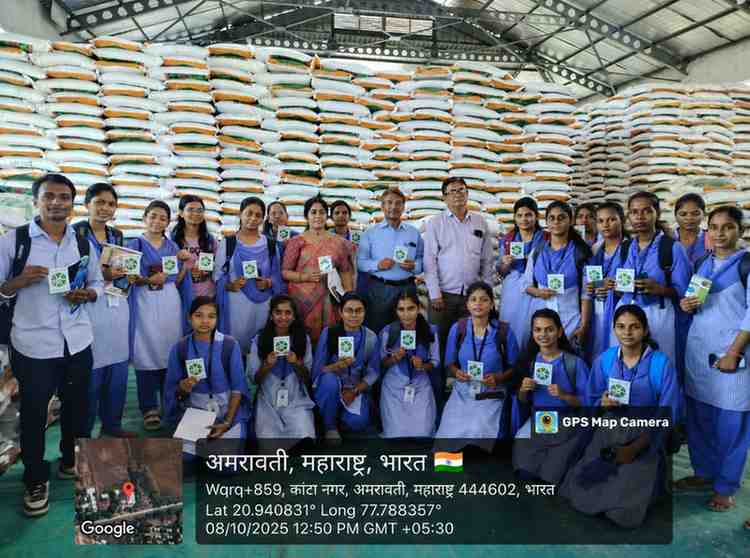 Visit to Mahabeej Prakalp | 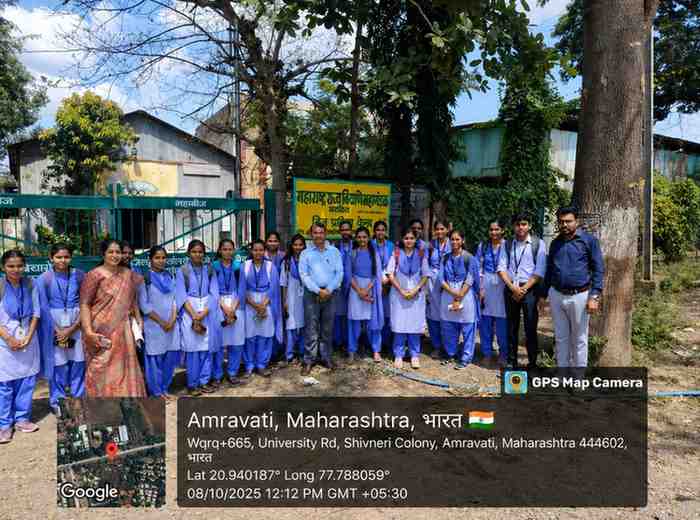 Mahabeej Prakalp |
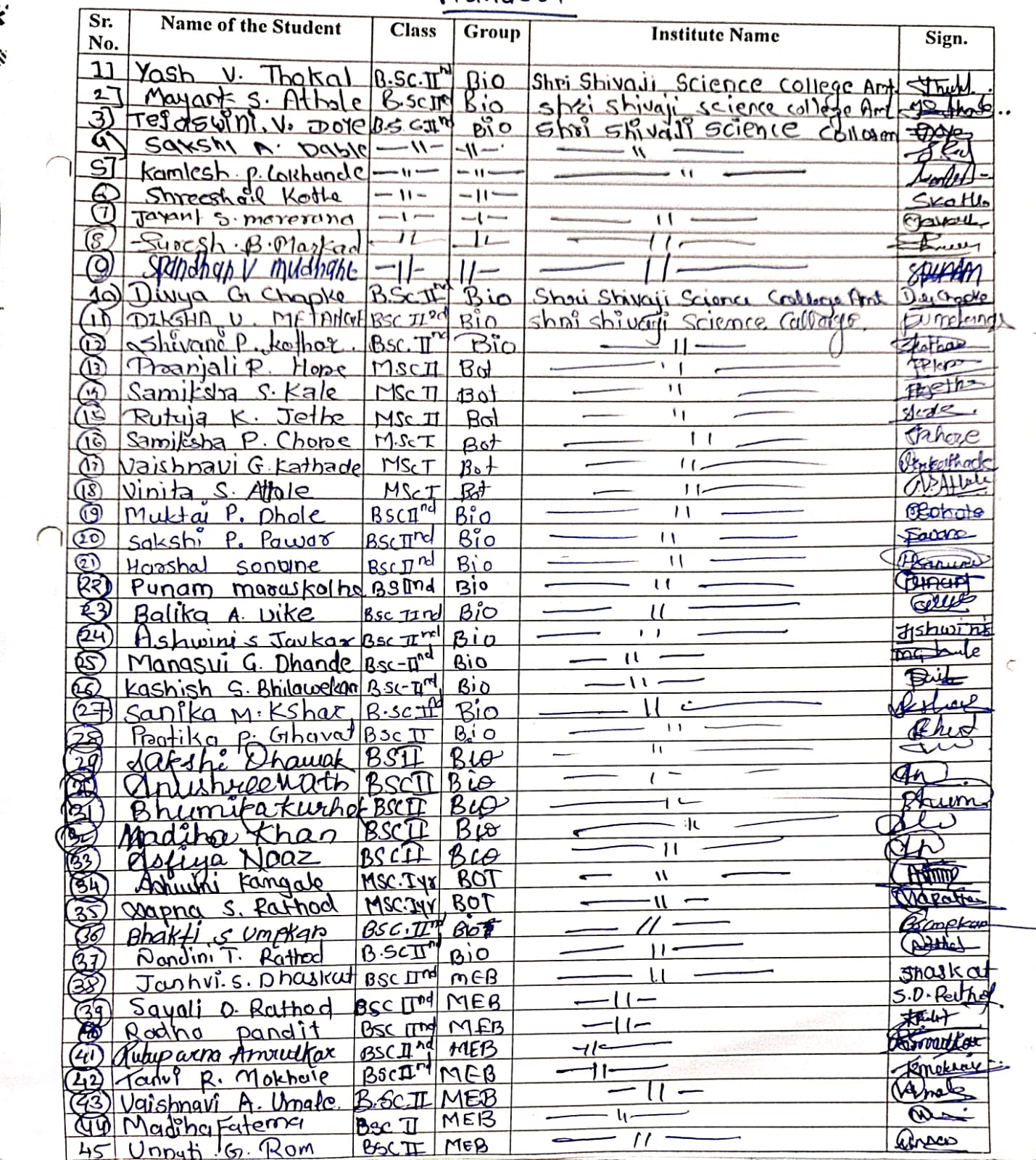
Attendance Sheet:
 |
 |