SHRI SHIVAJI SCIENCE COLLEGE, AMRAVATI
DBT STAR COLLEGE PROJECT ACTIVITY
ACTIVITY REPORT
Workshop on “Paper Rebirth: An Eco-Friendly Transformation of Waste into Worth”
Activity Dates: 10 October 2025
Type of Activity: Students Workshop
Organizing Department: Department of Botany & Bioinformatics
Program Coordinators: Dr. Ganesh Hedawoo and Mr. Shyam Ingle, Ms. Archita Pundkar
Head of the Department: Dr. D. D. Khedkar
External Collaborator (if any): DBT-STAR
Objectives:
- To create awareness about paper waste recycling and environmental conservation
- To demonstrate the conversion of waste paper into value-added products
- To encourage entrepreneurship and self-employment skills among students
- To promote hands-on learning through eco-friendly practices
- To instill a culture of "Zero-Waste" management by promoting a circular economy model within the academic setting
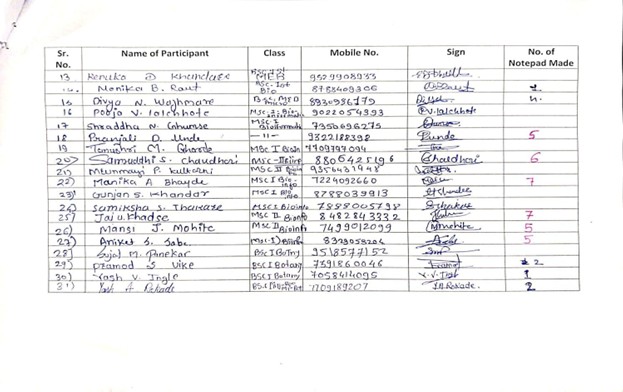
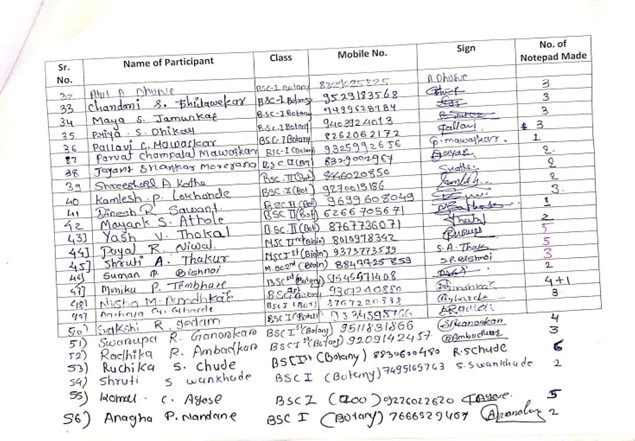
No of Beneficieries: 56
Classes Involved: B.Sc. (First Year and Second Year (M.B.B., Bio, Micro groups)) and M.Sc.
Venue of the Activity: UG Laboratory- Botany
Activity Report:
Activity Report:
The Department of Botany and the Post Graduate Department of Bioinformatics successfully organized a transformative hands-on workshop titled “Paper Rebirth: An Eco-Friendly Transformation of Waste into Worth” on Friday, 10 October 2025. This ambitious initiative was significantly empowered by funding from the DBT-Star College Scheme, a prestigious grant aimed at improving science education and fostering innovative practical training. The primary objective of the workshop was to instill a culture of environmental sustainability and "Zero-Waste" management by repurposing the high volume of practical records generated by M.Sc. Bioinformatics students. In a typical academic cycle, students produce extensive records of computational docking, genomic sequences, and molecular modeling, which are often printed on only one side. Once these students complete their post-graduation, these records are traditionally treated as Raddi (scrap paper), despite half the surface area remaining pristine and functional. The workshop, guided by the philosophy that “Great ideas don’t need new paper, they just need space,” sought to reclaim this "waste" and convert it into high-value academic stationery. By focusing on the records of completed M.Sc. batches, the project highlighted a circular economy model where the legacy of senior students literally provides the foundation for the notes and ideas of the next generation. This conceptual framework was designed to challenge the linear "use-and-throw" mindset, teaching students that resource optimization is as critical to scientific progress as the research itself. Through this DBT-funded endeavor, the department demonstrated that sustainability is not just a theoretical concept but a practical, achievable goal that can be integrated into the daily administrative and academic life of a science college.
Utilizing the financial support provided by the DBT-Star College Scheme, the department was able to transition from a basic recycling project to a professional-grade production unit. A significant portion of the funds was strategically invested in procuring high-quality heavy-duty paper punching machines and spiral binding equipment. These tools allowed students to move beyond temporary stitching methods, enabling the creation of durable, professional-standard notebooks that can withstand the rigors of laboratory use. Furthermore, the funding facilitated the professional design and procurement of high-quality flyers and custom-designed notepad covers. These covers were not merely aesthetic additions; they featured the departmental insignia, the DBT-Star College recognition, and the "Paper Rebirth" theme, which elevated the recycled material into a branded product that participants could use with pride. The process began with the ethical sorting of one-side printed M.Sc. records, ensuring that only clean, blank pages were salvaged. These sheets were then sent for precision industrial cutting to ensure uniform edges, a step that removed the old punch holes from their previous life as records. Once returned to the department, students engaged in the hands-on assembly of the diaries, operating the new punching machines and learning the technical intricacies of spiral binding. This process provided invaluable vocational training, showing students how to manage a production line and maintain quality control. By ordering professionally printed covers and flyers, the workshop emphasized the importance of branding and presentation in entrepreneurship, proving that eco-friendly products can compete with commercial alternatives in terms of quality and appeal.
The workshop served as a vital cornerstone for fostering entrepreneurship and scientific responsibility, as students were involved in every logistical and creative stage of the project. Beyond the physical assembly of the note pads, the event was a platform for discussing the economic and environmental impact of paper waste. Students calculated the "Value-Added" potential of the project: the raw material cost was zero, yet through the use of DBT-funded equipment and creative design, they produced diaries that have a significant market and functional value. To formalize the skills acquired during the session, certificates were provided to all participating students, acknowledging their contribution to institutional sustainability and their training in waste-to-wealth management. These certificates serve as a testament to the students' commitment to the "Green Campus" initiative and add value to their academic portfolios. The atmosphere of the workshop was one of energetic collaboration, further supported by the provision of tea and refreshments, which allowed for informal brainstorming sessions between faculty and students regarding future bio-innovation projects. The resulting note pads and diaries are now being utilized as the official stationery for departmental meetings and will be distributed to guest speakers at upcoming workshops, symposia, and national conferences. This top-down implementation ensures that the DBT-funded equipment continues to generate value long after the workshop's conclusion. By replacing externally purchased stationery with these "rebirthed" notebooks, the department is not only saving institutional funds but also projecting an image of a forward-thinking, eco-conscious research center.
In the broader context of the DBT-Star College Scheme, this workshop represents a successful integration of environmental ethics into the science curriculum. It successfully combined the technical requirements of the Bioinformatics department with the conservationist goals of the Botany department, creating a unique interdisciplinary synergy. The transition of M.Sc. records into functional diaries serves as a constant reminder to the students of the physical footprint of their digital work. The project proved that when students are provided with the right tools—such as the punching and spiral machines—and the right institutional support, they can transform mundane waste into professional resources. The slogan “Great ideas don’t need new paper, they just need space” was validated as faculty members began using the recycled diaries for their research notes and administrative planning. The long-term vision of this initiative is to establish a permanent "Recycling Cell" within the PG Department of Bioinformatics, where every graduating batch's records are systematically processed into stationery for the incoming students. This creates a sustainable cycle that honors the hard work of past students while supporting the financial and environmental health of the department. Ultimately, the “Paper Rebirth” workshop stands as a model for other departments across the university, demonstrating that with a bit of ingenuity and strategic funding, academic institutions can lead the way in the global movement toward a circular, waste-free economy. The success of this event, marked by the high quality of the produced diaries and the enthusiastic participation of the students, confirms that the transformation of "waste into worth" is not just a dream, but a practical reality at Shri Shivaji Science College. Through the continued use of the equipment and the distribution of the finished products at high-level academic gatherings, the impact of this single Friday in October will be felt for years to come.
Outcomes:
- Enhanced awareness of environmental sustainability
- Development of practical recycling skills
- Creation of eco-friendly stationery products
- Promotion of entrepreneurship mindset among students
- Acquisition of vocational training in production line management and quality control
Photos:
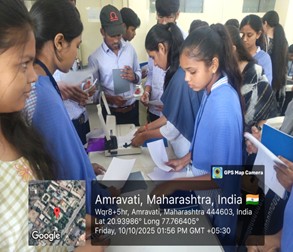 B.Sc. Students making Notepads with waste practical papers | 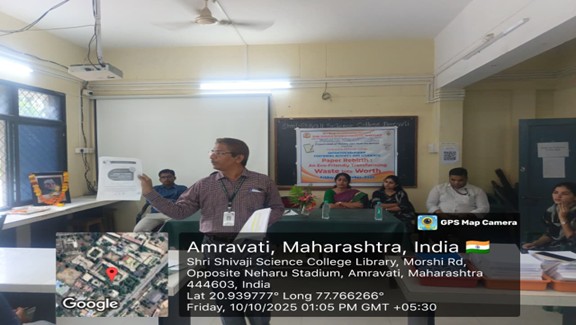 Dr. G. B. Hedawoo demostring the Notepads making process and telling Importants of paper reuse |
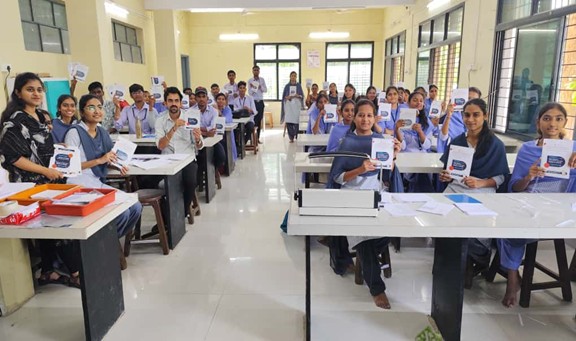 Students showing Hand made Notepads | 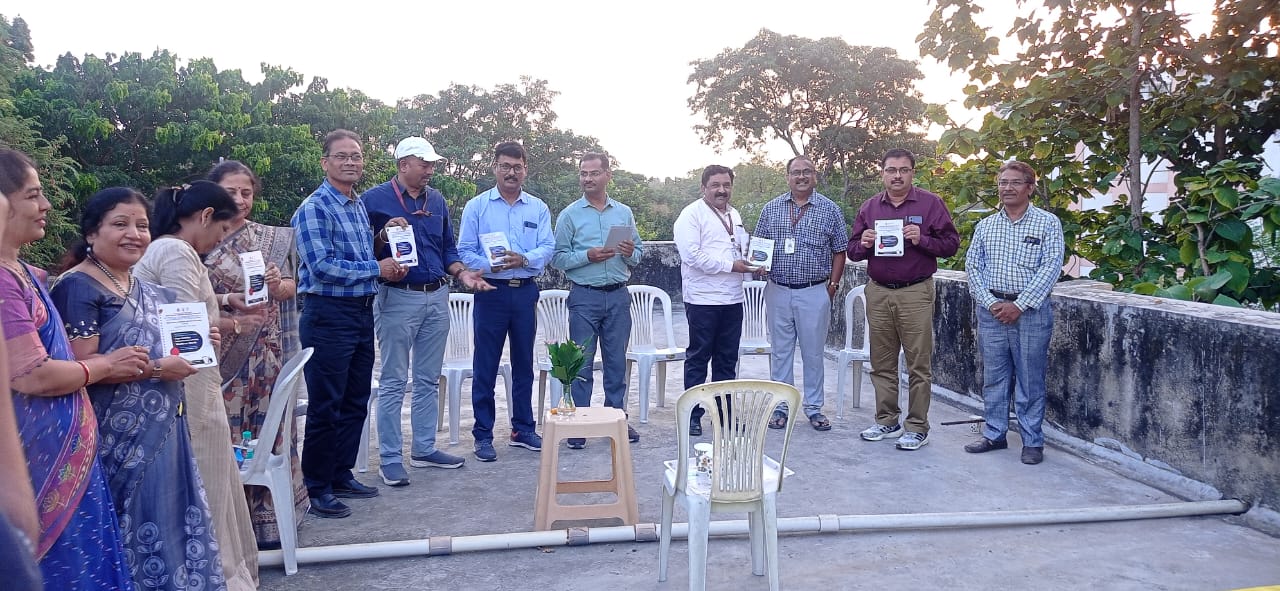 Principal and faculty members displaying the results of Paper Rebirth hands-on workshop |
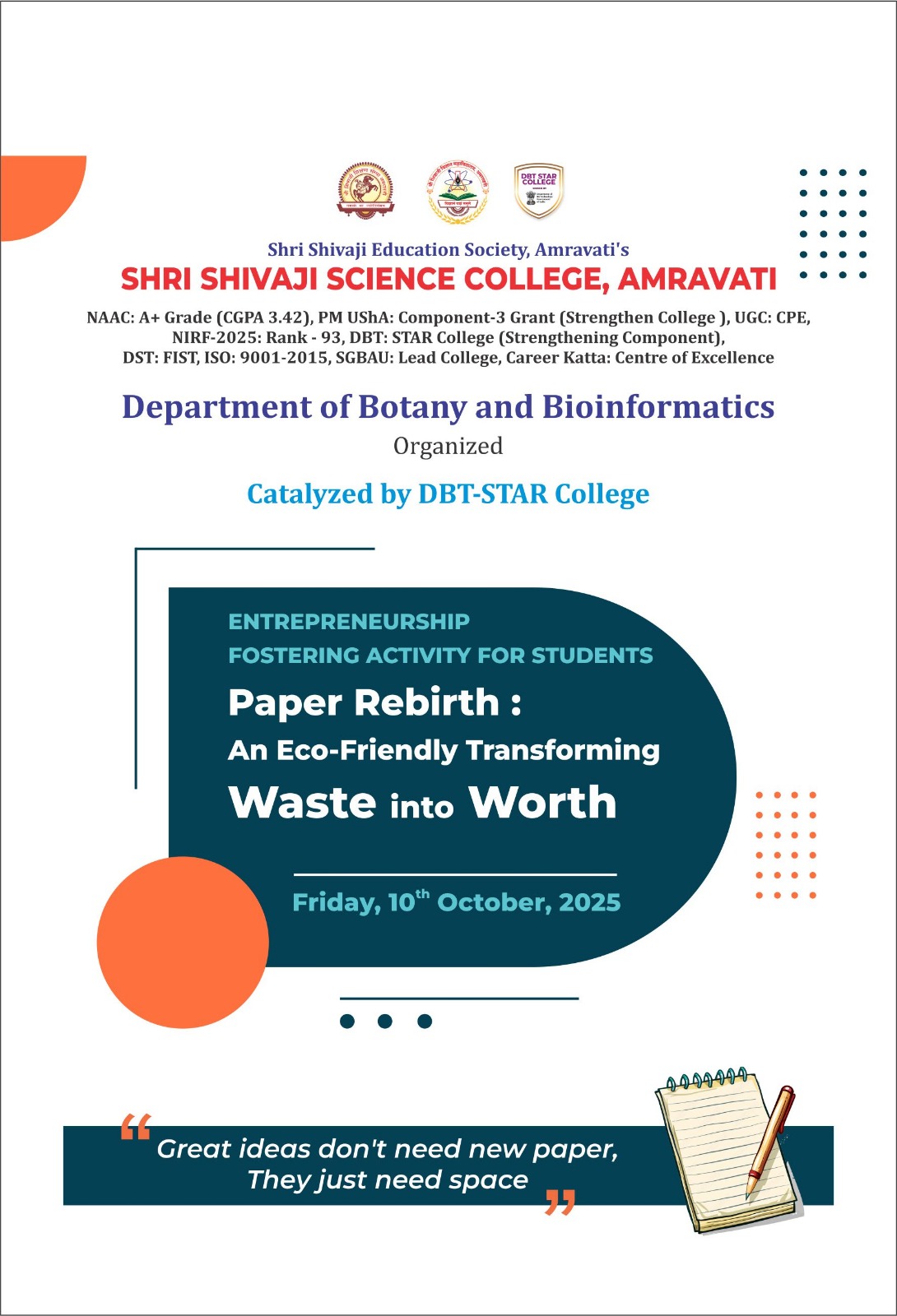 Notepad Coverpage | 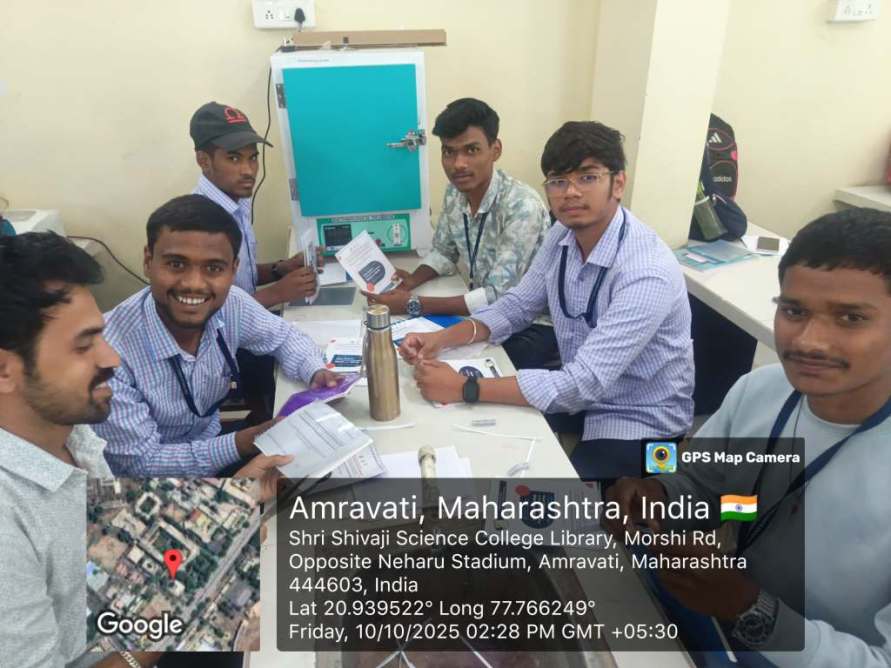 Student involved in the activity |
Attendance Sheet:
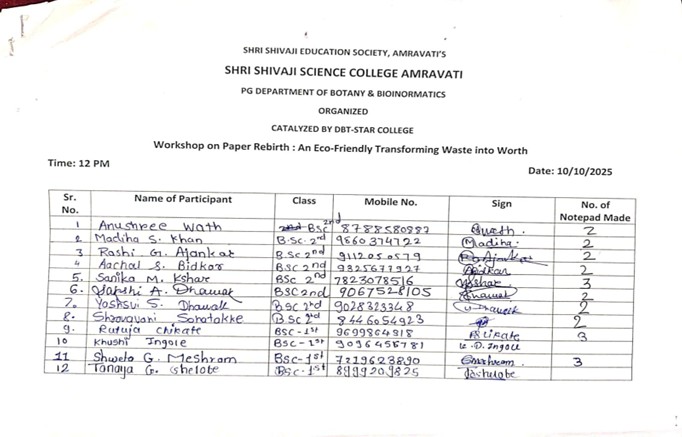 |
 |
 |