SHRI SHIVAJI SCIENCE COLLEGE, AMRAVATI
DBT STAR COLLEGE PROJECT ACTIVITY
ACTIVITY REPORT

Environmental Impact Assessment and Mitigations of plastic pollution at Lakhoba Plot, Amravati
Activity Dates: Nov and Dec 2025
Type of Activity: Minor Research Project
Organizing Department: Department of Environmental Science
Program Coordinators: Mr. V. D. Bute
Head of the Department: Dr. S. P. Ingole
External Collaborator (if any): No
Objectives:
- 1. To assess the extent and sources of plastic pollution in the Lakhadoba Plot area of Amravati.
- 2. To identify different types of plastic waste generated in the study area.
- 3. To evaluate the environmental impacts of plastic pollution on soil, water, air, and biodiversity.
- 4. To study the health risks associated with improper plastic waste disposal.
- 5. To examine existing waste management, segregation, and recycling practices in the area.
No of Beneficieries: 01
Classes Involved: B.Sc. II year Mojor Env. Sci.
Venue of the Activity: Lakhoba Plot, Amravati
Activity Report:
INTRODUCTION
Plastic pollution has emerged as one of the most serious environmental challenges of the twenty-first century. Rapid urbanization, population growth, industrial expansion, and changing consumption patterns have led to an unprecedented increase in plastic production and usage worldwide. Plastics are widely used due to their low cost, lightweight nature, durability, and versatility. However, these same characteristics make plastics highly persistent in the environment, posing long-term threats to ecosystems, wildlife, and human health.
Plastics are synthetic polymers derived mainly from petroleum-based resources and are largely non-biodegradable. Once discarded, plastic waste remains in the environment for hundreds of years, breaking down into smaller particles known as microplastics. These microplastics contaminate soil, water bodies, and even the air, entering food chains and affecting living organisms. The improper disposal and inadequate management of plastic waste have significantly intensified environmental degradation, especially in urban and semi-urban areas of developing countries like India.
Site Selection :
The present study was conducted in the Lakhadoba Plot area of Amravati city, located in the Vidarbha region of Maharashtra, India. Amravati is an important urban center known for its educational institutions, commercial activities, and rapidly growing population. Due to continuous urban expansion and increased anthropogenic activities, the city has been facing various environmental challenges, among which plastic pollution is a significant concern.
Lakhadoba Plot is a residential–commercial locality characterized by mixed land use. The area consists of residential houses, small shops, roadside vendors, educational facilities, and open plots. Such land-use patterns contribute to the generation of a considerable amount of solid waste, particularly plastic waste, including carry bags, packaging materials, disposable food containers, bottles, and other single-use plastic items. Improper disposal practices and inadequate segregation of waste at the source have led to visible accumulation of plastic waste in open spaces, along roadsides, and near drainage channels.
Geographically, the study area lies within the tropical climatic zone, experiencing hot summers, moderate monsoons, and mild winters. During the monsoon season, plastic waste accumulation becomes more problematic as it obstructs drainage systems, leading to waterlogging and unsanitary conditions. Stagnant water mixed with plastic debris creates favorable conditions for the breeding of disease vectors such as mosquitoes, increasing health risks for the local population.
METHODOLOGY
The present study was carried out to assess the level of plastic pollution, its environmental impacts and to suggest suitable mitigation measures. The research was based mainly on field observations, surveys, and secondary data analysis. The study followed a descriptive and analytical approach.
1. SITE SELECTION :-
The study was conducted at Lakhadoba plot, located in Amravati district Maharashtra. The site was chosen because it reflects typical semi urban conditions where improper waste disposal and limited awareness contribute to pollution. The locality includes residential areas, small shops, and open spaces where plastic waste
Is commonly observed. The area‘s mixed land use and visible plastic accumulation made it suitable for assessing the environmental impact of improper waste management.
2. RESEARCH DESIGN :-
The research followed a survey based observational design. The study focused on identifying plastic waste problems in the area. Understanding public perception and awareness, and evaluating existing waste management practices. Field visits and public interaction were key components of this approach.
3. DATA COLLECTION :-
The study relied on two major data sources , primary and secondary data.
PRIMARY DATA -
Primary data were collected through field observations and questionnaire surveys.
~ FIELD OBSERVATION - Regural visits were made to different parts of Lakhadoba plot to observe plastic waste accumulation, disposal sites, and environmental conditions.
~ SURVEY - A structured questionnaire was distributed to 30 respondents, including residents, shopkeepers, and municipal workers. The questions focused on daily plastic use, disposal habits, awareness about pollution and opinions on plastic bans and alternatives.
~ PHOTOGRAPHS - Were taken during field visits to record visuals evidences of pollution, littering, and waste management practices.
SECONDARY DATA -
Secondary information was collected from government publications, research journals and online databases. Reports from the Central Pollution Control Board (CPCB) and Amravati Municipal Corporation (AMC) were used to understand plastic waste generation and management policies. Relevant literature was also reviewed to to compare local findings with broader studies on plastic pollution.
4. DATA ANALYSIS :-
The collected data were analyzed using both qualitative and quantitative methods.
~ Survey responses were tabulated and represented in percentage to show public awareness levels, plastic usage patterns, and disposal practices.
~ Observation data were analyzed to identify key sources and hotspots of plastic pollution in the area.
~ The results were interpreted in the form of charts, graphs, and tables for clarity.
~ Comparisons were made between public awareness levels and actual waste management behaviors to identify gaps and improvement areas.
1. DEMOGRAPHIC PROFILE OF RESPONDANTS :-
A total of 30 individuals from Lakhadoba plot were surveyed, representing different occupational and age groups.
~ The majority of participants were in the 35 to 50 years age group .
~ The respondents included residents, shopkeepers, vendors and municipal workers from the Lakhadoba plot area.
~ Most respondents belonged to middle income households, and their education levels varied from secondary to higher secondary .
This demographic profile reflects an active working class section of society that plays a major role in plastic use and waste generation.
2. USAGE PATTERN OF PLASTIC :-
~ All the 30 respondents (100%) reported using plastic regularly in their daily. activities
~ No respondents completely avoided the use of plastic materials.
~ The most commonly used plastic materials included carry bags, polythene, bottles, and disposal cups and plates.
~ About 90% stated that plastic was their primary packaging material because it is durable, lightweight, cheap, and easily available.
This clearly shows the deep dependency on plastic in day to day life at Lakhadoba Plot.
3. PLASTIC WASTE DISPOSAL PRACTICES :-
The survey revealed improper and unscientific disposal of plastic waste in the study area.
~ 90% respondents disposed of plastic along with regular household garbage.
~ 8% admitted to burning plastic waste in open areas to reduce its volume.
~ Only 2% gave plastic waste for recycling and reuse.
Importantly, respondents reported that the municipal garbage collection team does not regularly visit or support the residents of Lakhadoba plot. Due to irregular waste collection and lack of segregation facilities, people are forced to dispose of waste independently often through open dumping or burning.
The lack of municipal cooperation significantly contributes to the accumulation of plastic waste and deteriorating local hygiene conditions.
4. AWARENESS ABOUT PLASTIC POLLUTION :-
~ 80 % of respondents were aware that plastic harms the environment.
~ only 10 % had a clear understanding of how it affects soil, water, and health.
This highlights a gap between awareness and behavioral change, worsened by weak community support and municipal neglect.
5. COMMUNITY OPINIONS AND SUGGESTIONS :-
When asked for their opinions on reducing plastic pollution:
~ 70 % suggested using cloth or jute bags as eco-friendly alternatives.
~ 90 % wanted the need for strict action and penalties for littering.
~ 99 % urged the municipal authorities to improve garbage collection and segregation.
Many respondents expressed dissatisfaction with the municipal corporation’s irregular service, nothing that community led initiatives may be more effective if government support remains limited.
6. OBSERVED ENVIRONMENTAL IMPACTS :-
During field visits, several visible impacts of plastic pollution were observed:
* Accumulation of plastic in open spaces, roadside, drains, and near houses.
* Clogging of drainage systems, causing stagnant water and foul odor.
* Degraded soil quality due to continuous littering and dumping.
* Open burning of plastic waste, releasing toxic smoke and creating air pollution.
* Stray animals feeding on discarded plastic bags and wrappers.
*Absence of regular waste collection services by the municipal team, leading to piles of uncollected garbage in several spots.
ENVIRONMENTAL IMPACT ASSESSMENT
The Environmental Impact Assessment (EIA) for this study was conducted to evaluate the effects of plastic pollution on the local environment community at Lakhadoba plot, Amravati. The assessment was based on field observations, survey responses, and secondary data review, focusing on visible environmental changes and community experiences rather than laboratory testing.
Plastic pollution in the study area was found to cause multidimensional impacts on soil, water, air, biodiversity, and human health, primarily due to improper disposal, burning, and the absence of municipal waste management support.
1. IMPACT ON SOIL ENVIRONMENT :-
~ During field visits, a significant amount of plastic litter such as carry bags, food wrappers, and packaging material was observed scattered on open land and along roadside.
~ Plastic waste reduces soil porosity and permeability, preventing proper air and water circulation.
~ Continuous dumping of non-biodegradable materials leads to soil hardening and reduced fertility, affecting plant growth.
~ Survey respondents reported that open spaces earlier used for small scale cultivation or gardening are now unsuitable due to plastic contamination.
Hence, the accumulation of plastic has resulted in deterioration of soil health and reduced land usability.
MITIGATION MEASURES
The findings from the survey and field observations at Lakhadoba plot clearly show that plastic pollution is increasing due to irregular waste collection, open burning, and lack of awareness, Based on these issues, the following practical and community-friendly mitigation measures are suggested to reduce the impact of plastic waste in the area.
1. COMMUNITY MANAGED WASTE COLLECTION :-
Since municipal garbage services are not regular in the locality, residents can form a small committee to arrange their own waste collection system. A local person can be appointed to collect household waste on a daily or alternative days. Each family may contribute a small monthly amount to support this system. This will help prevent open dumping and burning of plastic in the area.
2. SEGREGATION OF WASTE AT HOUSEHOLD LEVEL :-
Every household should follow simple waste separation practices.
* One bin for dry waste such as plastic, paper, and metal.
* One bin for wet waste like food leftover.
This method ensures that recyclable plastic does not get mixed with other waste and can be managed more effectively.
3. PLASTIC DROP-POINTS IN PUBLIC AREAS :-
Plastic collection sacks or boxes can be placed at common locations such as shop corners, community spaces, and near residential lanes. Residents can drop plastic bottles, bags, and wrappers in these containers. These plastics can later be sent for recycling or bulk disposal.
4. REGULAR CLEAN-UP ACTIVITIES :-
Monthly clean up drives can be organized by the community, youth groups, or local volunteers. Such activities can help remove plastic from open plots, drainage line, and roadside areas. Regular participation also builds a sense of responsibility among residents.
5. PROMOTION OF PLASTIC ALTERATIVES :-
Awareness should be created about using eco-friendly items in place of single use plastics. Alternatives such as cloth bags, jute bags, paper packaging, and reusable containers can be encouraged. Shopkeepers can offer small discounts to customers who bring their own reusable bags.
Outcomes:
- 1. The major sources and extent of plastic pollution in the study area are identified.
- 2. Different types of plastic waste present in the locality are documented.
- 3. Environmental impacts on soil, water, air quality, and biodiversity are understood.
- 4. Health hazards caused by plastic waste accumulation and burning are recognized.
- 5. Existing gaps in waste management and recycling systems are highlighted.
Photos:
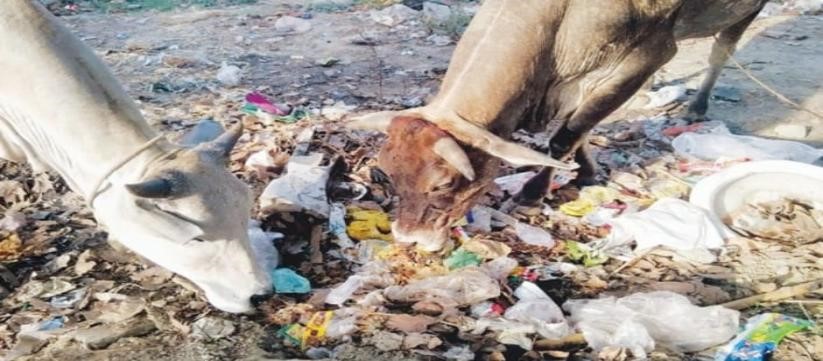 Cattle rummage through open garbage dumps for leftover food, sometimes consuming plastic. | 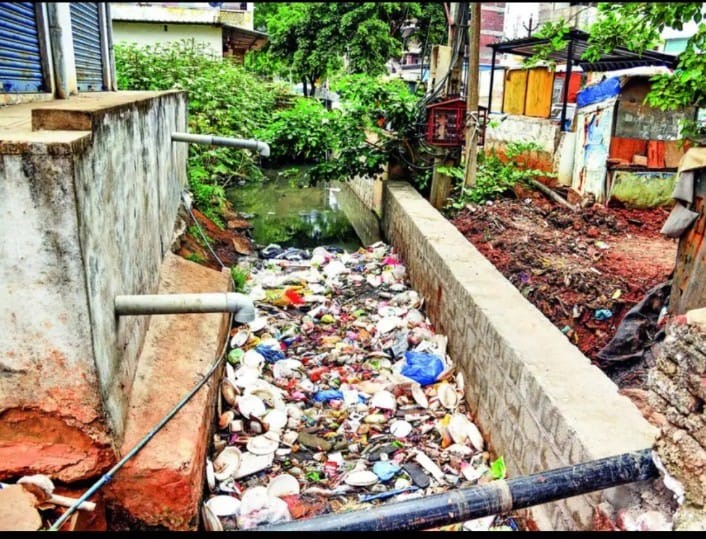 Plastic waste was found blocking drainage channels |
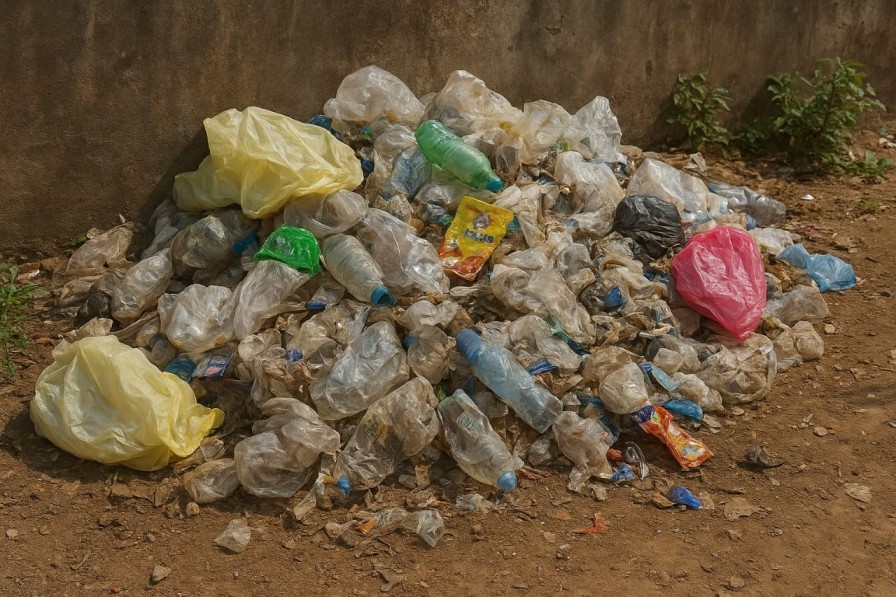 The presence of plastic waste adversely affected the aesthetic quality of the area. | 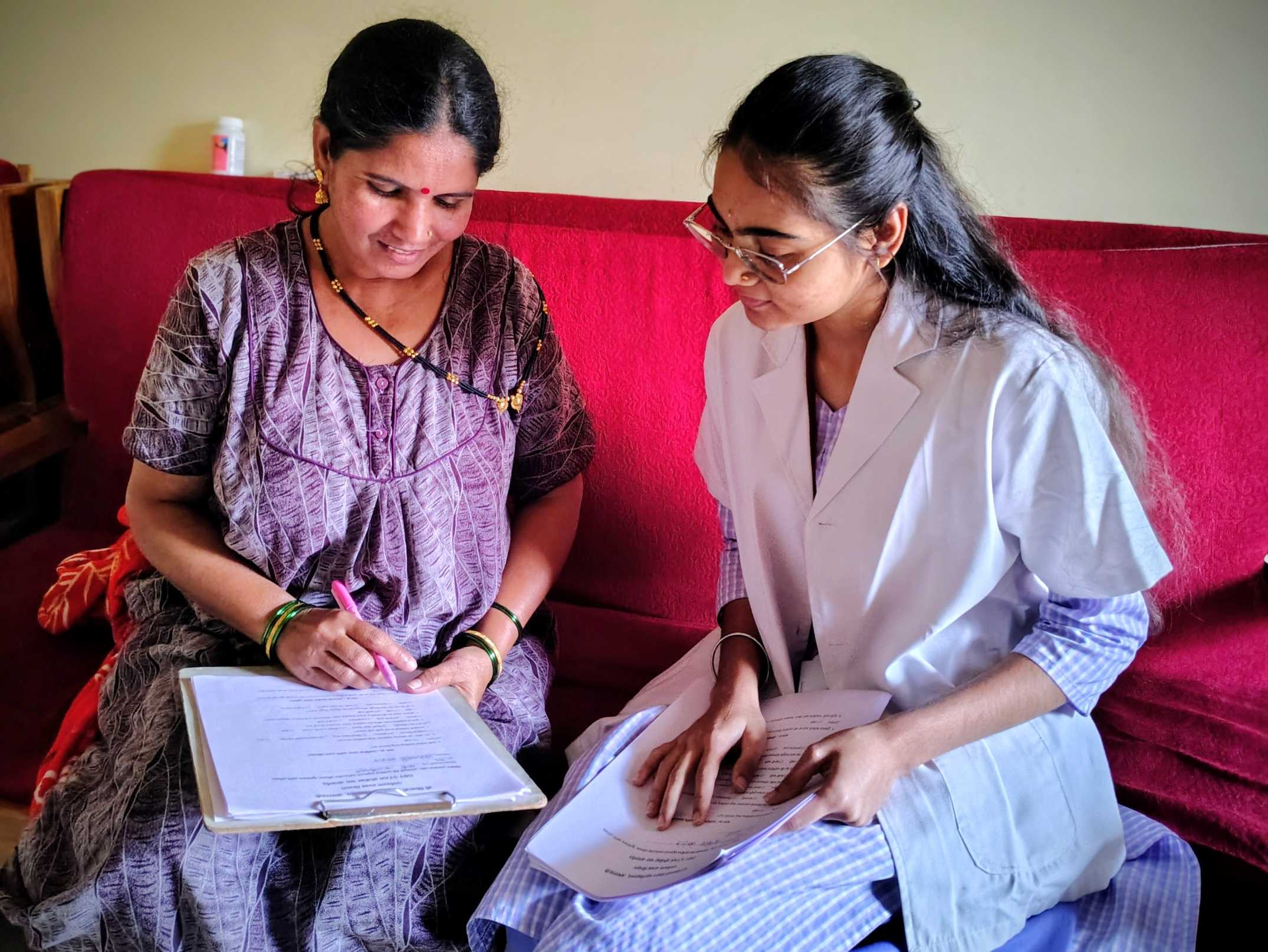 During Survey |
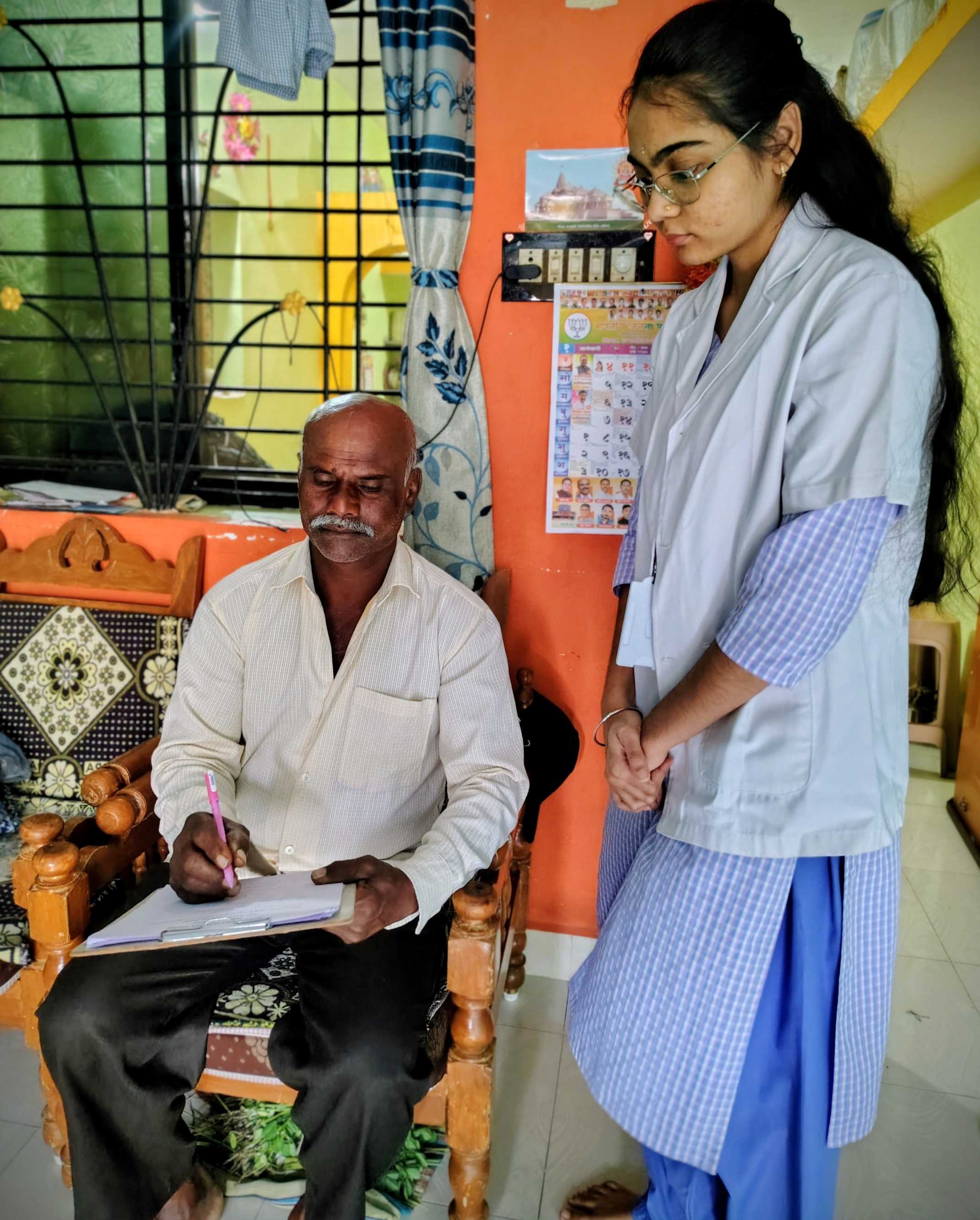 During Survey | 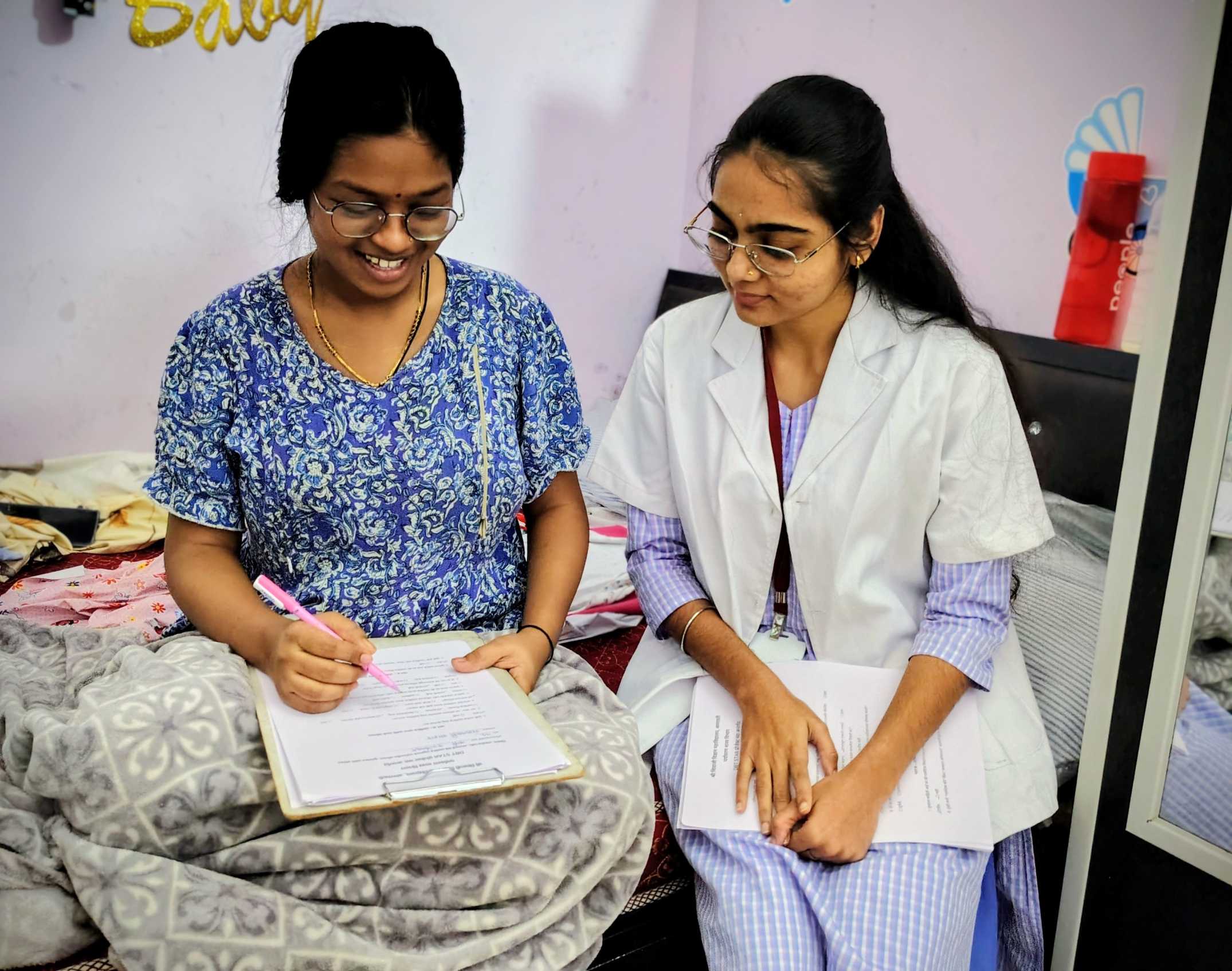 Dring Survey |
Attendance Sheet: