SHRI SHIVAJI SCIENCE COLLEGE, AMRAVATI
DBT STAR COLLEGE PROJECT ACTIVITY
ACTIVITY REPORT

‘Preparation of Biodiversity of jog satidum chap Ward no 8 amravati
Activity Dates: Nov 2025 to Jan 2026
Type of Activity: Minor Research Project
Organizing Department: Department of Environmental Science
Program Coordinators: Mr. V. D. Bute
Head of the Department: Dr. S. P. Ingole
External Collaborator (if any): No
Objectives:
- To study and document thebiodiversity present in the Sant Gadge Baba SWAMI VIVEKANAND COLONY BELPURAAMRAVATIarea, including different types of plants, animals, birds, and insects found in the locality
- To identify and record the various species of flora and fauna and understand their role in maintaining ecological balance in an urban environment.
- To analyze the impact of urbanization, human activities, and environmental changes on the biodiversity of the selected study area
- To observe the environmental conditions such as air quality, noise level, and availability of green spaces that influence the survival of living organisms
- To understand the adaptation of different species in an urban ecosystem and how they survive under changing environmental conditions.
No of Beneficieries: 04
Classes Involved: B.Sc. III year CEB and CEZ
Venue of the Activity: Jog satidum Ward no 8 amravati
Activity Report:
INTRODUCTION
Biodiversity refers to the variety and variability of living organisms present on Earth. It includes all forms of life such as plants, animals, and microorganisms, as well as the ecosystems in which they exist. Biodiversity is generally studied at three levels: genetic diversity, species diversity, and ecosystem diversity. Genetic diversity refers to the variation within species, species diversity refers to the variety of different species present in a particular area, and ecosystem diversity refers to the different types of habitats and ecological systems found in nature. Together, these levels of biodiversity play a crucial role in maintaining the stability and balance of the environment. Biodiversity is essential for the survival of all living organisms, including humans. It provides various ecosystem services such as food, medicines, clean air, water purification, soil fertility, and climate regulation. Many plants and animals are directly or indirectly useful to humans for their daily needs. Forests, grasslands, rivers, and urban green spaces all contribute to maintaining biodiversity. A rich and diverse ecosystem is morestable and can better withstand environmental changes. Therefore, conservation of biodiversity is very important for sustainable development and the well-being of future generations
TheSant GadgeBaba SWAMIVIVEKANAND COLONY BELPURAAMRAVATIarea of Amravati is one such urban locality that includes residential zones, educational institutions, roads, and moderate green patches. This area is influenced by human activities such as transportation, construction, and daily urban life. However, it still supports a variety of flora and fauna, which contribute to the local ecosystem. Trees provide shade and improve air quality, birds help in seed dispersal, and insects play a role in pollination. Even small green areas in cities are important for maintaining biodiversity
PROFILE OFTHECITY
Amravati is an important city located in the state of Maharashtra. It lies in the Vidarbha region and is known for its educational institutions, administrative importance, and developing urban infrastructure. The city is well connected by road and rail networks and has a growing population, which has led to rapid urbanization in recent years.
The geographical location of Amravati is approximately between 20° to 21° North latitude and 77° to 78° East longitude. The city is situated on a relatively plain terrain with somesurrounding agricultural and semi-urban areas. Due to its location, the region supports a mix of urban and natural ecosystems.
STUDYAREA–SANTGADGEBABASWAMIVIVEKANANDCOLONY BELPURAAMRAVATI, AMRAVATI
The present study was conducted in the Sant GadgeBaba SWAMIVIVEKANAND COLONY BELPURAAMRAVATIarea of Amravati. This area falls underPrabhag (Ward) No. 2 of Amravati Municipal Corporation. It is a part of an urban region consisting of residential areas, roads, and small commercial establishments.
Thestudy area is well connected by roads and is surrounded by residential colonies. The boundaries of the area include residential areas towards the north and east, while roads and open spaces arepresent towards the south and west. Thearea experiences regular human activities such as transportation, construction, and daily urban life. Despite being an urban area, the Sant GadgeBaba SWAMIVIVEKANAND COLONY BELPURA AMRAVATI region has somegreen spaces in theform of roadsidetrees, small gardens, and open land. Thesegreen patches support the growth of plants and provide habitat for birds, insects, and small animals. The environmental conditions of the area are moderately affected by air and noise pollution due to vehicle movement and human activities.
SWAMIVIVEKANAND COLONY BELPURAAMRAVATI
campusareas Nearby residential colonies Local housing societies Roadside residential settlements Small market areas and shops Educational institutions nearby Government and semi-government offices Open spaces and small garden areas Roadside green patches.
METHODOLOGY
Themethodology adopted for the present study on biodiversity in the Sant Gadge Baba SWAMIVIVEKANAND COLONY BELPURAAMRAVATIarea,Amravati isbased on field observation, data collection, and analysis of environmental conditions. A systematic approach was followed to ensure accurate documentation of the biodiversity present in the study area. The study was conducted through regular field visits to the selected area. During these visits, direct observation methods were used to identify and record different species of plants, animals, birds, and insects.
Theobservations were madeat different times of the day to ensure that a variety of species could be noted, as some organisms are moreactive during specific periods. Plants were identified based on their common characteristics such as size, shape, leaves, and location. Trees, shrubs, herbs, and grasses present in the area were carefully observed and recorded. Similarly, birds and animals were identified based on their physical features and behavior. Insects such as ants, butterflies, and bees were also noted during the study. Data collection was carried out by maintaining a record of the observed species in a notebook. Photographs and rough sketches were also used to support the observations. In addition to this, interaction with local residents and workers wasdoneto gatherinformation about commonly seen species and changes in the environment over time.
. Selection of Study Area
TheSant GadgeBaba SWAMIVIVEKANAND COLONY BELPURAAMRAVATIarea,which falls under Prabhag (Ward) No. 2 of Amravati Municipal Corporation, was selected foR this study. The area represents a typical urban environment with a mixture of residential colonies, roads, small commercial establishments, and limited green spaces. The selection of this area was based on several important factors such as accessibility, availability of moderate vegetation, presence of birds and insects, and the influence of human activities. The study area includes roadside trees, small gardens, open spaces, and builtup structures, which provide suitable habitats for different organisms. The area wasconsidered ideal for studying biodiversity because it reflects how living organisms adapt and survive in an urban environment affected by pollution, construction, and human interference.
2.Preliminary Survey
Before conducting the detailed study, a preliminary survey of the area was carried out. This initial survey helped in understanding the geographical layout, identifying important observation points, and gaining a general overview of biodiversity present in the area. During the preliminary survey, different zones such as residential areas, roadside vegetation, open spaces, and small garden patches were identified. This helped in planning the detailed field survey in an organized manner. The preliminary study also helped in deciding the time of observation and the methods to be used for data collection
3. Field Survey
Different locations within the study area were covered during the survey, including roadsides, gardens, residential surroundings, and open spaces. A detailed field survey wasconducted in theselected study area over a period of time. The survey was carried out on multiple days to ensure that maximum biodiversity could be observed. Observations were made at different times of the day to capture variations in species activity: Morning (6:00 AM– 9:00 AM): Suitable for observing birds and plant conditions Afternoon (12:00 PM– 3:00 PM): Useful for studying plant diversity and environmental conditions Evening (5:00 PM– 7:00 PM): Best time to observe insects and animal movement
GENERAL OBSERVATION
During the field study in the Sant Gadge Baba SWAMIVIVEKANAND COLONY BELPURA AMRAVATI area of Amravati, it was observed that the overall biodiversity of the area is moderate. Trees were the most dominant form of vegetation, while shrubs, herbs, and grasses were present in limited amounts. Amongfauna, birds werethe most commonly observed, followed by insects and a few domestic animals. The presence of green patches such as roadside trees and small gardens supports plant and animal life in the area. However, increasing urbanization, traffic, and construction activities have reduced natural habitats and affected biodiversity. Despite these challenges, many species have adapted well to the urban environment.
RESULTSANDOUTCOMES
Theresults obtained from the present study on biodiversity in the Sant Gadge Baba SWAMIVIVEKANAND COLONY BELPURAAMRAVATIarea,Amravati indicatethat the study area supports a moderate level of biodiversity despite being an urban region. The f ield observations revealed the presence of various plant, animal, bird, and insect species that have adapted to survive under urban environmental conditions.
Theplant diversity of the area mainly consists of commonly found species such as Neem, Banyan, Tulsi, grasses, and shrubs. These plants are mostly distributed along roadsides, in small gardens, and open spaces. They play an important role in improving air quality, providing shade, and supporting other living organisms. However, the number of plant species is limited compared to natural ecosystems due to reduced green cover. In terms of fauna, the study area is dominated by urban-adapted species. Birds such as sparrows, crows, and pigeons were commonly observed, indicating their ability to survive in human-dominated environments. Small animals like dogs and cats were also present and depend largely on human surroundings for food and shelter. Insect diversity wasrepresented by ants, butterflies, and bees, which contribute significantly to ecological functions such as pollination and nutrient cycling.
CONCLUSION
Thepresent study on biodiversity in the Sant Gadge Baba SWAMI VIVEKANAND COLONY BELPURAAMRAVATIarea, Amravati concludes that urban areas, despitefacing continuous human pressure, still support a considerable amount of biodiversity. The study revealed the presence of various plant species such as Neem, Banyan, Tulsi, grasses, and shrubs, along with birds like sparrows, crows, and pigeons, small animals like dogs and cats, and insects such as ants, butterflies, and bees.
Outcomes:
- Various plant species such as Neem, Banyan, Tulsi, grasses, and shrubs were observed in the area
- CommonbirdslikeSparrow, Crow, and Pigeon were found to bewell adapted to theurban environment
- Small animals such as dogs and cats werecommonly observed in thestudy area
- Insects like ants, butterflies, and bees were present and played an important role in pollination and soil processes
- It was observed that only pollution-tolerant and adaptable species survive in urban conditions
Photos:
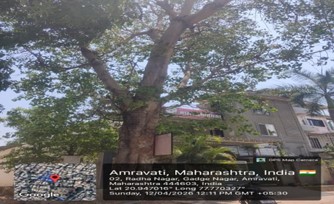 Photo of Neem tree during survey | 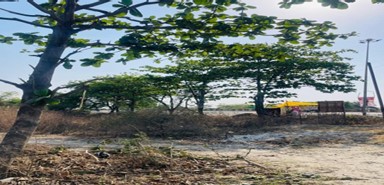 Open land with limited plant growth |
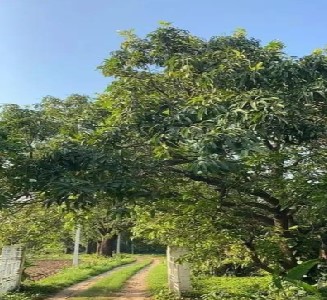 Azadirachta indica (neem tree |  Blank |
 Blank |  Blank |
Attendance Sheet: