SHRI SHIVAJI SCIENCE COLLEGE, AMRAVATI
DBT STAR COLLEGE PROJECT ACTIVITY
ACTIVITY REPORT
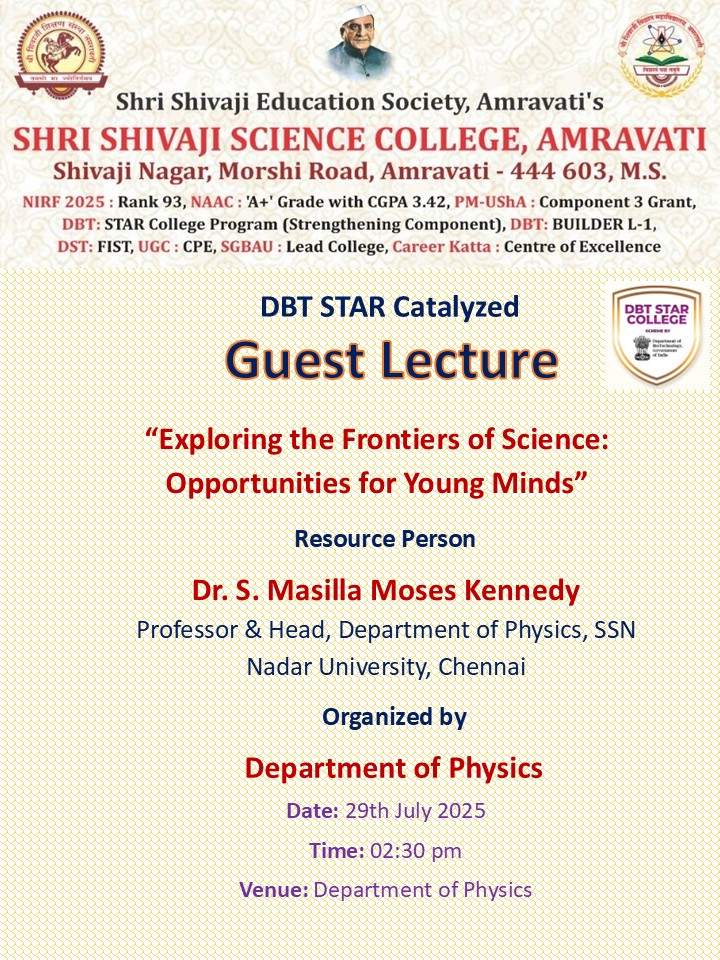
Guest Lecture on “Exploring the Frontiers of Science: Opportunities for Young Minds”
Activity Dates: 29th July 2025
Type of Activity: Other
Organizing Department: Department of Physics
Program Coordinators: Dr. P.A. Nagpure
Head of the Department: Dr. P.A. Nagpure
External Collaborator (if any): -
Objectives:
- To expose students to emerging frontiers in science and technology
- To motivate students towards research and innovation
- To create awareness about higher education and research opportunities
- To encourage scientific thinking and interdisciplinary approach
- To give opportunity for students to interact eminent academician and researcher
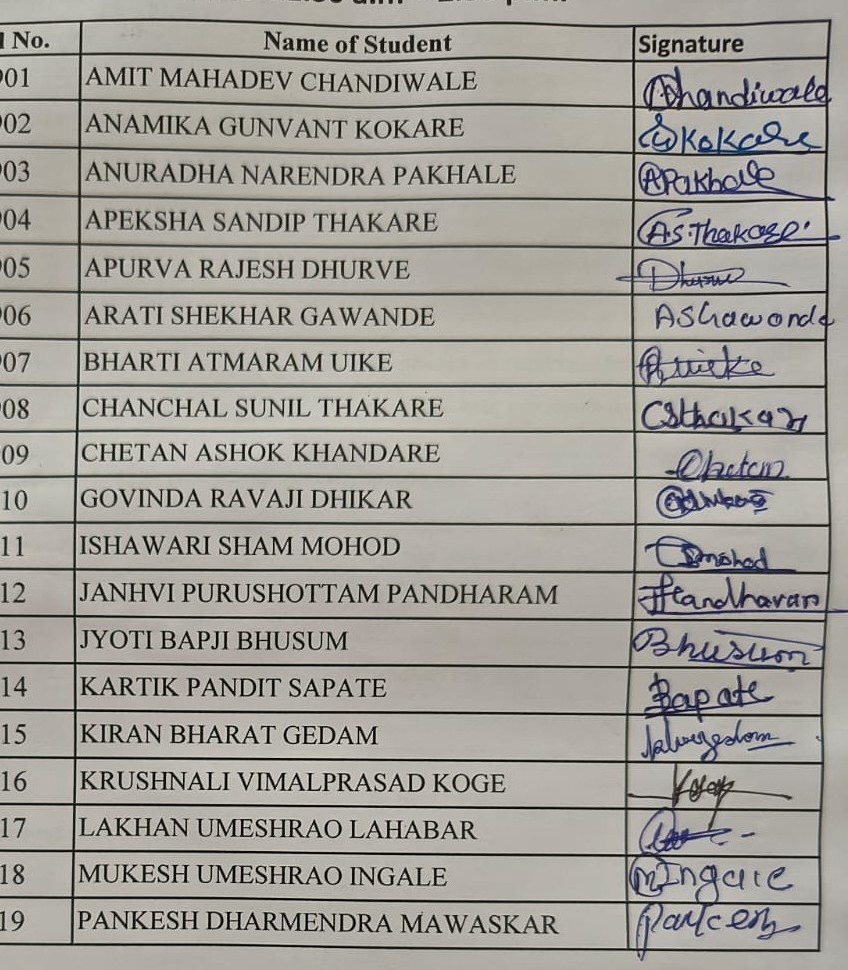
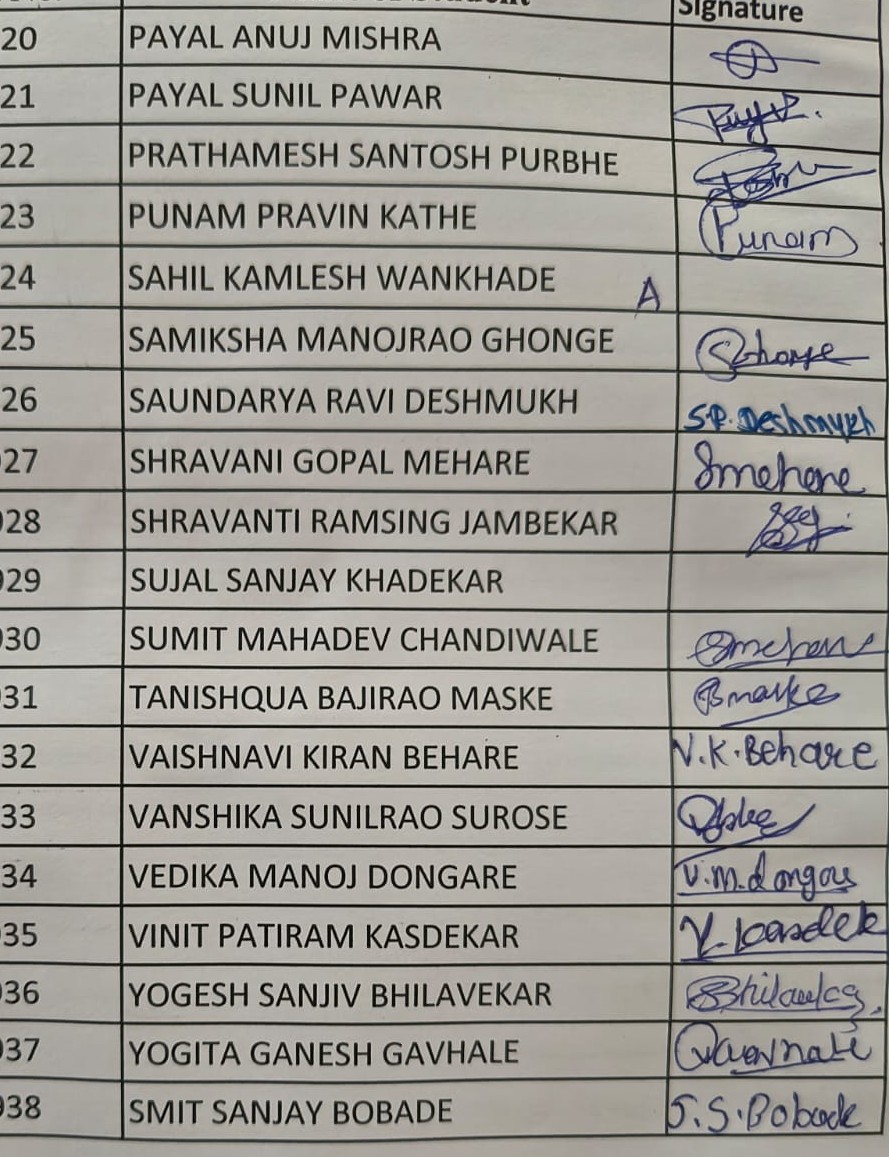
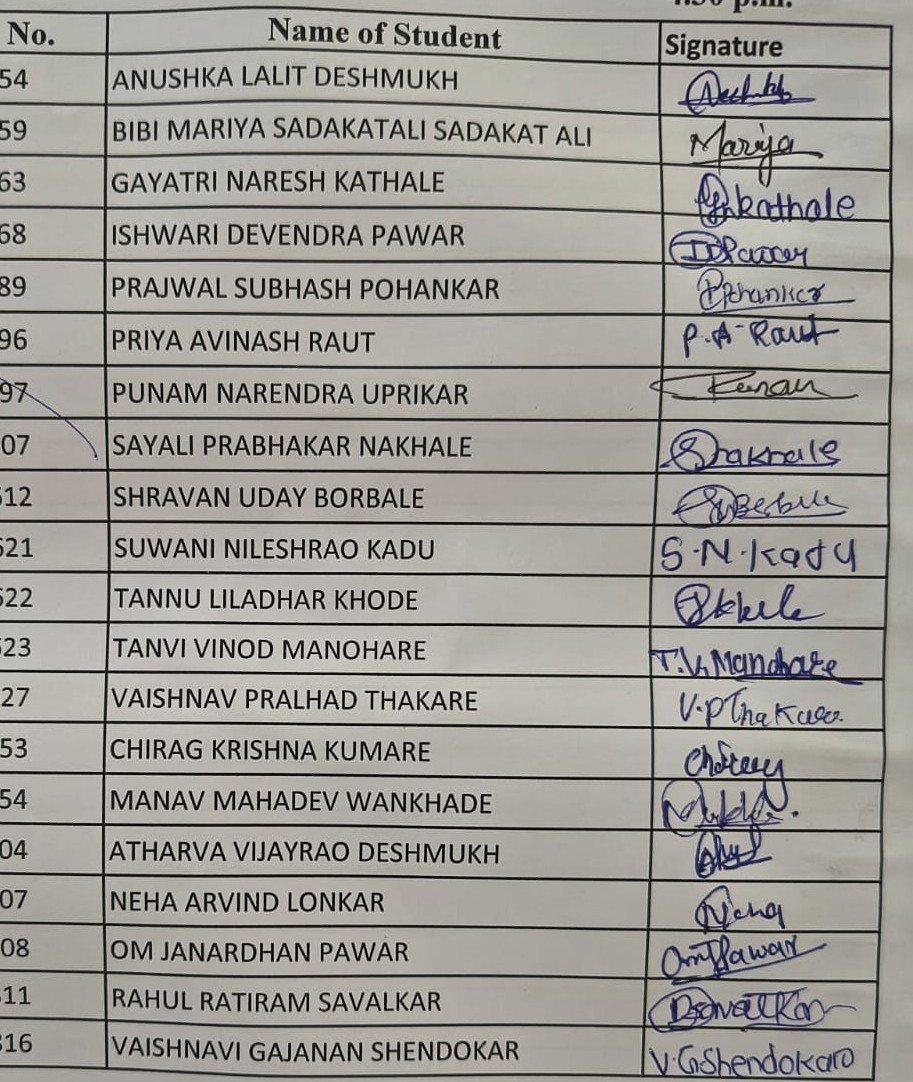
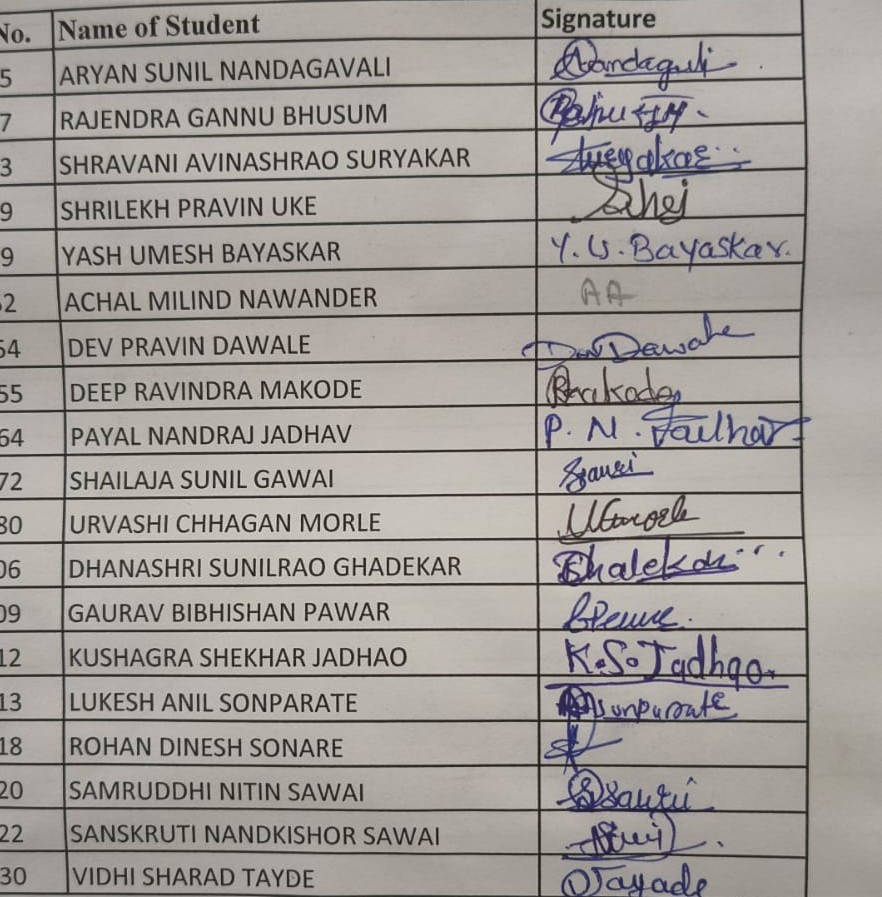
No of Beneficieries: 77
Classes Involved: B.Sc. & M.Sc.
Venue of the Activity: Department of Physics
Activity Report:
The Department of Physics, organized an enriching and thought-provoking guest lecture under DBT STAR College scheme titled “Exploring the Frontiers of Science: Opportunities for Young Minds” for the students of B.Sc. and M.Sc. Physics. This academic activity was conducted under the DBT Star College Scheme, which aims to strengthen science education by providing students with exposure to advanced scientific knowledge and research-oriented learning. The lecture was delivered by Dr. S. Masilla Moses Kennedy, a distinguished academician and researcher, who is widely recognized for his contributions to the field of Physics and his dedication to mentoring young learners.
The primary purpose of organizing this lecture was to expose students to emerging frontiers in science and technology. In the present era of rapid scientific advancements, it is essential for students to go beyond textbook knowledge and understand the latest developments shaping the future of science. The lecture aimed to inspire students to explore innovative ideas and cultivate a research-oriented mindset. Another important objective was to motivate students towards research and innovation by emphasizing the importance of curiosity, creativity, and critical thinking. The session also focused on creating awareness about higher education opportunities, including postgraduate studies, research fellowships, and career prospects in scientific domains at both national and international levels. Additionally, the lecture sought to promote interdisciplinary learning by encouraging students to integrate concepts from different branches of science to address complex real-world challenges.
The program began with a formal introduction of the resource person. The organizing faculty highlighted Dr. Kennedy’s academic achievements, research contributions, and professional experience. His extensive knowledge and expertise in advanced areas of Physics created a strong sense of anticipation among the students. The introduction not only established his credibility but also motivated students to learn from his experiences and insights.
In his lecture, Dr. Kennedy delivered an engaging and insightful presentation that captured the attention of the audience throughout. He began by discussing the fundamental qualities required to excel in science. He emphasized that curiosity is the driving force behind scientific discovery and encouraged students to ask questions and explore new ideas. He also highlighted the importance of creativity in developing innovative solutions and the role of critical thinking in analyzing and understanding complex problems. According to him, a strong foundation in basic concepts is essential for success in advanced research, and students should focus on building conceptual clarity rather than rote learning.
A significant portion of the lecture was devoted to discussing emerging areas in science and technology. Dr. Kennedy introduced students to the field of nanotechnology, explaining how the manipulation of materials at the nanoscale can lead to groundbreaking applications in medicine, electronics, and energy. He also discussed renewable energy, stressing the urgent need for sustainable energy solutions to address global challenges such as climate change and environmental degradation. His insights into advanced materials highlighted the development of new materials with unique properties that can revolutionize industries. Furthermore, he spoke about computational science, which integrates physics, mathematics, and computer science to model complex systems and solve scientific problems efficiently.
Dr. Kennedy strongly encouraged students to participate in research activities at an early stage of their academic journey. He explained that early exposure to research helps in developing analytical skills, problem-solving abilities, and a deeper understanding of scientific concepts. He informed students about various opportunities such as summer internships, research fellowships, and training programs offered by reputed institutions. He also highlighted international opportunities for higher education and collaborative research, motivating students to broaden their academic horizons and gain global exposure. His practical guidance provided students with a clear direction for planning their future careers in science.
Another important aspect of the lecture was the emphasis on interdisciplinary approaches in scientific research. Dr. Kennedy explained that many of the challenges faced by society today, such as environmental issues, energy crises, and healthcare problems, require solutions that involve multiple disciplines. He encouraged students to develop a flexible and open-minded approach to learning and to explore knowledge beyond their core subjects. This interdisciplinary perspective is essential for fostering innovation and addressing complex global problems effectively.
The lecture also underscored the importance of applying scientific knowledge to real-world situations. Dr. Kennedy emphasized that science should not be limited to theoretical understanding but should be used as a tool for solving practical problems. He प्रेरित students to think about how their knowledge can contribute to societal development and improve the quality of life. This practical orientation made the lecture highly relevant and impactful.
An interactive session followed the lecture, during which students actively engaged with the speaker. They asked questions related to career opportunities in research, the selection of research topics, higher education pathways, and the challenges faced in scientific careers. Dr. Kennedy responded to each query with clarity and provided valuable insights based on his personal experiences. This interaction helped in clarifying students’ doubts and encouraged them to pursue their goals with confidence.
The key highlights of the lecture included an in-depth understanding of cutting-edge research areas, the importance of innovation and critical thinking, and increased awareness about academic and research opportunities. The lecture effectively motivated students to pursue higher education and research in science. It also emphasized the role of interdisciplinary approaches in addressing modern scientific challenges and encouraged students to adopt a holistic approach to learning.
In conclusion, the guest lecture proved to be highly informative, inspiring, and beneficial for the students of B.Sc. and M.Sc. Physics. It broadened their understanding of scientific research and provided them with valuable guidance for their future careers. The program successfully achieved its objectives by motivating students, enhancing their knowledge, and fostering a spirit of inquiry and innovation. The initiative under the DBT Star College Scheme played a significant role in nurturing young scientific minds and promoting a culture of research and excellence within the institution. Such academic activities are essential for preparing students to meet future challenges and contribute meaningfully to the advancement of science and technology.
Conclusion
The guest lecture was highly informative and inspiring for the students of B.Sc. and M.Sc. Physics. It successfully broadened their perspectives on scientific research and motivated them to explore emerging opportunities in science. The program proved to be a valuable initiative under the DBT Star College Scheme in nurturing young scientific minds.
Outcomes:
- Insight into cutting-edge research areas
- Importance of innovation and critical thinking
- Awareness about research and career opportunities
- Motivation for pursuing higher education and research
- Role of interdisciplinary approaches in science
Photos:
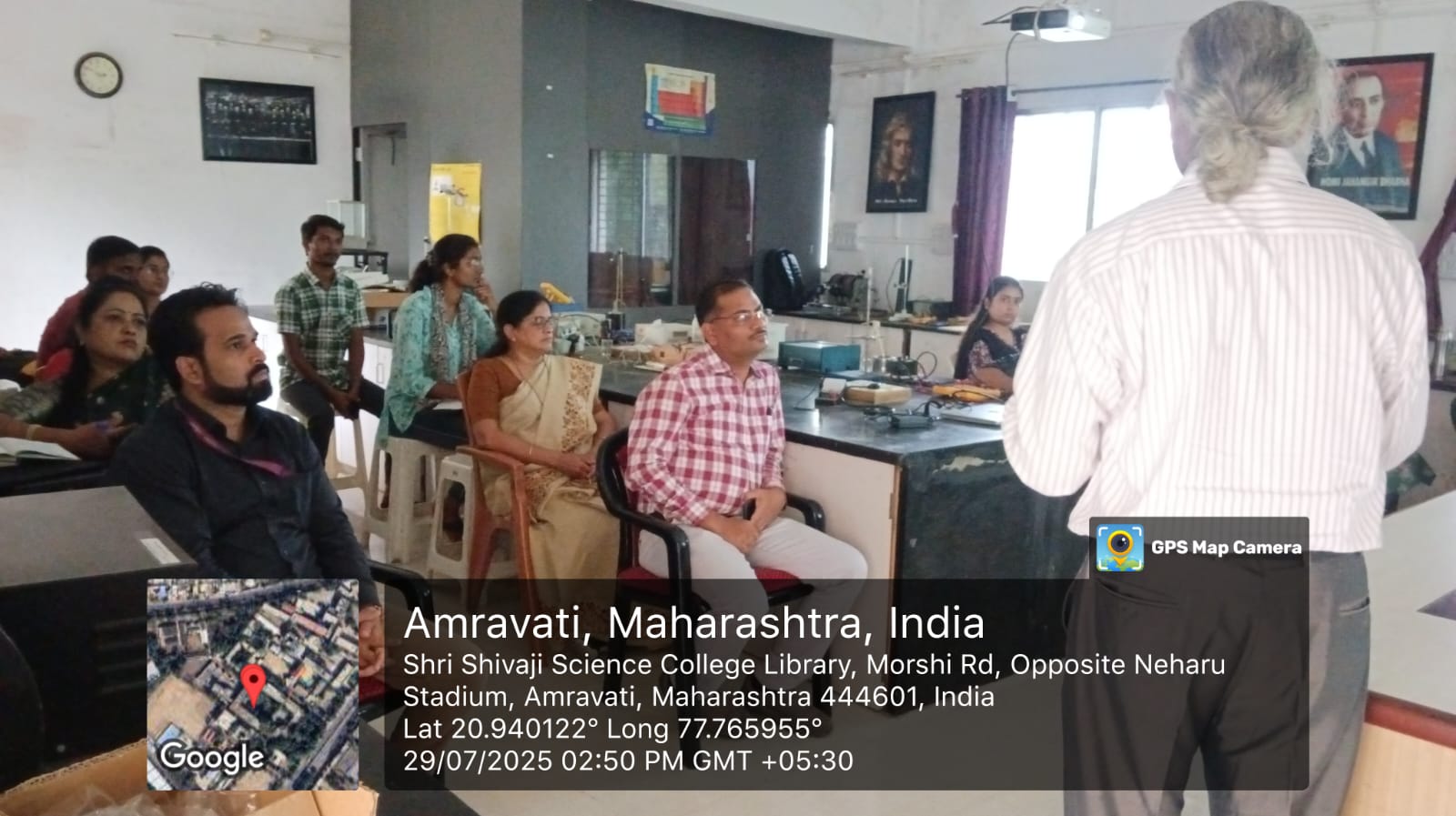 Dr. S. Masilla Moses Kennedy, a distinguished academician and researcher at SSN University Chennai delivering Guest Lecture | 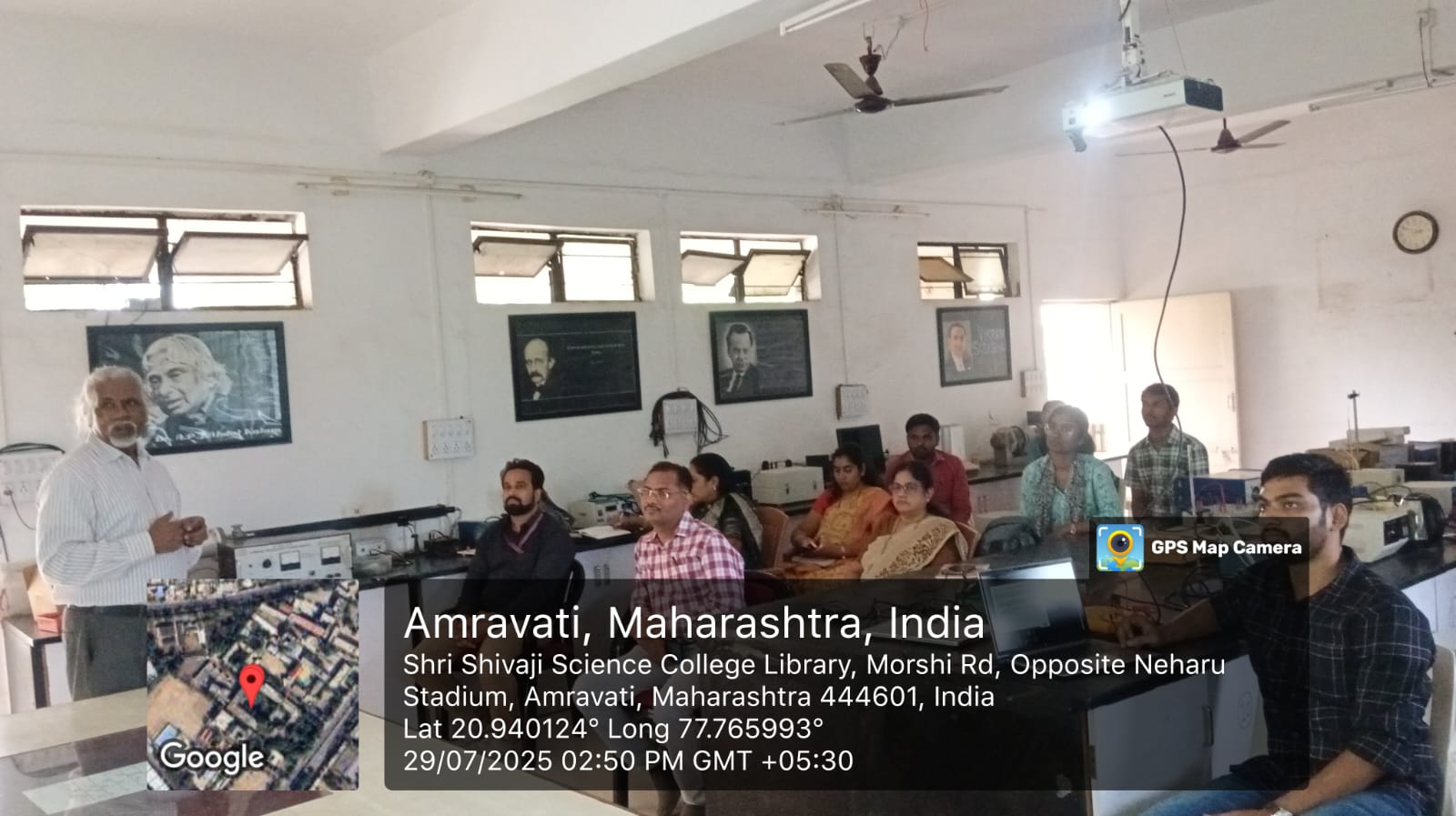 Faculty Members and B.Sc. Final Year and M.Sc. Physics students attending the Lecture |
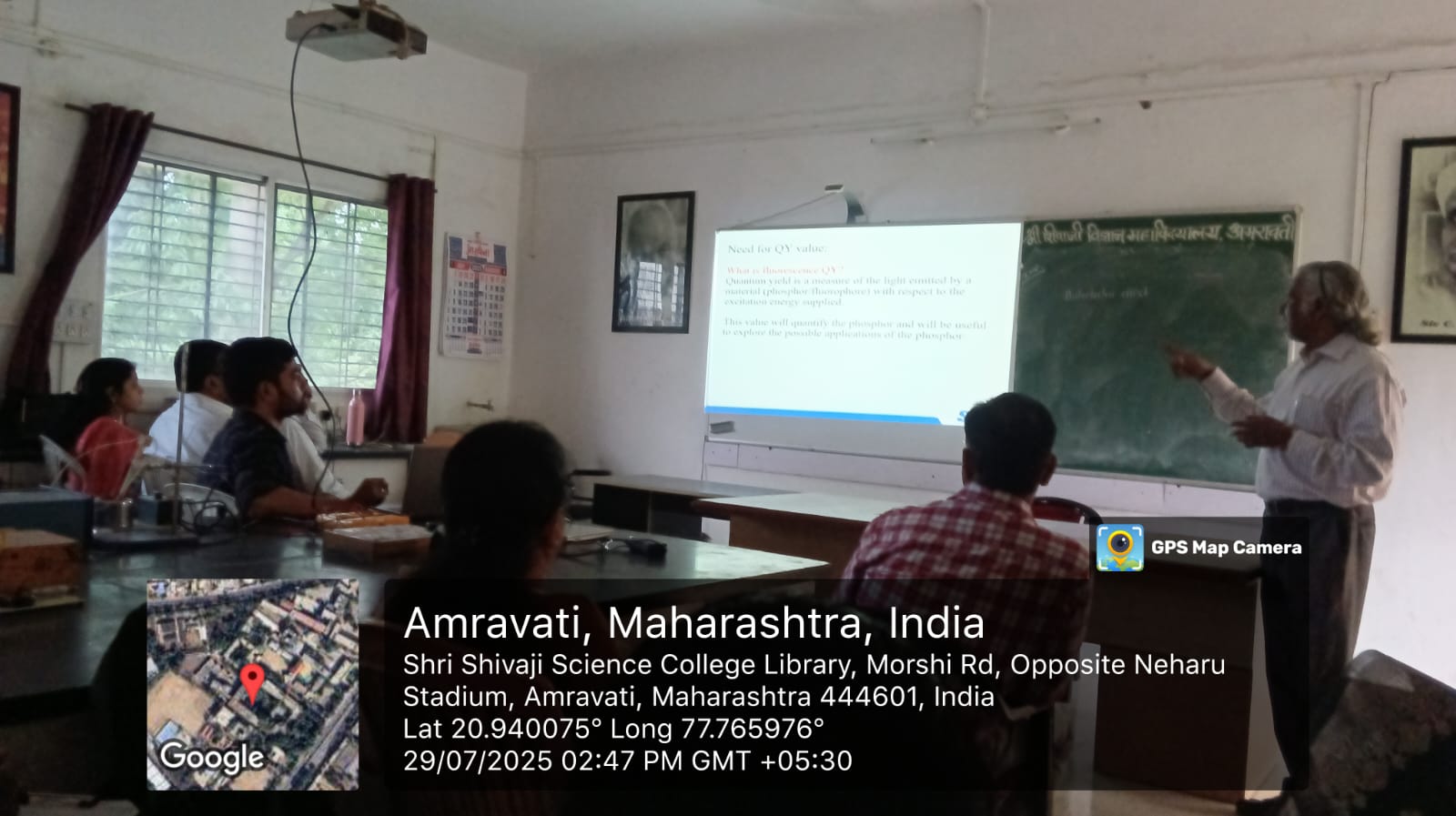 Faculty Members and B.Sc. Final Year and M.Sc. Physics students Interacting with Dr. Kennedy | 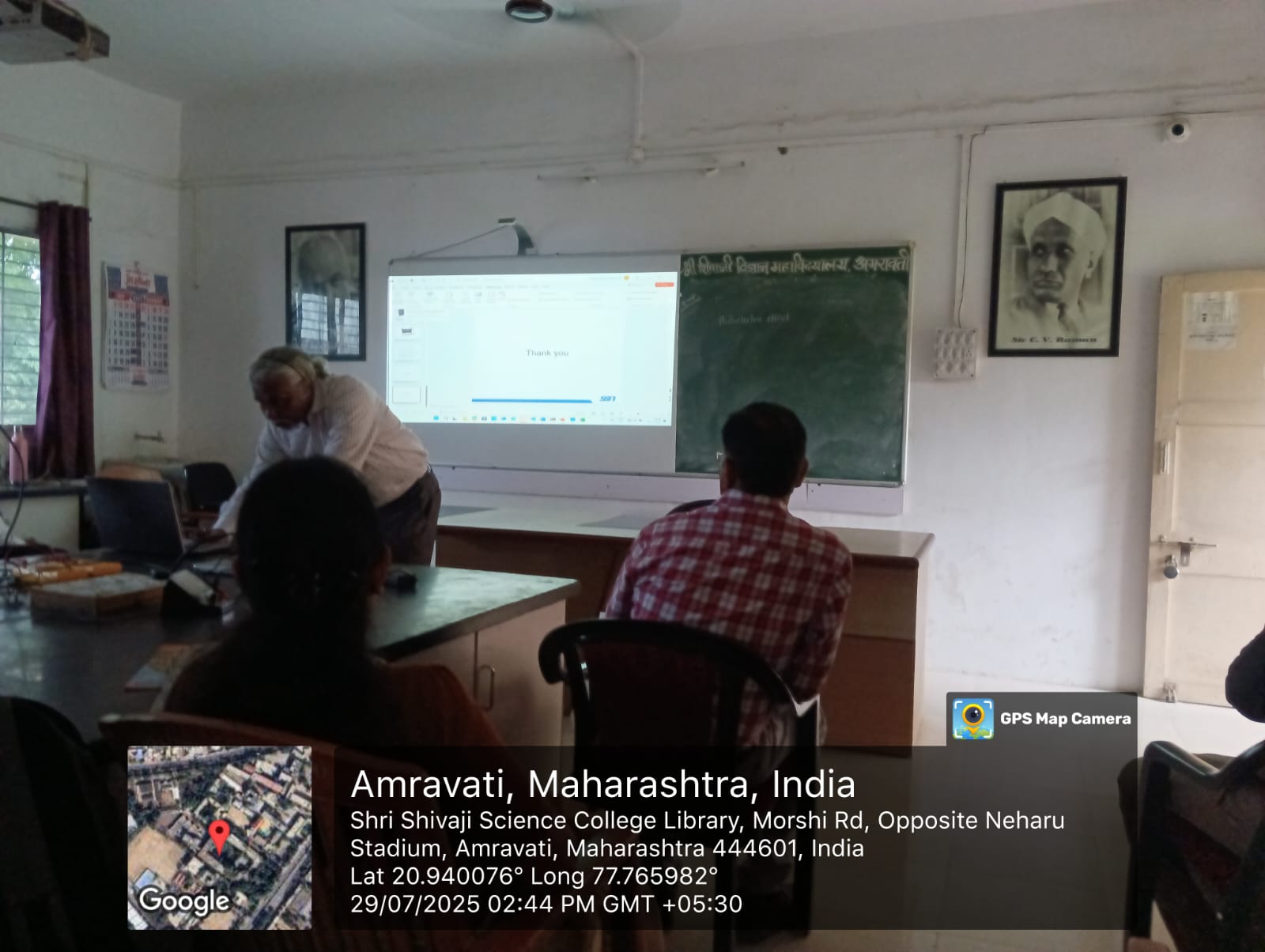 Faculty Members and B.Sc. Final Year and M.Sc. Physics students Interacting with Dr. Kennedy |
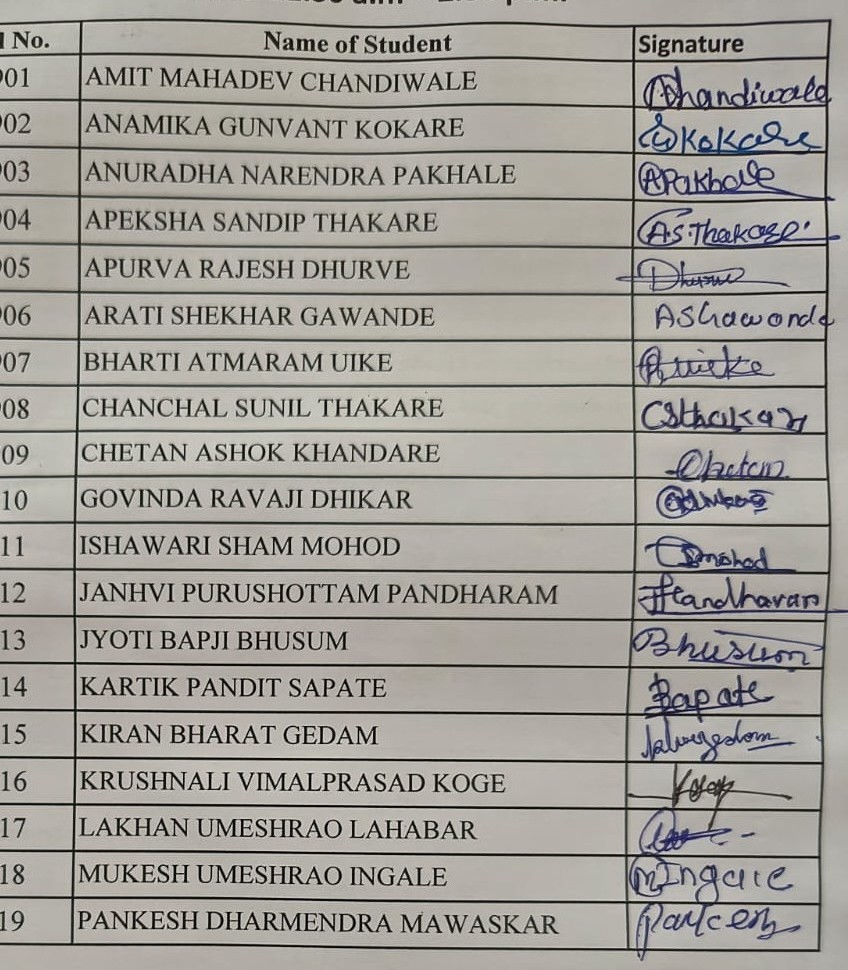
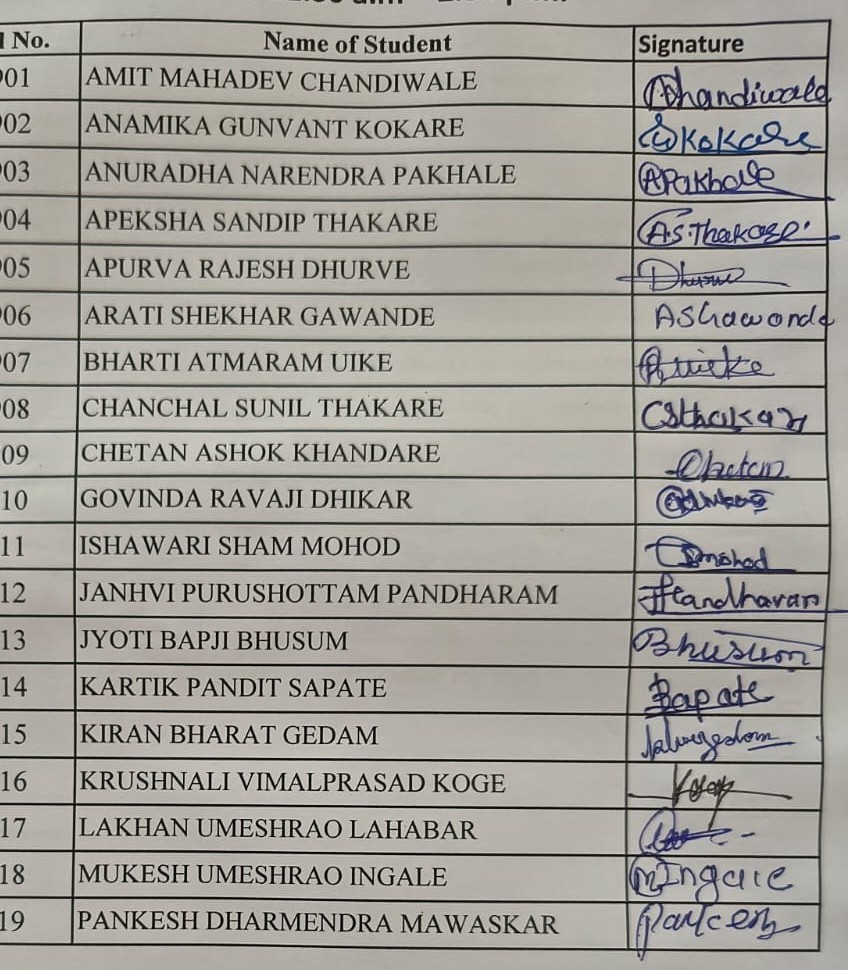
Attendance Sheet:
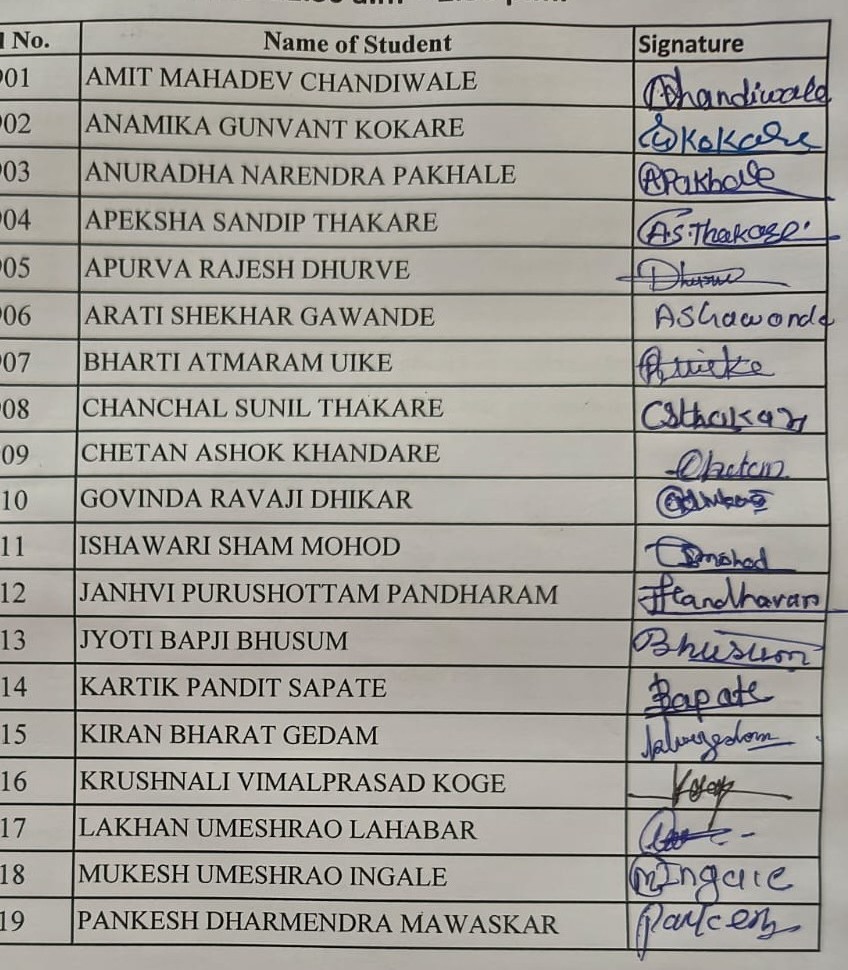 Sheet |
 Sheet |
 Sheet |
 Sheet |
 Sheet |
 Sheet |
 Sheet |