SHRI SHIVAJI SCIENCE COLLEGE, AMRAVATI
DBT STAR COLLEGE PROJECT ACTIVITY
ACTIVITY REPORT
Cut to Cultivation – One Day Workshop on Cutting, Budding and Grafting
Activity Dates: 11th March 2026
Type of Activity: Students Workshop
Organizing Department: Department of Botany & Bioinformatics
Program Coordinators: Dr. Swati V. Pundkar and Dr. Avinash N. Darsimbe
Head of the Department: Dr. Dinesh D, Khedkar
External Collaborator (if any): No
Objectives:
- To provide fundamental and practical knowledge of vegetative propagation techniques such as cutting, budding, and grafting.
- To develop hands-on skills required for plant propagation and nursery management.
- To understand the scientific principles behind successful plant cultivation.
- To promote interest in horticulture, agriculture, and related entrepreneurial opportunities.
- To bridge the gap between theoretical concepts and real-life applications in botany.
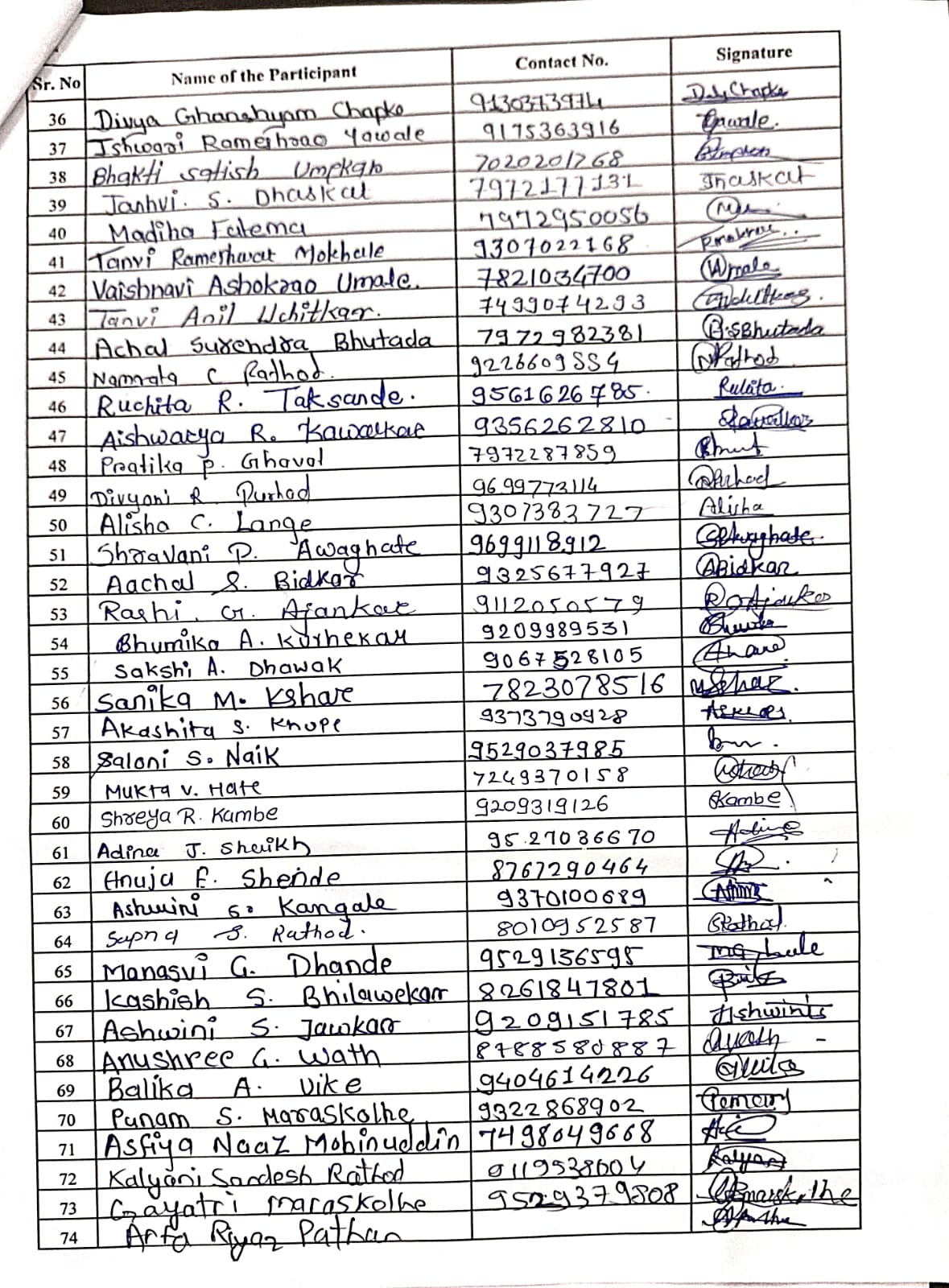
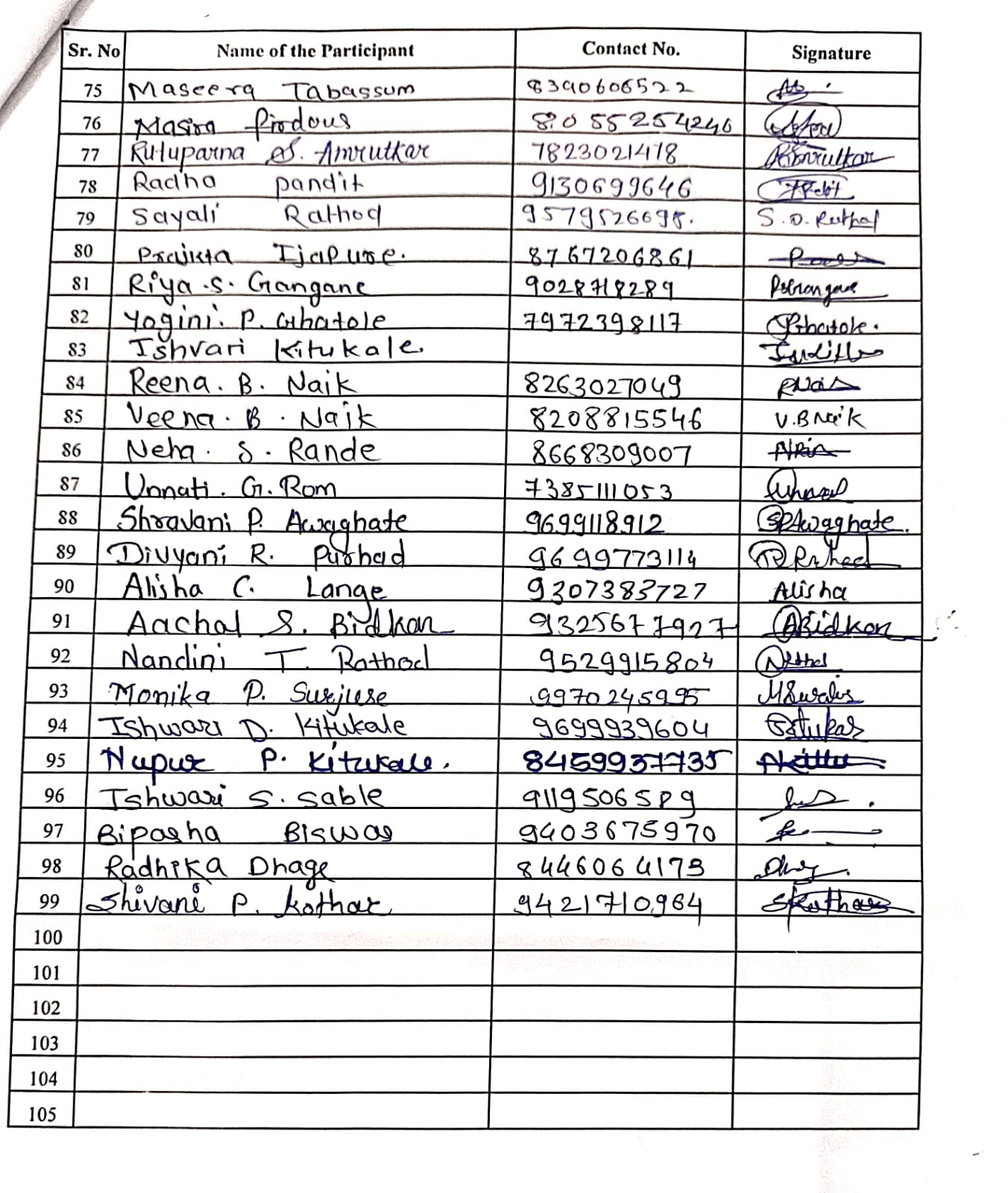
No of Beneficieries: 99
Classes Involved: B.Sc. II year student
Venue of the Activity: A. V. Theater
Activity Report:
The Department of Botany, Shri Shivaji Science College, Amravati, organized a one-day workshop titled “Cut to Cultivation – One Day Workshop on Cutting, Budding and Grafting” on 11th March 2026, from 12:00 PM to 5:00 PM at the AV Theatre under the DBT STAR College Scheme. The workshop aimed to provide students with practical knowledge and hands-on experience in essential plant propagation techniques widely used in horticulture and agriculture.
Plant propagation plays a crucial role in the multiplication, conservation, and improvement of plant species. Techniques such as cutting, budding, and grafting are not only fundamental to botany but also form the backbone of commercial plant production, nursery management, and sustainable agriculture. Recognizing the importance of these techniques, the Department of Botany took the initiative to organize this workshop to bridge the gap between theoretical learning and practical application.
The workshop was conducted by Dr. Suchita Khodke, Principal of Vinayak Vidnyan Mahavidyalaya, Nandgaon (Kh.), who is a renowned expert in plant propagation and horticultural practices. With her vast experience and deep knowledge in the field, Dr. Khodke delivered an engaging and insightful session. She explained the scientific principles underlying vegetative propagation and highlighted the importance of selecting healthy plant material, maintaining appropriate environmental conditions, and ensuring proper post-propagation care for successful plant growth.
Dr. Khodke began her session with a detailed theoretical explanation of vegetative propagation. She emphasized that plant propagation is not merely a technique but an essential skill for ensuring genetic uniformity, disease resistance, and improved yield in crops. She also discussed how these techniques are widely used in agriculture, horticulture, and landscaping, making them valuable for students aspiring to build careers in these fields. Her lecture laid a strong foundation for understanding the practical aspects that followed.
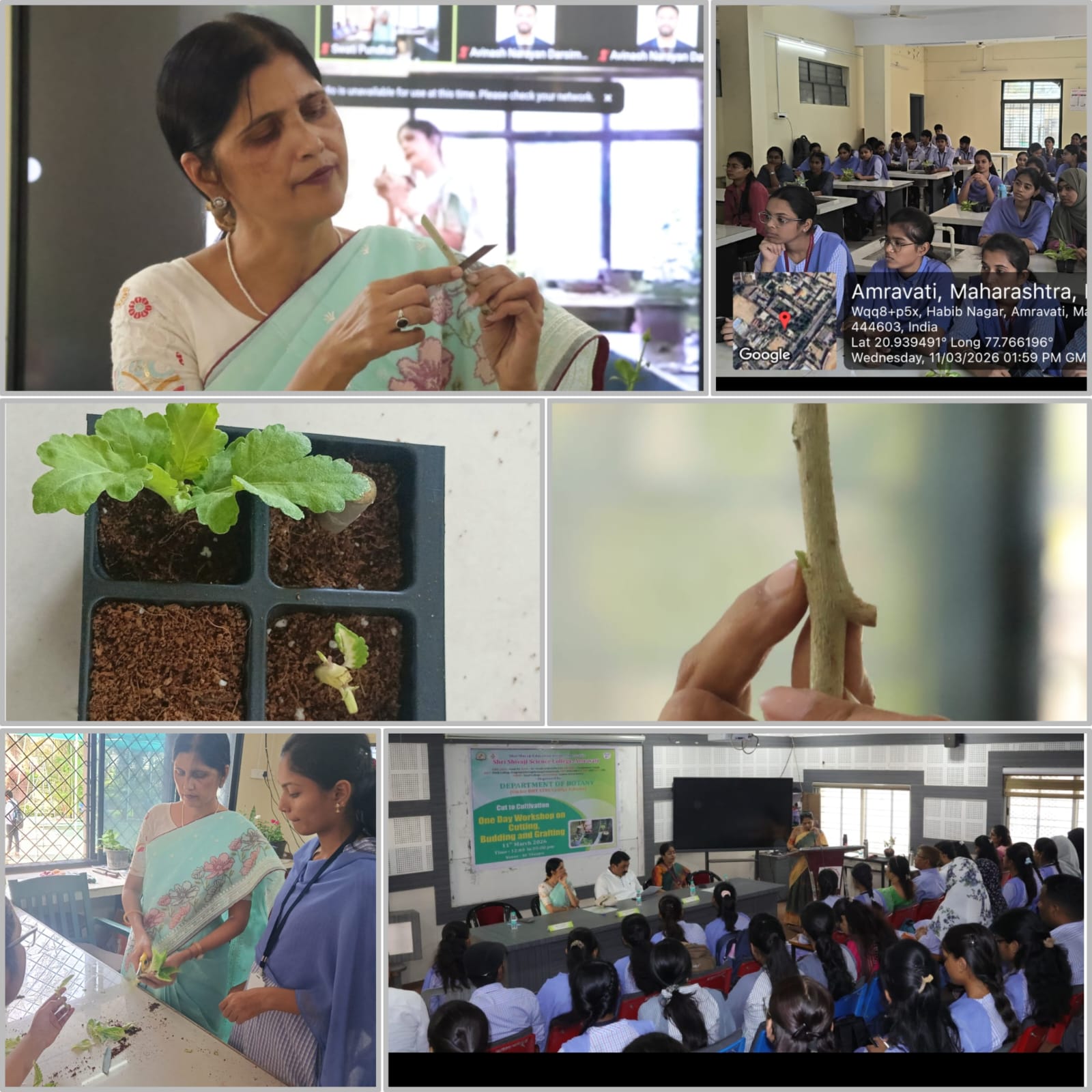
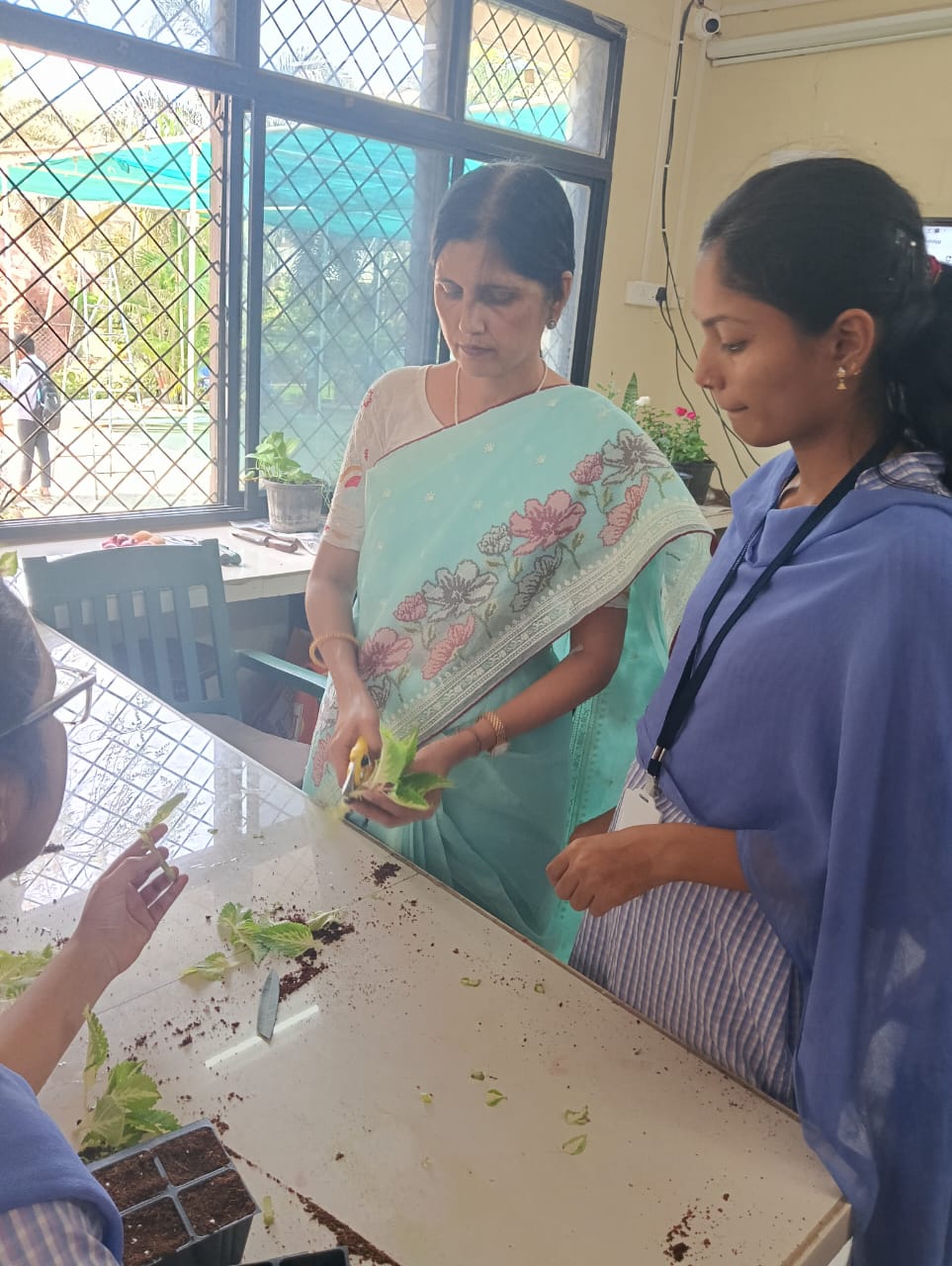
The workshop was highly interactive and included live demonstrations of cutting, budding, and grafting techniques. These demonstrations were conducted step by step, enabling students to clearly understand each stage of the process. The practical approach adopted during the workshop made it easier for students to grasp the concepts and visualize their real-life applications.
The proceedings of the workshop began at 12:00 PM with a brief introduction and welcome of the resource person. The session was systematically divided into three major sections, each focusing on a specific propagation technique.
In the first session, Dr. Khodke explained the cutting technique, which involves the use of plant parts such as stems, leaves, or roots to grow new plants. She elaborated on different types of cuttings, including stem cuttings, leaf cuttings, and root cuttings. She demonstrated how to select healthy plant material, prepare cuttings, and treat them with rooting hormones to enhance growth. The importance of proper planting methods and environmental conditions, such as moisture and temperature, was also discussed. Students learned about the advantages of this technique, including its simplicity, cost-effectiveness, and ability to produce genetically identical plants.
The second session focused on the budding technique, which is commonly used in the propagation of fruit plants. Dr. Khodke introduced the concept of budding and explained its various types, with special emphasis on the T-budding method. She demonstrated the process of inserting a bud from one plant into another plant (rootstock) and explained how the two parts unite to grow as a single plant. She highlighted the importance of timing, proper alignment, and aftercare to ensure successful budding. The session provided valuable insights into how budding is used to improve plant quality and productivity.
The third session covered the grafting technique, one of the most widely used methods in horticulture. Dr. Khodke explained different types of grafting methods, including wedge grafting and approach grafting. She demonstrated how the scion (the desired plant part) is joined with the stock (the base plant) to form a new plant with desirable characteristics. The significance of grafting in improving plant varieties, increasing yield, and enhancing resistance to diseases was discussed in detail. Students observed the precision required in making cuts and joining plant parts, which made the session highly engaging.
The live demonstrations conducted during the workshop were one of its major highlights. Students actively participated, observed each step carefully, and gained hands-on experience. The practical exposure helped them understand the challenges and techniques involved in plant propagation, making the learning process more effective and meaningful.
An interactive session was also conducted, where students enthusiastically asked questions related to the success rate of propagation methods, seasonal suitability, and common mistakes and precautions. Dr. Khodke addressed all queries with clarity and provided practical examples from her field experience. She also shared tips and best practices to ensure successful plant propagation, which added immense value to the learning experience.
The workshop successfully achieved its objectives by providing students with both theoretical knowledge and practical skills. It enhanced their understanding of plant propagation techniques and encouraged them to explore opportunities in horticulture and agriculture. The workshop also promoted skill-based learning and motivated students to apply these techniques in real-life situations, such as home gardening, nursery management, and agricultural practices.
The program was conducted under the guidance of Head of Department Dr. D. D. Khedkar, with coordination by Dr. S. V. Pundkar and Dr. A. N. Darsimbe as Activity In-charges. The successful execution of the workshop was made possible with the support of organizing committee members Dr. G. B. Hadawoo, Dr. R. C. Maggirwar, Dr. P. D. Deshmukh, and Dr. A. S. Kale. Their dedicated efforts ensured smooth coordination and effective management of the event.
The workshop received an enthusiastic response from students, who actively participated throughout the program. It proved to be highly informative and beneficial, as it provided them with practical exposure and strengthened their knowledge in botany and horticulture. The combination of expert guidance, interactive sessions, and hands-on demonstrations made the workshop a great success.
In conclusion, the “Cut to Cultivation” workshop was a significant initiative by the Department of Botany to promote experiential learning and skill development among students. Such programs play a vital role in developing scientific temperament, practical competence, and awareness about sustainable agricultural practices. The workshop not only enriched the academic experience of students but also prepared them for future opportunities in the fields of botany, horticulture, and agriculture.
Outcomes:
- Students gained practical knowledge and hands-on experience in cutting, budding, and grafting techniques.
- Enhanced understanding of plant propagation methods and their applications in horticulture.
- Developed skills for selecting plant material and applying proper propagation techniques.
- Increased awareness of career opportunities in agriculture, horticulture, and nursery management.
- Encouraged skill-based learning and self-employment opportunities in plant cultivation.
Photos:
 Cut to Cultivation | 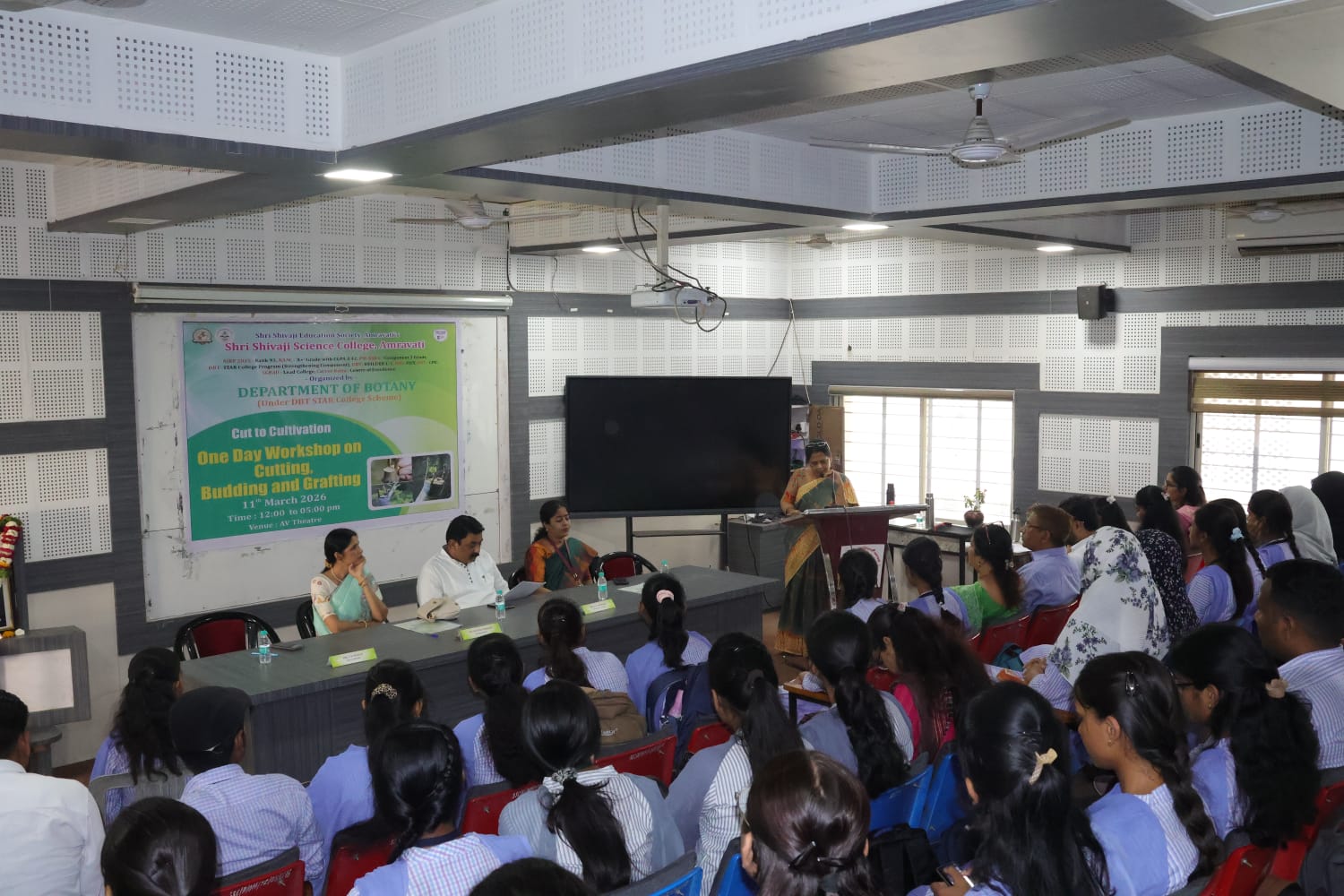 Inaugration photo |
 Dr. Khodkae Madam showing cutting to showing | 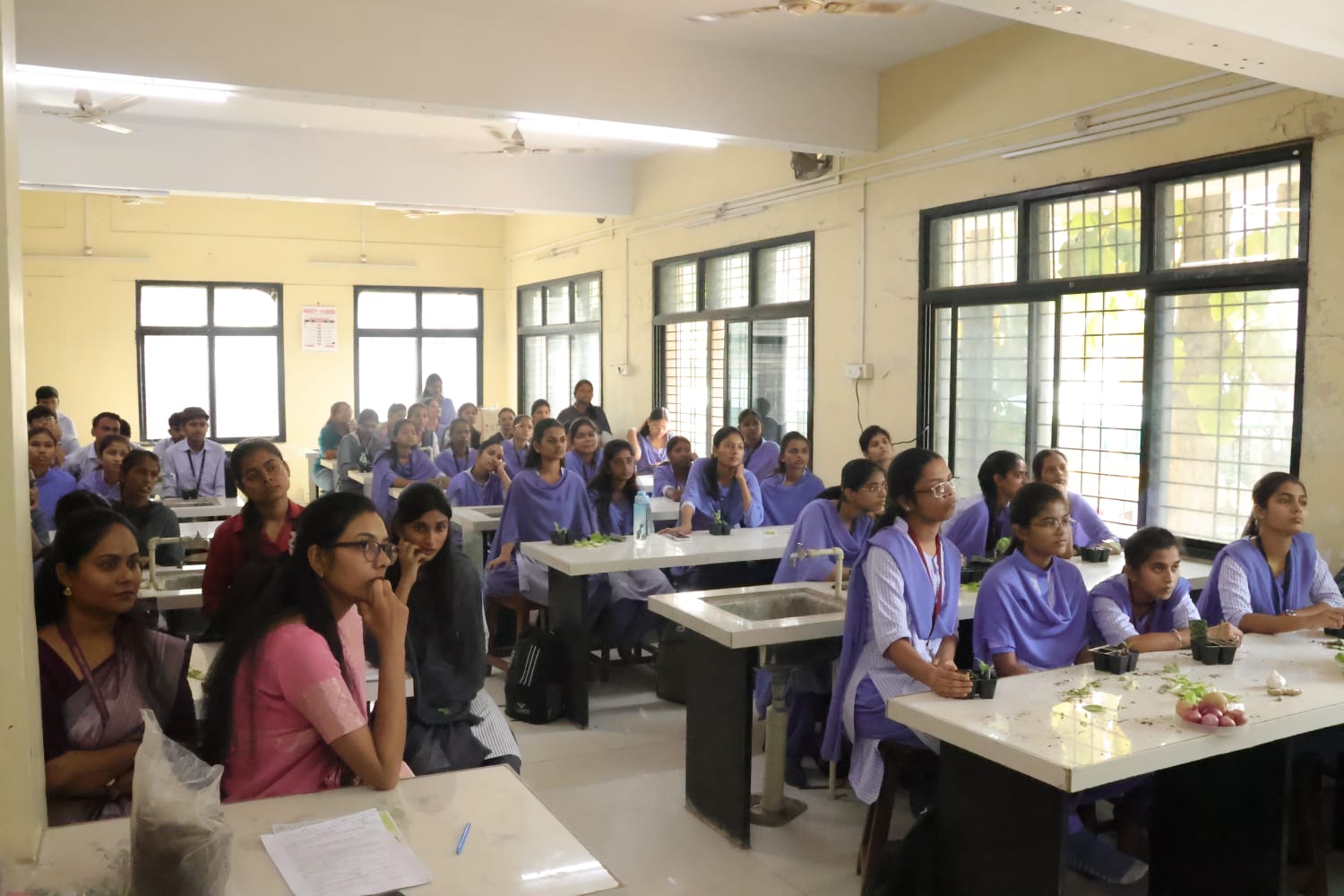 hands on training |
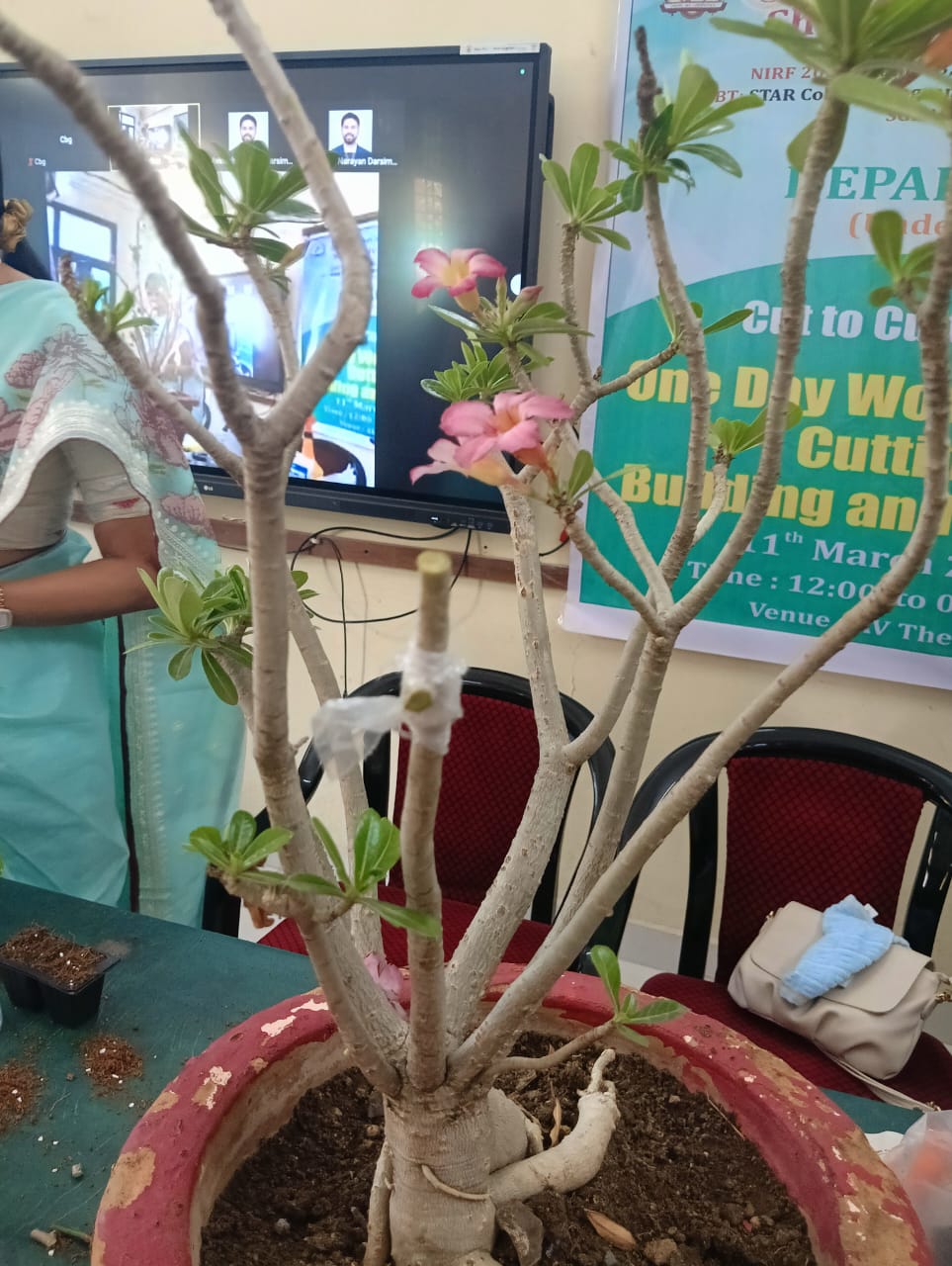 Showing graftting | 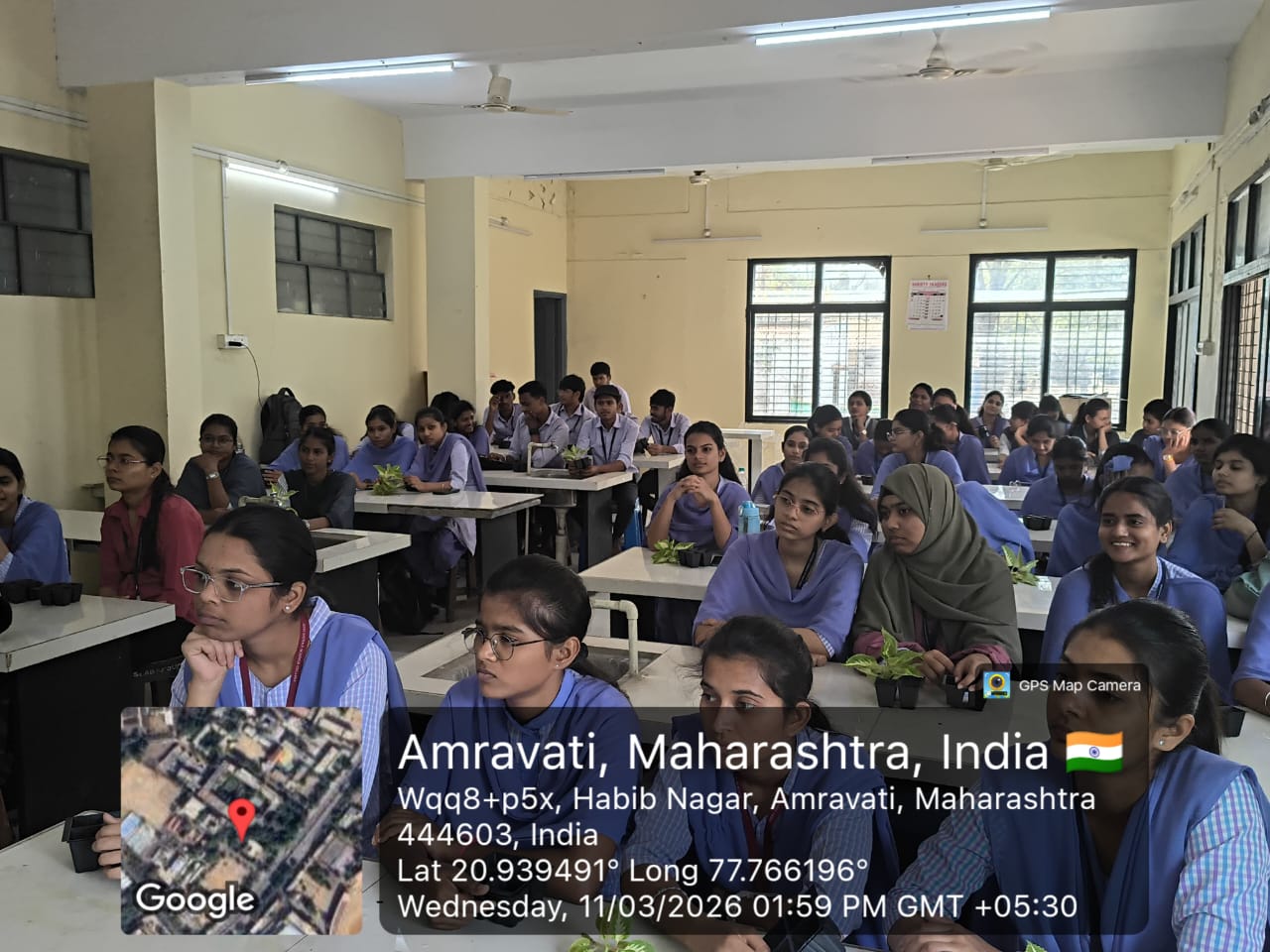 Participants photo |
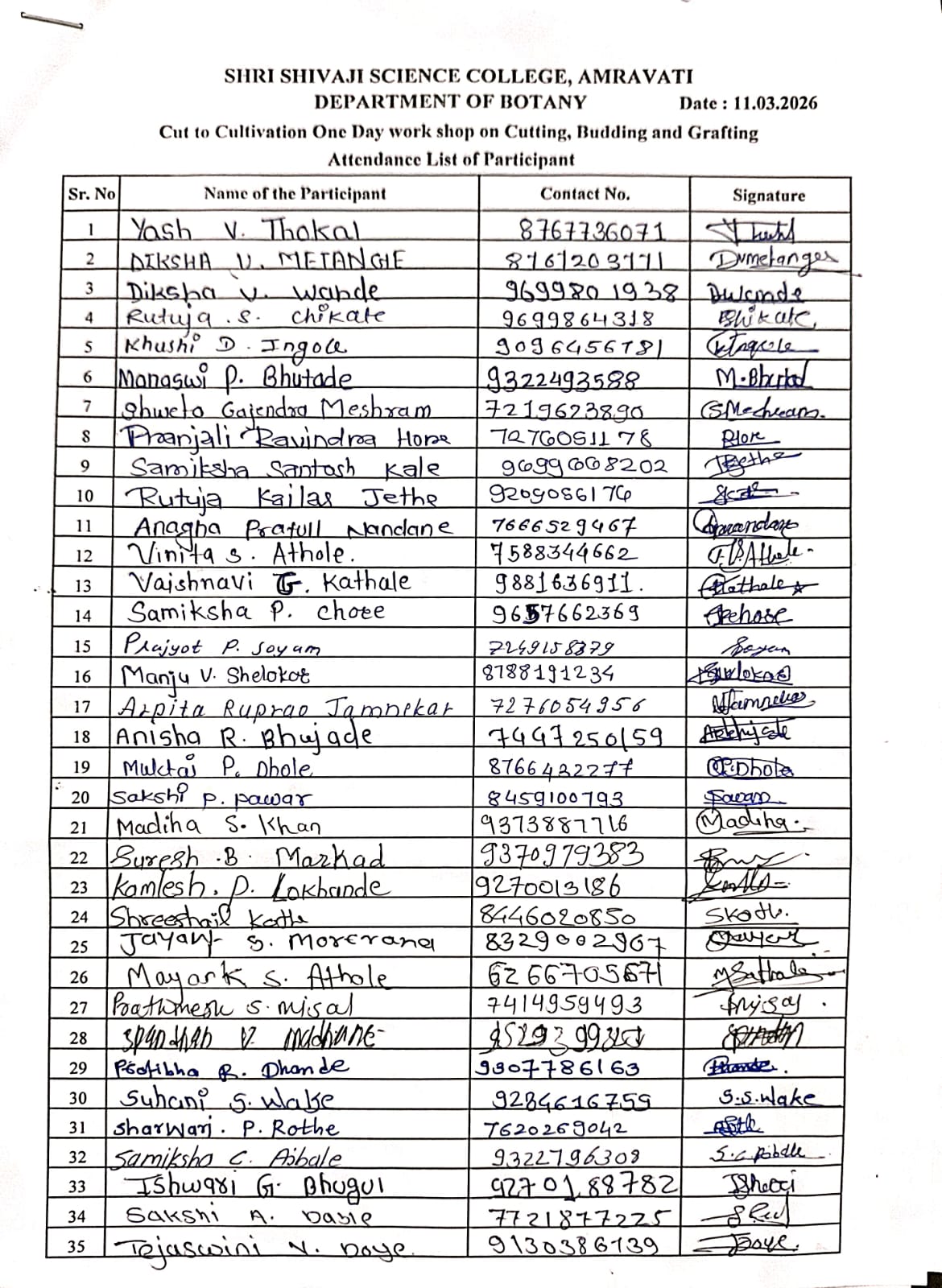
Attendance Sheet:
 |
 |
 |