SHRI SHIVAJI SCIENCE COLLEGE, AMRAVATI
DBT STAR COLLEGE PROJECT ACTIVITY
ACTIVITY REPORT

Exploring Dimension of Environmental Literacy Through Survey At Kaundanyapur
Activity Dates: 12.11.2025
Type of Activity: Outreach Activity
Organizing Department: Department of Environmental Science
Program Coordinators: Mr. V. D. Bute
Head of the Department: Dr. S. P. Ingole
External Collaborator (if any): Z.P Middle School Kaundanypur
Objectives:
- • To create environmental awareness among students regarding pollution, conservation, and sustainable living.
- • To educate students about proper waste management practices such as Reduce, Reuse, and Recycle.
- • To encourage creative learning through interactive activities like quiz competitions and thumbprint tree art.
- • To develop a sense of responsibility among students toward protecting nature and natural resources.
- • To motivate students to adopt eco-friendly habits such as saving water, planting trees, and using cloth bags.
No of Beneficieries: 51
Classes Involved: B.Sc. II year CEB and CEZ
Venue of the Activity: Z.P Middle School Kaundanypur
Activity Report:
The environment is the foundation of life on Earth. It includes all living and non-living components such as air, water, soil, plants, animals, and human beings. These elements interact continuously and maintain ecological balance. A healthy environment provides clean air, safe water, fertile land, biodiversity, and suitable climatic conditions necessary for human survival and development. However, rapid industrialization, urbanization, increasing population, pollution, deforestation, and excessive exploitation of resources have disturbed this balance.
Environmental problems such as climate change, water scarcity, waste generation, soil degradation, and biodiversity loss have become serious concerns in recent times. Therefore, environmental education has become highly important in creating awareness and encouraging responsible behavior among people. Educating school students about environmental values is one of the most effective ways to build a sustainable future.
Children learn habits at an early age, and awareness programs in schools help them understand the importance of cleanliness, tree plantation, water conservation, waste management, and eco-friendly lifestyles. Interactive activities such as quizzes, creative tasks, and group participation make learning more effective than traditional lecture-based methods.
With this purpose, B.Sc. III students of the Department of Environmental Science, Shri Shivaji Science College, Amravati conducted an outreach activity at Z.P Middle School, Kaundanyapur. The program included an environmental quiz, thumbprint tree creative activity, awareness interaction, and prize distribution. The session was designed to combine education with enjoyment and to encourage environmental responsibility among school students.
About the School and Location
Z.P Middle School, Kaundanyapur is located in the rural region of Amravati district, Maharashtra. Kaundanyapur is a historically and culturally significant village, known for its peaceful surroundings, agricultural background, and strong community values.
The school serves students from the village and nearby areas. It plays an important role in promoting education among rural children. The campus environment is calm, clean, and surrounded by natural greenery, making it an ideal place for conducting environmental awareness activities.
The management, teachers, and principal of the school extended full cooperation and welcomed the initiative enthusiastically.
Organizing Team
The outreach activity was conducted by two B.Sc. III students of the Department of Environmental Science, Shri Shivaji Science College, Amravati:
• Akanksha V. Bharose
• Samiksha D. Parde
Both students jointly planned, organized, and executed the program. Their teamwork ensured smooth management of all activities.
The responsibilities included:
• Preparation of awareness content
• Designing quiz questions
• Arranging materials and prizes
• Conducting interactive activities
• Coordinating with teachers and students
• Managing documentation
This outreach effort also helped the student organizers gain practical skills in leadership, communication, and community engagement.
Planning of the Program
The activity was planned in advance to ensure that the session remained informative, creative, and enjoyable.
The program included:
1. Welcome and introduction
2. Brief awareness session on environment
3. Environmental quiz competition
4. Thumbprint tree creative task
5. Prize distribution
6. Closing interaction with students and teachers
The aim of planning was to maintain a smooth sequence and ensure active participation from all students.
Materials and Resources Used
Several tools and materials were arranged for the successful conduct of the session:
• Quiz sheets and pens
• Chart paper with tree outline
• Sketch pens and colors
• Non-toxic thumb paints
• Chocolates and small gifts
• Crayon box for first prize
• Certificates/appreciation items
• Posters with environmental slogans
• Attendance sheet
• Camera for documentation
All materials were selected to make the program attractive and student-friendly.
Conduct of the Outreach Activity
Welcome Session
The program began with a warm welcome by the school staff and teachers. Students were gathered in the classroom and introduced to the visiting college students.
The organizers explained the purpose of the visit and encouraged all students to participate actively.
A short introductory talk was given on:
• Importance of the environment
• Need for clean surroundings
• Conservation of water and electricity
• Tree plantation
• Plastic-free lifestyle
• Sustainable habits in daily life
Students listened carefully and responded with interest.
Environmental Quiz Competition
The first major activity of the session was an environmental quiz competition.
Questions were based on topics such as:
• Recycling and reuse
• Saving water
• Tree conservation
• Pollution control
• Energy saving
• Waste management
• Eco-friendly habits
Students participated enthusiastically and eagerly answered questions. Many discussed answers among themselves, showing teamwork and curiosity.
The quiz created a healthy competitive spirit and also tested their prior environmental knowledge.
Prizes were announced for winners to maintain motivation and excitement.
Students who answered correctly were appreciated immediately, which increased confidence and interest.
Thumbprint Tree Activity
After the quiz, students participated in a creative thumbprint tree activity.
A large tree outline was prepared on chart paper. Students were invited one by one to place thumb impressions using colorful paints to create leaves on the tree.
This activity had symbolic meaning: every individual contribution helps in protecting nature, just as each thumbprint helped complete the tree.
Students were highly excited to choose colors and add their marks. Many helped their classmates and shared creative suggestions.
The completed artwork looked bright, colorful, and meaningful. It represented unity, teamwork, creativity, and collective environmental responsibility.
Prize Distribution
Prize distribution was conducted after completion of the activities.
Prizes included:
• First prize for best quiz performance
• Second and third prizes
• Special prize for most active participant
• Chocolates for all students
The distribution of prizes created happiness and motivation among students.
Winners felt proud of their achievements, while all participants appreciated being included through chocolates and recognition.
This ensured that no student felt left out.
Student Participation and Response
The response of students during the session was highly positive.
Students displayed:
• Enthusiasm and curiosity
• Active involvement in all activities
• Confidence in answering quiz questions
• Creativity during thumbprint task
• Team spirit and cooperation
• Joy during prize distribution
Many students asked questions related to trees, pollution, waste disposal, and cleanliness.
Some students also shared that they use cloth bags at home or help in keeping surroundings clean.
This reflected growing environmental awareness among rural students.
Teacher Feedback
Teachers appreciated the outreach activity and expressed satisfaction with student participation.
They observed that:
• Students learned through enjoyable methods
• Quiz improved knowledge retention
• Creative tasks encouraged teamwork
• Reward system increased motivation
• Practical learning is more effective than lectures alone
Teachers suggested that similar awareness programs should be conducted regularly in rural schools.
Importance for Organizing Students
The outreach activity was equally valuable for the B.Sc. III student organizers.
Through this program, they gained practical experience in:
• Public speaking
• Leadership
• Event planning
• Communication skills
• Time management
• Team coordination
• Community service
The activity also gave them an opportunity to apply classroom environmental science knowledge in a real social setting.
Such experiences are important in shaping confident and socially responsible graduates.
Educational Value of Interactive Methods
The session proved that interactive learning methods are highly effective in environmental education.
Quiz Activity Helped In:
• Improving memory and understanding
• Building confidence
• Encouraging healthy competition
• Creating curiosity
Thumbprint Tree Helped In:
• Developing creativity
• Building teamwork
• Emotional connection with nature
• Understanding collective responsibility
Prize Distribution Helped In:
• Positive reinforcement
• Motivation
• Inclusiveness
• Student satisfaction
Thus, combining fun with learning made the session memorable.
Overall Observation
Throughout the session, students remained attentive, disciplined, cheerful, and involved.
The combination of educational, creative, and motivational elements ensured balanced participation from all students.
The rural background of the school did not limit curiosity or understanding. Instead, students showed strong interest in environmental topics and eagerness to learn.
The supportive role of teachers and school authorities also contributed significantly to the success of the program.
The outreach activity conducted by B.Sc. III students of the Department of Environmental Science, Shri Shivaji Science College, Amravati at Z.P Middle School, Kaundanyapur was highly successful and impactful.
The session effectively combined awareness, participation, creativity, and motivation through environmental quizzes, thumbprint tree activity, and prize distribution.
Students learned about conservation, recycling, cleanliness, and sustainable habits in an enjoyable manner. Their enthusiastic participation showed that school children respond positively when environmental education is presented creatively.
The program also benefited the organizing college students by improving their leadership, communication, and social responsibility skills.
Overall, the event was a commendable effort toward spreading environmental awareness in rural communities and inspiring young students to become responsible protectors of nature.
Outcomes:
- 1. Students showed active participation, enthusiasm, and curiosity throughout the awareness session.
- 2. Knowledge of environmental topics such as recycling, conservation, and cleanliness improved among students.
- 3. The quiz activity increased confidence, teamwork, and problem-solving skills.
- 4. The thumbprint tree activity enhanced creativity and promoted collective responsibility toward nature.
- 5. Students expressed willingness to follow eco-friendly habits in daily life, such as reducing waste and planting trees.
Photos:
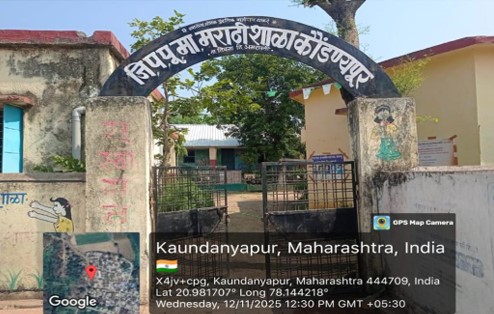 Z.P middle school, kaundanyapur | 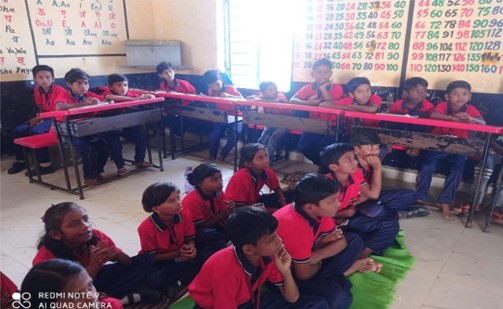 Interaction session with students |
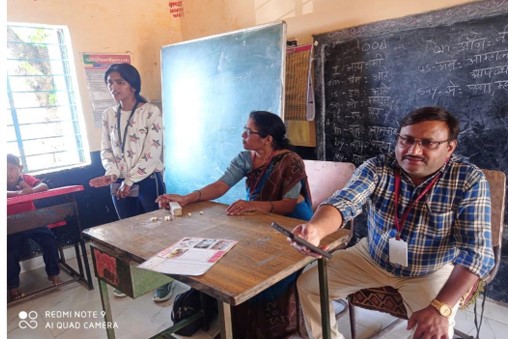 Interaction session with students |  Interaction with students |
 blank | 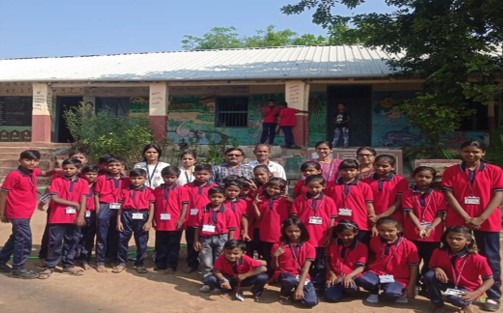 Group photo |
Attendance Sheet:
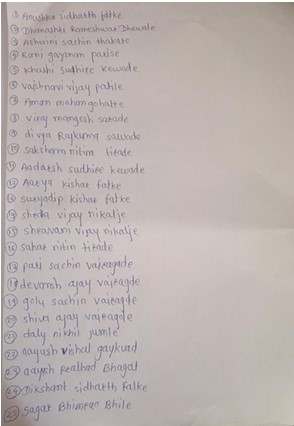 |
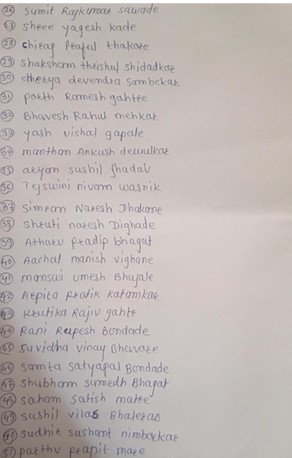 |