SHRI SHIVAJI SCIENCE COLLEGE, AMRAVATI
DBT STAR COLLEGE PROJECT ACTIVITY
ACTIVITY REPORT
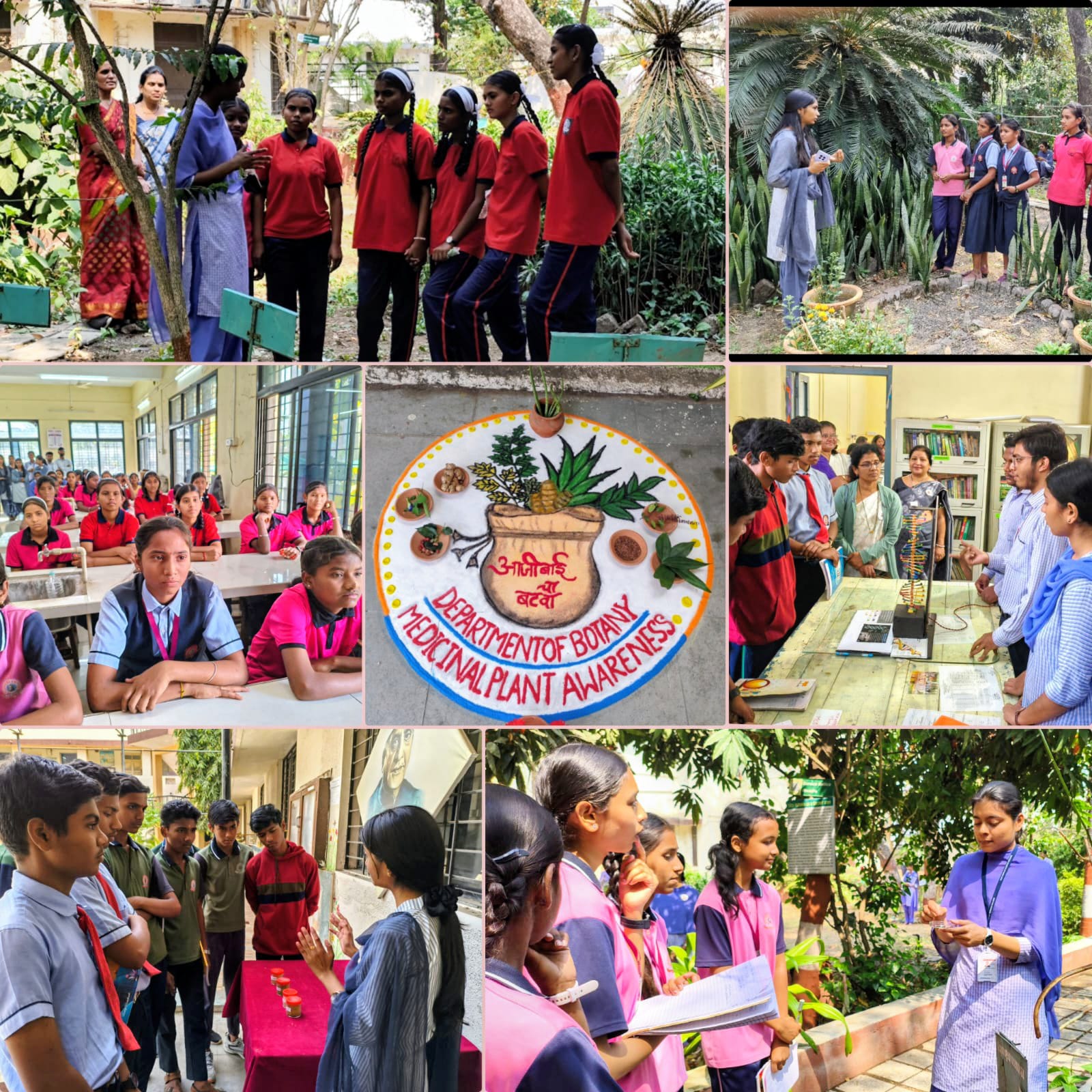
Aaji Bai cha Batwa (Information about medicinal Plants)
Activity Dates: 28 February 2026
Type of Activity: Students Workshop
Organizing Department: Department of Botany & Bioinformatics
Program Coordinators: Dr. Swati Pundkar and Dr. Avinash Darsimbe
Head of the Department: Dr. Dinesh Khedkar
External Collaborator (if any): No
Objectives:
- To create awareness about the importance and uses of medicinal plants
- To promote traditional Ayurvedic knowledge among students and society
- To encourage students to actively participate in knowledge-sharing activities
- To spread awareness about natural and eco-friendly healthcare practices
- To educate school students and the community about easily available herbal remedies
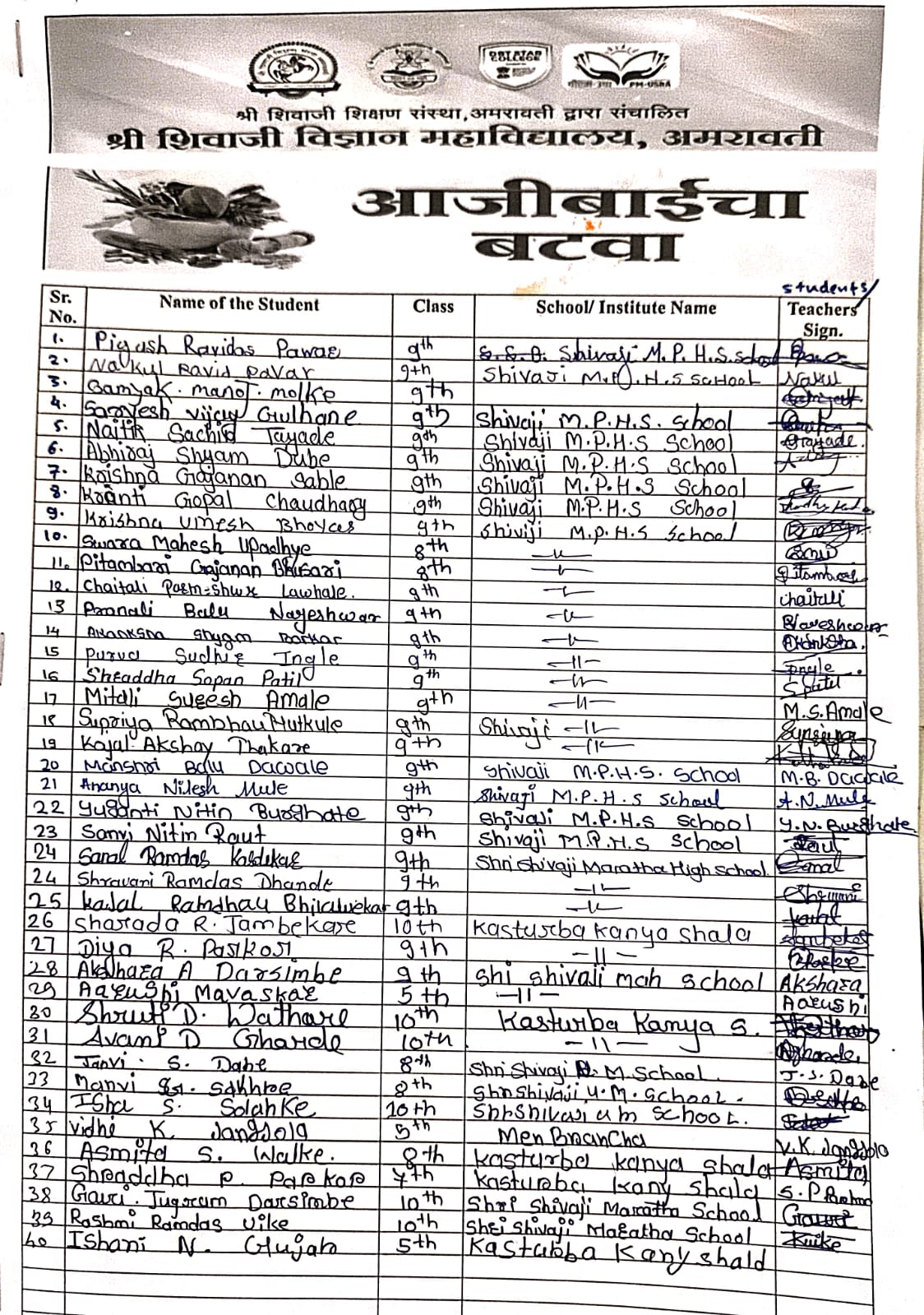
No of Beneficieries: 40
Classes Involved: UG , PG and School students
Venue of the Activity: Medicobotanucal garden
Activity Report:
The program “Aajibai Cha Batwa” was organized on the occasion of National Science Day, which is celebrated across India to promote scientific temper, curiosity, and awareness among students as well as the general public. This special day commemorates scientific achievements and encourages the integration of science into daily life. Keeping this spirit in mind, the Department of Botany, Shri Shivaji Science College, Amravati, organized this unique and meaningful activity under the DBT Star Scheme. The institution has always been at the forefront of academic excellence and social responsibility, consistently conducting innovative programs that connect classroom learning with real-life applications.
The program was conducted on 28 February 2026 at 11:00 AM onwards in the Botanical Garden of the Department of Botany, Shri Shivaji Science College, Amravati. The Botanical Garden proved to be an ideal venue, as it provided a natural setting where participants could directly observe and interact with various medicinal plants. This practical exposure significantly enhanced the learning experience and made the program more engaging and impactful.
“Aajibai Cha Batwa” is a concept deeply rooted in the traditional knowledge system of India. It reflects the age-old wisdom of grandmothers (“Aaji”), who used simple, natural remedies prepared from medicinal plants for treating common ailments. The term “Batwa” refers to a small pouch containing essential items, symbolizing a collection of home remedies derived from herbs and plants. This initiative aimed to revive and preserve this invaluable traditional knowledge, which is gradually being forgotten in modern times due to increasing dependence on chemical-based medicines.
The program was thoughtfully designed to bridge the gap between traditional Ayurvedic knowledge and modern scientific understanding. It emphasized that traditional practices are not merely cultural beliefs but are often based on scientific principles that have been tested over generations. The initiative aimed to create awareness among students and society about the importance of medicinal plants in maintaining a healthy lifestyle and encouraged the adoption of natural and sustainable healthcare practices.
The central theme of the program was “Awareness and dissemination of knowledge about medicinal plants (Aushadhi Vanaspati) and the importance of Ayurveda in daily life.” The program highlighted how Ayurveda, as a holistic system of medicine, focuses on maintaining balance in the body through natural means and preventive care. It also stressed that medicinal plants are not only effective but also safe, eco-friendly, and economical.
The event was organized as an interactive and educational activity that included demonstrations, exhibitions, and informative presentations. Students played a vital role in the execution of the program. They actively participated in preparing models, charts, and displays showcasing different medicinal plants and their uses. Each plant was explained in detail, including its botanical name, medicinal properties, method of preparation, and its application in treating common health issues.
Students demonstrated the use of medicinal plants for treating ailments such as cold, cough, fever, digestive problems, and minor skin infections. They explained how simple remedies prepared at home using easily available plants can be highly effective. For example, the use of tulsi for respiratory problems, neem for skin care, ginger for digestion, and turmeric for wound healing were discussed in a practical and understandable manner.
Special emphasis was given to plants that are commonly found in households or nearby surroundings. This approach ensured that the knowledge shared during the program was practical and could be easily implemented in daily life. The program also highlighted the importance of reducing excessive dependence on synthetic medicines, especially for minor health issues, by adopting safe herbal alternatives.
One of the most significant features of the program was the active involvement of students not only as participants but also as educators. They collected information from various reliable sources and presented it effectively during the program. This process enhanced their research skills, confidence, and communication abilities.
An important outreach component of the program was the involvement of school students. College students shared their knowledge with school students in a simple and engaging manner. This interaction helped younger students understand the importance of medicinal plants and inspired them to develop an interest in science and traditional knowledge. Participation from various schools added diversity and made the program more dynamic and impactful.
This peer-learning approach proved to be highly effective in spreading awareness beyond the college campus and into the wider community. It also fostered a sense of responsibility among students, encouraging them to contribute to society through knowledge sharing.
The program strongly emphasized the significance of Ayurveda as a preventive and holistic healthcare system. It highlighted that medicinal plants are:
• Easily available and cost-effective
• Environmentally friendly
• Associated with fewer side effects
• Useful for both preventive and curative purposes
By promoting these benefits, the program encouraged participants to adopt a healthier lifestyle and make informed choices regarding their health. It also stressed the importance of preserving traditional knowledge systems for future generations.
The Botanical Garden setting added immense value to the program, as participants could directly observe the plants being discussed. This hands-on experience made the learning process more effective and memorable. The combination of theoretical explanation and practical demonstration ensured a comprehensive understanding of the subject.
After the successful completion of the program, biscuits and jaljeera were distributed to the students, adding a refreshing and hospitable touch to the event. This gesture contributed to a positive and friendly atmosphere and was appreciated by all participants.
The key highlights of the program included informative displays of medicinal plants, live demonstrations of herbal remedy preparation, active student participation, and meaningful interaction between college and school students. The program successfully created an engaging and informative learning environment and received an enthusiastic response from all attendees.
The success of the program was made possible through the dedicated efforts and guidance of the organizing team. The program was conducted under the leadership of Head of Department Dr. D. D. Khedkar, with coordination by Dr. S. V. Pundkar and Dr. A. N. Darsimbe. Valuable support was provided by faculty members Dr. G. B. Hedawoo, Dr. R. C. Maggirwar, Dr. P. D. Deshmukh, and Dr. A. S. Kale. Their collective efforts ensured smooth planning, coordination, and execution of the program.
In conclusion, the “Aajibai Cha Batwa” program was a highly successful and impactful initiative that effectively combined traditional wisdom with modern scientific awareness. It provided a valuable platform for students to engage in experiential learning and community outreach. The program not only enhanced awareness about medicinal plants but also encouraged the adoption of natural and sustainable healthcare practices.
Such initiatives play a crucial role in preserving cultural heritage, promoting environmental sustainability, and building a healthier society. The program stands as an excellent example of how educational institutions can contribute to community development through innovative and meaningful activities.
Outcomes:
- Increased awareness among students and school participants about the importance and uses of medicinal plants.
- Enhanced understanding of traditional Ayurvedic knowledge and its relevance in modern healthcare.
- Development of practical knowledge regarding preparation and use of home-based herbal remedies.
- Encouraged adoption of natural, eco-friendly, and cost-effective healthcare practices.
- Promoted conservation and sustainable use of medicinal plant resources.
Photos:
 Aaji bai cha Batwa - information about medicinal plants | 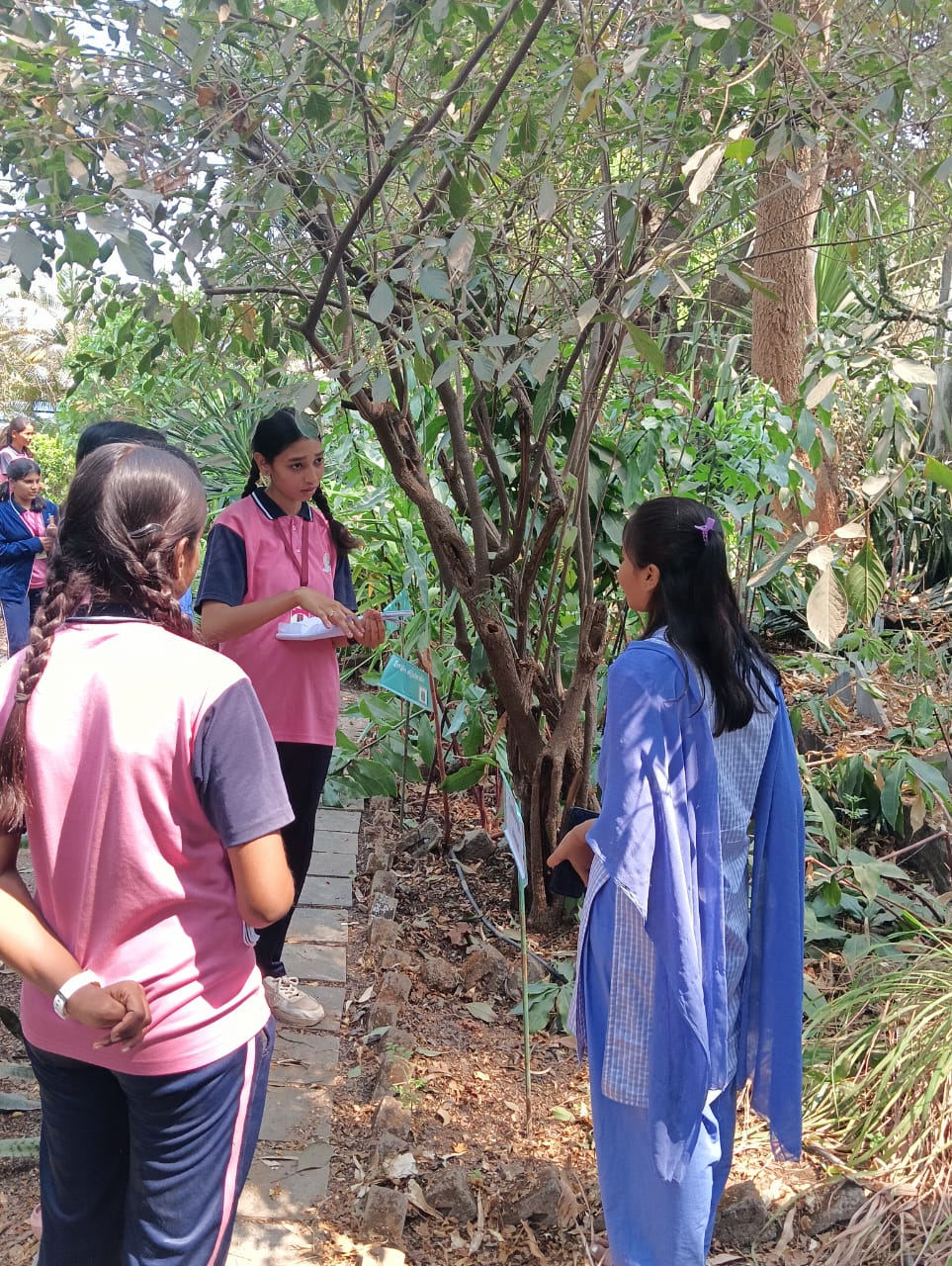 college students provided information to school students |
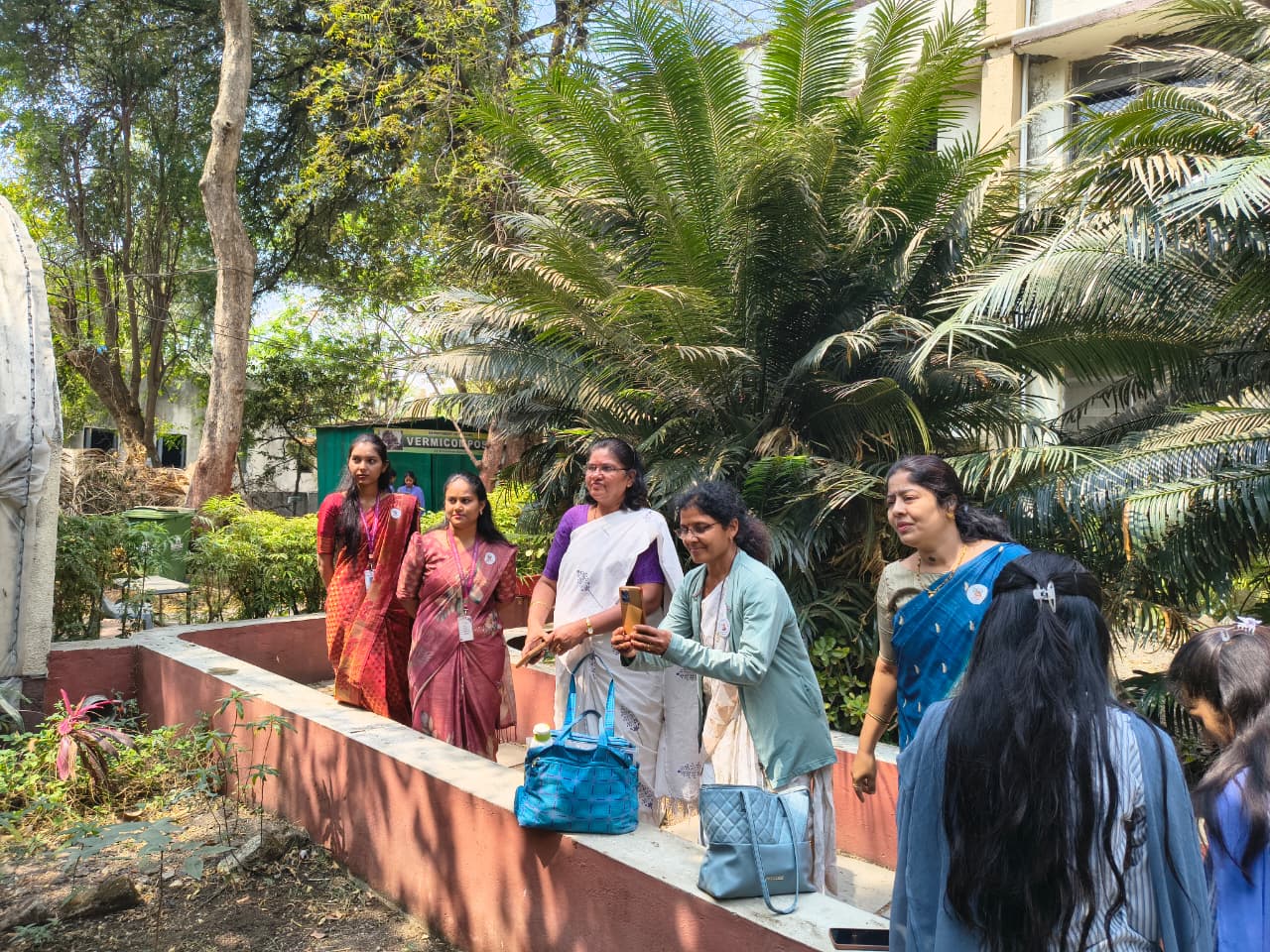 school teacher collect information | 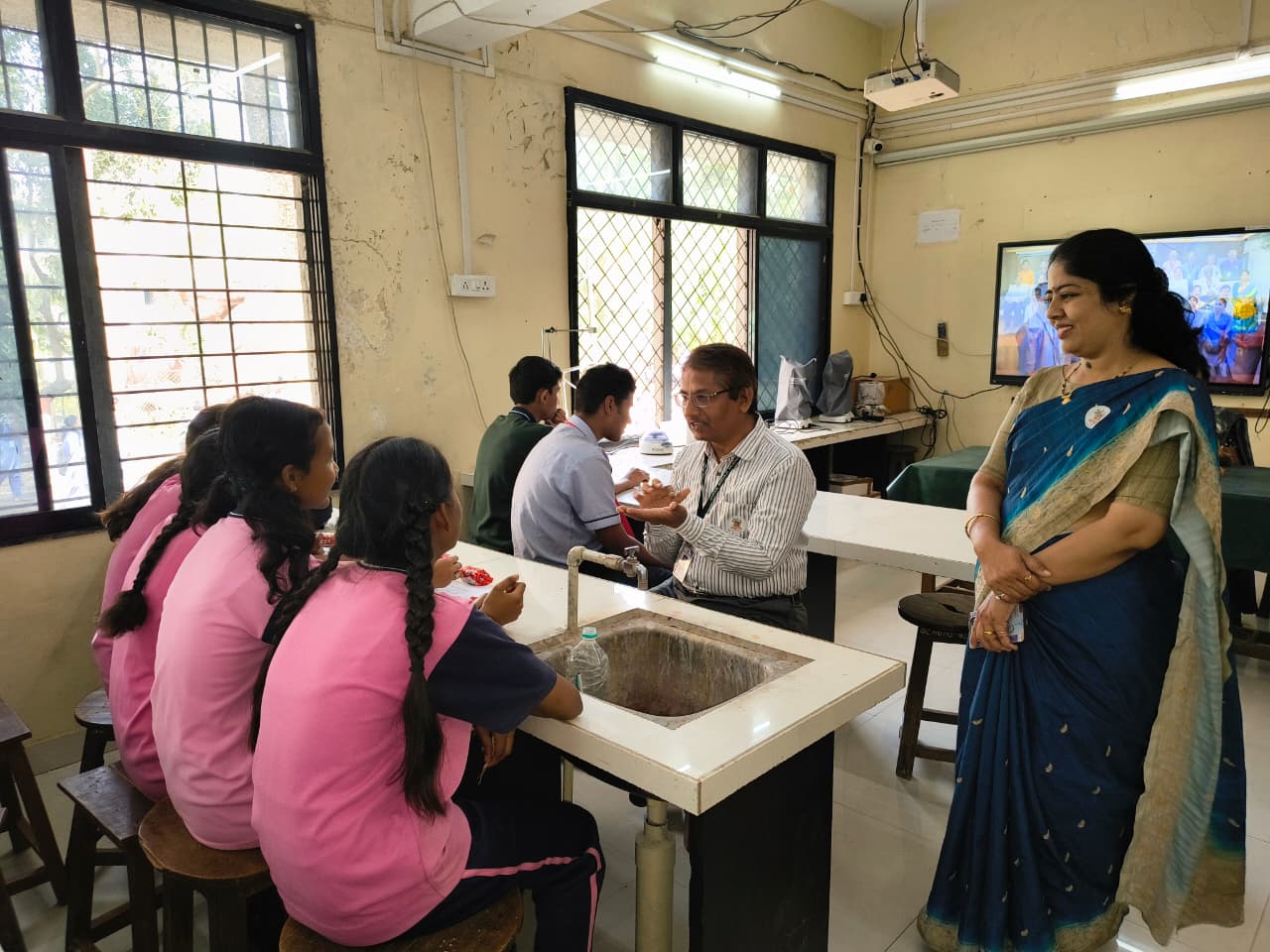 school students discuss with teacher staff |
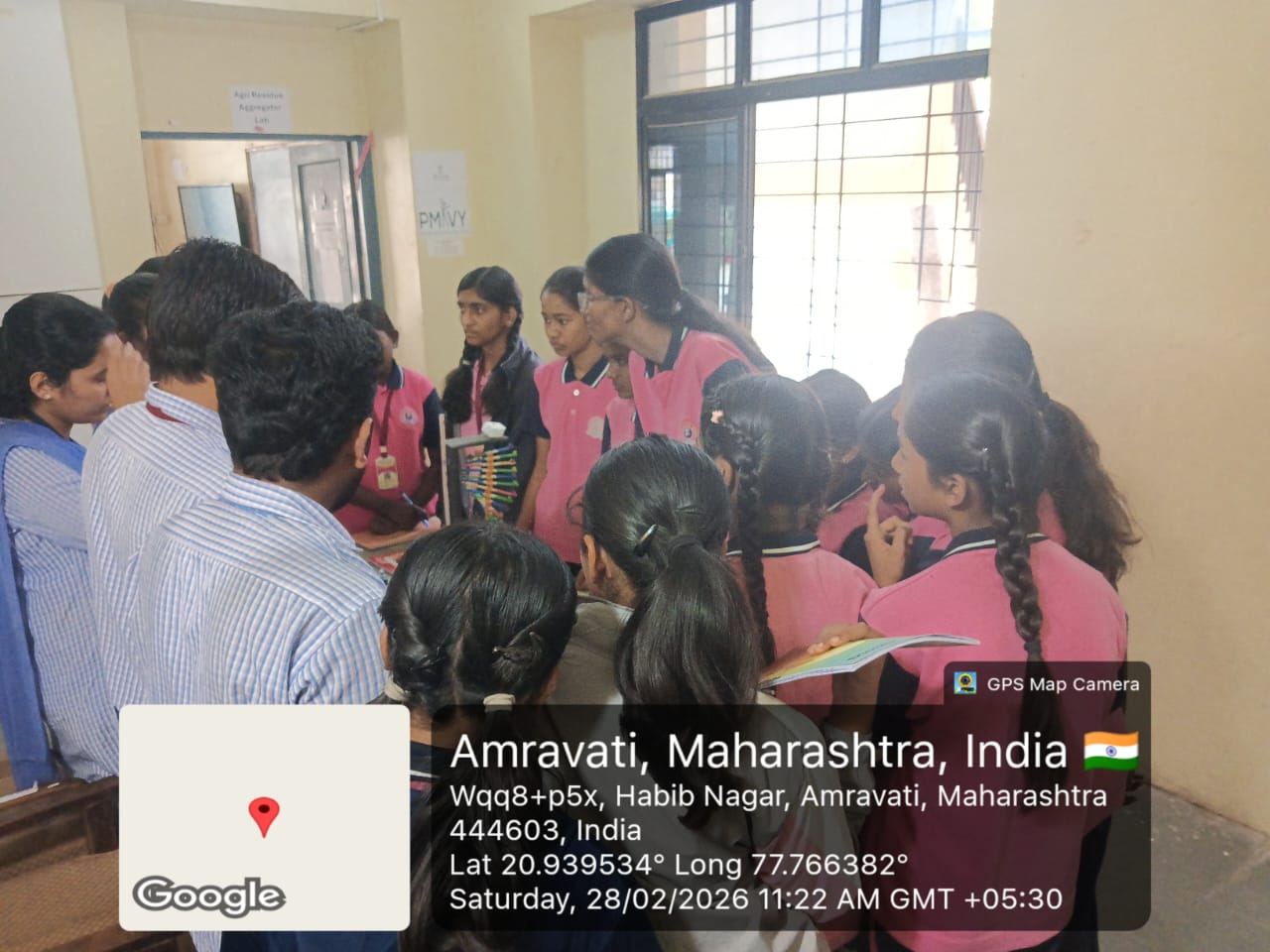 school visit | 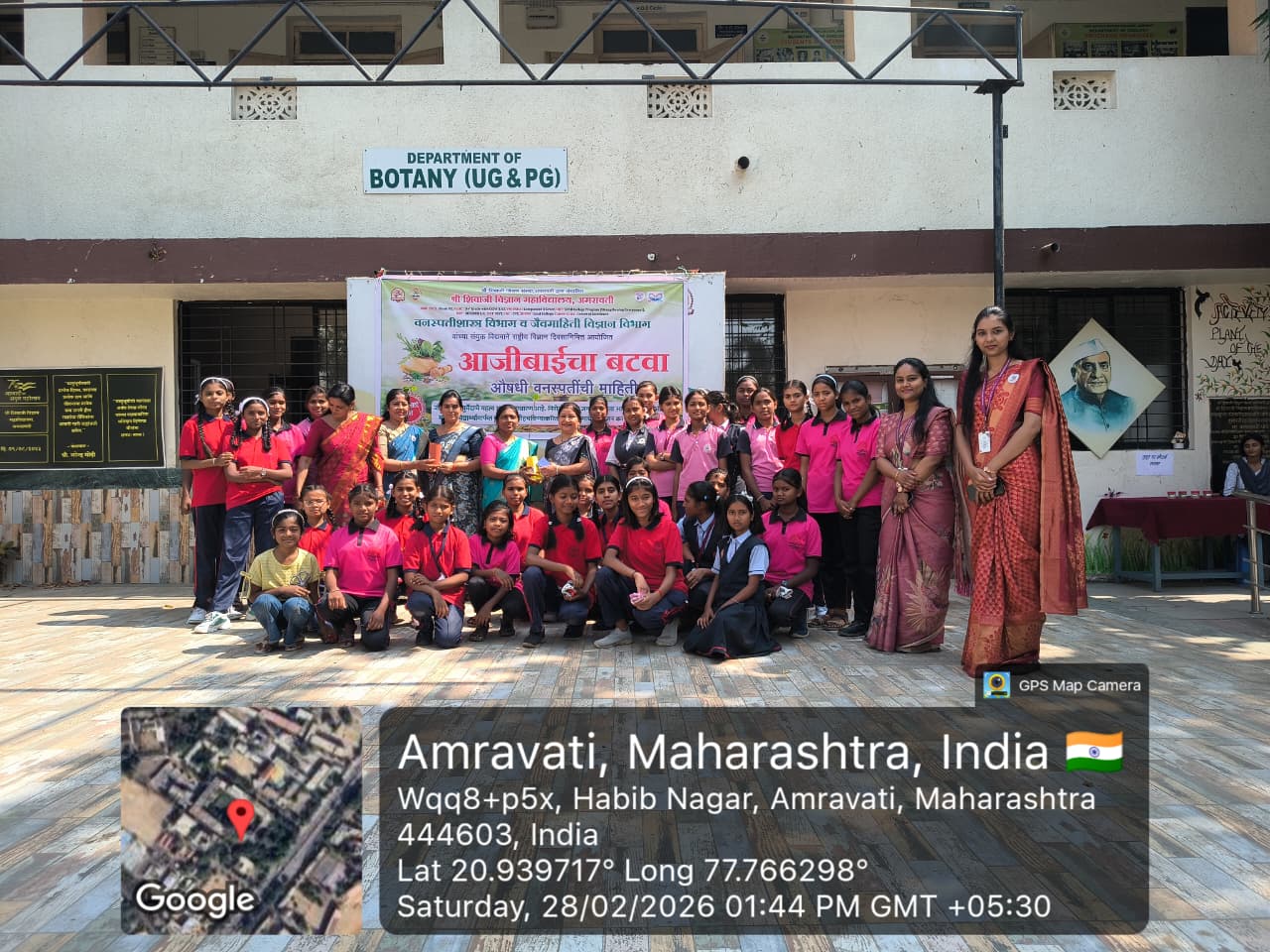 student visit photograph |
Attendance Sheet:
 |