SHRI SHIVAJI SCIENCE COLLEGE, AMRAVATI
DBT STAR COLLEGE PROJECT ACTIVITY
ACTIVITY REPORT

Health Check-Up Camp for Non-Teaching Staff
Activity Dates: 18th February, 2026
Type of Activity: Other
Organizing Department: Department of Microbiology
Program Coordinators: Prof. Suwarna S. Mankar
Head of the Department: Dr. R. C. Maggirwar
External Collaborator (if any): No
Objectives:
- To promote health awareness among non-teaching staff members.
- To assess the basic health status of employees through routine diagnostic tests.
- To facilitate early detection of common health conditions such as hypertension, diabetes, and anemia.
- To provide easy and convenient access to essential health screening services within the institution.
- To educate participants about the importance of preventive healthcare and regular medical check-ups.
No of Beneficieries: 40
Classes Involved: B.Sc students
Venue of the Activity: Department of Microbiology, Shri Shivaji Science College, Amravati
Activity Report:
Report on Health Check-Up Camp for Non-Teaching Staff
Organized by the Department of Microbiology and Biotechnology
The Department of Microbiology and Biotechnology organized a Health Check-Up Camp for the Non-Teaching Staff with the objective of promoting health awareness and ensuring the well-being of employees working in the institution. Non-teaching staff members play a vital role in the smooth functioning of any educational institution, and their health and fitness are equally important for maintaining an efficient work environment. Considering this, the department took the initiative to conduct a comprehensive health screening program to evaluate the basic health parameters of the staff members.
The camp was organized within the department premises with the support and guidance of experienced professionals and technical experts. The primary goal of this program was to provide easy access to basic health examinations and to encourage early detection of common health problems. Many health issues such as hypertension, diabetes, anemia, and electrolyte imbalance often remain unnoticed until they become severe. Regular health check-ups help in identifying these conditions at an early stage and allow individuals to take timely preventive measures.
Several important diagnostic tests were included in the health check-up camp. These tests were selected keeping in mind the common health concerns observed in adults. The tests conducted during the camp included Blood Pressure (BP) Check-Up, Hemoglobin (Hb) Estimation, Blood Sugar Test, Blood Grouping, and Electrolyte Analysis. Each of these tests provides important information about the overall health condition of an individual.
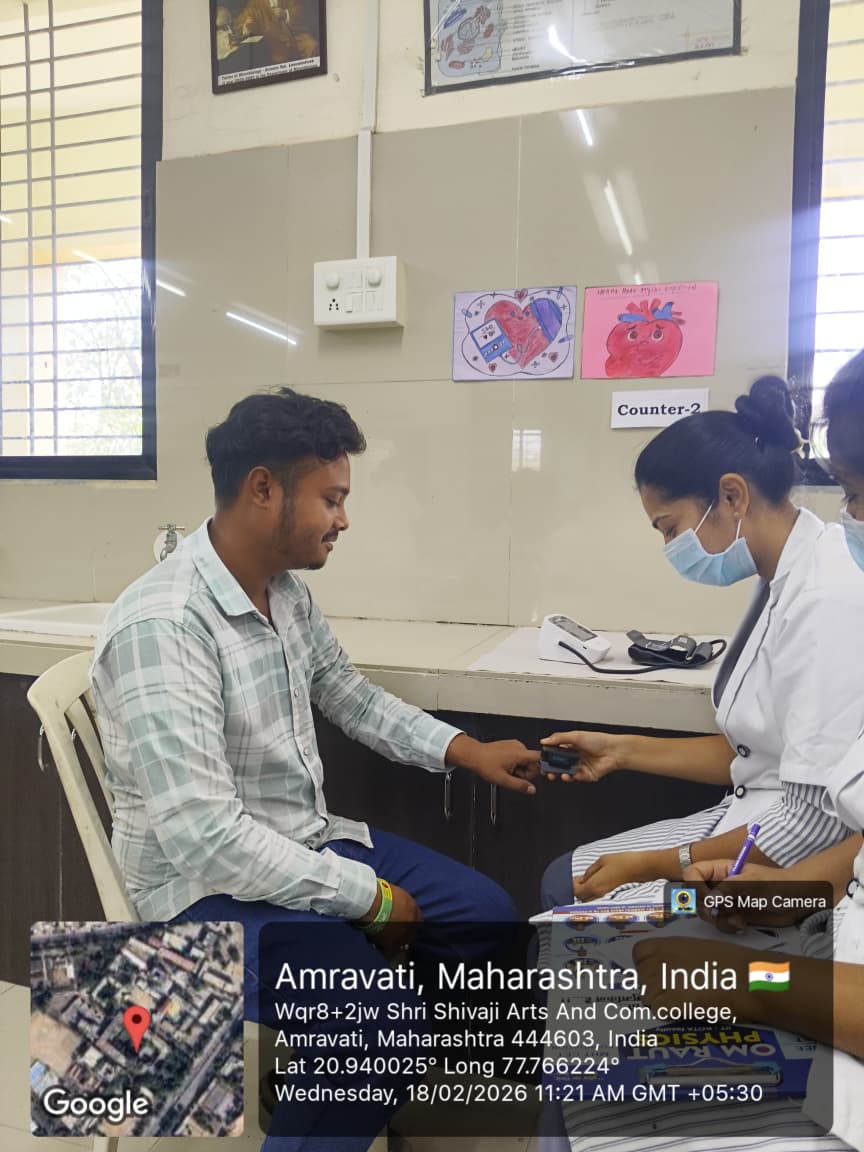
The Blood Pressure (BP) Check-Up was conducted to monitor the blood pressure levels of the participants. Blood pressure is an important indicator of cardiovascular health. High blood pressure or hypertension is often called a “silent killer” because it may not show clear symptoms in the early stages. By measuring the blood pressure levels of the staff members, the medical experts were able to identify individuals who might be at risk of hypertension and advise them to take necessary precautions such as lifestyle modification, regular monitoring, and medical consultation if required.
Another important test conducted during the camp was Hemoglobin (Hb) estimation. Hemoglobin is the protein present in red blood cells responsible for carrying oxygen throughout the body. Low hemoglobin levels may indicate anemia, which is a common health issue caused by iron deficiency or other nutritional problems. Anemia can lead to symptoms such as fatigue, weakness, dizziness, and decreased work efficiency. By conducting the Hb test, the experts were able to determine whether the participants had adequate hemoglobin levels and provide suitable dietary recommendations for improving their health.
The Blood Sugar Test was also a key component of the health screening program. Diabetes has become one of the most common lifestyle diseases in modern society. Many individuals remain unaware that they have high blood sugar levels until complications develop. The blood sugar test helps in identifying individuals with normal, borderline, or high glucose levels. Those who showed elevated sugar levels were advised to consult healthcare professionals for further evaluation and to adopt healthy lifestyle habits such as balanced diet, regular exercise, and stress management.
Blood Grouping was another important service provided during the health camp. Blood grouping is essential information that can be very useful during medical emergencies requiring blood transfusion. Many individuals are not aware of their blood group, and such camps provide a convenient opportunity to know this important health detail. The blood group of each participant was determined using standard laboratory procedures by trained personnel from the department.
In addition to these tests, Electrolyte Analysis was also performed for the participants. Electrolytes such as sodium, potassium, and chloride are essential for maintaining the body’s fluid balance, nerve function, and muscle activity. Any imbalance in these electrolytes can lead to serious health issues such as weakness, dehydration, irregular heartbeat, or neurological disturbances. The electrolyte analysis conducted during the camp helped in assessing the internal biochemical balance of the participants and identifying any possible abnormalities.
To ensure accuracy and reliability of the tests, experienced experts and technical staff were present throughout the camp. The tests were conducted using standard laboratory procedures and appropriate instruments. The experts carefully explained the testing procedures to the participants and ensured that all safety and hygiene measures were followed during sample collection and analysis.
One of the most important aspects of the health check-up camp was the preparation of individual health reports. After conducting all the required tests, the results were carefully recorded and compiled. A detailed report was prepared for each participant, summarizing their test results and indicating whether the parameters were within normal limits or required attention. These reports were then distributed individually to the respective candidates so that they could understand their health status and take further action if necessary.
The experts also provided basic health counseling and guidance to the participants based on their test results. They advised the staff members on maintaining a healthy lifestyle, including balanced nutrition, regular physical activity, proper hydration, and stress management. Participants were also encouraged to undergo periodic health check-ups and consult medical professionals if any abnormal results were observed.
The health check-up camp received a positive response from the non-teaching staff members. Many participants appreciated the initiative taken by the Department of Microbiology and Biotechnology to organize such a beneficial program. The camp not only helped them learn about their health status but also increased awareness about the importance of preventive healthcare.
In addition to the medical examinations, the camp also created a platform for interaction between health experts and the staff members. Participants were able to ask questions related to their health concerns and receive professional advice. This interaction helped in clearing many doubts regarding diet, exercise, and routine health care practices.
The organizing team ensured that the camp was conducted in a systematic and well-organized manner. Proper registration of participants was done before the tests were carried out. Each participant was guided through different testing stations so that all examinations could be completed efficiently and comfortably.
The laboratory staff and volunteers from the department played an important role in the successful organization of the camp. They assisted in maintaining records, guiding participants, preparing samples, and ensuring smooth coordination between different testing units.
The camp also emphasized the importance of preventive healthcare. Instead of waiting for diseases to appear, individuals should regularly monitor their health status and adopt healthy habits that can prevent the development of chronic illnesses.
Such initiatives by academic departments reflect their commitment not only to education and research but also to social responsibility and community welfare. Organizing health camps helps in building awareness about health issues and encourages individuals to take proactive steps toward maintaining good health.
The management and faculty members appreciated the efforts taken by the Department of Microbiology and Biotechnology in organizing this health awareness activity. Their support and encouragement contributed greatly to the success of the event.
Overall, the Health Check-Up Camp proved to be a successful and meaningful initiative. It provided an opportunity for the non-teaching staff to undergo essential health screenings in a convenient and supportive environment. Such programs contribute significantly to promoting health awareness and improving the quality of life of employees within the institution.
The Department of Microbiology and Biotechnology remains committed to organizing similar health awareness activities in the future. By continuing such initiatives, the department aims to contribute to the overall well-being of the institutional community and encourage a culture of health, prevention, and care.
Outcomes:
- Successful screening of non-teaching staff for key health parameters including BP, Hb, blood sugar, blood group, and electrolytes.
- Early identification of individuals at risk of conditions such as hypertension, anemia, and diabetes.
- Increased awareness among participants regarding their personal health status.
- Distribution of individual health reports enabling informed health decisions.
- Improved understanding of the importance of regular health monitoring and preventive care.
Photos:
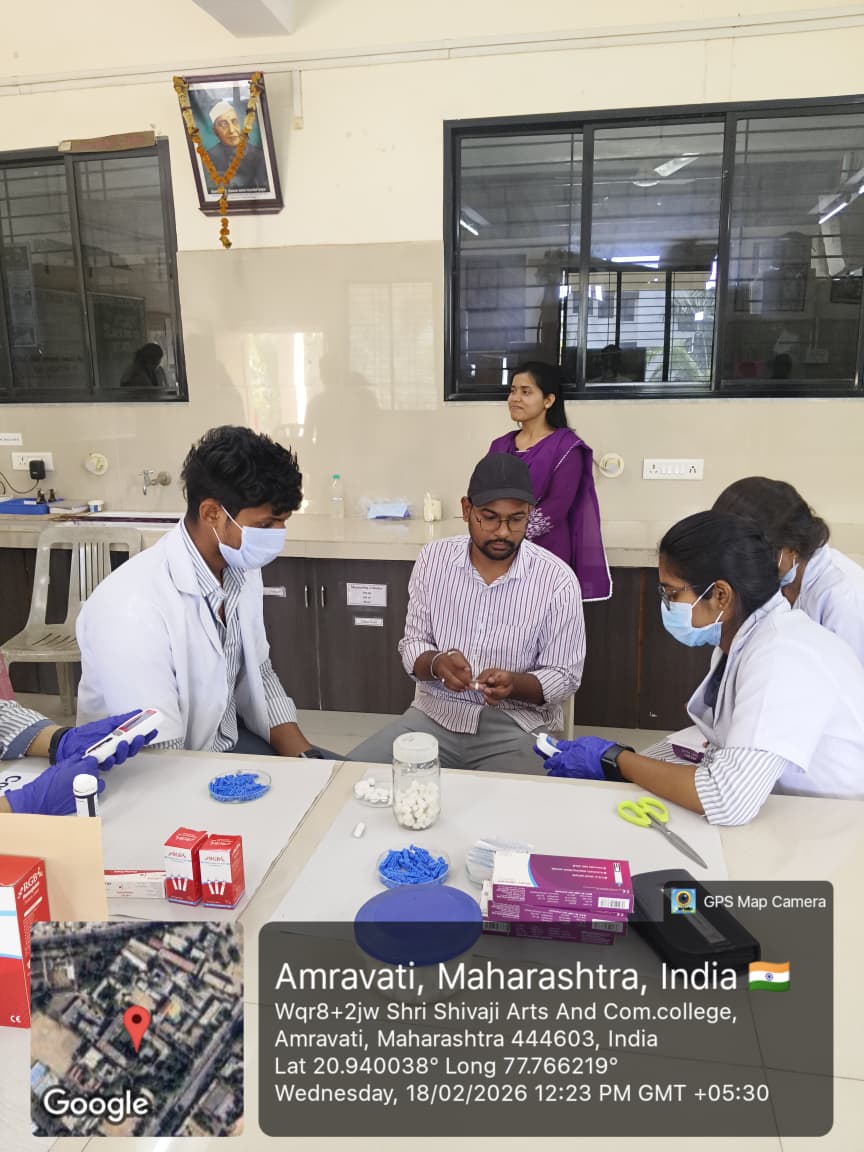 Health Check-Up Camp organized by the Department of Microbiology and Biotechnology | 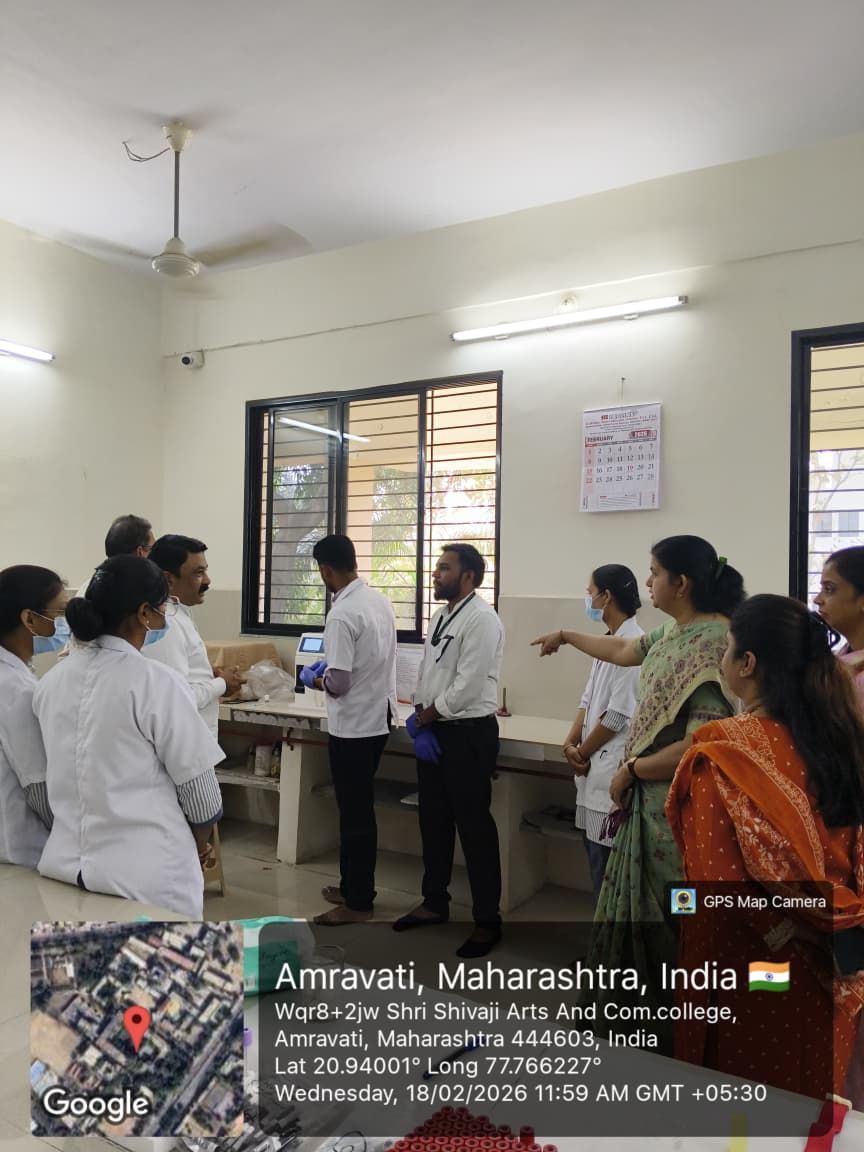 Non-teaching staff participating in the health screening program |
 Promoting health awareness through institutional initiatives | 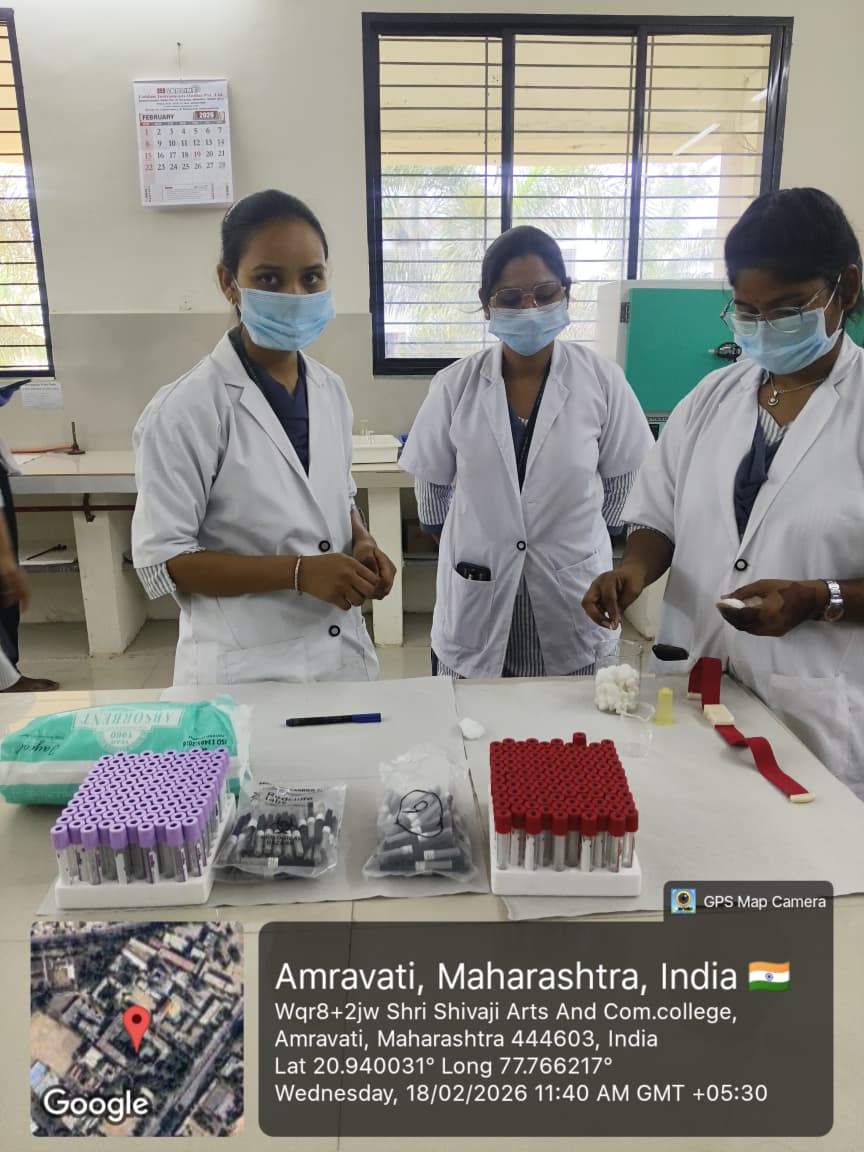 Health experts providing counseling and guidance to staff members |
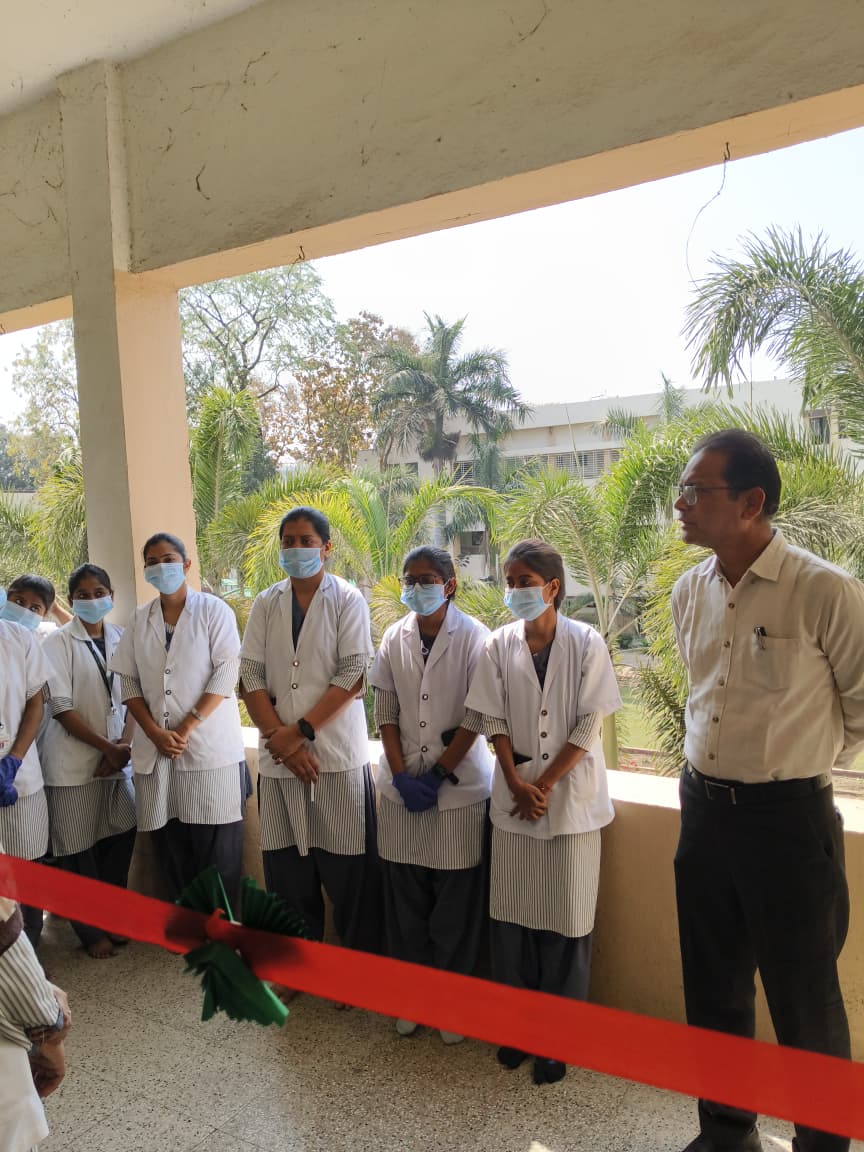 A successful initiative towards employee health and wellness | 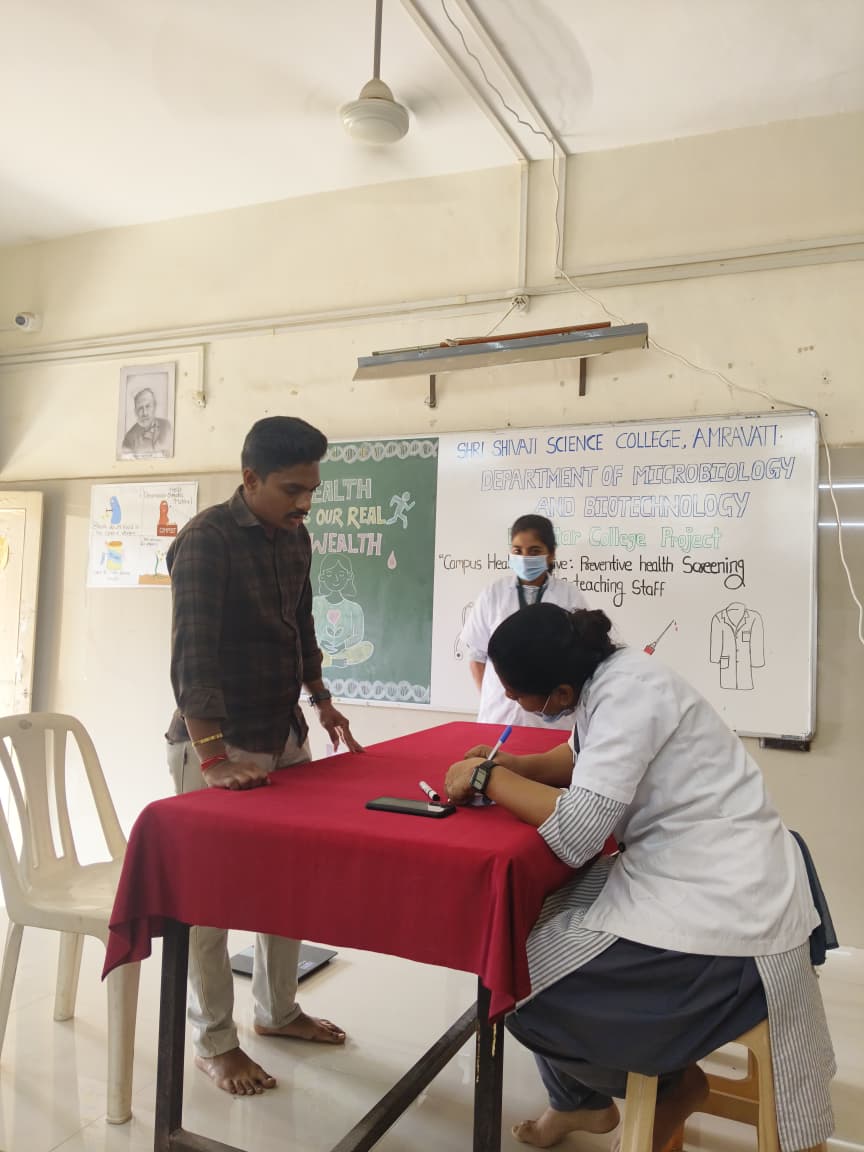 Department committed to promoting health and preventive care |
Attendance Sheet:
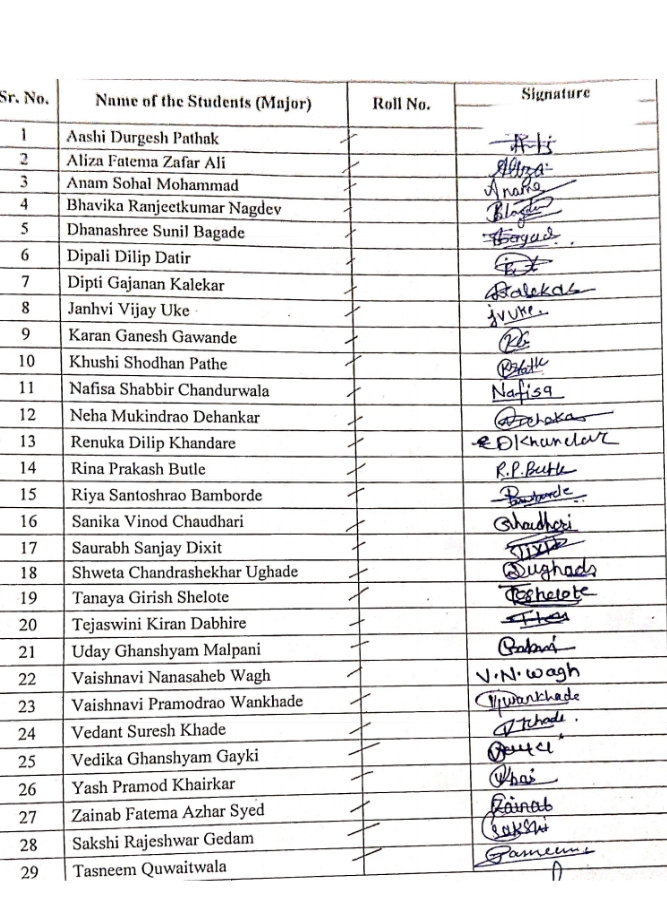 |