SHRI SHIVAJI SCIENCE COLLEGE, AMRAVATI
DBT STAR COLLEGE PROJECT ACTIVITY
ACTIVITY REPORT
Greenovation Learning with Nature at Pragati Vidyalaya, Radha Nagar, Amravati
Activity Dates: 10.09.2025
Type of Activity: Outreach Activity
Organizing Department: Department of Environmental Science
Program Coordinators: Mr. V. D. Bute
Head of the Department: Dr. S. P. Ingole
External Collaborator (if any): Pragati Vidyalaya, Radha Nagar, Amravati
Objectives:
- • To create awareness among students about environmental protection and sustainable living.
- • To educate students about the 5R Principle – Refuse, Reduce, Reuse, Recycle, and Repurpose.
- • To encourage proper waste management and waste segregation habits among students.
- • To motivate students to adopt eco-friendly practices such as saving water, energy, and avoiding plastic.
- • To develop participation, teamwork, and communication skills through interactive activities.
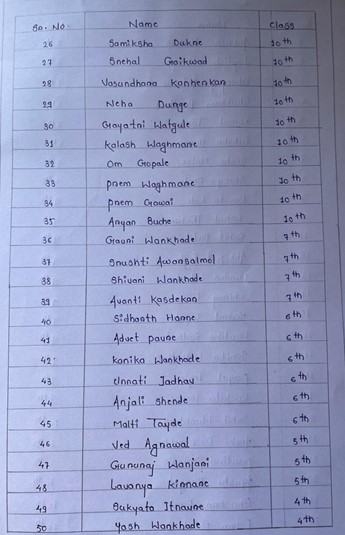
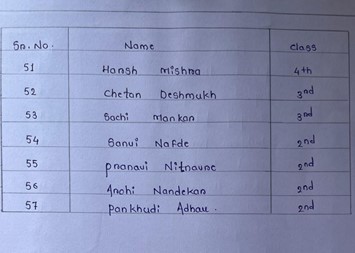
No of Beneficieries: 57
Classes Involved: B.Sc. III CEB & CEZ
Venue of the Activity: Pragati Vidyalaya, Radha Nagar, Amravati
Activity Report:
Introduction
Environmental Science is an interdisciplinary subject that studies the relationship between humans and the natural environment. It includes the understanding of biological, chemical, and physical processes that influence life on Earth. In the modern world, environmental problems such as pollution, deforestation, climate change, waste generation, and overuse of natural resources are increasing rapidly. Therefore, environmental education has become essential for creating awareness and encouraging sustainable lifestyles.
Schools are one of the best platforms for spreading environmental knowledge among young learners. Students who understand environmental values at an early age become responsible citizens in the future. Awareness programs conducted in schools help children develop habits such as waste segregation, tree plantation, water conservation, and avoiding plastic use. Such initiatives also connect theoretical knowledge with practical experience.
With this vision, the B.Sc. III students of the Department of Environmental Science, Shri Shivaji Science College, Amravati organized an outreach activity at Pragati Vidyalaya, Radha Nagar, Amravati. The activity was conducted under the theme “Greenovation Learning with Nature”. The program focused on the 5R Principle—Refuse, Reduce, Reuse, Recycle, and Repurpose—and aimed to spread awareness through interactive teaching methods, games, quiz competitions, demonstrations, and plantation activities.
The event created a meaningful opportunity for undergraduate students to apply their academic knowledge in a real community setting while inspiring school students to adopt eco-friendly habits.
Venue Selection and Background
Pragati Vidyalaya, Radha Nagar, Amravati was selected as the venue for the program because of its positive learning environment, student participation culture, and convenient location near Shri Shivaji Science College. The school is known for discipline, cleanliness, and support for educational activities.
The school management and teachers welcomed the initiative enthusiastically and provided full cooperation in arranging the classroom, gathering students, and supporting the activities. Students from Classes 8th, 9th, and 10th participated actively, making the event lively and successful.
The clean and green surroundings of the school perfectly matched the environmental theme of the program.
Organizing Team and Participants
The outreach activity was conducted by B.Sc. III students of the Department of Environmental Science. The student team planned and managed the complete event, including lecture preparation, educational materials, quiz questions, demonstrations, prizes, and coordination with school authorities.
Approximately 35 students from Classes 8th, 9th, and 10th attended the program. Teachers and the school principal were also present throughout the event and motivated students to participate actively.
The participation of both college students and school students created a collaborative learning atmosphere where knowledge was shared effectively.
Planning of the Program
The activity was carefully planned to ensure that students learned environmental concepts in an interesting and memorable manner. Instead of relying only on lecture-based teaching, the organizers used student-centered and participatory methods.
The main theme of the session was the 5R Principle, which provides practical solutions for reducing waste and conserving natural resources.
The planning included:
• Awareness lecture with real-life examples
• Poster and chart demonstration
• Random Pick waste segregation game
• Quiz competition
• Group discussion and debate
• Prize distribution
• Environmental pledge
• Plantation activity
The program was designed to combine knowledge, creativity, competition, and practical action.
Tools and Materials Used
Several educational and practical materials were used for smooth conduct of the event:
1. Chalk and duster for classroom explanation
2. Posters and charts explaining the 5R Principle
3. Plastic bottles, cardboard, paper, jars, and other props for reuse demonstrations
4. Quiz sheets and stationery materials
5. Gifts and chocolates for winners and participants
6. Saplings for plantation activity
7. Camera for documentation of the program
These materials made the learning process visual, interactive, and enjoyable.
Schedule of the Activity
The outreach activity was conducted in a systematic manner from approximately 11:00 a.m. to 2:10 p.m.
Arrival and Preparation
The college student team arrived at the school and arranged posters, materials, charts, and classroom seating. Necessary coordination was completed with school authorities.
Inauguration and Introduction
The program began with a warm welcome by the school principal and teachers. The college team introduced the purpose of the visit and explained the importance of environmental awareness in daily life.
Students were encouraged to participate actively in all sessions.
Lecture on 5R Principle
The main academic session focused on the concept of sustainable development and the 5R Principle.
The students were first introduced to current environmental problems such as:
• Plastic pollution
• Deforestation
• Water scarcity
• Air pollution
• Climate change
• Improper waste disposal
After this, the five principles were explained in simple language:
Refuse
Avoid unnecessary and harmful products such as single-use plastics and excessive packaging.
Reduce
Use resources wisely and minimize waste generation.
Reuse
Use products repeatedly instead of discarding them after one use.
Recycle
Send waste materials like paper, metal, glass, and plastic for recycling.
Repurpose
Use old items creatively for new purposes, such as making flowerpots from bottles.
Real-life examples helped students understand how these practices can be followed at home and in school.
Demonstration Session
To connect theory with practice, demonstrations were conducted using waste materials.
Examples included:
• Plastic bottles converted into planters
• Cardboard rolls converted into pen stands
• Old jars reused for storage
• Paper reused for rough work
Students were excited to see how waste materials can become useful products. This session promoted creativity and practical thinking.
Random Pick and Speak Activity
A box containing mixed waste items such as paper, foil, plastic pieces, and leaves was prepared.
Students were invited to pick one item randomly and explain whether it was:
• Recyclable
• Reusable
• Biodegradable
• Harmful waste
This activity helped students understand waste segregation in an enjoyable and practical way. It also improved confidence and speaking skills.
Quiz Competition
A quiz competition was conducted after the lecture and demonstrations. Questions were based on:
• 5R Principle
• Sustainable development
• Environmental conservation
• Renewable resources
• Pollution control
• Waste management
Students participated enthusiastically in teams and individually. The classroom atmosphere became energetic and competitive.
The quiz method proved effective in reinforcing knowledge while keeping students engaged.
Debate and Discussion Session
A short debate was organized between two groups:
• For the motion
• Against the motion
Students expressed their opinions regarding the importance of sustainability, waste reduction, and environmental responsibility.
This activity developed communication skills, confidence, and critical thinking. It also gave students an opportunity to express their own environmental ideas.
Prize Distribution
To appreciate student participation and encourage learning, prizes and chocolates were distributed.
Recognitions included:
• Quiz winners
• Debate winners
• Random Pick winners
• Most active participants
Other students also received chocolates for participation. This ensured inclusiveness and happiness among all students.
The prize distribution created excitement and encouraged healthy competition.
Environmental Pledge
At the end of the classroom activities, all students took a collective pledge to protect the environment.
They promised to:
• Avoid plastic use
• Keep surroundings clean
• Save water and electricity
• Plant trees
• Follow the 5R Principle
This pledge strengthened emotional commitment toward environmental protection.
Plantation Activity
A plantation session was planned to conclude the event. Due to rainfall, plantation in the school premises could not be conducted fully.
Therefore, saplings were handed over to teachers for later plantation and care within the campus.
Even though weather conditions affected the activity, the message of greenery and ecological responsibility remained strong.
Observation During the Program
The response of students throughout the session was highly positive.
Students showed:
• Curiosity toward environmental topics
• Active participation in all games and discussions
• Ability to connect concepts with daily habits
• Team spirit during quiz and debate
• Excitement during prize distribution
Many students gave examples such as carrying reusable water bottles, avoiding plastic bags, and saving electricity at home.
Teachers appreciated that environmental topics were explained through practical methods rather than only lectures.
The outreach activity conducted by B.Sc. III students of the Department of Environmental Science, Shri Shivaji Science College, Amravati at Pragati Vidyalaya, Radha Nagar, Amravati was highly successful and impactful.
The session effectively combined lecture-based learning with practical and participatory methods such as demonstrations, quiz competitions, debates, waste segregation games, pledge taking, and plantation awareness.
Students learned the importance of the 5R Principle and understood that environmental protection begins with small individual actions. Their enthusiastic response showed that school students are eager to learn when education is made interactive and meaningful.
The program also provided valuable practical exposure to undergraduate students, helping them transform classroom knowledge into community service.
Overall, the activity strengthened environmental awareness, encouraged sustainable thinking, and created a positive connection between the college and the local school community. It was a commendable step toward building environmentally responsible future citizens.
Outcomes:
- 1. Students gained better understanding of environmental issues and sustainable practices.
- 2. Increased awareness about the 5R Principle and its practical use in daily life.
- 3. Students showed enthusiasm toward waste segregation, recycling, and reducing plastic use.
- 4. Improved confidence, teamwork, and active participation through quiz, debate, and games.
- 5. Positive attitude developed toward tree plantation and caring for plants.
Photos:
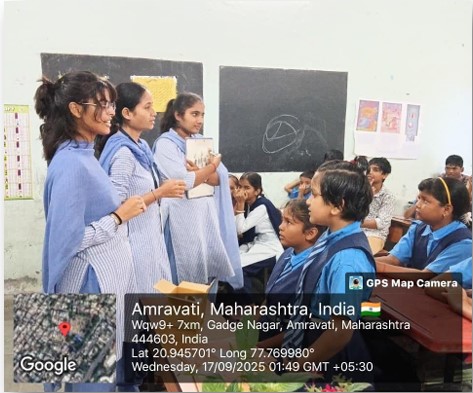 A debate discussion among students | 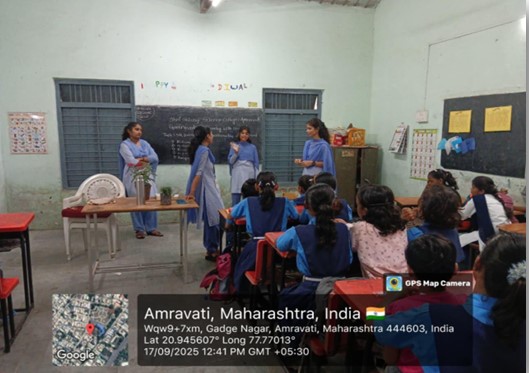 A Lecture Session with students |
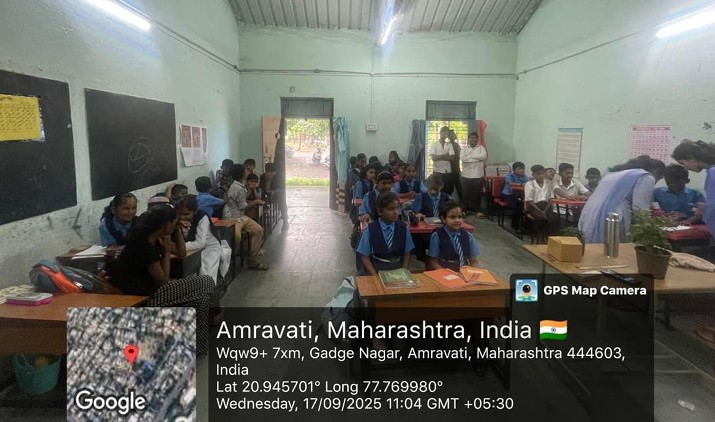 Inauguration Ceremony with Principal Sir & Teachers (2) | 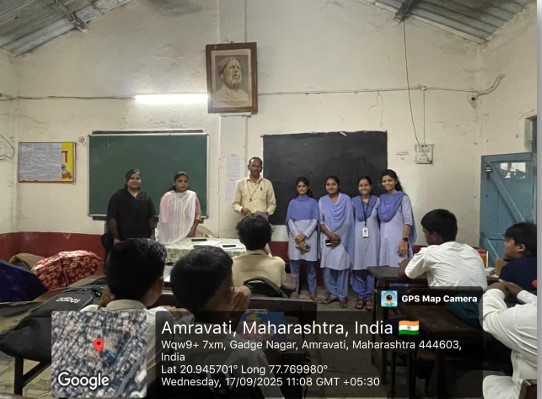 Inauguration Ceremony with Principal Sir & Teachers |
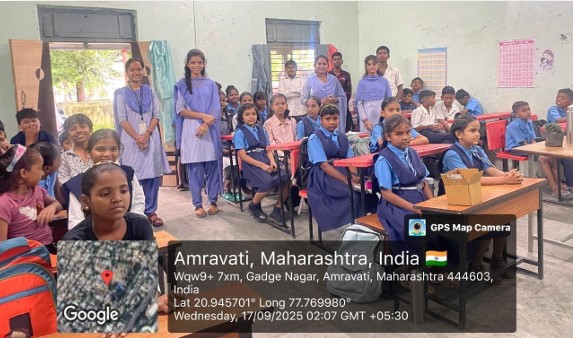 Pledge Session with students | 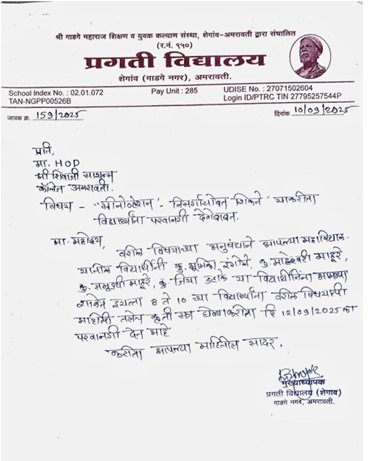 Certificate |
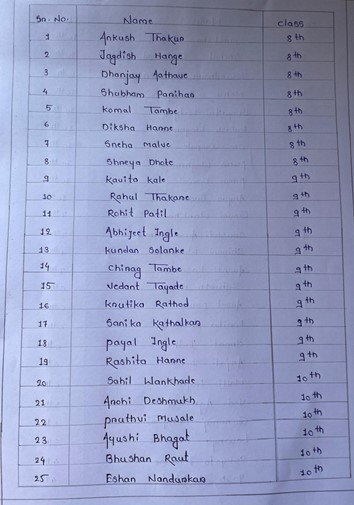
Attendance Sheet:
 |
 |
 |