SHRI SHIVAJI SCIENCE COLLEGE, AMRAVATI
DBT STAR COLLEGE PROJECT ACTIVITY
ACTIVITY REPORT
Animal Tissue Culture Workshop
Activity Dates: 13/03/2026
Type of Activity: Students Workshop
Organizing Department: Department of Microbiology
Program Coordinators: Dr. Ashruta A. Gawali
Head of the Department: Dr. R. C. Maggirwar
External Collaborator (if any): No
Objectives:
- To provide detailed knowledge of animal tissue culture techniques.
- To train students in aseptic handling and sterile laboratory practices.
- To demonstrate the isolation and maintenance of animal tissues.
- To enhance understanding of cell growth, media preparation, and incubation conditions.
- To expose students to real laboratory procedures used in research and industry.
No of Beneficieries: 65
Classes Involved: B.Sc-III Year
Venue of the Activity: Department of Microbiology, Shri Shivaji Science College, Amravati
Activity Report:
Report on Animal Tissue Culture Workshop
Title: Animal Tissue Culture Workshop
Organized by: Department of Microbiology and Biotechnology
Class: B.Sc. Third Year Students
Date: 13/03/2026
Time: 11:00 AM
Venue: Microbiology Laboratory
Chief Guest: Dr. Nitin Ingole
Introduction
The Department of Microbiology and Biotechnology organized a comprehensive workshop on Animal Tissue Culture on 13th March 2026 at 11:00 AM for B.Sc. Third Year students. The workshop was designed to provide in-depth theoretical knowledge along with practical exposure to animal cell culture techniques, which are essential tools in modern biological and medical research.
The session was conducted under the guidance of the chief guest, Dr. Nitin Ingole, who shared his expertise and practical insights with the students.
Inauguration Ceremony
The program commenced with the welcome of the chief guest, Dr. Nitin Ingole, by the faculty members. A brief introduction of the guest was presented, highlighting his contribution to the field of biotechnology and research.
In his inaugural speech, Dr. Ingole emphasized the growing importance of animal tissue culture in areas such as vaccine production, cancer biology, regenerative medicine, and drug development. He encouraged students to actively participate and develop practical skills.
Animal tissue culture is a laboratory technique in which animal cells, tissues, or organs are grown and maintained under controlled artificial conditions outside the organism (in vitro). This technique provides an ideal environment for cells to survive, grow, and multiply, closely mimicking their natural conditions inside the body.
The concept of animal tissue culture dates back to the early 20th century, when scientists first demonstrated that animal cells could survive and proliferate outside the body under suitable conditions. Since then, it has become a fundamental tool in the fields of biotechnology, medicine, pharmacology, and research.
Definition
Animal tissue culture can be defined as:
“The process of growing animal cells, tissues, or organs in a nutrient medium under sterile and controlled environmental conditions outside the living organism.”
Basic Principle:
• The basic principle of animal tissue culture is to provide cells with:
• Nutrients (amino acids, vitamins, glucose, salts)
Growth factors and hormones
• Controlled physical conditions such as temperature (usually 37°C), pH (around 7.2–7.4), and oxygen/CO₂ levels
• Sterile environment to prevent contamination by microorganisms
• Under these conditions, cells can grow, divide, and perform their normal physiological functions.
Types of Animal Tissue Culture
I) Primary Culture
• Directly obtained from animal tissues such as liver, spleen, or kidney.
• Cells retain characteristics of the original tissue but have a limited lifespan.
II) Secondary Culture (Subculture)
• Cells from primary culture are transferred to fresh media.
• Allows further growth and multiplication.
III) Cell Line Culture
• Cells that can be maintained for a longer period through repeated subculturing.
• Can be finite or continuous (immortal cell lines).
• Organ Culture
• Small pieces of organs are maintained to preserve their structure and function.
Objectives of the Workshop
• To provide detailed knowledge of animal tissue culture techniques.
• To train students in aseptic handling and sterile laboratory practices.
• To demonstrate the isolation and maintenance of animal tissues.
• To enhance understanding of cell growth, media preparation, and incubation conditions.
• To expose students to real laboratory procedures used in research and industry.
Details of Workshop Activities
1. Theoretical Session
• The workshop began with a theoretical explanation covering:
• Basics of animal cell and tissue culture
• Types of culture (primary culture, cell lines)
• Composition and preparation of culture media
• Importance of aseptic techniques
• Role of equipment such as laminar airflow, CO₂ incubator, and autoclave
2. Practical Demonstration
• A detailed demonstration was conducted by experts:
• Sterilization of instruments and working area using laminar airflow
• Preparation of culture media under sterile conditions
• Handling and transfer of tissues carefully to avoid contamination
3. Tissue Sample Processing
• Students were introduced to real biological samples:
• Tissue samples used: Liver and spleen
• Explanation of tissue selection and importance in research
• Step-by-step procedure for washing, mincing, and processing of tissues
• Enzymatic and mechanical methods of tissue dissociation
4. Cell Culture Procedure
• Inoculation of processed tissue into culture media
• Maintenance of proper temperature and CO₂ levels
• Observation of cell growth and morphology under a microscope
5. Hands-on Training
• Students were given the opportunity to:
• Perform basic tissue handling techniques
• Practice aseptic transfer methods
• Observe cultured cells and identify contamination
6. Interactive Session
• An interactive session was conducted where students asked questions related to:
• Career opportunities in biotechnology
• Research techniques and advancements
• Troubleshooting in tissue culture
Applications of Animal Tissue Culture
Animal tissue culture is a powerful technique widely used in biotechnology, medicine, and research. It allows the growth of animal cells in controlled laboratory conditions, making it useful for various scientific and industrial purposes.
1. Vaccine Production
• Animal cell culture plays a crucial role in the production of vaccines.
• Viruses require living cells to grow, so animal cell cultures are used to cultivate viruses.
• Vaccines for diseases like polio, rabies, measles, and influenza are produced using cultured animal cells.
• It ensures safe, large-scale, and contamination-free production.
2. Cancer Research
• Animal tissue culture is widely used to study cancer cell behavior.
• Scientists grow cancer cells in vitro to understand tumor growth, metastasis, and cell signaling.
• It helps in screening anti-cancer drugs and developing targeted therapies.
3. Drug Development and Testing
• New drugs are tested on cultured animal cells before clinical trials.
• It helps determine:
• Toxicity of drugs
• Effectiveness of compounds
• Safe dosage levels
• Reduces the need for animal testing in early stages.
4. Genetic Engineering and Biotechnology
• Used for gene transfer and expression studies.
• Helps in producing recombinant proteins like insulin, hormones, and enzymes.
• Essential for research in molecular biology and genetic modification.
5. Production of Monoclonal Antibodies
• Animal cell culture is used in hybridoma technology to produce monoclonal antibodies.
• These antibodies are highly specific and used in:
• Disease diagnosis
• Cancer therapy
• Immunological research
6. Toxicity Testing
• Used to test harmful effects of chemicals, cosmetics, and drugs.
• Helps identify cytotoxic effects on cells.
• Provides an ethical alternative to animal testing.
7. Study of Cell Physiology
• Helps in understanding normal cell functions such as:
• Cell division
• Metabolism
• Cell signaling
• Useful in studying diseases at the cellular level.
8. Regenerative Medicine and Tissue Engineering
• Used to grow tissues and organs in the laboratory.
• Applications include:
• Skin grafts for burn patients
• Artificial organs
• Stem cell therapy
9. Virology Studies
• Animal cell culture is essential for studying viruses.
• Helps in understanding viral replication, infection mechanisms, and mutation.
• Important for developing antiviral drugs.
10. Production of Biological Products
Used to produce important biological substances such as:
• Hormones
• Growth factors
• Vaccines
• Enzymes
11. Cloning and Reproductive Technology
• Used in cloning techniques and in vitro fertilization (IVF).
• Helps in embryo culture and genetic improvement studies.
12. Personalized Medicine
• Patient-specific cells can be cultured to test drug responses.
• Helps in developing customized treatment plans.
Outcomes of the Workshop
• Students gained hands-on experience in animal tissue culture techniques.
• Improved understanding of sterile handling and laboratory safety.
• Developed practical skills in tissue processing using liver and spleen samples.
• Enhanced knowledge about advanced laboratory instruments and procedures.
• Increased interest in higher studies and research careers in life sciences.
Conclusion
The Animal Tissue Culture Workshop conducted on 13th March 2026 was highly informative and successful. The workshop effectively combined theory with practical exposure, making it beneficial for B.Sc. Third Year students. The guidance and expertise of Dr. Nitin Ingole greatly contributed to the success of the program.
Overall, the workshop enriched the students’ knowledge, improved their technical skills, and inspired them to pursue careers in biotechnology and research.
Outcomes:
- Students gained hands-on experience in animal tissue culture techniques.
- Improved understanding of sterile handling and laboratory safety.
- Developed practical skills in tissue processing using liver and spleen samples.
- Enhanced knowledge about advanced laboratory instruments and procedures.
- Increased interest in higher studies and research careers in life sciences.
Photos:
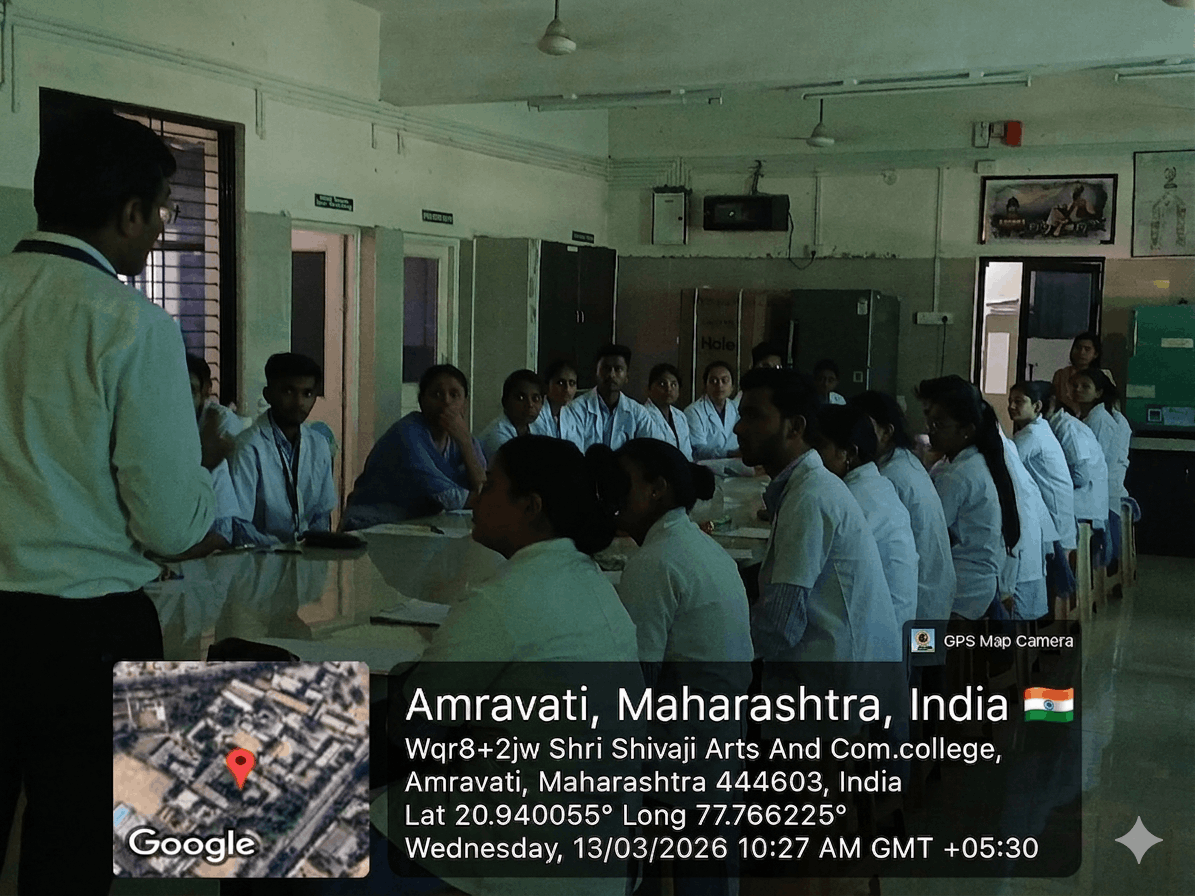 Students Attending Theoretical Session on Animal Tissue Culture | 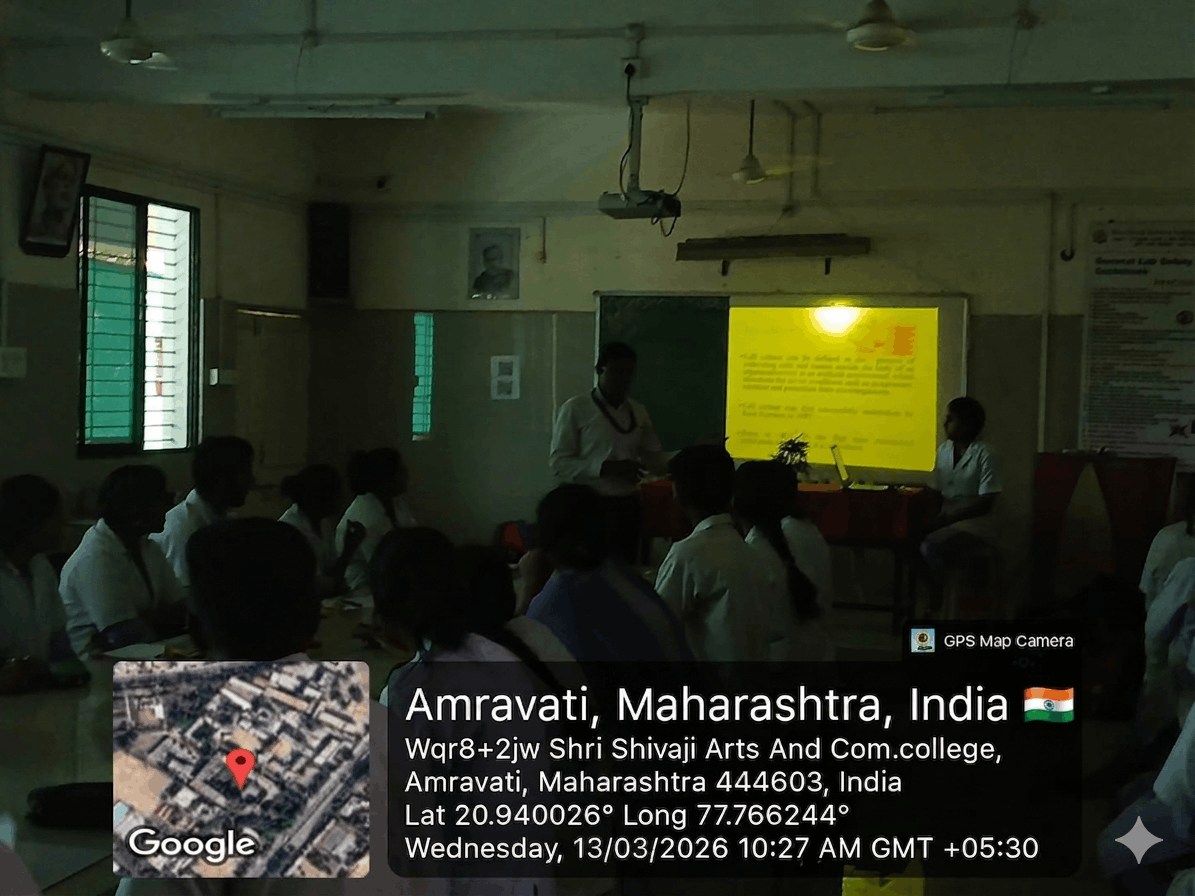 Students Practicing Cell Transfer Techniques |
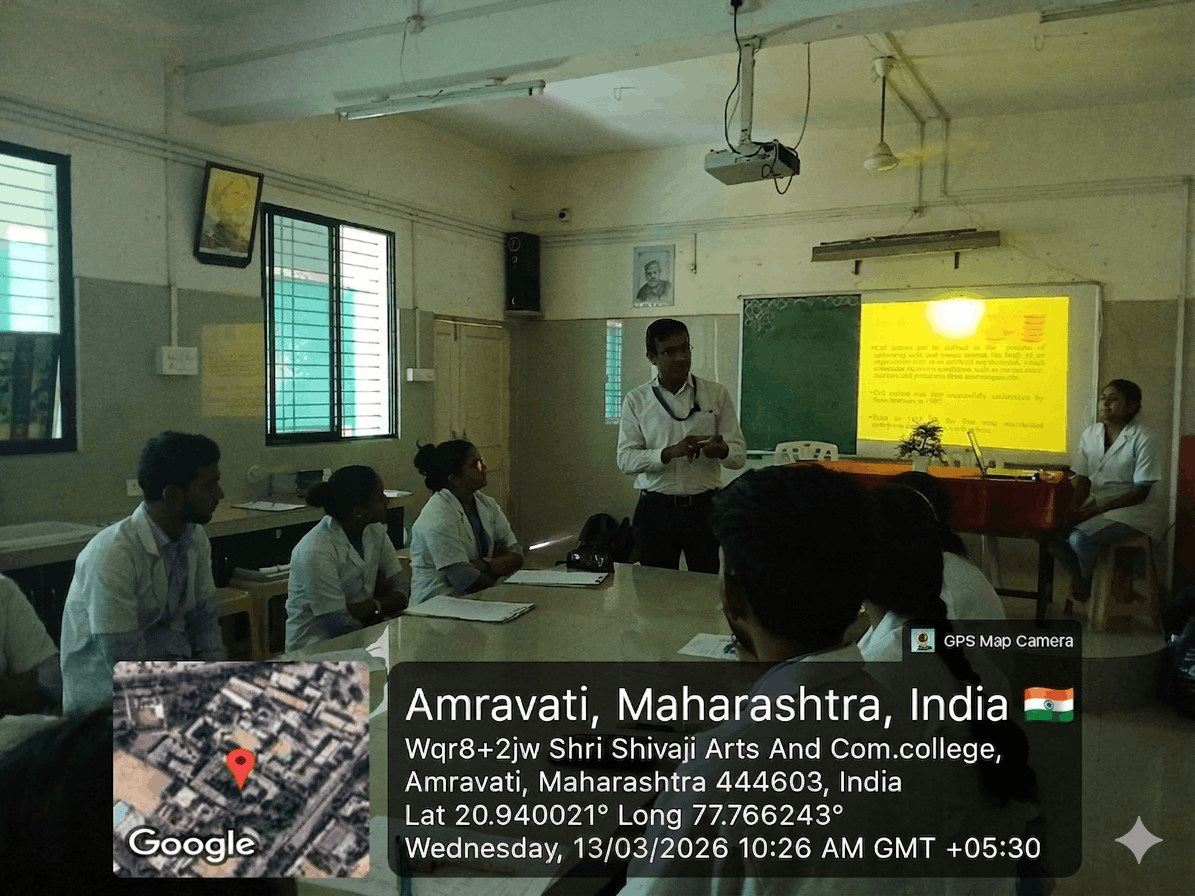 Interactive Session with Students | 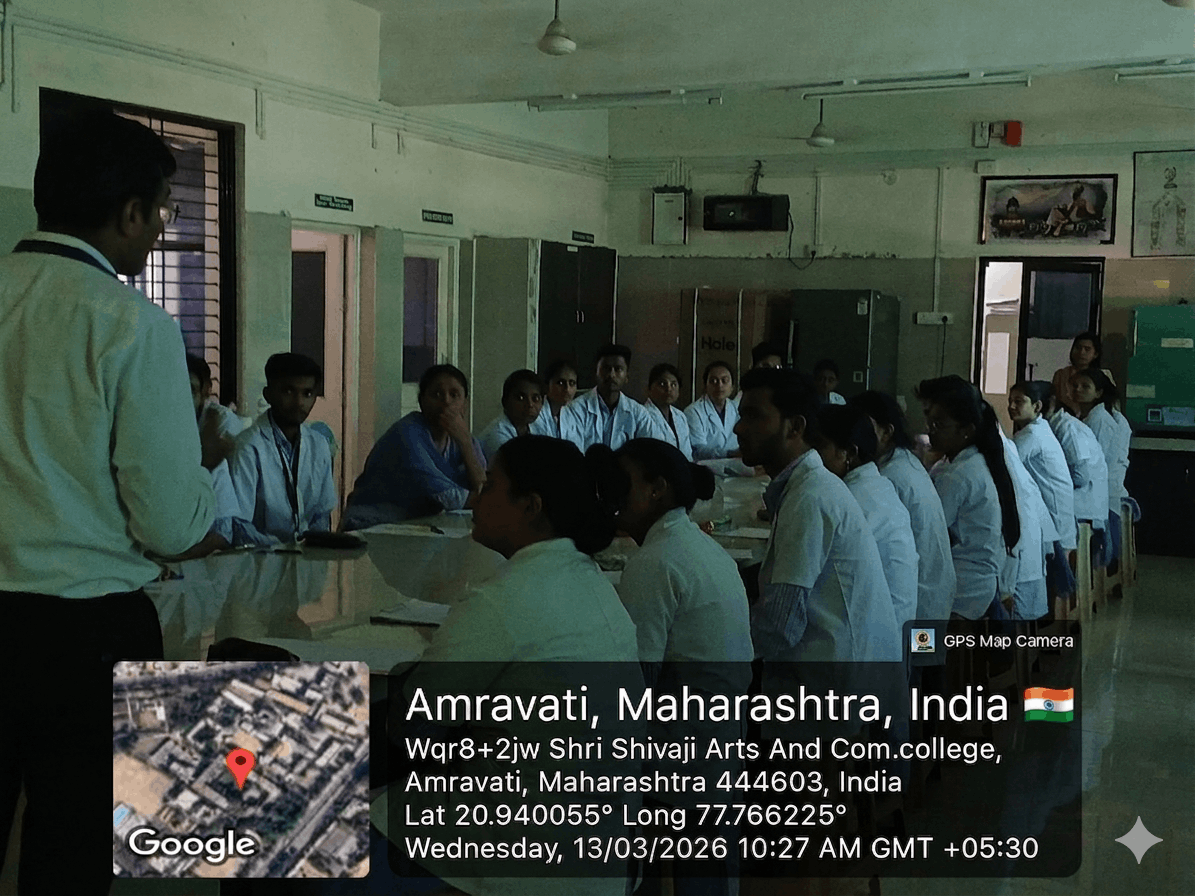 Guidance Provided by Experts During Hands-on Session |
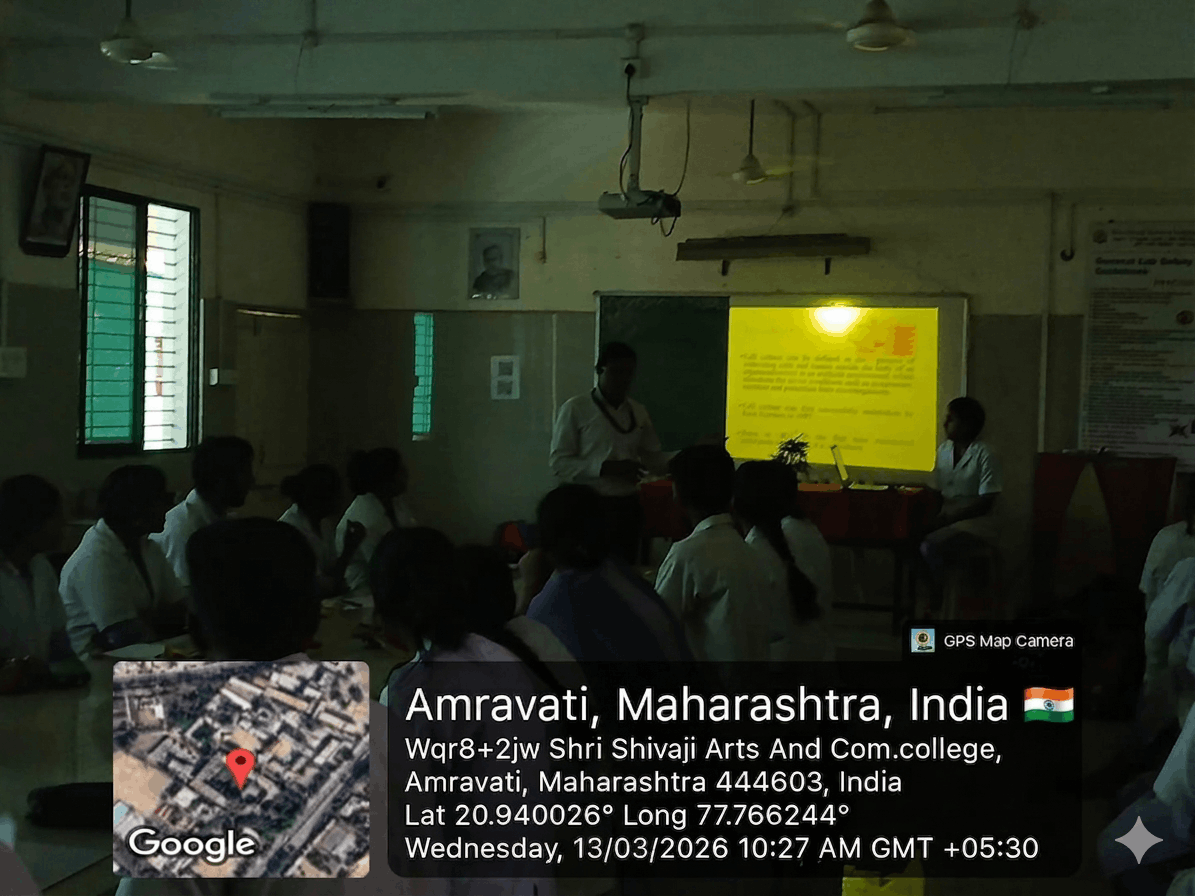 Students Learning Sterile Laboratory Practices | 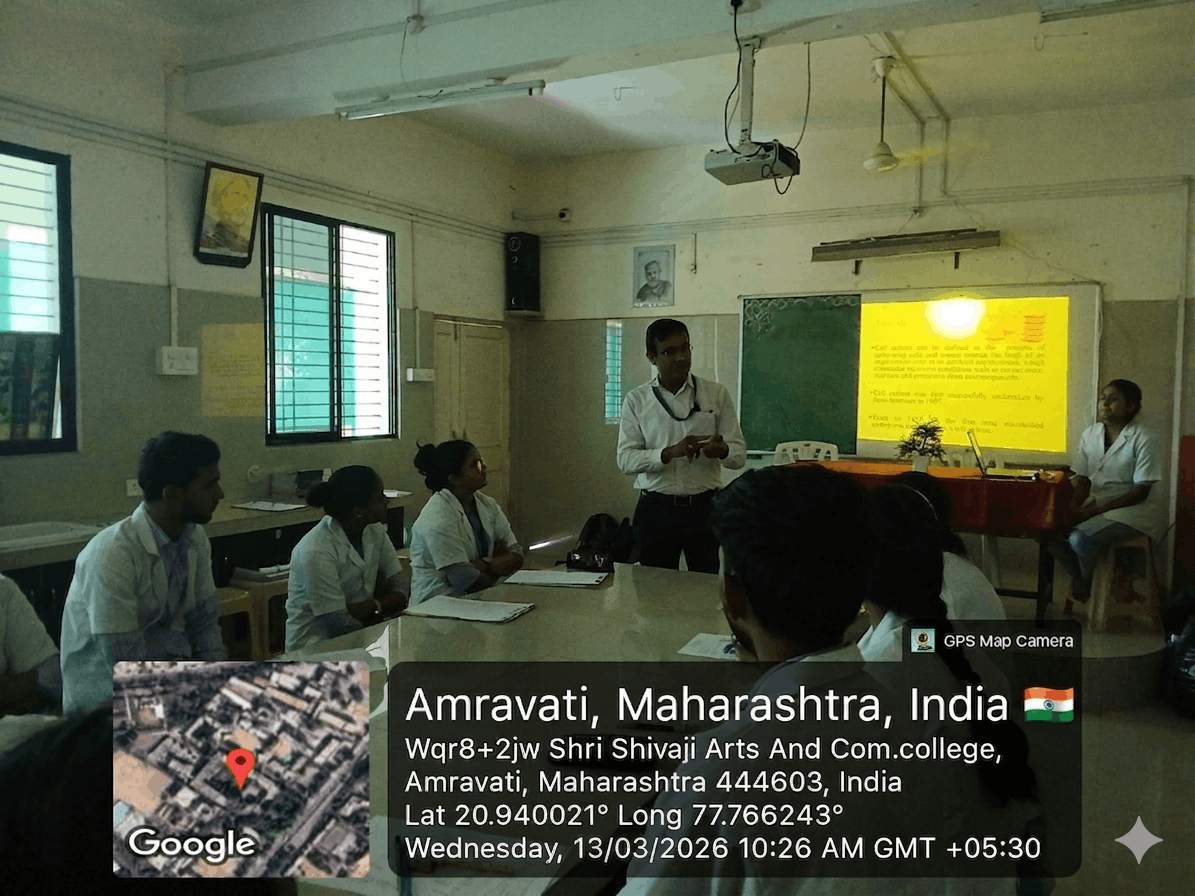 Successful Completion of Animal Tissue Culture Workshop |
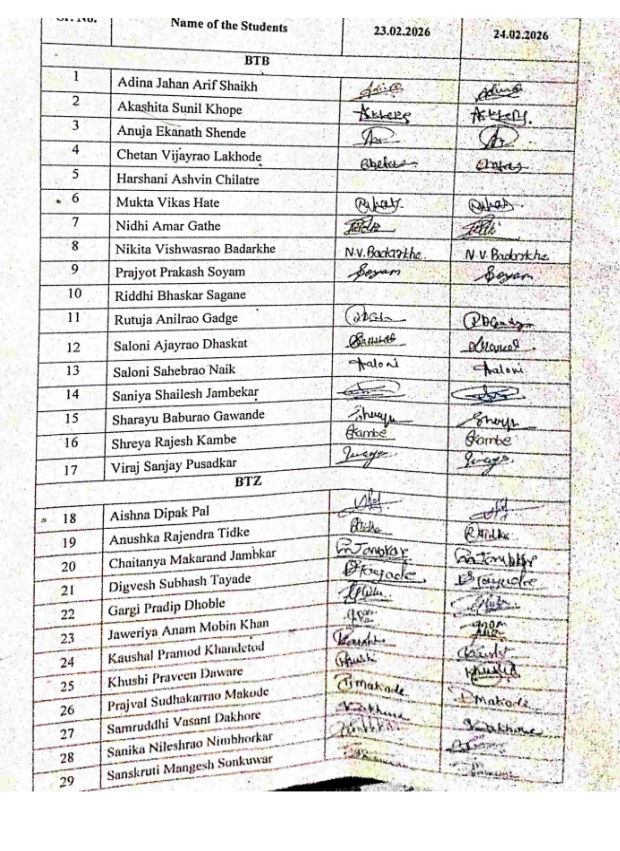
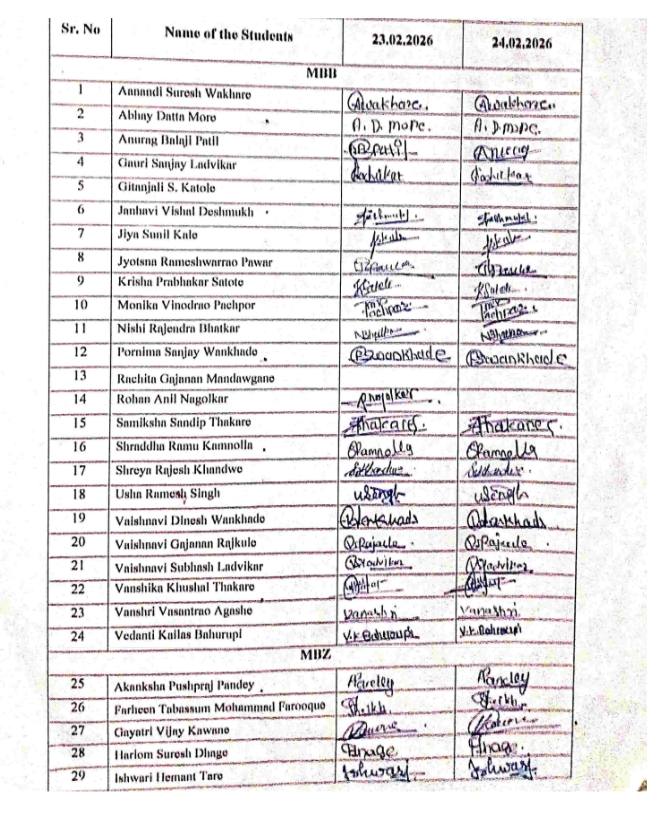
Attendance Sheet:
 |
 |