SHRI SHIVAJI SCIENCE COLLEGE, AMRAVATI
DBT STAR COLLEGE PROJECT ACTIVITY
ACTIVITY REPORT
SENDRIYA NIVISHTA PROJECT INSTALLATION 2025 – 26
Activity Dates: March 2025
Type of Activity: Outreach Activity
Organizing Department: Department of Botany & Bioinformatics
Program Coordinators: Dr. Prashant D Deshmukh
Head of the Department: Dr. Dinesh D. Khedkar
External Collaborator (if any): No
Objectives:
- • To promote organic farming practices by minimizing the use of chemical fertilizers and pesticides.
- • To develop and standardize organic inputs through biowaste recycling and natural resource utilization.
- • To study the role of beneficial microorganisms such as Trichoderma and Mycorrhiza in enhancing soil fertility and crop productivity.
- • To provide hands-on training and field-based learning opportunities to students.
- • To integrate scientific research with traditional agricultural knowledge for sustainable development and To integrate scientific research with traditional agricultural knowledge for sustainable development.
No of Beneficieries: 40
Classes Involved: Farmers & Students
Venue of the Activity: Department Of Botany, Shri Shivaji Science College Amravati
Activity Report:
An innovative and impactful initiative aimed at promoting sustainable agriculture and organic farming practices has been successfully initiated at Shri Shivaji Science College, Amravati. The Organic Input Production Project (Sendriya Nivishta Prakalp) has been implemented under the Department of Botany in collaboration with Shri Shivaji Shikshan Sanstha, Amravati, and supported by the DBT STAR College Scheme.
This project represents a significant step toward strengthening eco-friendly agricultural practices by integrating scientific research, traditional farming knowledge, and practical field-based training. The concept of this project is inspired by the farmer-friendly innovations of Dr. Krishnachandra and has been realized under the visionary guidance of Shri Keshavraoji Metkar, Vice President of Shri Shivaji Shikshan Sanstha. The initiative reflects a commitment to empowering both students and farmers through cost-effective, sustainable, and environmentally responsible agricultural techniques.
INTRODUCTION TO ORGANIC FARMING:
Organic farming is a holistic agricultural system that emphasizes the use of natural inputs, ecological balance, and sustainability. It avoids the use of synthetic fertilizers, pesticides, and genetically modified organisms, focusing instead on enhancing soil fertility and plant health through biological processes.
This project is based on the principle of recycling organic waste and utilizing beneficial microorganisms such as Trichoderma and Mycorrhiza. These organisms play a vital role in improving soil health, enhancing nutrient uptake, and protecting plants from diseases. Additionally, the project incorporates the use of natural minerals derived from rocks and forest resources to enrich soil fertility.
PROJECT CONCEPT AND IMPLEMENTATION:
The Organic Input Production Project focuses on the preparation and application of organic formulations using locally available resources. The initiative involves the establishment of multiple tanks for preparing different organic inputs such as:
• Organic Waste Decomposer (OWDC)
• Natural Waste Decomposer (NWDC)
• Trichoderma-based formulations
• VAM (Vesicular-Arbuscular Mycorrhiza) solutions
• NPK-based organic nutrient solutions
• Mineral nutrient extracts from natural rock sources
These formulations are prepared using simple methods involving organic materials like jaggery, boiled potato, water, and microbial cultures. The solutions are regularly stirred, maintained, and diluted in appropriate proportions (commonly 1:100) before application in agricultural fields.
The project also includes continuous replenishment and maintenance of these solutions, ensuring sustainability and long-term usability. This systematic approach allows students to understand the scientific principles behind organic input production and its practical applications.
PROGRAM OBJECTIVES:
The Organic Input Production Project has been designed with the following key objectives:
• To promote organic farming practices by reducing dependence on chemical fertilizers and pesticides.
• To develop and standardize organic inputs through biowaste recycling and natural resource utilization.
• To study the role of beneficial microorganisms such as Trichoderma and Mycorrhiza in enhancing soil fertility and crop productivity.
• To provide hands-on training and field-based learning opportunities to students.
• To integrate scientific research with traditional agricultural knowledge for sustainable development.
• To empower students and farmers by introducing cost-effective and eco-friendly technologies.
• To evaluate the physical, chemical, and biological properties of organic formulations and their impact on crop growth.
EDUCATIONAL AND PRACTICAL SIGNIFICANCE:
This project serves as a model of experiential learning, where students actively participate in the preparation, observation, and application of organic inputs. It bridges the gap between theoretical knowledge and real-world agricultural practices.
Students are provided with access to laboratories and agricultural fields where they can conduct experiments, analyze results, and understand the practical implications of their work. The project not only enhances their academic knowledge but also equips them with essential skills required for research and innovation.
Moreover, the initiative promotes interdisciplinary learning, involving concepts from botany, microbiology, soil science, and environmental science. It encourages students to think critically, analyze data, and develop solutions for real-life agricultural challenges.
IMPACT ON AGRICULTURE AND FARMERS:
One of the major strengths of this project is its direct benefit to the farming community. By promoting the use of organic inputs, the project helps in:
• Reducing the cost of agricultural production by minimizing the use of expensive chemical fertilizers
• Improving soil structure, fertility, and microbial activity
• Enhancing crop yield and quality through natural growth promoters
• Promoting the production of healthy and chemical-free food grains
Farmers are introduced to these techniques through demonstrations, training sessions, and knowledge-sharing activities. This creates a strong link between the college and the local community, facilitating the transfer of technology and practical knowledge.
PROGRAM OUTCOMES:
The successful implementation of the project has resulted in several positive outcomes:
• Students gained in-depth knowledge of sustainable and organic farming systems.
• They developed practical skills in the preparation and application of organic inputs such as biofertilizers and biopesticides.
• Enhanced understanding of soil health, nutrient cycling, and microbial interactions was achieved.
• Reduced dependency on chemical inputs, leading to cost-effective and eco-friendly farming practices.
• Improved crop productivity and soil quality through the use of organic formulations.
• Strengthened research aptitude, innovation, and scientific thinking among students.
• Established a collaborative platform between students, teachers, and farmers for knowledge exchange.
• Benefited local farmers through technology transfer and practical demonstrations.
• Contributed to environmental conservation and sustainable agricultural development.
FUTURE SCOPE:
The project has immense potential for expansion and long-term impact. Some future possibilities include:
• Development of a large-scale research and demonstration center for organic farming
• Standardization and commercialization of organic input products
• Organization of training programs and extension activities for farmers at regional and state levels
• Promotion of interdisciplinary research involving soil science, microbiology, and biotechnology
• Collaboration with government agencies, NGOs, and agricultural universities
• Encouragement of entrepreneurship and startup initiatives among students
• Long-term monitoring of soil health, crop yield, and environmental impact
• Contribution to national initiatives like Atmanirbhar Bharat and rural economic development
• Establishment of model organic farms for demonstration and training purposes
SUPPORT AND COORDINATION:
The successful execution of this project was made possible through the guidance and leadership of:
• Dr. G. V. Korpe, Principal, Shri Shivaji Science College
• Dr. Dinesh Khedkar, Head, Department of Botany
Valuable support and cooperation were also provided by faculty members including Dr. Ganesh Hedavu, Dr. Rekha Maggirwar, Dr. Swati Pundkar, Dr. Avinash Darsimbe, Dr. Prashant Deshmukh, and Dr. Ankit Kale.
CONCLUSION:
The Organic Input Production Project (Sendriya Nivishta Prakalp) is a visionary and forward-looking initiative that effectively integrates education, research, and community outreach. It provides students with hands-on experience and research opportunities while simultaneously offering sustainable solutions to farmers.
By promoting eco-friendly agricultural practices, improving soil health, and enhancing crop productivity, the project contributes significantly to the development of a sustainable and self-reliant agricultural system. It also plays a crucial role in strengthening the rural economy and ensuring environmental conservation.
Overall, this initiative stands as a model example of how academic institutions can actively contribute to solving real-world problems through innovation, collaboration, and sustainable practices.
Outcomes:
- • Students gained in-depth knowledge of sustainable and organic farming systems.
- • They developed practical skills in the preparation and application of organic inputs such as biofertilizers and biopesticides.
- • Enhanced understanding of soil health, nutrient cycling, and microbial interactions was achieved.
- • Reduced dependency on chemical inputs, leading to cost-effective and eco-friendly farming practices.
- • Improved crop productivity and soil quality through the use of organic formulations and Strengthened research aptitude, innovation, and scientific thinking among students as well as Established a collaborative platform between students, teachers, and farmers for knowledge exchange.
Photos:
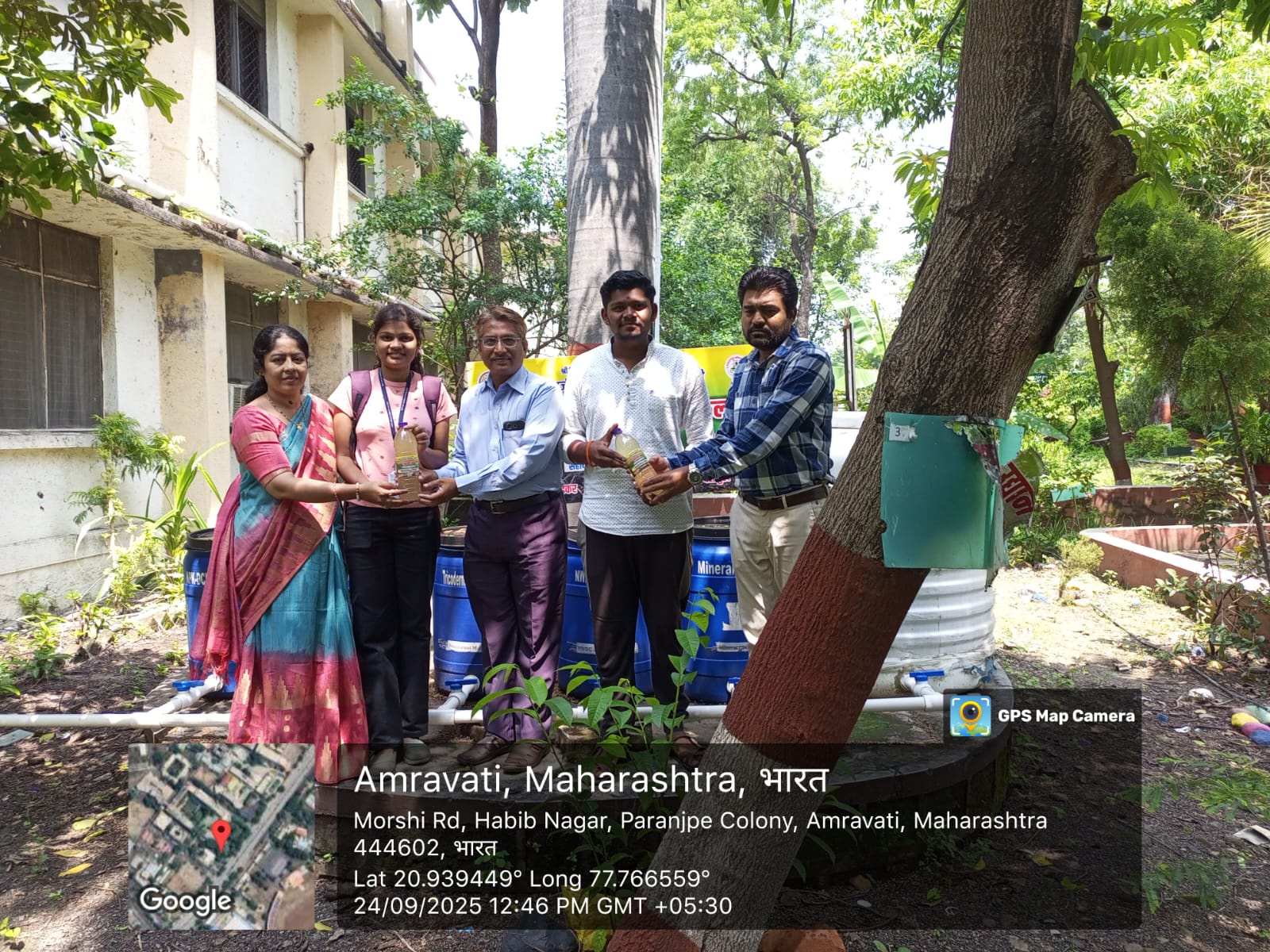 Installation of Sendriya Niwishta Plants | 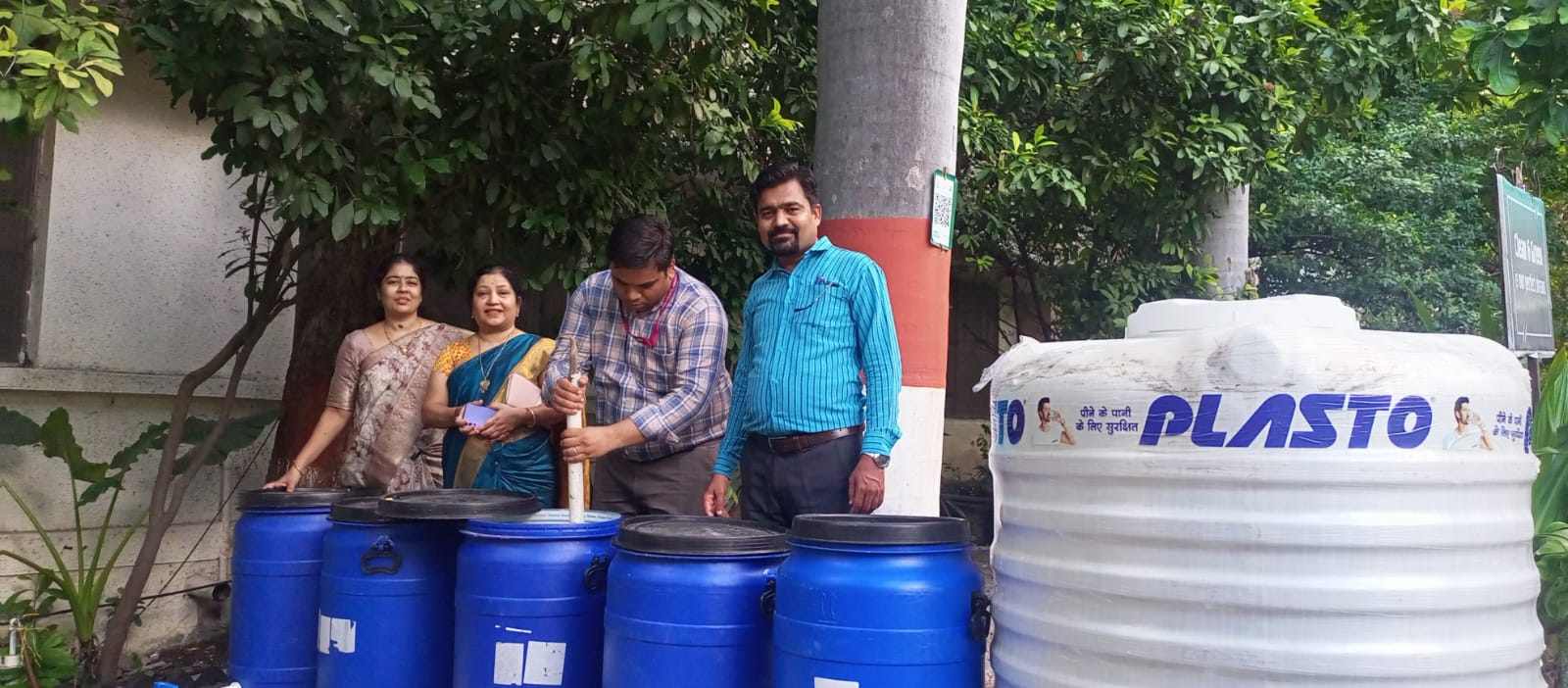 Steering of all organic Fertilizers and Decomposers |
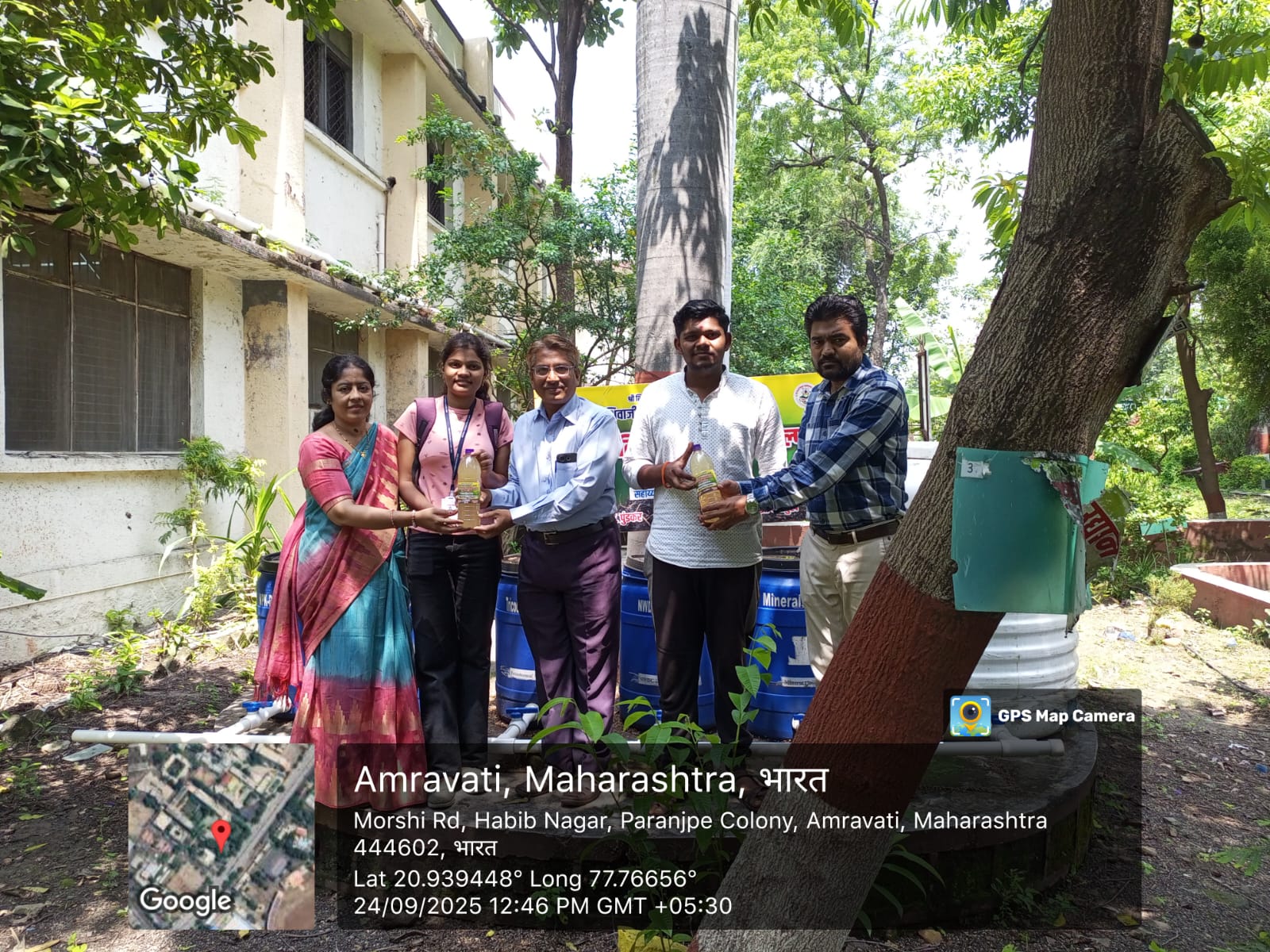 Distribution of Trichoderma and michorhizza | 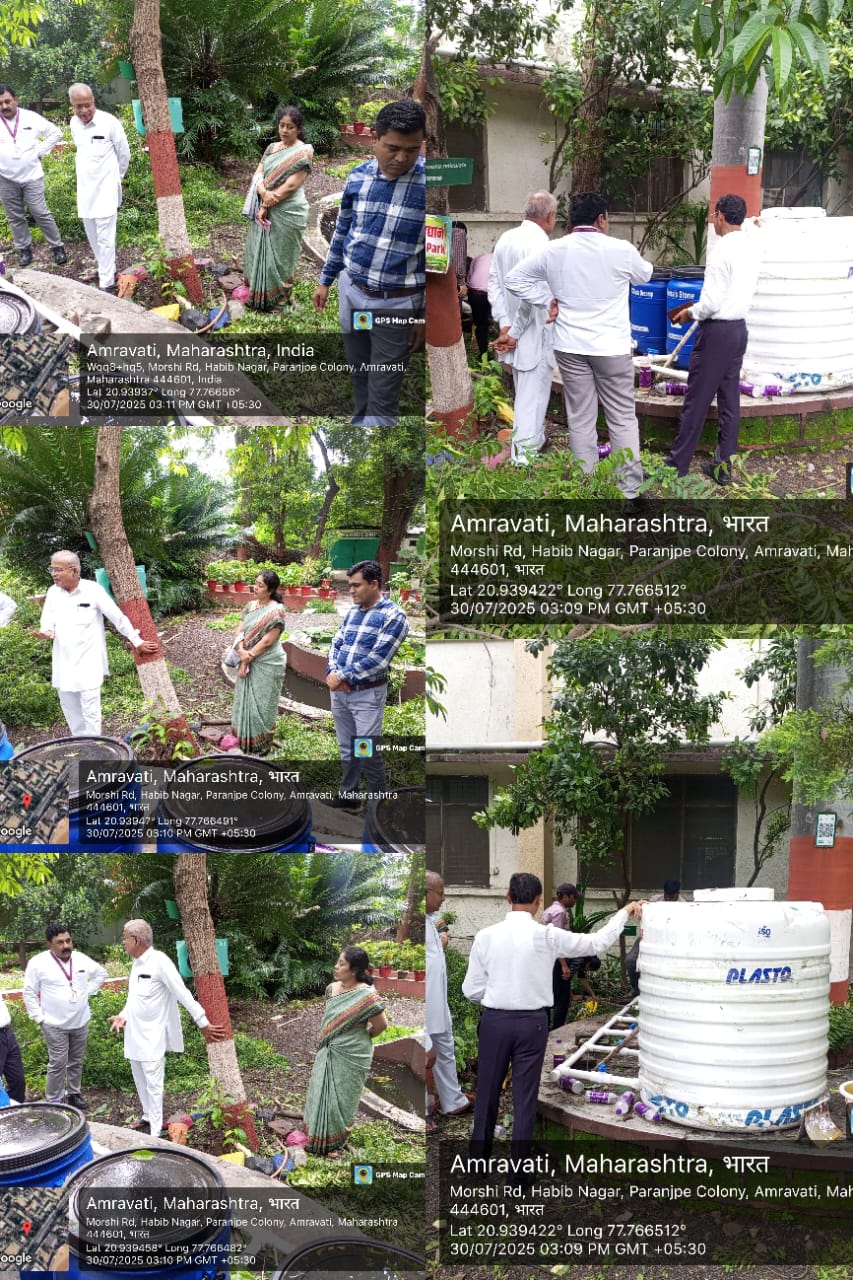 Monitoring and advising by Respected GU |
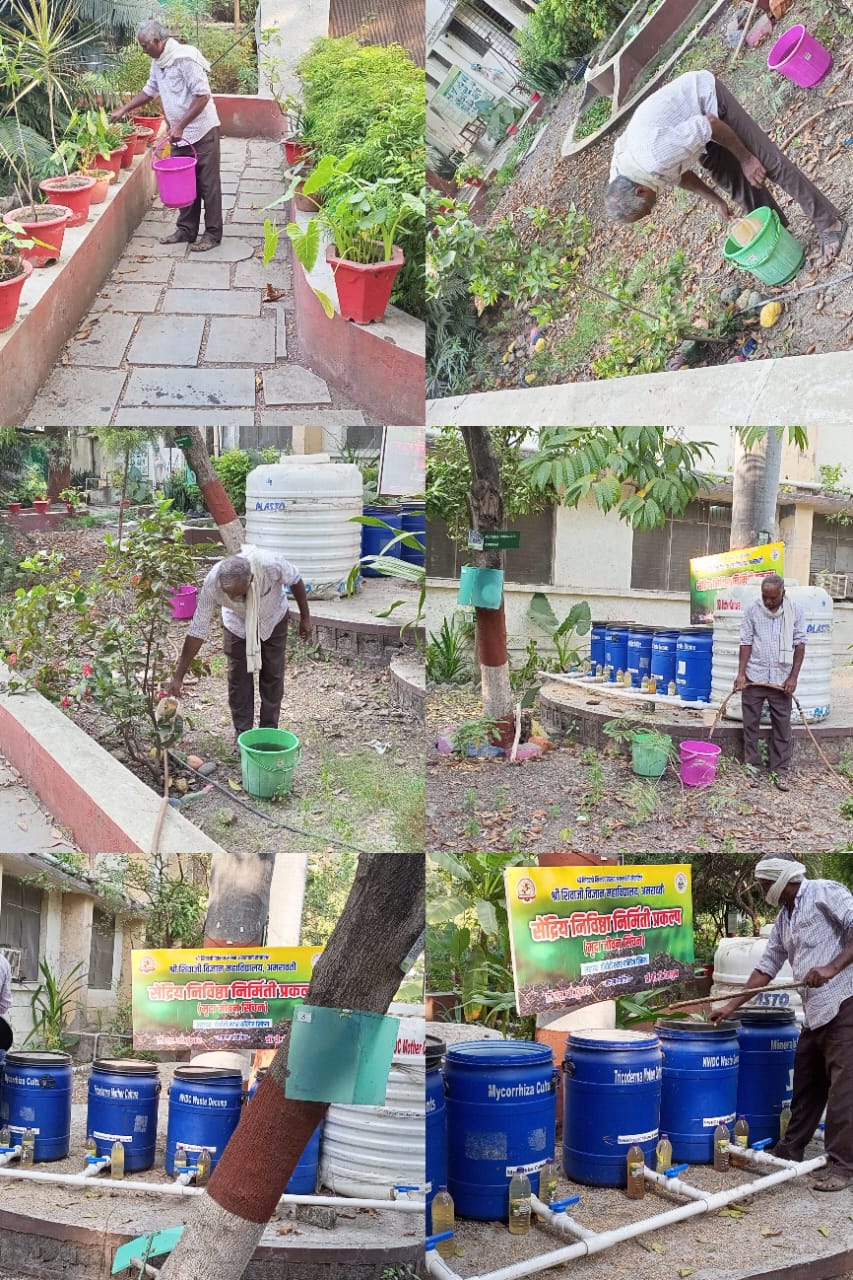 Distribution of Trichoderma and michorhizza | 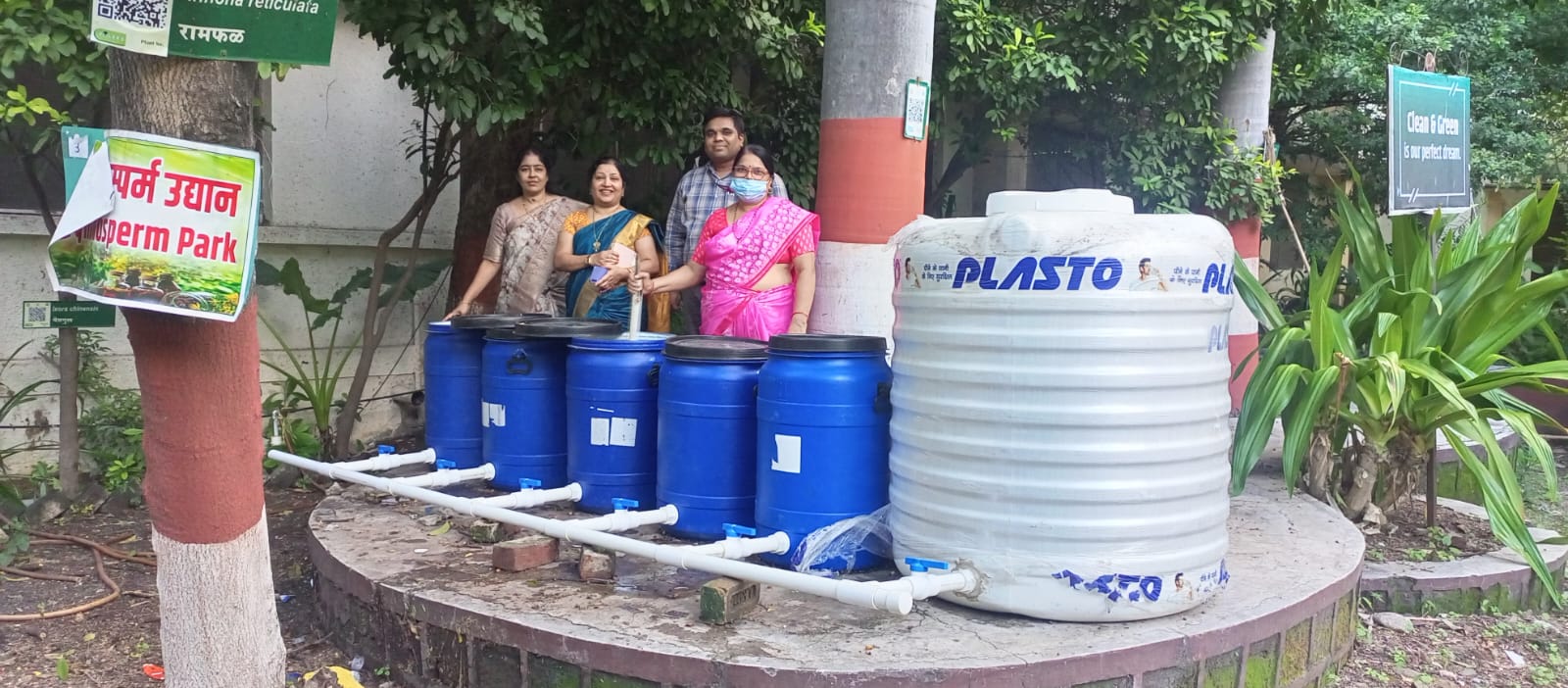 Working Status of Orojuct |
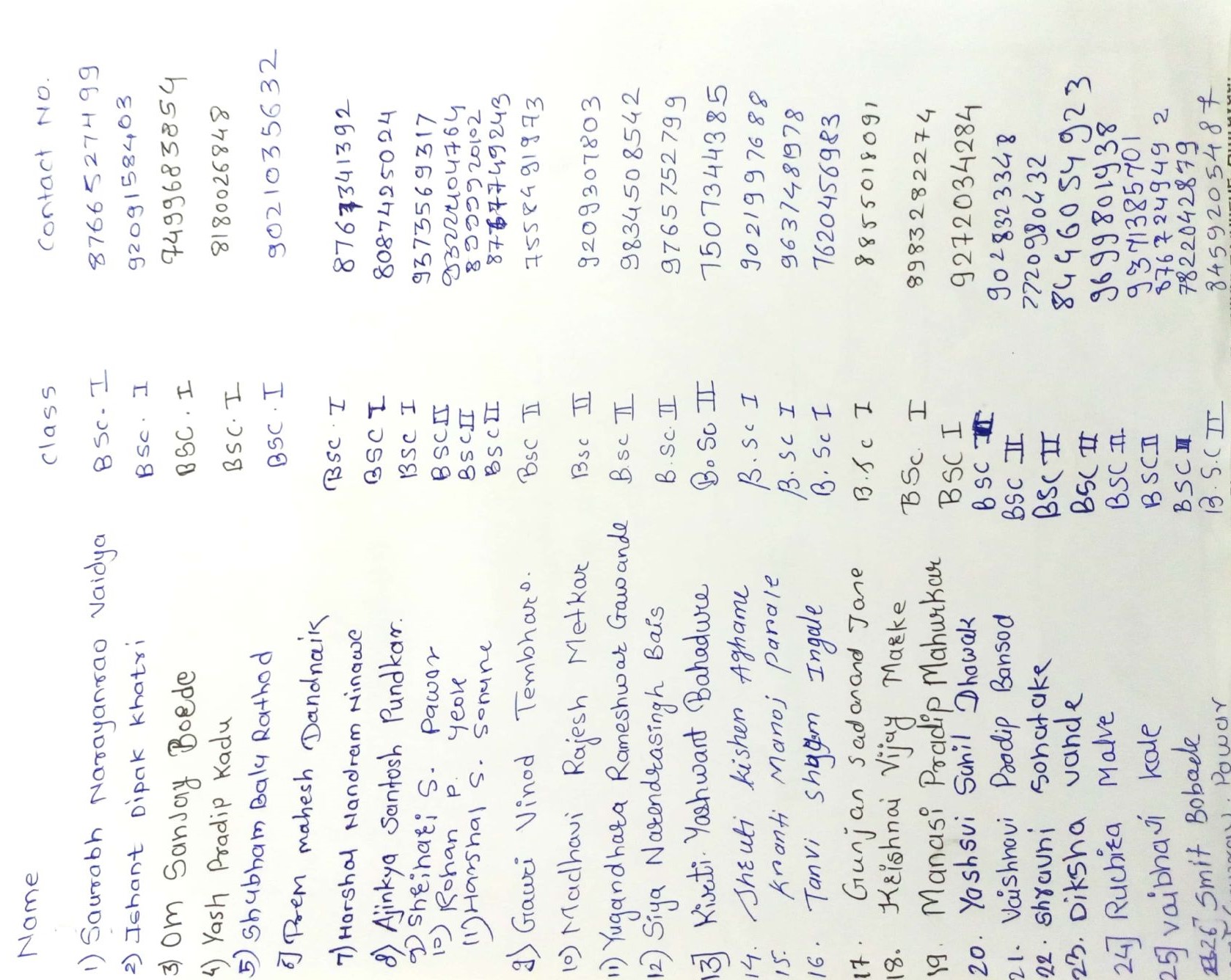
Attendance Sheet:
 |
 |
 |
 |
 |
 |
 |
 |