SHRI SHIVAJI SCIENCE COLLEGE, AMRAVATI
DBT STAR COLLEGE PROJECT ACTIVITY
ACTIVITY REPORT
GUEST LECTURE ON INDIAN KNOWLEDGE SYSTEM AND AYURVEDA
Activity Dates: October 8, 2025
Type of Activity: Students Workshop
Organizing Department: Department of Botany & Bioinformatics
Program Coordinators: Dr. Prashant D Deshmukh
Head of the Department: Dr. Dinesh D. Khedkar
External Collaborator (if any): No
Objectives:
- To enhance students’ understanding of the Indian Knowledge System (IKS) and its scientific relevance in modern times.
- To introduce the concept of a holistic approach to health, emphasizing the interconnectedness of body, mind, and environment.
- To explore the botanical significance of medicinal plants used in Ayurvedic formulations.
- To highlight the role of plant-based medicines in preventive and curative healthcare.
- To create awareness about the importance of integrating traditional knowledge with modern scientific research and • To encourage students to explore career opportunities in ethnobotany, pharmacognosy, and Ayurvedic sciences.
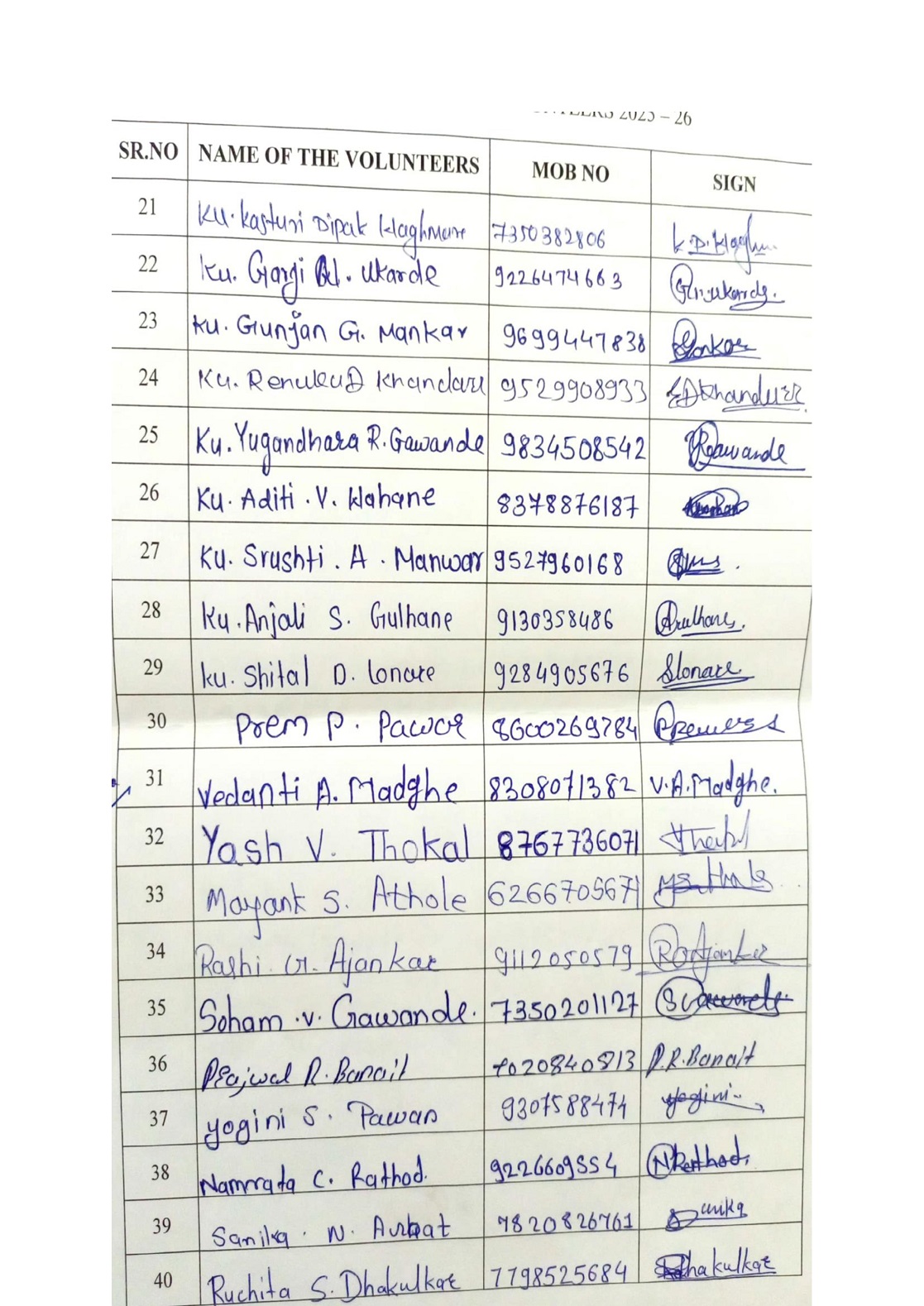
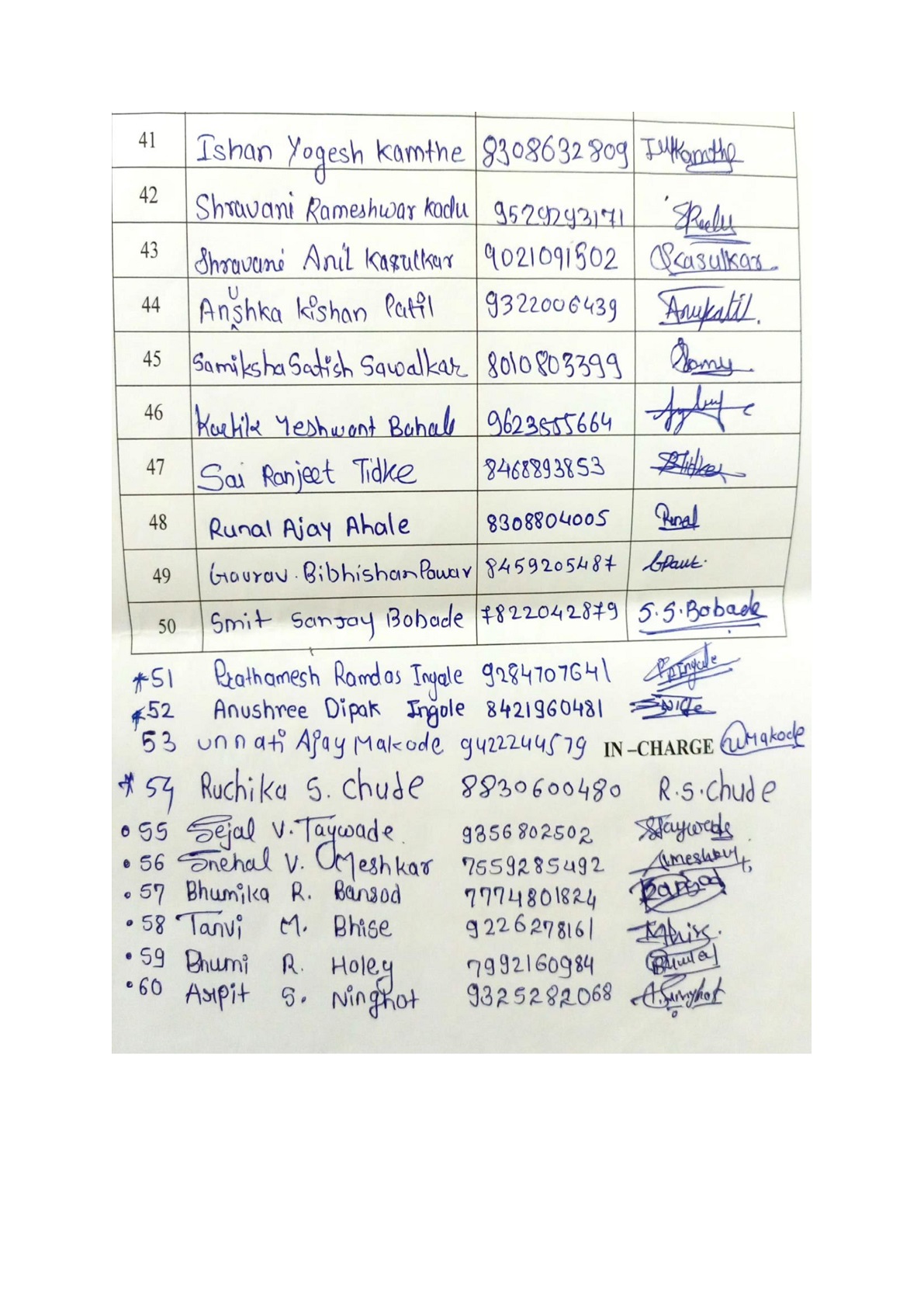
No of Beneficieries: 60
Classes Involved: B.SC - II BOTANY (Major & Minor)
Venue of the Activity: Department Of Botany, Shri Shivaji Science College Amravati
Activity Report:
REPORT
GUEST LECTURE ON INDIAN KNOWLEDGE SYSTEM AND AYURVEDA
Organized by: Department of Botany, Shri Shivaji Science College, Amravati
Under the Auspices of: STAR DBT Project
Date: October 8, 2025
Time: 2:00 PM – 4:00 PM
Venue: A.V. Theatre
1. Introduction
The Department of Botany, Shri Shivaji Science College, Amravati, organized an enlightening and academically enriching Guest Lecture on “Indian Knowledge System (IKS) and Ayurveda” on October 8, 2025. The program was conducted under the esteemed STAR DBT Project, which aims to promote innovative and interdisciplinary learning among undergraduate students. The lecture was specially arranged for the students of B.Sc. II (Major and Minor) to provide them with a deeper understanding of the relationship between traditional Indian knowledge and modern botanical sciences.
In recent years, there has been a growing recognition of the value of indigenous knowledge systems, especially in the fields of medicine, ecology, and sustainable living. Ayurveda, one of the oldest systems of medicine in the world, is deeply rooted in plant-based therapies and holistic health principles. This guest lecture aimed to bridge the gap between modern scientific approaches and ancient wisdom, thereby enabling students to appreciate the relevance of traditional practices in contemporary contexts.
The program served as an important academic platform where students could explore how botanical knowledge forms the foundation of Ayurvedic medicine and how this integration can contribute to sustainable healthcare practices.
2. Objectives of the Program
The guest lecture was organized with the following key objectives:
• To enhance students’ understanding of the Indian Knowledge System (IKS) and its scientific relevance in modern times.
• To introduce the concept of a holistic approach to health, emphasizing the interconnectedness of body, mind, and environment.
• To explore the botanical significance of medicinal plants used in Ayurvedic formulations.
• To highlight the role of plant-based medicines in preventive and curative healthcare.
• To create awareness about the importance of integrating traditional knowledge with modern scientific research.
• To encourage students to explore career opportunities in ethnobotany, pharmacognosy, and Ayurvedic sciences.
3. Speaker Profile
The session was delivered by the esteemed guest speaker Dr. Payal Gaupal, who serves as a Medical Officer at the Regional Referral Services Hospital, Amravati. Dr. Gaupal possesses extensive experience in clinical practice along with a deep understanding of traditional Indian medicine systems.
Her expertise lies in combining modern medical approaches with traditional Ayurvedic principles, making her an ideal resource person for this lecture. Her practical experience and in-depth knowledge enabled her to present complex concepts in a simple, engaging, and relatable manner, thereby making the session highly informative and impactful for the students.
4. Key Highlights of the Lecture
A. Foundations of Ayurveda
Dr. Gaupal began the lecture by explaining the fundamental principles of Ayurveda, often referred to as the “Science of Life.” She elaborated on the concept of Tridosha, which includes Vata, Pitta, and Kapha, representing the physiological and functional aspects of the human body.
She emphasized that Ayurveda focuses not only on curing diseases but also on preventing them by maintaining internal balance. According to Ayurvedic philosophy, health is achieved when there is harmony between the body, mind, and environment. The speaker highlighted how lifestyle choices, diet, and daily routines significantly influence overall well-being.
B. Botanical Perspective of Ayurveda
Considering that the audience comprised Botany students, special emphasis was given to the botanical aspects of Ayurveda. Dr. Gaupal explained how plants serve as the primary source of medicinal compounds used in Ayurvedic formulations.
She discussed several important medicinal plants, including:
• Tinospora cordifolia (Guduchi): Known for its immunity-boosting and anti-inflammatory properties.
• Withania somnifera (Ashwagandha): Widely used for stress management and improving vitality.
• Ocimum sanctum (Tulsi): Recognized for its antimicrobial and therapeutic properties.
The speaker explained the phytochemical composition of these plants and how their active compounds contribute to therapeutic effects. This section helped students understand the scientific basis of traditional remedies and their relevance in modern pharmacology.
C. Holistic Health and Lifestyle Management
A significant part of the lecture focused on the concept of holistic health, which is central to Ayurveda. Dr. Gaupal explained the importance of maintaining balance through proper diet (Aahar), lifestyle (Vihar), and mental well-being.
She discussed how modern lifestyle disorders such as stress, obesity, and metabolic diseases can be effectively managed through Ayurvedic principles. By adopting simple practices such as balanced nutrition, regular physical activity, and the use of herbal supplements, individuals can achieve long-term health benefits.
This segment of the lecture encouraged students to adopt a more mindful and sustainable approach to health and wellness.
D. Relevance of Indian Knowledge System in Modern Science
The speaker highlighted the growing global interest in traditional medicine systems and their integration with modern healthcare. She emphasized that the Indian Knowledge System provides a strong foundation for sustainable and eco-friendly medical practices.
Dr. Gaupal also discussed the need for scientific validation and standardization of Ayurvedic medicines, which is essential for their acceptance at a global level. She encouraged students to contribute to research in this field by applying modern scientific techniques to traditional knowledge.
5. Session Proceedings
The program commenced with a formal inauguration, including a welcome address by the Head of the Department of Botany. The significance of organizing such lectures under the STAR DBT Project was highlighted, emphasizing its role in promoting interdisciplinary learning and research-oriented education.
The lecture session was conducted in an interactive manner, with the speaker engaging students through examples, case studies, and practical insights. Students actively participated and showed keen interest throughout the session.
An interactive question-and-answer session followed the lecture, where students raised queries related to:
• Standardization and quality control of Ayurvedic drugs
• Scientific validation of traditional medicines
• Career opportunities in ethnobotany, pharmacognosy, and Ayurveda
• Integration of modern and traditional medical systems
Dr. Gaupal responded to all queries in a detailed and encouraging manner, motivating students to explore research and professional opportunities in this field.
The A.V. Theatre was filled to capacity, reflecting the enthusiasm and active participation of students. The session provided a platform for meaningful academic interaction and knowledge exchange.
Program Outcomes
A. Outcomes for Students
The guest lecture significantly contributed to the academic, professional, and personal development of students in the following ways:
1. Enhanced Conceptual Understanding
Students developed a clear understanding of the principles of the Indian Knowledge System (IKS) and its scientific relevance in modern contexts, especially in relation to plant sciences and healthcare.
2. Knowledge of Ayurvedic Foundations
Learners gained insight into the fundamental concepts of Ayurveda, including the Tridosha theory (Vata, Pitta, Kapha) and its application in maintaining health and preventing diseases.
3. Botanical and Pharmacological Awareness
Students understood the importance of medicinal plants such as Tinospora cordifolia, Withania somnifera, and Ocimum sanctum, thereby strengthening their knowledge of phytochemistry and plant-based therapeutics.
4. Interdisciplinary Learning Skills
The lecture helped students connect concepts from botany, pharmacology, and traditional medicine, promoting interdisciplinary thinking and integrated learning.
5. Awareness of Holistic Health Practices
Students became aware of the holistic approach to health involving diet (Aahar), lifestyle (Vihar), and mental well-being, encouraging healthier and more balanced living habits.
6. Development of Scientific Attitude
Exposure to the scientific validation of traditional knowledge encouraged students to think critically, analyze information, and develop a research-oriented mindset.
7. Career Orientation and Opportunities
The session motivated students to explore career paths in ethnobotany, pharmacognosy, Ayurveda research, herbal industries, and sustainable healthcare sectors.
8. Improved Communication and Interaction Skills
Participation in the interactive session enhanced students’ confidence in asking questions, engaging in discussions, and expressing scientific ideas effectively.
9. Environmental and Ethical Awareness
Students developed a deeper appreciation for biodiversity conservation and the sustainable use of plant resources.
B. Outcomes for Faculty and Institution
1. Strengthening Academic Enrichment
Faculty members gained new perspectives on integrating traditional knowledge systems with modern scientific teaching methodologies.
2. Curriculum Enhancement
Insights from the lecture can be incorporated into the curriculum to make it more interdisciplinary and application-oriented.
3. Promotion of Research Culture
The program encouraged faculty to initiate research in areas like ethnobotany, medicinal plants, and traditional knowledge systems.
4. Institutional Visibility and Quality Improvement
Conducting such programs under the DBT STAR College Scheme enhances the academic profile and reputation of the institution.
C. Outcomes for Society and Community
1. Promotion of Indigenous Knowledge Systems
The activity contributed to preserving and promoting traditional Indian knowledge, particularly in healthcare and medicine.
2. Awareness of Sustainable Healthcare Practices
It emphasized the importance of eco-friendly, plant-based remedies, reducing dependence on synthetic drugs and chemicals.
3. Encouragement of Preventive Healthcare
The program highlighted the significance of lifestyle management and preventive measures in maintaining health.
4. Bridging Traditional and Modern Science
It fostered a better understanding of how ancient wisdom can complement modern scientific advancements for the benefit of society.
D. Outcomes for Industry and Research Community
1. Scope for Herbal and Pharmaceutical Industries
The program highlighted the growing demand for plant-based medicines, opening avenues for collaboration with herbal and pharmaceutical sectors.
2. Research and Innovation Opportunities
It encouraged the exploration of medicinal plants for drug discovery and scientific validation of traditional practices.
3. Skilled Human Resource Development
Students trained through such programs can contribute effectively to industries related to Ayurveda, biotechnology, and natural product research.
6. Educational Significance
The guest lecture played a crucial role in enhancing students’ understanding of the interdisciplinary nature of botanical sciences. It demonstrated how traditional knowledge systems can complement modern scientific approaches and contribute to sustainable development.
The program also highlighted the importance of preserving and promoting indigenous knowledge, which is an integral part of India’s cultural and scientific heritage. By integrating Ayurveda with modern research, new avenues can be explored in drug discovery, healthcare, and environmental conservation.
7. Conclusion
The guest lecture on Indian Knowledge System and Ayurveda was a highly successful and enriching academic event. It effectively achieved its objectives by providing students with valuable insights into the scientific and practical aspects of Ayurveda.
The session not only enhanced students’ theoretical knowledge but also inspired them to appreciate the relevance of traditional medicine in contemporary society. It fostered a sense of curiosity, critical thinking, and respect for indigenous knowledge systems.
Such initiatives under the STAR DBT Project significantly contribute to the holistic development of students by integrating academic learning with real-world applications. The Department of Botany looks forward to organizing more such programs in the future to promote interdisciplinary education and research.
Report Prepared By:
Dr. Prashant Dilip Deshmukh
Department of Botany
Shri Shivaji Science College, Amravati
Outcomes:
- 1. Enhanced Conceptual Understanding & Knowledge of Ayurvedic Foundations
- 2. Botanical and Pharmacological Awareness and Interdisciplinary Learning Skills
- 3. Awareness of Holistic Health Practices and Development of Scientific Attitude
- 4. Career Orientation and Opportunities and Improved Communication and Interaction Skills
- 5. Environmental and Ethical Awareness and Strengthening Academic Enrichment, Curriculum Enhancement, Promotion of Research Culture & Institutional Visibility and Quality Improvement
Photos:
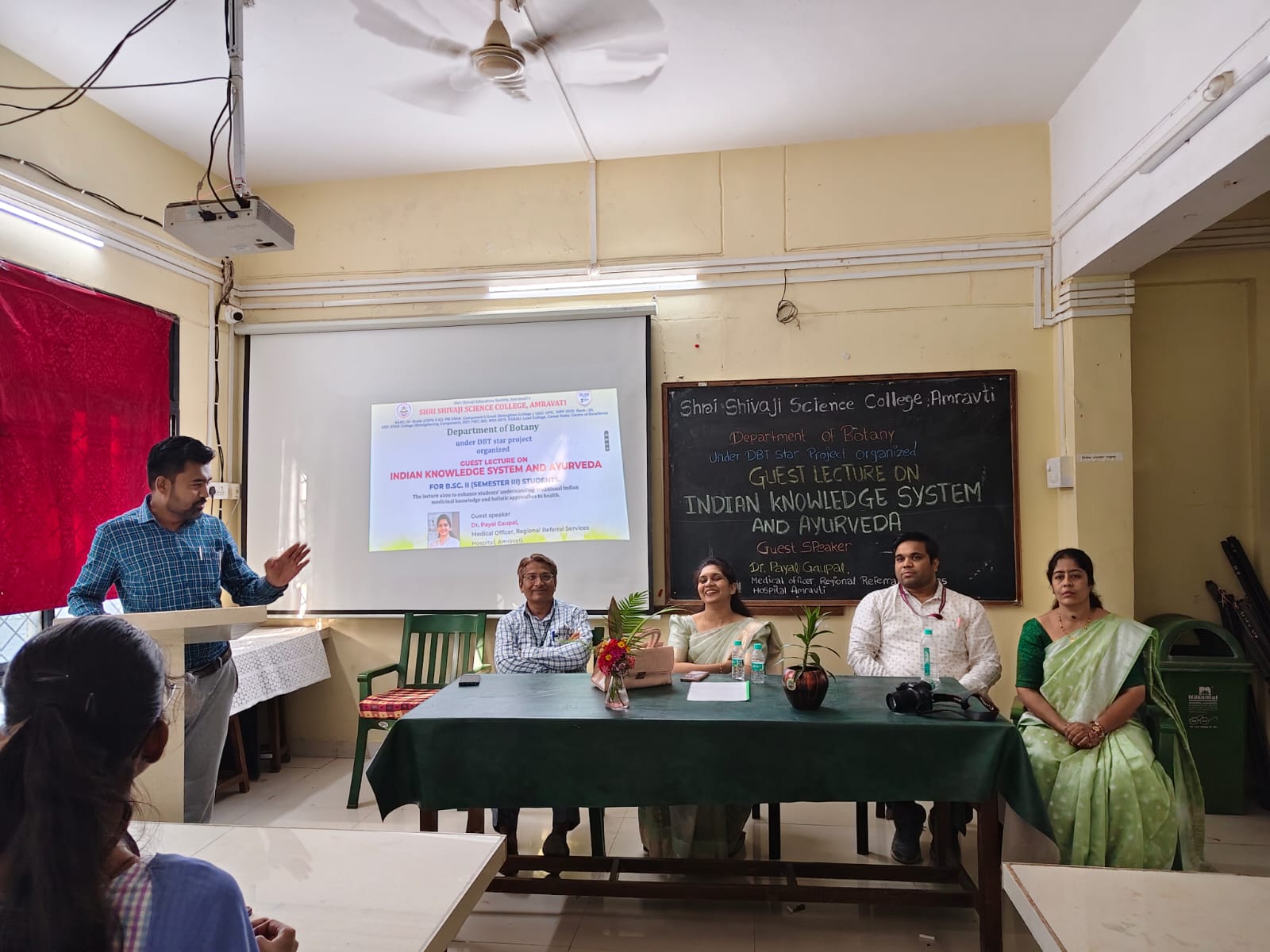 Inauguration and Welcome address and Felicitation of Guest of the activity | 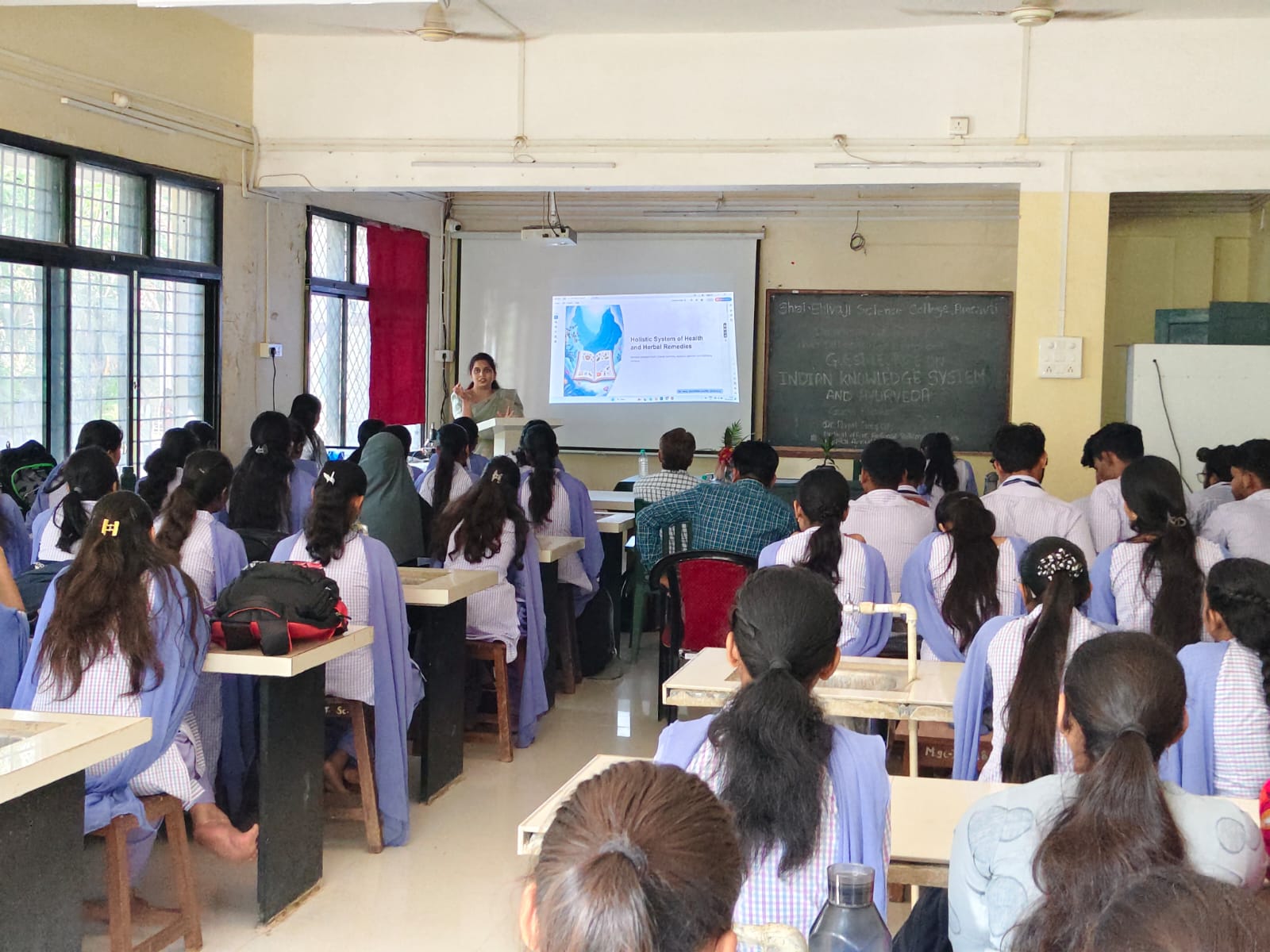 Students Actively articepated in Discussion and Question Answer Session |
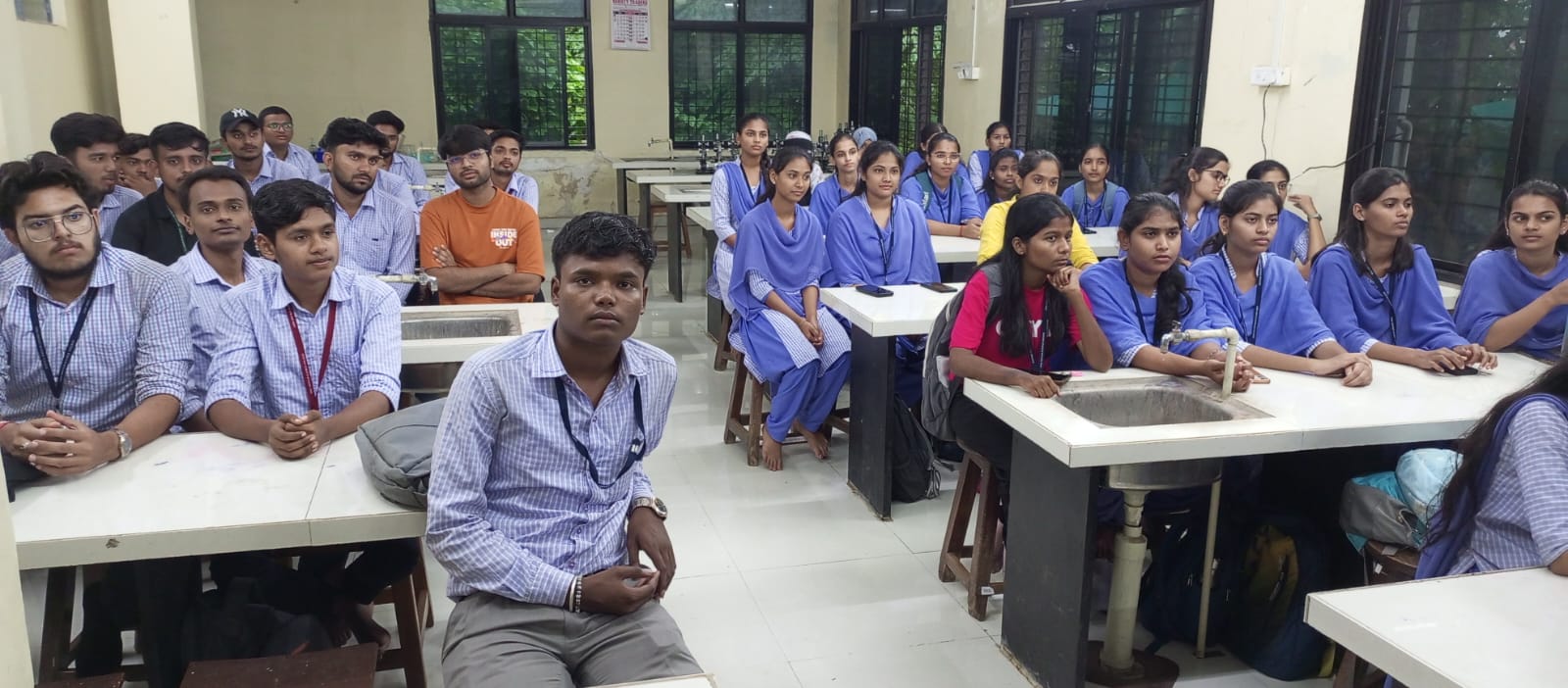 Students Actively participated in Discussion and Question Answer Session | 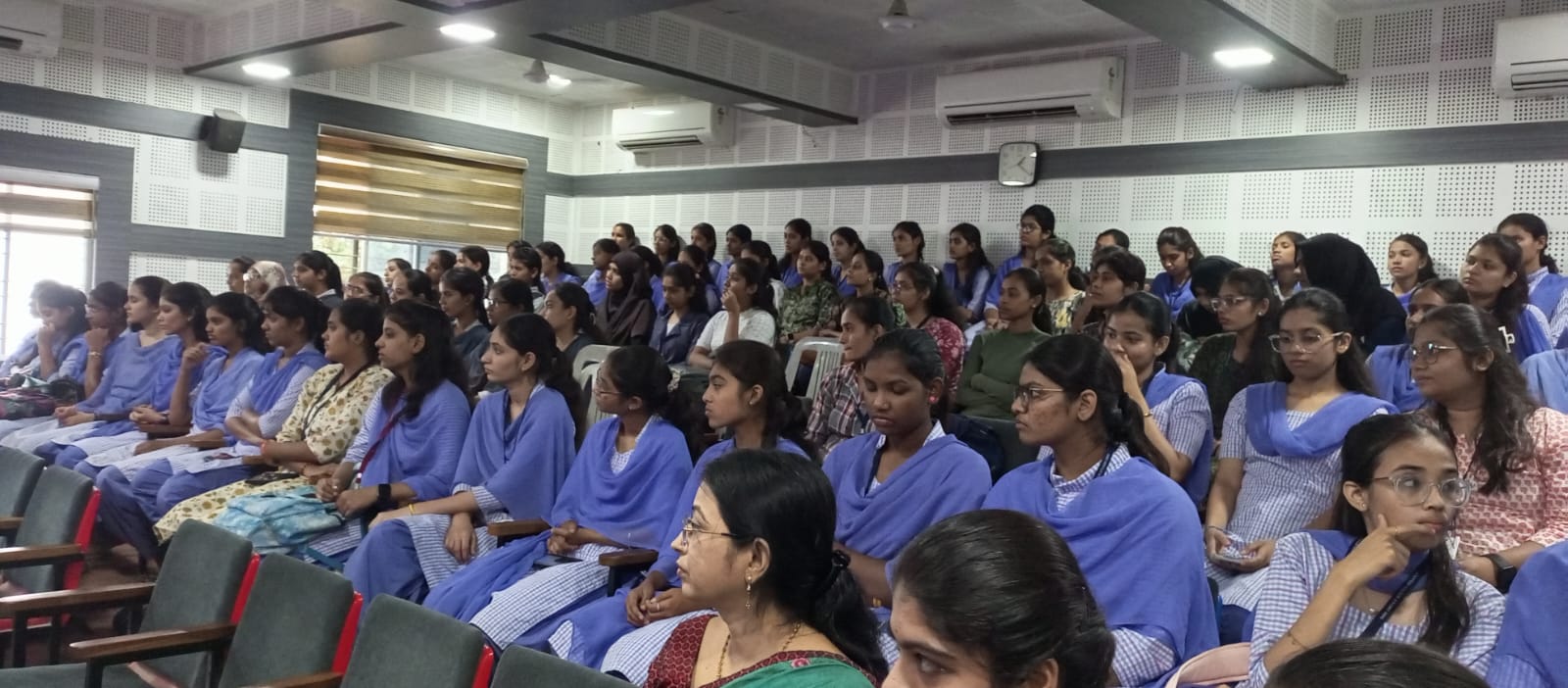 Students Actively participated in Discussion and Question Answer Session |
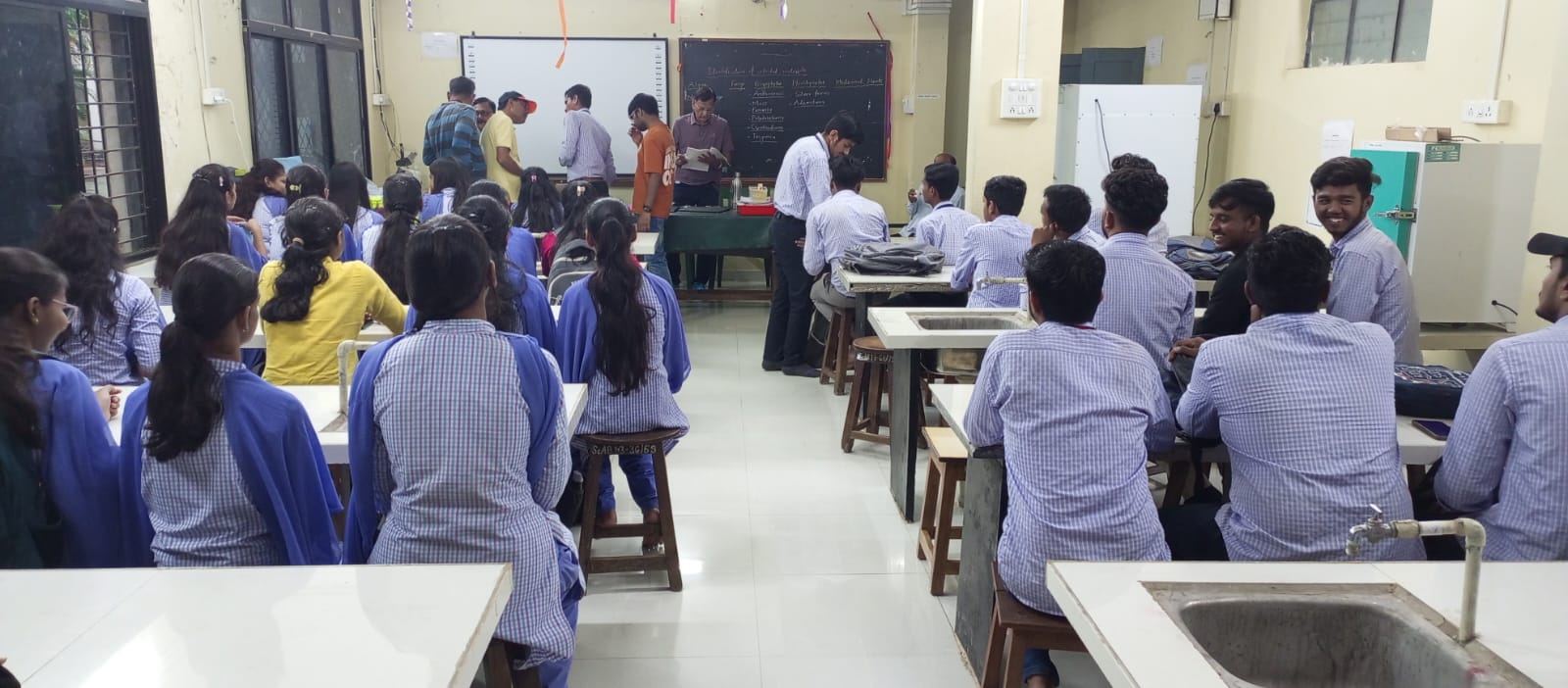 Students Actively participated in Discussion and Question Answer Session | 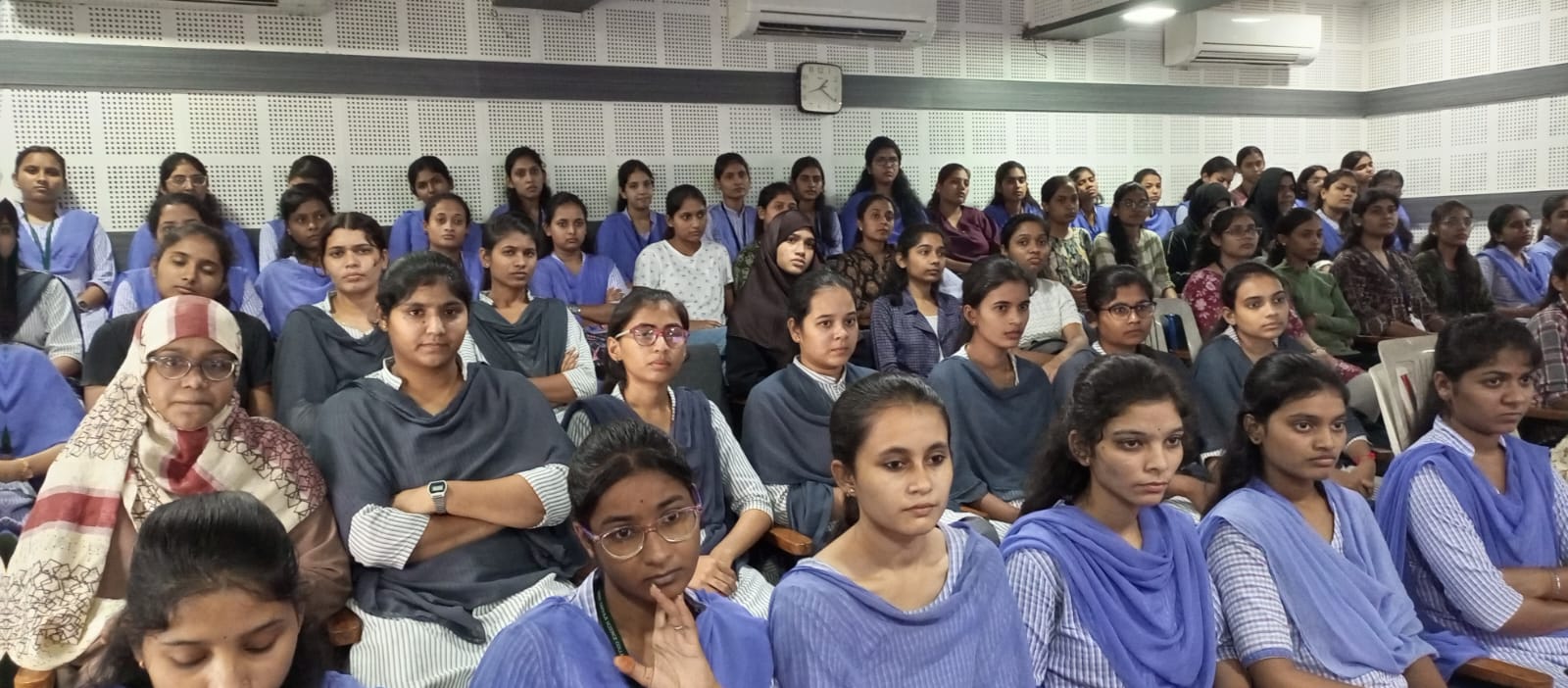 Students Actively participated in Discussion and Question Answer Session |
Attendance Sheet:
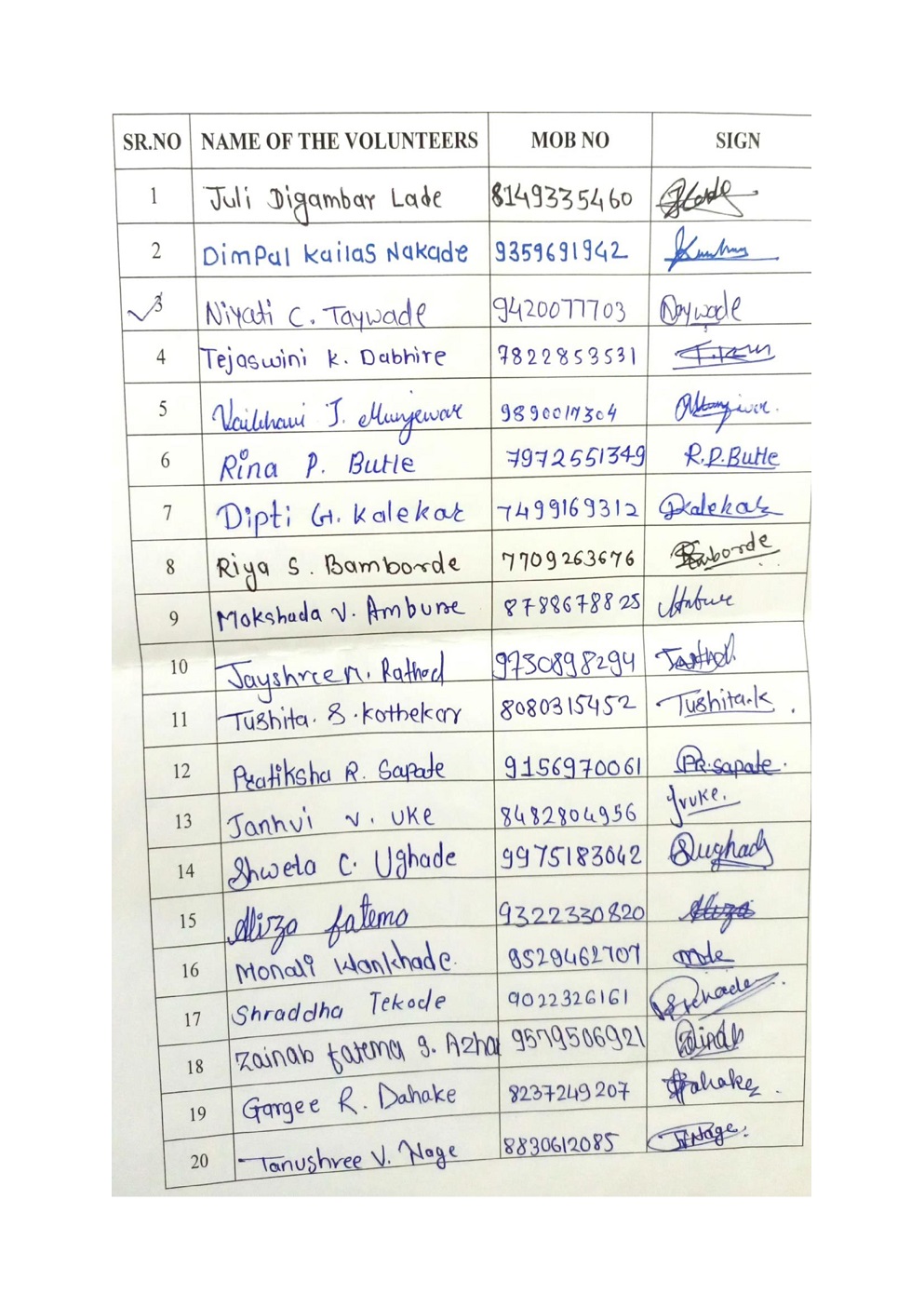 |
 |
 |
 |
 |
 |
 |
 |