SHRI SHIVAJI SCIENCE COLLEGE, AMRAVATI
DBT STAR COLLEGE PROJECT ACTIVITY
ACTIVITY REPORT
Educational Visit to Biological Pest Control Department, Amravati
Activity Dates: 07 October 2025
Type of Activity: Field Studies
Organizing Department: Department of Botany & Bioinformatics
Program Coordinators: Dr Ganesh B Hedawoo Dr. Prashant D Deshmukh Dr. Swati V Pundkar
Head of the Department: Dr. Dinesh D. Khedkar
External Collaborator (if any): No
Objectives:
- To introduce students to the concept and importance of biological pest control as an eco-friendly alternative to chemical pesticides.
- To familiarize students with different biocontrol agents such as predators, parasitoids, and microbial agents.
- To provide hands-on exposure to mass rearing techniques of beneficial organisms.
- To enhance understanding of integrated pest management (IPM) strategies used in real field conditions.
- To bridge the gap between theoretical knowledge and practical application under the DBT STAR Scheme.
No of Beneficieries: 65
Classes Involved: B.SC - II BOTANY
Venue of the Activity: Biological Pest Control Department, Amravati
Activity Report:
REPORT ON
Educational Visit to Biological Pest Control Department, Amravati
The Department of Botany, Shri Shivaji Science College, Amravati, organized an Educational Visit to the Biological Pest Control Department, Amravati on 07 October 2025 from 12:30 PM to 2:30 PM for the students of B.Sc. II Semester-III (Botany – Major & Minor) under the prestigious DBT STAR College Scheme. This academic activity was conducted with the aim of providing students with experiential learning opportunities and practical exposure to modern, eco-friendly pest management practices.
In the present era of sustainable agriculture and environmental conservation, biological pest control has emerged as a vital alternative to chemical pesticides. Recognizing the importance of this subject, the Department of Botany took the initiative to organize this visit so that students could gain real-time knowledge of biological control methods and understand their practical applications in agriculture and horticulture.
COMMENCEMENT OF THE VISIT:
On the scheduled day, students assembled at the college main gate and were briefed by the faculty members about the purpose, objectives, and expected outcomes of the visit. Necessary instructions regarding discipline, observation, and interaction with experts were also provided to ensure a productive learning experience.
The group then proceeded to the Biological Pest Control Department, Amravati. Upon arrival, the students were warmly welcomed by the departmental staff and experts. An introductory session was conducted to familiarize students with the concept, scope, and significance of biological pest control in modern agriculture.
INTRODUCTION TO BIOLOGICAL PEST CONTROL:
The experts explained that biological pest control involves the use of natural enemies such as predators, parasitoids, and microorganisms to manage pest populations. This method is considered environmentally safe, sustainable, and economically viable compared to chemical pesticides, which often lead to environmental pollution, pest resistance, and health hazards.
Students were introduced to various types of biocontrol agents:
• Predators, which directly consume pests (e.g., ladybird beetles feeding on aphids)
• Parasitoids, which lay eggs inside or on pests, eventually killing them
• Microbial agents, including bacteria, fungi, and viruses used to control specific pests
This introductory session helped students understand the fundamental principles of biological control and its role in maintaining ecological balance.
PROGRAM OBJECTIVES:
The educational visit was organized with the following academic and skill-based objectives:
• To introduce students to the concept and importance of biological pest control as an eco-friendly alternative to chemical pesticides.
• To familiarize students with various biocontrol agents, including predators, parasitoids, and microbial organisms.
• To provide hands-on exposure to mass rearing techniques of beneficial organisms used in pest control.
• To enhance students’ understanding of Integrated Pest Management (IPM) strategies practiced under real field conditions.
• To develop awareness about sustainable agricultural practices and environmental conservation.
• To bridge the gap between theoretical classroom knowledge and practical field applications under the DBT STAR Scheme.
FIELD EXPOSURE AND PRACTICAL LEARNING:
A major highlight of the visit was the exposure to mass production and rearing units of biocontrol agents. Students observed how beneficial insects and microorganisms are cultured, maintained, and multiplied under controlled conditions for large-scale application.
Experts demonstrated the step-by-step procedures involved in rearing parasitoids and predators. Students learned about:
• Selection of host organisms
• Maintenance of controlled environmental conditions
• Feeding and care of biocontrol agents
• Packaging and distribution for field use
In addition, students were shown different formulations of microbial pesticides and their methods of application. They were also introduced to Integrated Pest Management (IPM) techniques, which combine biological, cultural, mechanical, and minimal chemical methods to control pests effectively.
The interaction with experts provided valuable insights into real-world challenges and solutions in pest management. Students actively participated in discussions, asked questions, and clarified their doubts, making the learning process interactive and engaging.
PROGRAM OUTCOMES FOR UG STUDENTS:
The educational visit resulted in several significant learning outcomes for undergraduate students:
• Students developed a clear understanding of biological pest control principles and their importance in sustainable agriculture.
• They gained knowledge about the diversity, identification, and functioning of biocontrol agents.
• Exposure to practical demonstrations improved their analytical, observational, and interpretative skills.
• Students understood the implementation of pest management strategies at the field level, including challenges and best practices.
• The visit enhanced their awareness of environmental protection and ecological balance.
• It encouraged scientific thinking, curiosity, and research-oriented learning among students.
• The activity also motivated students to explore career opportunities in applied botany, agriculture, and environmental sciences.
SKILLS IMPARTED:
The visit contributed significantly to the development of multiple academic and professional skills:
1. Technical Skills:
Students learned to identify different biocontrol agents and understand their biological characteristics. They also gained knowledge about mass rearing techniques and pest management applications.
2. Practical Skills:
Through observation and field exposure, students developed skills in recording biological processes, interpreting data, and applying theoretical concepts in practical situations.
3. Analytical Skills:
Students learned to evaluate the effectiveness of biological control methods and understand their impact on pest populations and ecosystem stability.
4. Scientific Documentation Skills:
Students were encouraged to maintain records of observations, which helped in developing systematic documentation and reporting abilities.
5. Communication and Interaction Skills:
Interaction with experts and professionals enhanced students’ confidence, communication abilities, and capacity for scientific discussion and knowledge exchange.
EDUCATIONAL AND ENVIRONMENTAL SIGNIFICANCE:
The educational visit highlighted the importance of adopting eco-friendly and sustainable agricultural practices. Biological pest control plays a crucial role in reducing dependence on chemical pesticides, thereby minimizing environmental pollution and protecting biodiversity.
Such field-based learning experiences are essential for students as they provide exposure to real-life applications of scientific concepts. They help students understand the relevance of their academic studies in addressing practical problems in agriculture and environmental management.
Furthermore, the visit reinforced the importance of integrated approaches in pest management, where biological control is combined with other methods to achieve effective and sustainable results.
CONCLUSION:
The educational visit to the Biological Pest Control Department, Amravati, was highly informative, enriching, and academically valuable. It successfully achieved its objectives by providing students with practical exposure to modern pest management techniques and enhancing their understanding of sustainable agriculture.
The activity not only strengthened students’ theoretical knowledge but also equipped them with essential skills required for scientific research and professional development. It fostered environmental awareness, critical thinking, and a sense of responsibility towards sustainable practices.
Such initiatives under the DBT STAR College Scheme play a vital role in promoting experiential learning and holistic development among undergraduate students. The Department of Botany looks forward to organizing more such educational visits in the future to further enrich students’ academic experience and prepare them for real-world challenges.
Outcomes:
- Students developed a clear understanding of biological pest control principles and their role in sustainable agriculture.
- They gained knowledge about diversity and identification of biocontrol agents.
- Exposure to real-time practices improved their analytical and observational skills.
- Students understood field-level implementation of pest management strategies.
- The visit encouraged scientific thinking and environmental awareness among students and It enhanced their interest in applied botany and agricultural sciences, supporting future academic and career opportunities.
Photos:
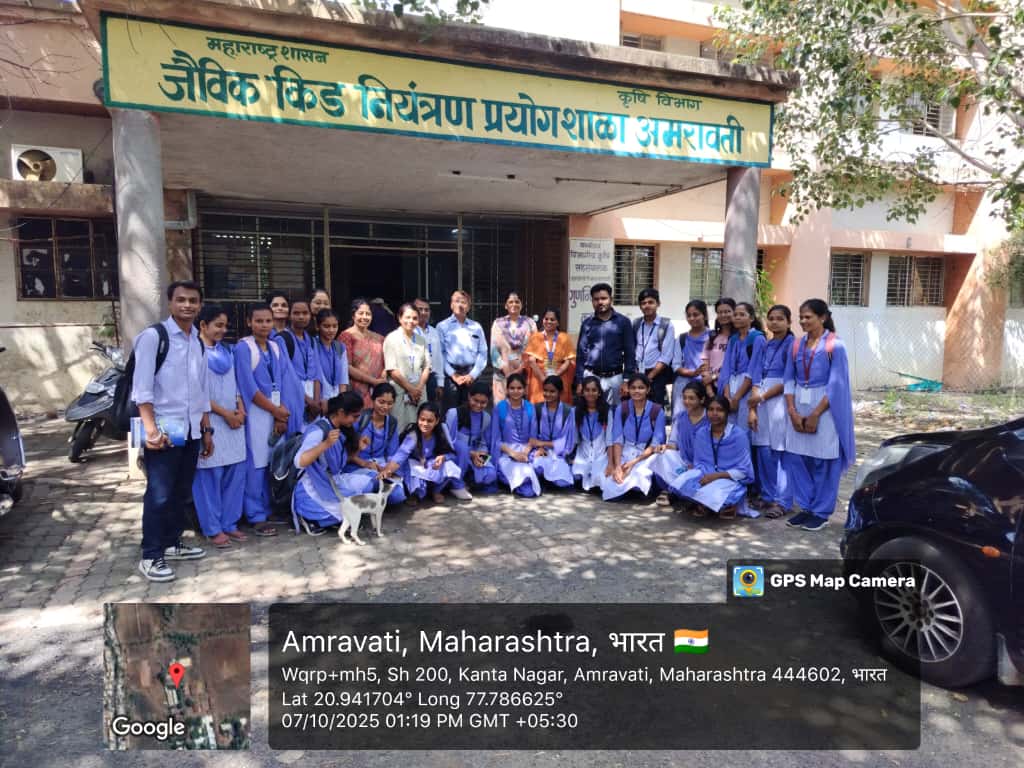 Biological Pest controlling Department Staffs and Students involved in Subject Discussion | 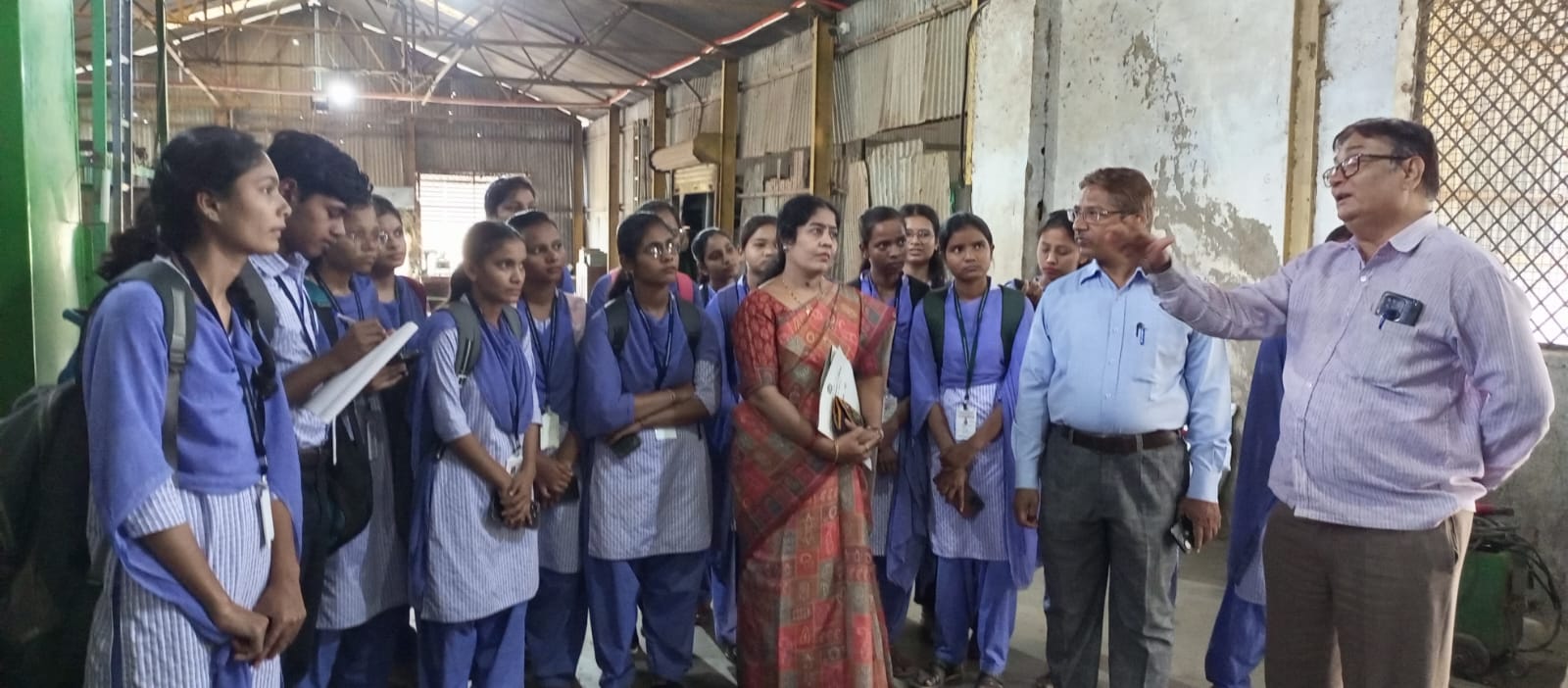 Staff ( Biological Pest controlling Department) Guiding the regarding Lab Set Up And Establishment |
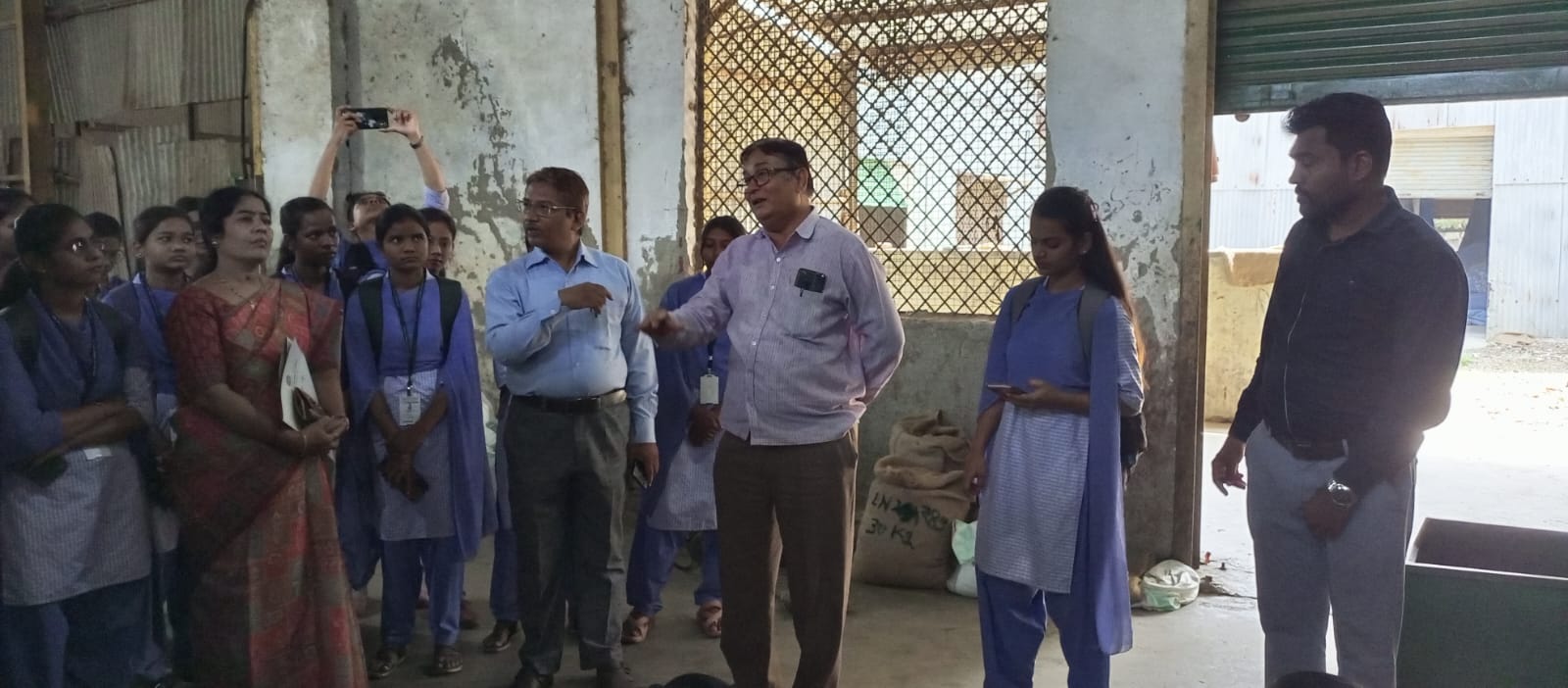 Students involve in Activity | 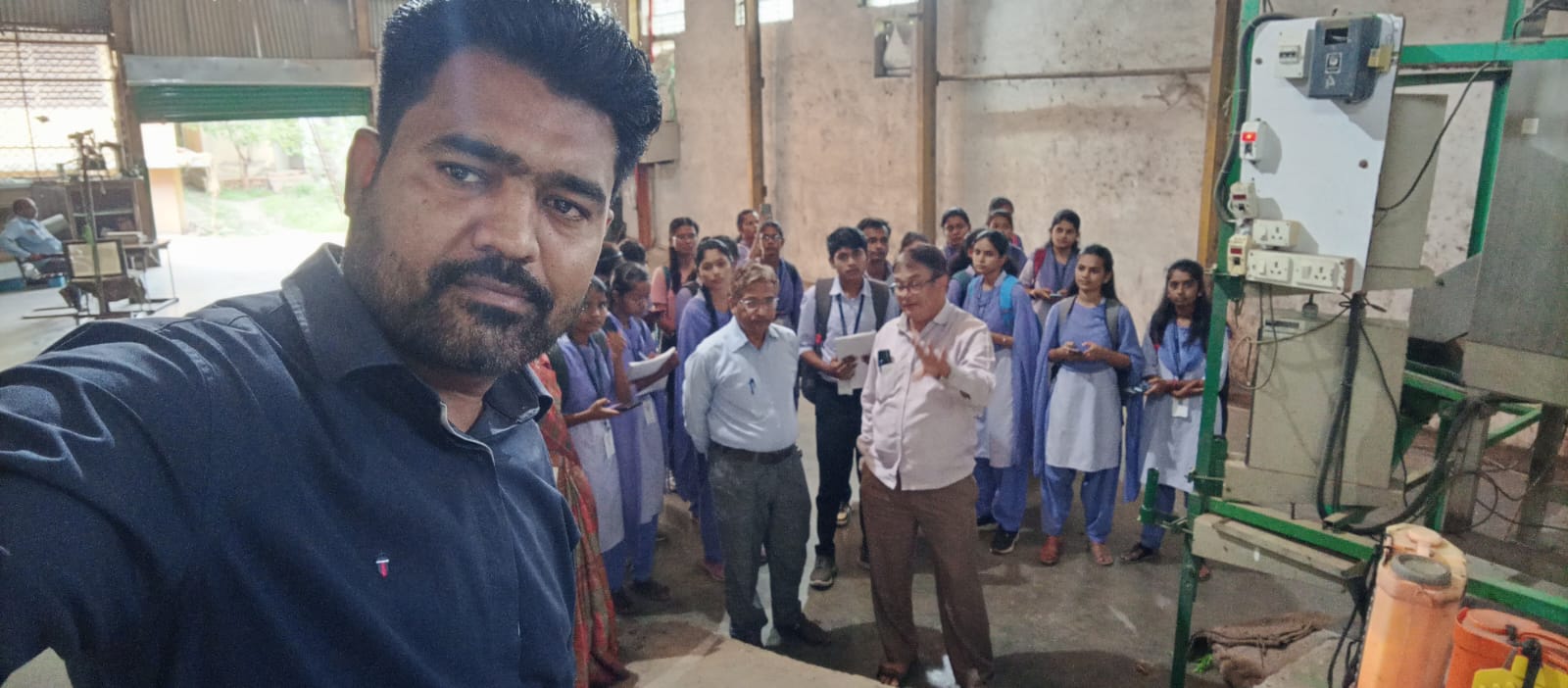 Students involve in Activity |
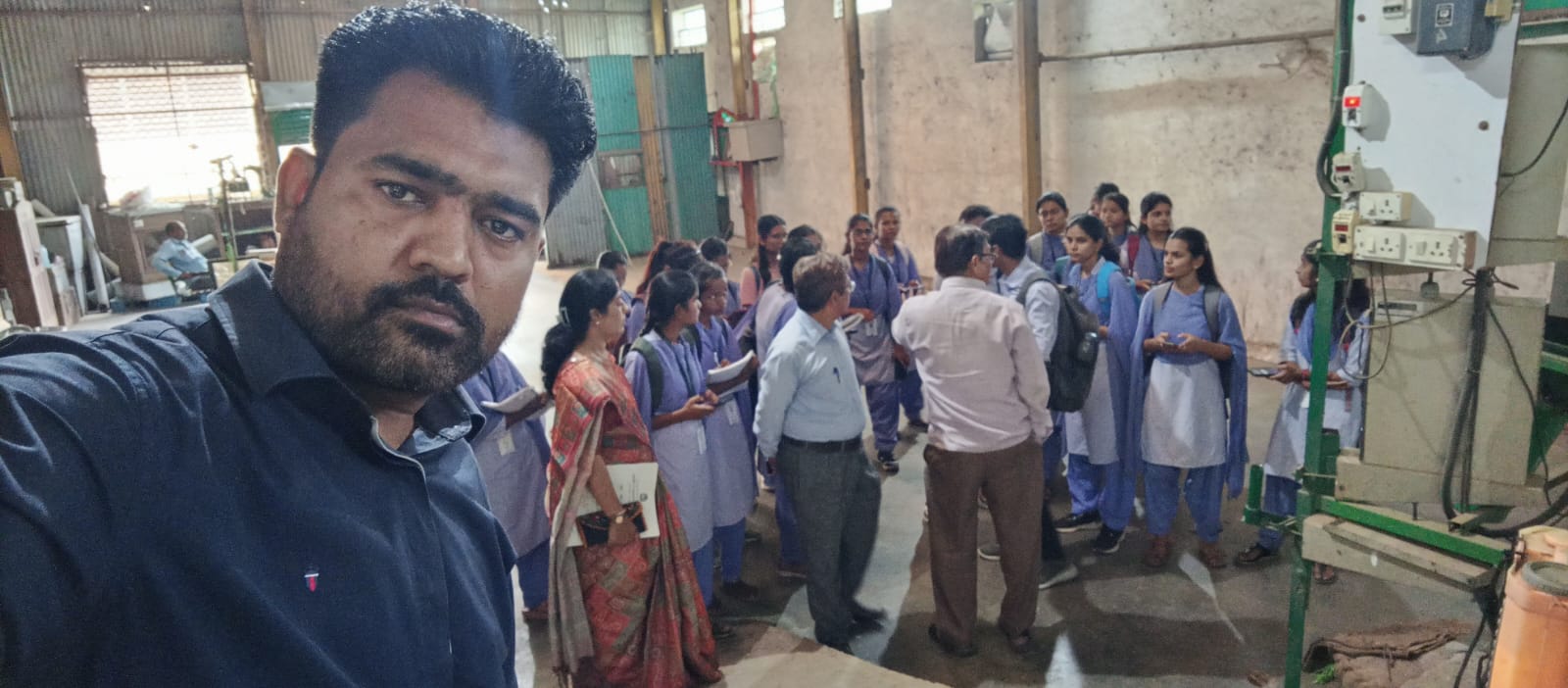 Students involve in Activity | 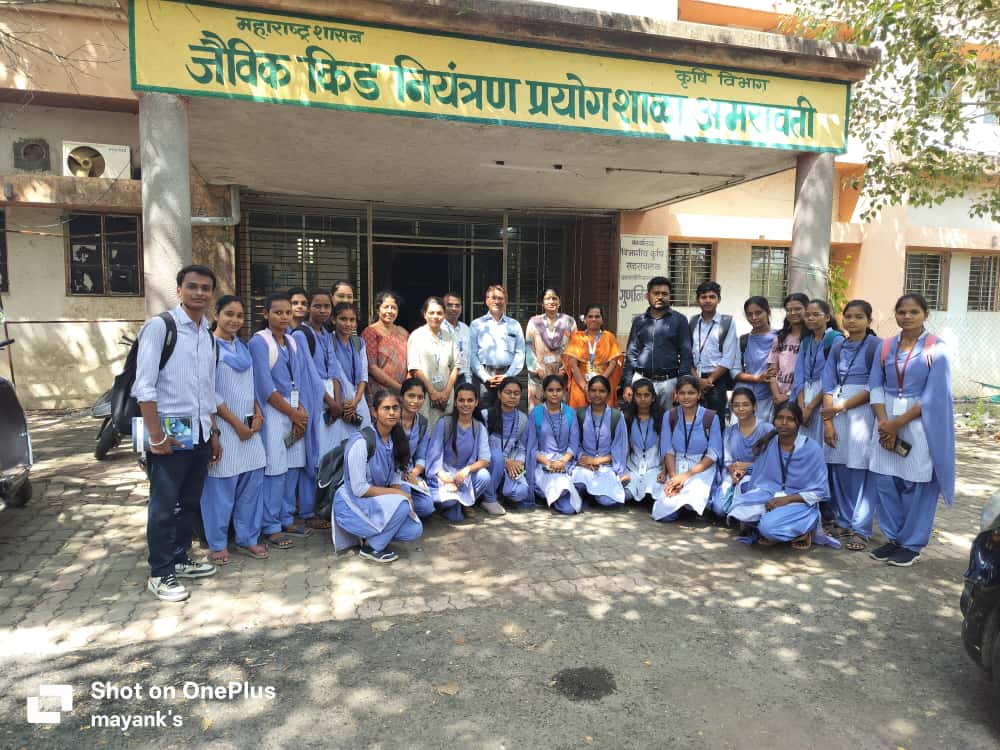 Votes of Tanks for Biological Pest controlling Department Staffs |
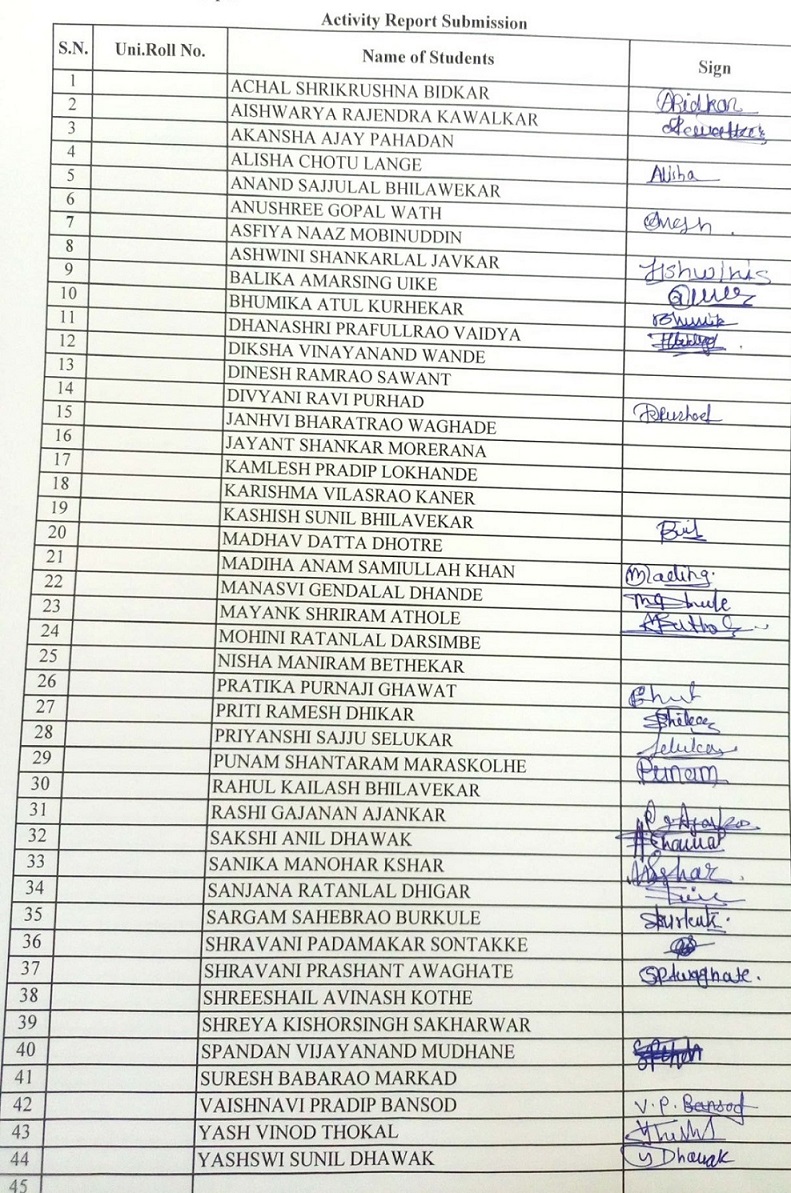
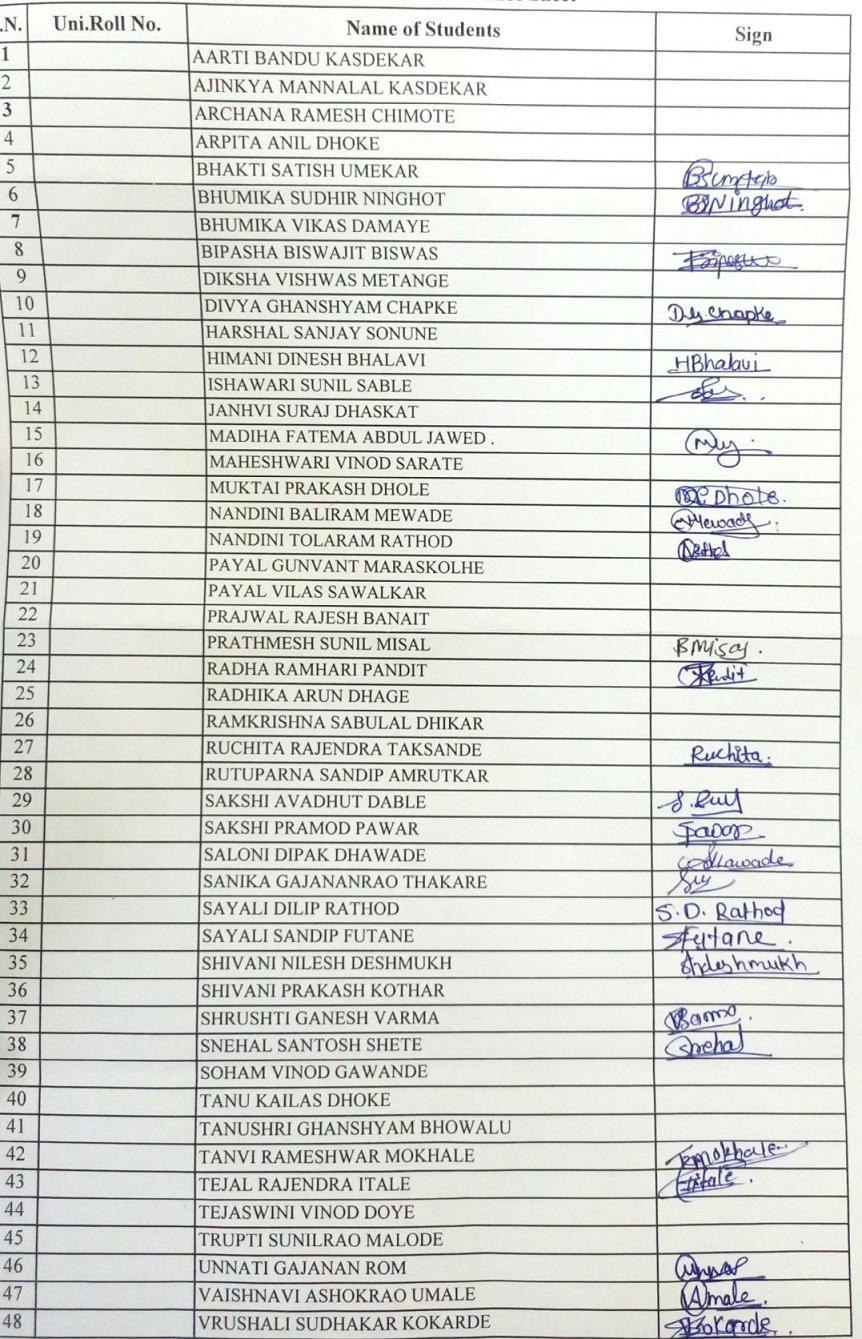
Attendance Sheet:
 |
 |
 |
 |
 |
 |
 |
 |