SHRI SHIVAJI SCIENCE COLLEGE, AMRAVATI
DBT STAR COLLEGE PROJECT ACTIVITY
ACTIVITY REPORT
BOTANICAL EXCURSION TO AMZARI, EAST MELGHAT
Activity Dates: 23rd September 2025
Type of Activity: Field Studies
Organizing Department: Department of Botany & Bioinformatics
Program Coordinators: Dr Ganesh B Hedawoo Dr. Prashant D Deshmukh Dr. Swati V Pundkar
Head of the Department: Dr. Dinesh D. Khedkar
External Collaborator (if any): No
Objectives:
- To provide practical exposure to plant biodiversity in a natural forest ecosystem.
- To develop skills in plant identification and floristic documentation.
- To introduce students to ethnobotanical knowledge, including medicinal uses of plants.
- To understand ecological relationships such as plant-animal interactions.
- 5. To train students in field techniques, including maintaining field notebooks and observation methods and To bridge the gap between classroom learning and real-world ecological studies
No of Beneficieries: for B.Sc. II Semester IV students
Classes Involved: 77
Venue of the Activity: AMZARI, EAST MELGHAT, DIST: AMRAVATI
Activity Report:
REPORT ON
BOTANICAL EXCURSION TO AMZARI, EAST MELGHAT
The Department of Botany, Shri Shivaji Science College, Amravati, successfully organized a Botanical Excursion to Amzari, East Melghat (Dist. Amravati) on 23rd September 2025 for the students of B.Sc. II (Semester IV). This excursion was designed as an integral component of the academic curriculum with the objective of providing experiential and field-based learning opportunities beyond the traditional classroom environment.
The study of Botany requires not only theoretical understanding but also practical exposure to natural ecosystems. Keeping this in view, the excursion was carefully planned to immerse students in the rich biodiversity of the Melghat forest region, which is known for its ecological significance and varied flora. The activity aimed to help students observe, analyze, and understand plant diversity, ecological relationships, and traditional plant uses in their natural habitat.
COMMENCEMENT OF THE EXCURSION:
On the day of the visit, all participating students assembled at the college main gate at 07:30 AM. After a brief orientation regarding safety guidelines, field discipline, and objectives of the excursion, the group departed for Amzari. The journey itself provided an opportunity for students to observe changes in vegetation patterns and landscape features as they moved from urban to forested regions.
Upon arrival at the Amzari forest area, students were introduced to the ecological characteristics of the region. Faculty members guided them in understanding the importance of Melghat as a biodiversity-rich zone, characterized by dry deciduous forests, varied plant species, and significant wildlife presence.
PROGRAM OBJECTIVES:
The botanical excursion was conducted with well-defined academic and skill-oriented objectives:
• To provide students with direct exposure to plant biodiversity in a natural forest ecosystem.
• To develop practical skills in plant identification based on morphological characteristics.
• To familiarize students with floristic diversity and vegetation types found in the Melghat region.
• To introduce students to ethnobotanical knowledge, including medicinal and economic uses of plants by local communities.
• To enhance understanding of ecological interactions, such as relationships between plants, animals, and the environment.
• To train students in field techniques, including systematic observation, data recording, and maintenance of field notebooks.
• To bridge the gap between theoretical knowledge and practical application in botanical sciences.
FIELD ACTIVITIES AND OBSERVATIONS:
During the excursion, students actively participated in a range of field activities. They explored different parts of the forest under the guidance of faculty members and observed a wide variety of plant species, including trees, shrubs, herbs, climbers, and grasses.
Students were encouraged to carefully examine plant structures such as leaves, stems, flowers, and fruits for identification purposes. They learned to recognize key morphological features such as leaf arrangement, venation patterns, inflorescence types, and reproductive structures. These observations helped reinforce classroom concepts related to taxonomy and plant morphology.
In addition to plant identification, students were introduced to ecological concepts such as species diversity, habitat variation, and adaptation. They observed how different plant species coexist and interact within the ecosystem. Discussions were held on topics like nutrient cycling, forest stratification, and the role of vegetation in maintaining ecological balance.
A significant component of the excursion was the study of ethnobotany. Students were informed about the traditional uses of various plants by local communities, particularly in medicine, food, and daily life. This aspect of learning helped them appreciate the cultural and socio-economic importance of plant resources.
PROGRAM OUTCOMES FOR UG STUDENTS:
The botanical excursion proved to be highly beneficial for undergraduate students, leading to several important learning outcomes:
• Students gained first-hand knowledge of forest biodiversity, which enhanced their understanding of plant diversity beyond textbooks.
• They developed the ability to identify plant species in their natural environment, improving their taxonomic skills.
• The exposure to ethnobotanical practices increased their awareness of the traditional uses and economic value of plants.
• Students developed a deeper understanding of ecosystem structure and ecological relationships, including plant-animal interactions.
• The activity improved their observation, analysis, and documentation skills, which are essential for scientific study.
• The excursion stimulated interest in field-based disciplines such as ecology, conservation biology, and environmental science.
SKILLS IMPARTED:
The excursion played a vital role in developing a wide range of academic and practical skills among students:
1. Field Identification Skills:
Students learned to identify plant species using observable morphological traits. This hands-on approach enhanced their confidence and accuracy in plant identification.
2. Documentation Skills:
Students were trained to record their observations systematically in field notebooks. They noted plant characteristics, habitat details, and ecological observations, which helped in developing scientific documentation practices.
3. Analytical Skills:
By observing ecological patterns and species interactions, students developed the ability to analyze biodiversity and understand environmental relationships critically.
4. Ethnobotanical Skills:
Students gained knowledge about the medicinal and economic uses of plants, fostering an appreciation for indigenous knowledge systems.
5. Practical Skills:
The excursion provided training in field survey techniques, sampling methods, and the application of botanical tools and methodologies.
6. Teamwork and Communication Skills:
Students worked in groups, shared observations, and discussed findings, which improved their teamwork, collaboration, and communication abilities.
EDUCATIONAL SIGNIFICANCE:
Such excursions play a crucial role in modern education by promoting experiential learning. Unlike classroom teaching, field visits allow students to directly interact with nature, making learning more engaging and meaningful. The experience of observing plants in their natural habitat helps students retain knowledge more effectively and develop a scientific attitude.
Moreover, exposure to natural ecosystems instills a sense of environmental responsibility and conservation awareness among students. Understanding the importance of biodiversity and the threats faced by ecosystems encourages them to contribute towards sustainable practices and environmental protection.
CONCLUSION:
The Botanical Excursion to Amzari, East Melghat, was a highly enriching and successful academic activity. It effectively fulfilled its objectives by providing students with valuable field experience and enhancing their understanding of plant biodiversity, ecology, and ethnobotany.
The excursion not only strengthened students’ academic knowledge but also helped in developing essential scientific skills and a deeper appreciation for nature. Such field-based programs are indispensable in botanical education as they bridge the gap between theory and practice.
Overall, the activity contributed significantly to the holistic development of students by fostering curiosity, critical thinking, and environmental awareness. It is recommended that similar excursions be conducted regularly to provide continuous opportunities for experiential learning and to inspire students towards careers in plant sciences and environmental conservation.
Outcomes:
- To provide practical exposure to plant biodiversity in a natural forest ecosystem.
- To develop skills in plant identification and floristic documentation.
- To introduce students to ethnobotanical knowledge, including medicinal uses of plants.
- To understand ecological relationships such as plant-animal interactions.
- To train students in field techniques, including maintaining field notebooks and observation methods and To bridge the gap between classroom learning and real-world ecological studies.
Photos:
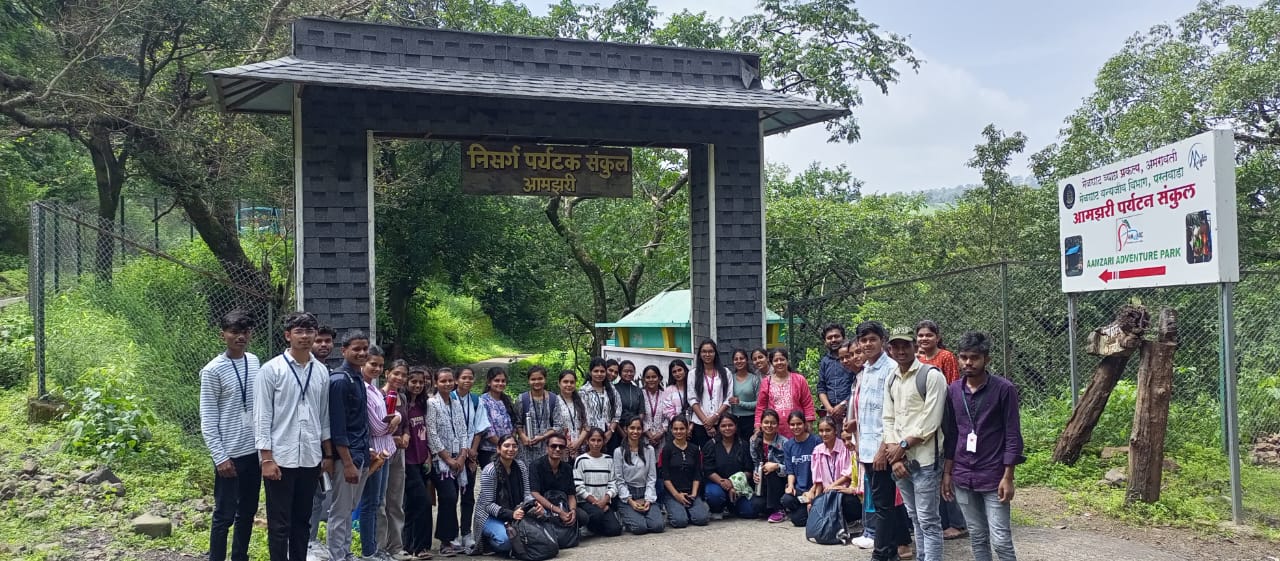 Documenting the florai Biodiversity in the Amzari East Melghat Region | 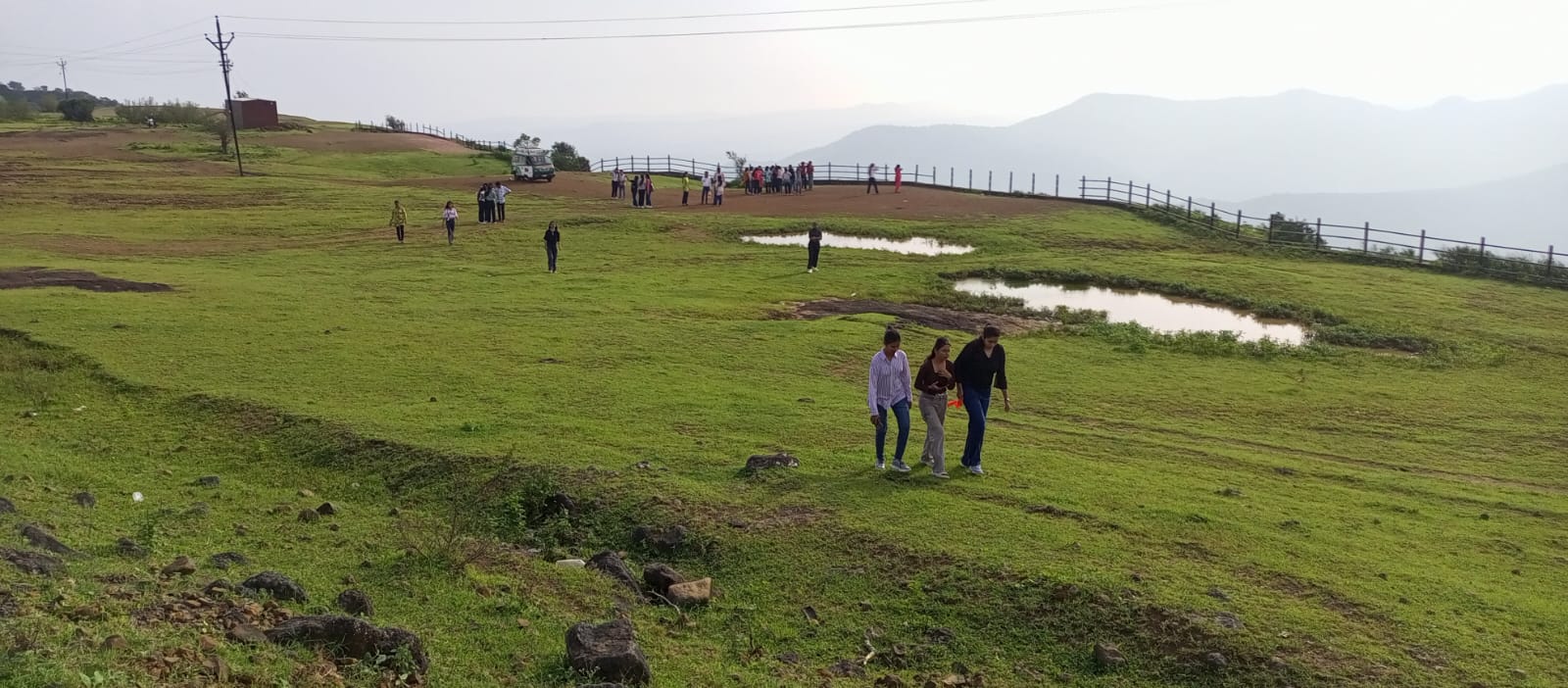 Students observing Grassland vegetation and its study |
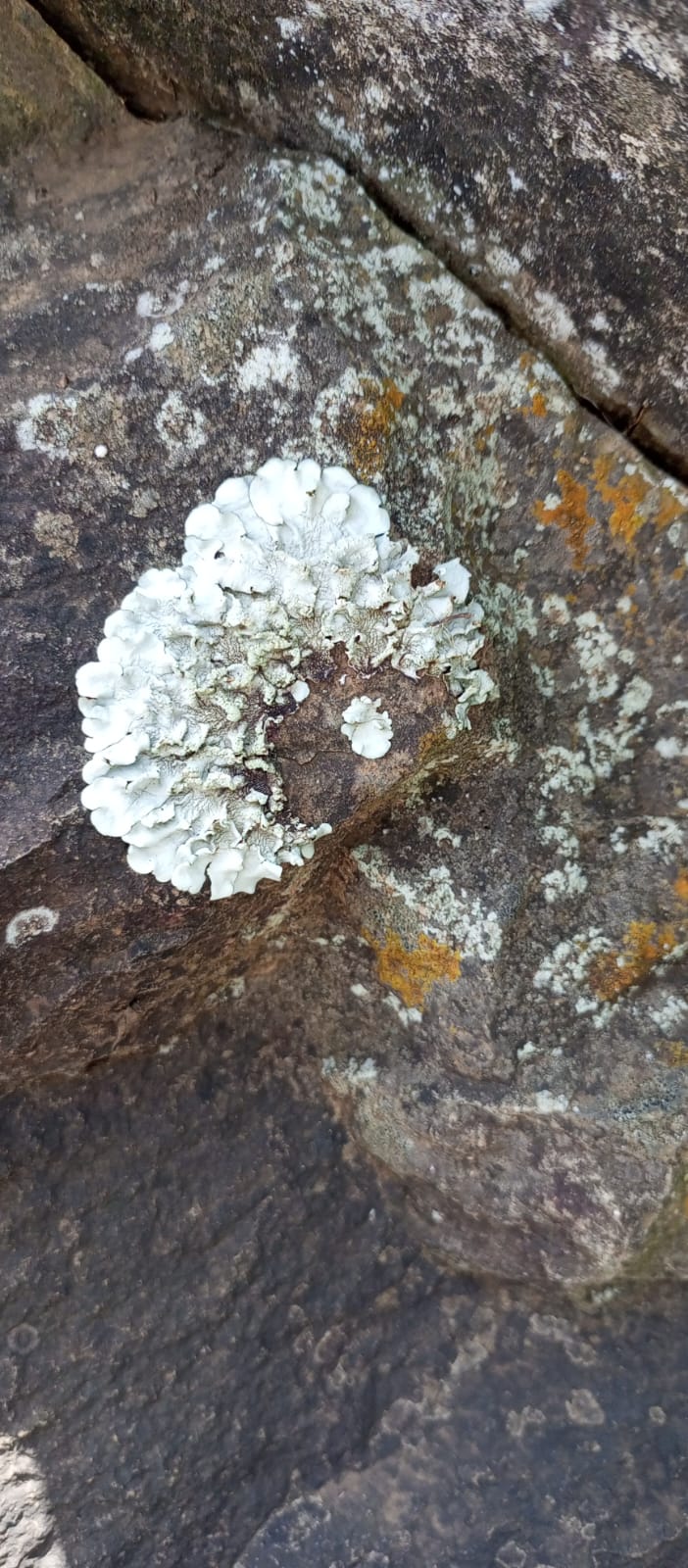 Lichens on the rock Sample | 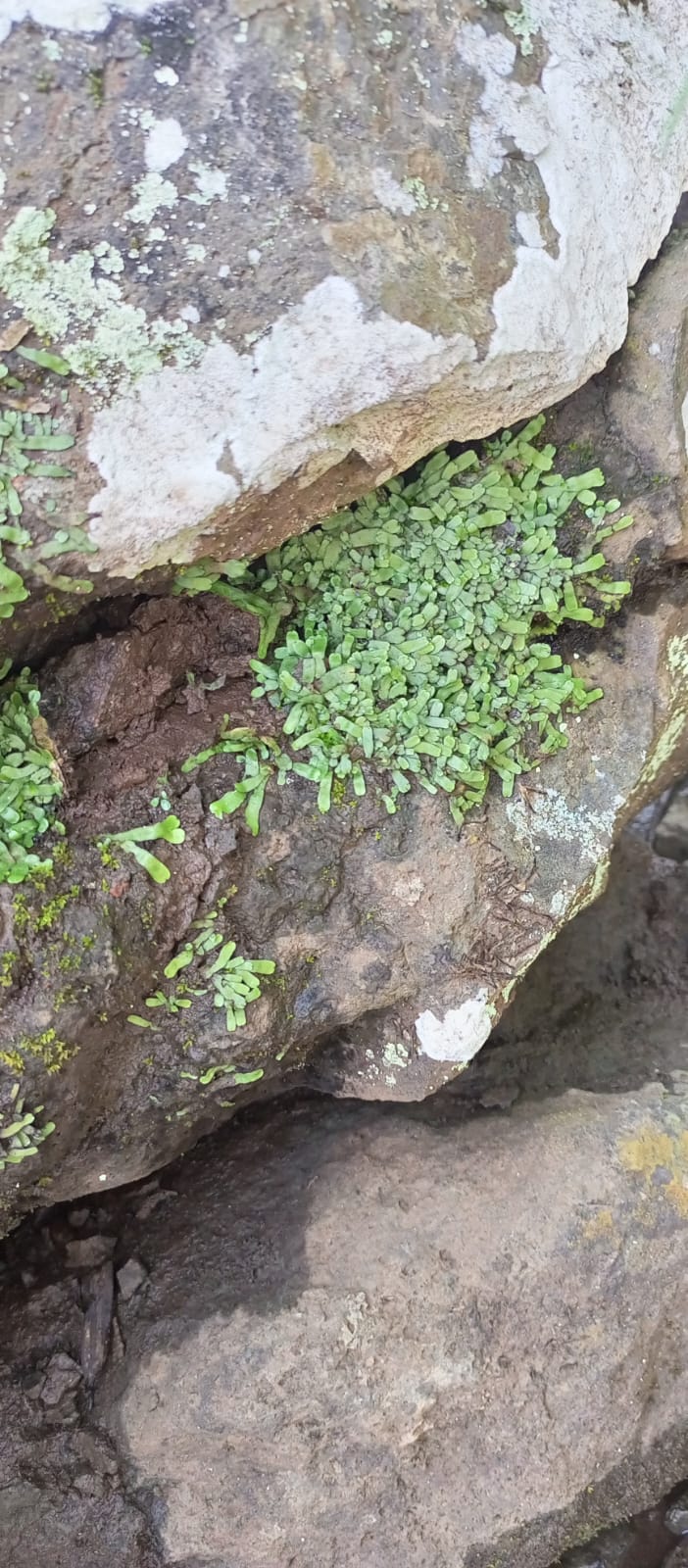 Sample of Bryophytes in its natural Habitat |
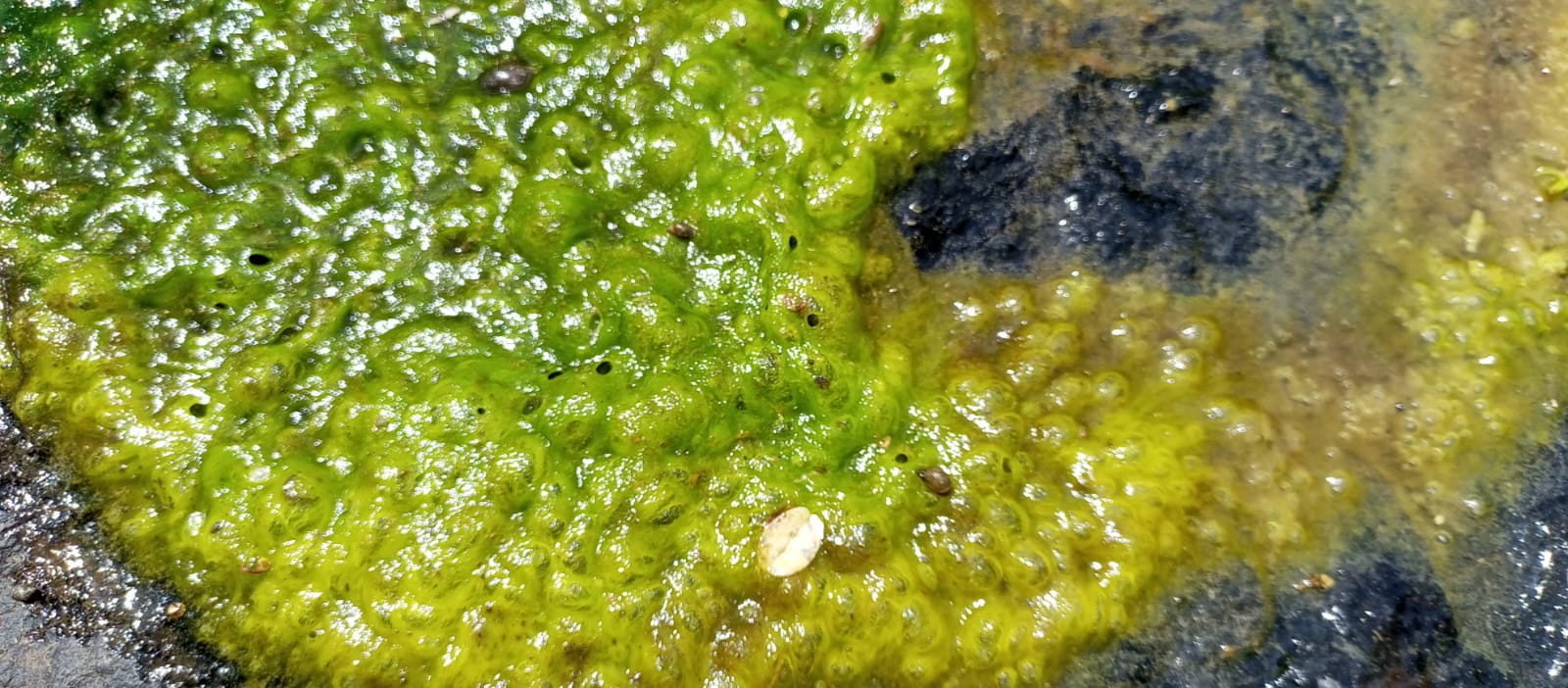 Sample of Algal Colony in its natural Habitat | 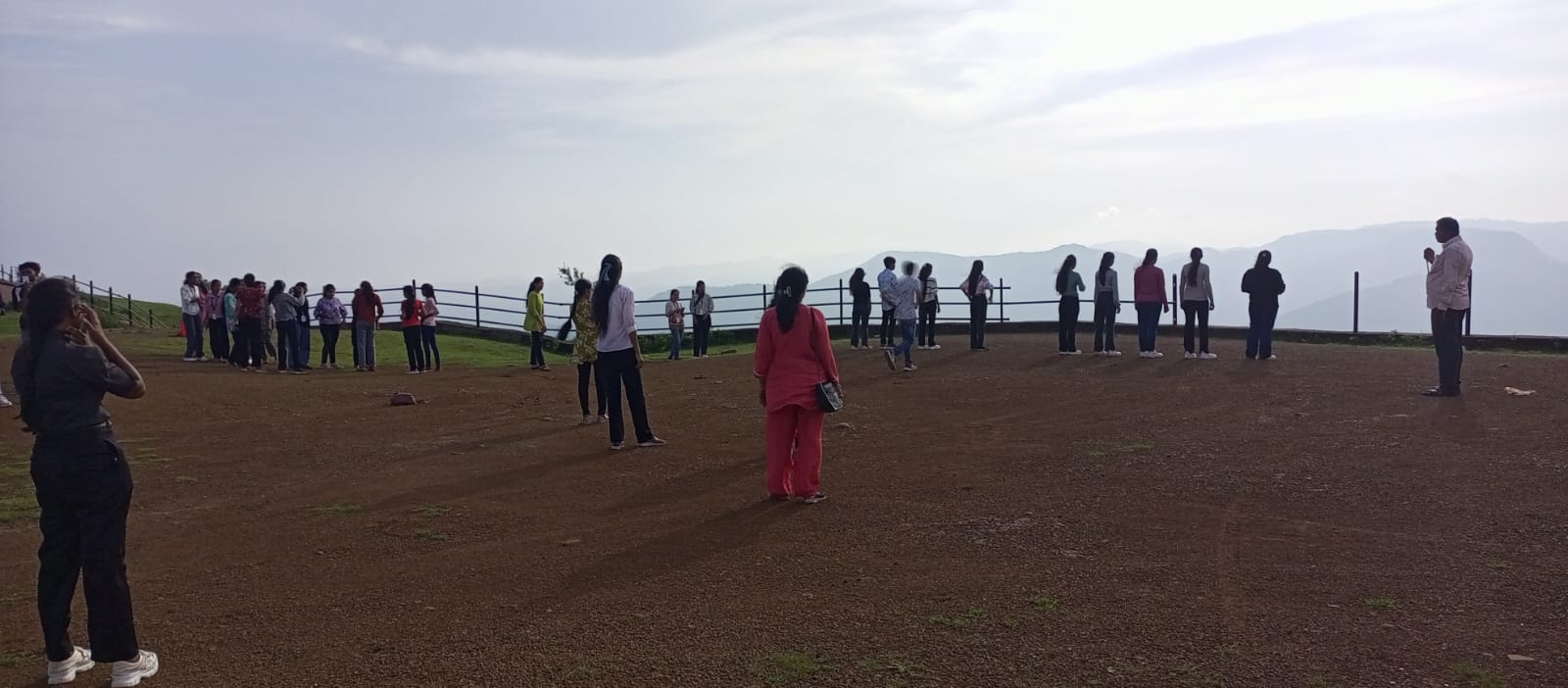 Diversity Exploration in border view |
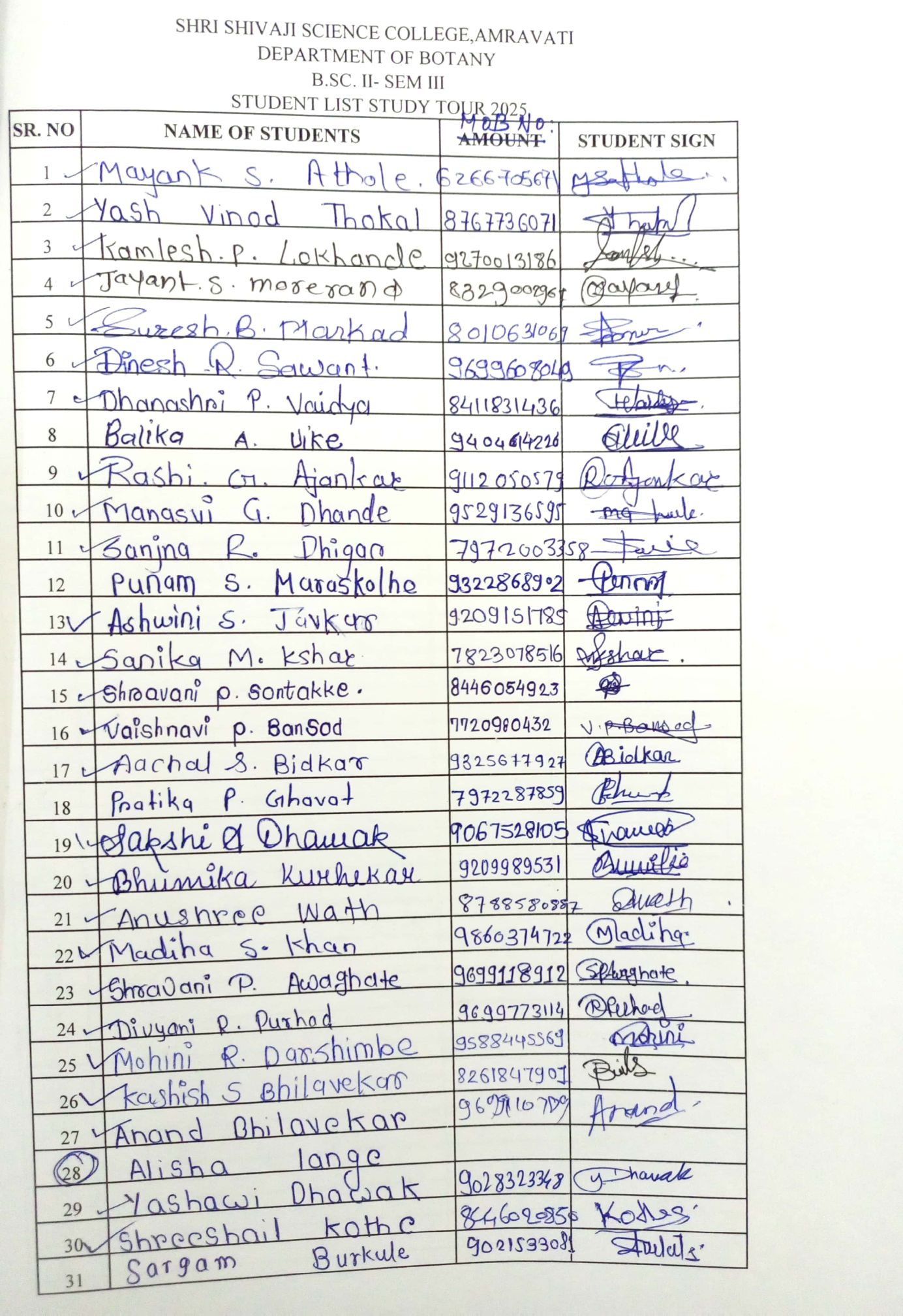
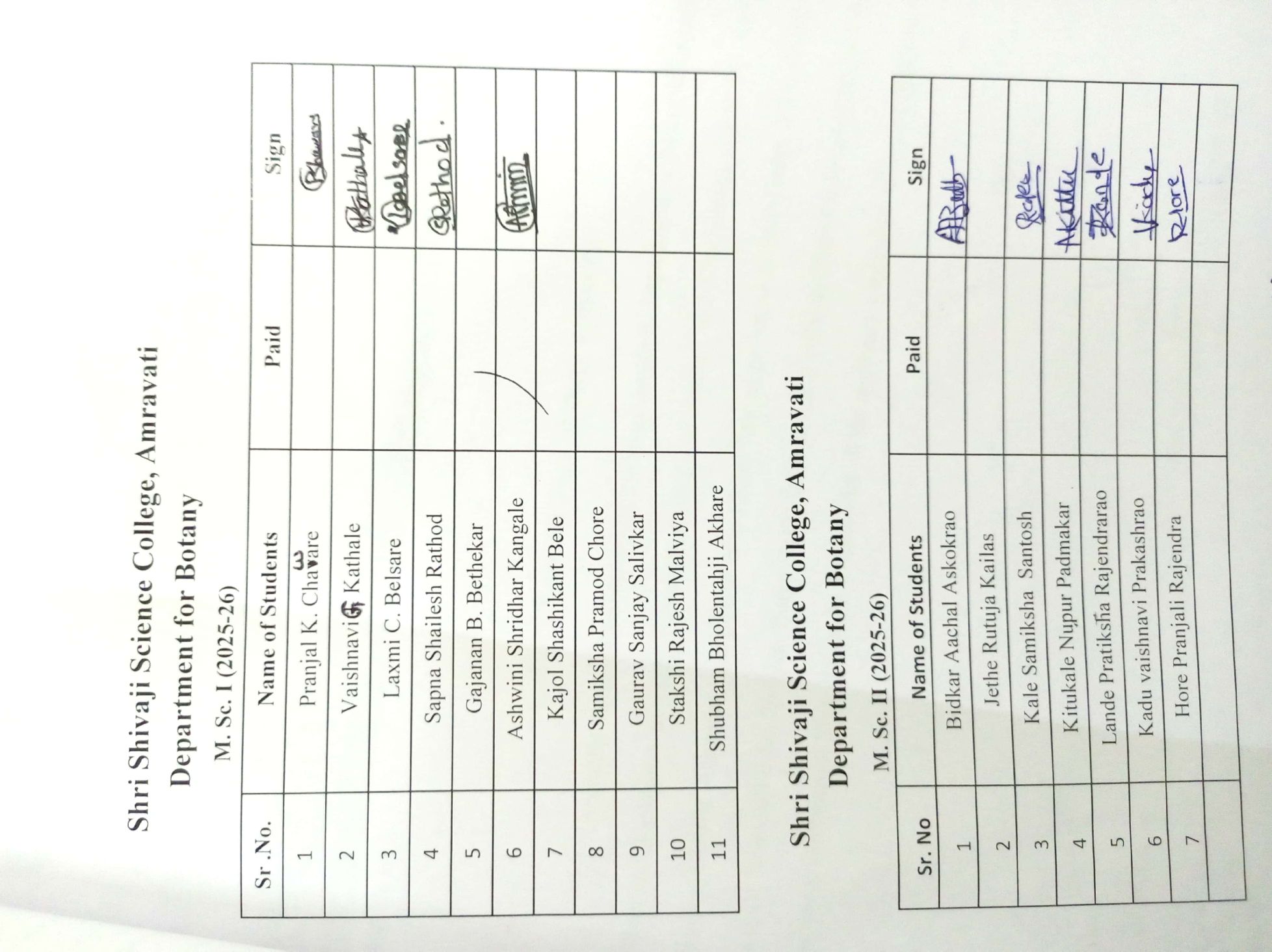
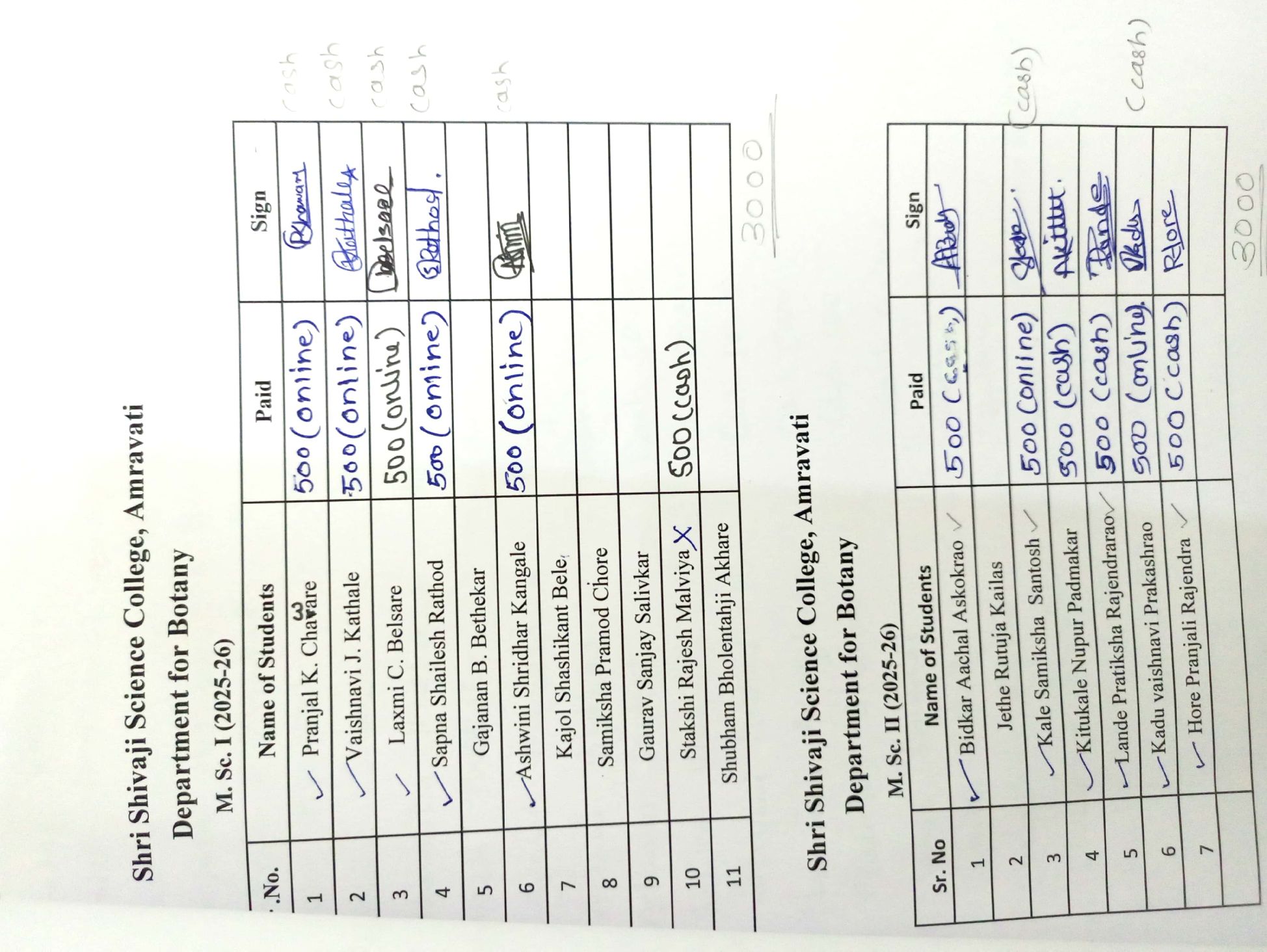
Attendance Sheet:
 |
 |
 |
 |
 |
 |
 |
 |