SHRI SHIVAJI SCIENCE COLLEGE, AMRAVATI
DBT STAR COLLEGE PROJECT ACTIVITY
ACTIVITY REPORT
Workshop on Phase Contrast Microscopy
Activity Dates: 28th August 2025
Type of Activity: Students Workshop
Organizing Department: Department of Microbiology
Program Coordinators: Dr. Ashruta A. Gawali
Head of the Department: DR. R. C. Maggirwar
External Collaborator (if any): No
Objectives:
- To introduce students to the basic principles and working of phase contrast microscopy.
- To enhance understanding of optical differences between bright-field and phase contrast microscopy.
- To provide hands-on training in handling and operating a phase contrast microscope.
- To enable students to observe live, unstained microbial specimens effectively.
- To familiarize students with the components and proper alignment of the microscope.
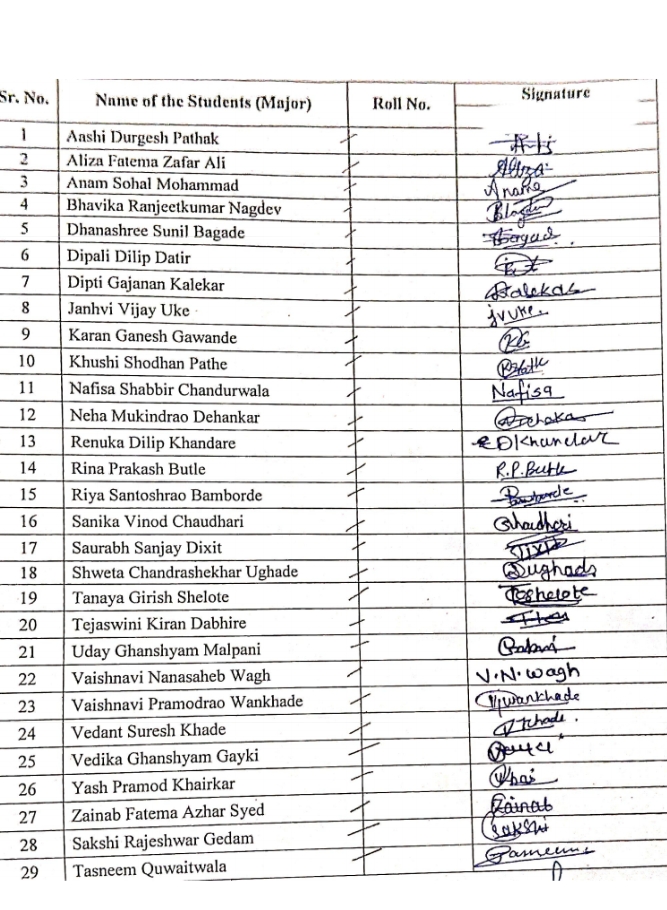
No of Beneficieries: 87
Classes Involved: B.Sc students
Venue of the Activity: Department of Microbiology, Shri Shivaji Science College, Amravati
Activity Report:
Report on Workshop on Phase Contrast Microscopy
Organized by the Department of Microbiology
Date: 25th August 2025
Venue: Department Laboratory
In Collaboration with CIC
The Department of Microbiology successfully organized a workshop on Phase Contrast Microscopy on 25th August 2025 for B.Sc. students. The workshop was conducted in the department laboratory in collaboration with the Central Instrumentation Centre (CIC). The Central Instrumentation Cell (CIC) is a specialized facility in educational and research institutions that provides access to advanced scientific instruments and technical support. Its main purpose is to support teaching, research, and practical training across different departments.
Functions of CIC
1. Maintenance and Management of Instruments
CIC is responsible for the proper functioning, calibration, and maintenance of sophisticated instruments such as microscopes, spectrophotometers, centrifuges, and analytical equipment. Regular servicing ensures accuracy and reliability of results.
2. Providing Technical Support
Trained technical staff assist students, researchers, and faculty in operating instruments correctly. They guide users in sample preparation, instrument handling, and troubleshooting.
3. Training and Workshops
CIC organizes workshops, hands-on training sessions, and demonstrations to educate students about advanced techniques and equipment. These programs help enhance practical skills and scientific understanding.
4. Resource Sharing
Instead of each department purchasing expensive instruments, CIC centralizes them, making them accessible to multiple departments. This promotes efficient utilization of resources and reduces costs.
5. Research Support
CIC plays a crucial role in supporting research activities by providing access to high-end instruments required for experimentation and data analysis.
6. Ensuring Safety and Standardization
CIC ensures that all instruments are used safely and according to standard protocols. This helps maintain consistency and accuracy in experimental work.
The primary objective of this workshop was to provide students with hands-on training and conceptual understanding of phase contrast microscopy, an essential technique widely used in microbiology for observing live, unstained specimens.
Phase contrast microscopy is a powerful optical technique that enhances the contrast of transparent and colorless specimens without the need for staining. This makes it especially useful in microbiology, where many organisms are difficult to observe under conventional bright-field microscopes. Understanding the principles and applications of this technique is crucial for students pursuing microbiology, as it plays a significant role in research and diagnostics.
The workshop commenced with an inaugural session where the Head of the Department welcomed the participants and highlighted the importance of microscopy techniques in microbiological studies. The significance of collaboration with CIC was also emphasized, as it provided access to advanced instrumentation and technical expertise.
The resource person for the workshop was an experienced faculty member/technical expert from CIC, who delivered an engaging introductory lecture. The session began with the basic principles of light microscopy and gradually progressed to the concept of phase contrast. The speaker explained how differences in refractive indices within a specimen lead to phase shifts in light waves, which are then converted into visible contrast through specialized optical components such as phase plates and annular diaphragms.
The theoretical session also covered the structure and working of a phase contrast microscope. Students were introduced to the various components, including the light source, condenser, objective lenses, and phase rings. The importance of proper alignment and calibration was discussed in detail, as even minor misalignments can significantly affect image quality. The advantages and limitations of phase contrast microscopy were also highlighted. While it allows observation of living cells in their natural state, it may produce halo effects and is not suitable for thick specimens.
Following the theoretical session, the workshop moved to the practical demonstration phase. Students were divided into small groups to ensure active participation and effective learning. Each group was given the opportunity to operate the phase contrast microscope under the guidance of experts. The hands-on session focused on preparing slides, adjusting the microscope, and observing different types of microbial samples.
Students observed live bacterial cultures, protozoa, and yeast cells using the phase contrast microscope. They were able to clearly visualize cellular structures, motility, and other dynamic processes that are not easily seen using standard microscopy techniques. The experience of observing living organisms in real-time was highly appreciated by the participants, as it enhanced their understanding of microbial behavior and physiology.
The technical staff from CIC played a crucial role in assisting students during the practical session. They provided step-by-step guidance on handling the equipment, ensuring safety, and maintaining the microscope. Students were also trained in troubleshooting common issues, such as improper illumination or misalignment of optical components.
An interactive question-and-answer session was conducted at the end of the workshop. Students actively participated by asking questions related to the applications of phase contrast microscopy in research, clinical diagnostics, and industrial microbiology. The resource person addressed these queries in detail, providing real-world examples and insights into current advancements in microscopy.
Phase contrast microscopy is a powerful technique used to observe transparent and living specimens without staining.
Major Advantages
1. Observation of Living Cells
One of the biggest advantages is that it allows the study of living cells in their natural state without killing or altering them through staining.
2. No Need for Staining
Many microorganisms are colorless and difficult to see under a normal microscope. Phase contrast enhances contrast without using dyes, saving time and preserving the specimen.
3. Enhanced Visibility of Internal Structures
It improves the visibility of internal cell components such as nucleus, vacuoles, and granules, which are otherwise difficult to observe.
4. Study of Cell Motility
It is very useful for observing movement in microorganisms like bacteria and protozoa, helping in understanding their behavior.
5. Real-Time Observation
Dynamic processes like cell division, cytoplasmic streaming, and metabolic activity can be observed in real time.
6. Minimal Sample Preparation
The technique requires very simple and quick sample preparation compared to other microscopy methods.
7. Useful in Microbiology and Medical Research
It is widely used in microbiology, cell biology, and clinical diagnostics for studying pathogens and cell morphology.
The workshop proved to be highly beneficial for the B.Sc. students. It bridged the gap between theoretical knowledge and practical application, enabling students to gain confidence in using advanced laboratory instruments. The exposure to sophisticated microscopy techniques is expected to enhance their academic performance and prepare them for future research endeavors.
Feedback collected from the participants indicated that the workshop was well-organized and informative. Students appreciated the clarity of explanations, the opportunity for hands-on learning, and the support provided by the faculty and CIC staff. Many participants expressed interest in attending similar workshops in the future to further develop their technical skills.
In conclusion, the workshop on Phase Contrast Microscopy was a successful academic activity that enriched the learning experience of undergraduate microbiology students. The collaboration with CIC added significant value by providing access to expertise and modern instrumentation. Such initiatives play a vital role in promoting experiential learning and fostering scientific curiosity among students.
The Department of Microbiology extends its sincere gratitude to the Central Instrumentation Centre for their collaboration and support. Appreciation is also extended to the resource person, faculty members, and technical staff who contributed to the successful execution of the workshop. The enthusiastic participation of the students made the event truly meaningful and impactful.
Images of the program :
Outcomes:
- Students gained a clear understanding of the principle and applications of phase contrast microscopy.
- Participants developed the ability to operate a phase contrast microscope independently.
- Students were able to observe and differentiate live microorganisms without staining.
- Enhanced skills in focusing, alignment, and handling of advanced microscopy equipment were achieved.
- Students developed confidence in performing microscopy-based experiments.
Photos:
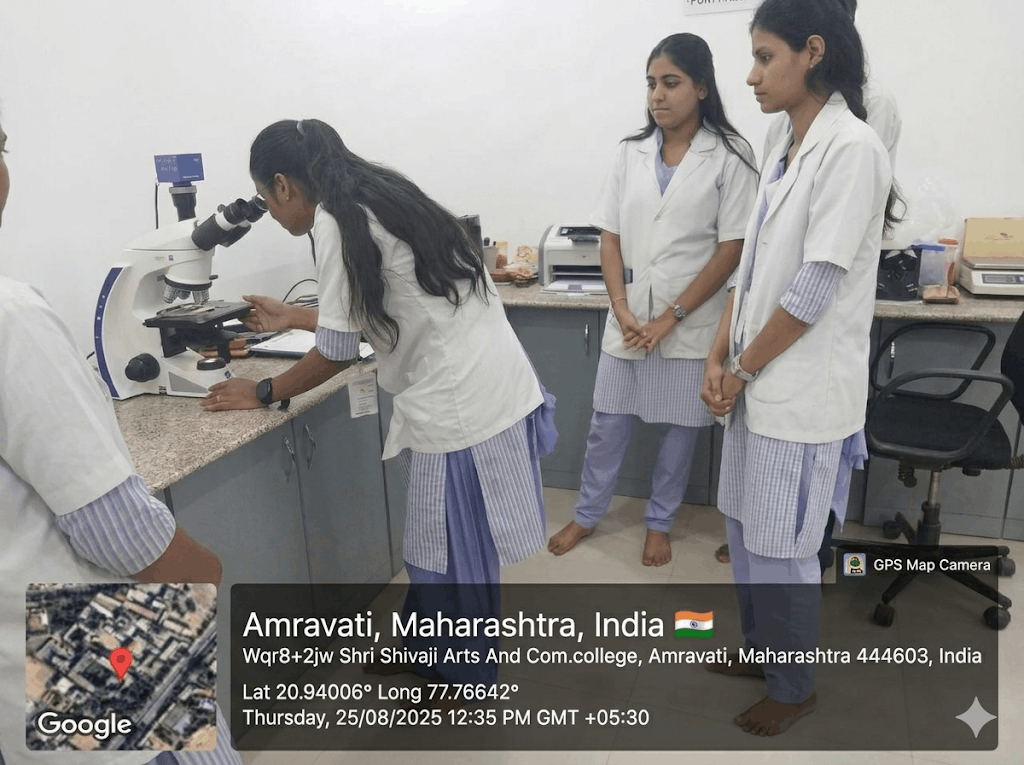 Hands-on training session on phase contrast microscope operation. | 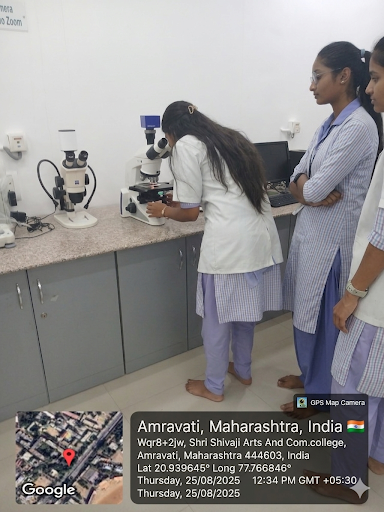 Students observing live microbial samples under phase contrast microscope. |
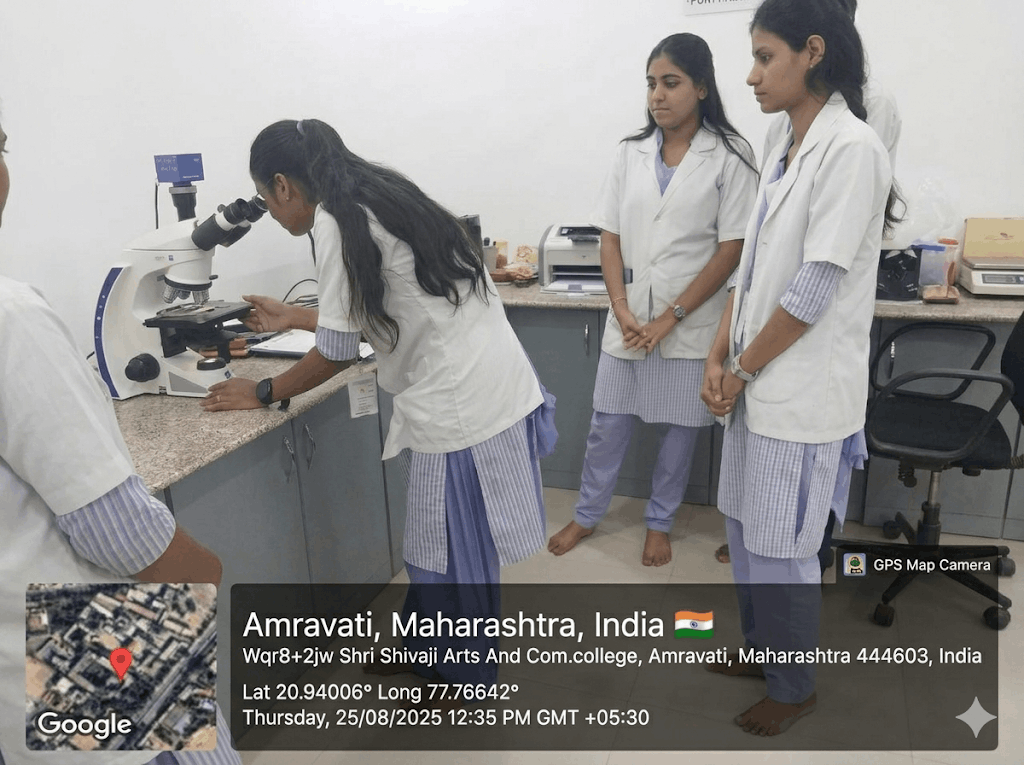 Demonstration of phase contrast microscopy by expert from CIC. | 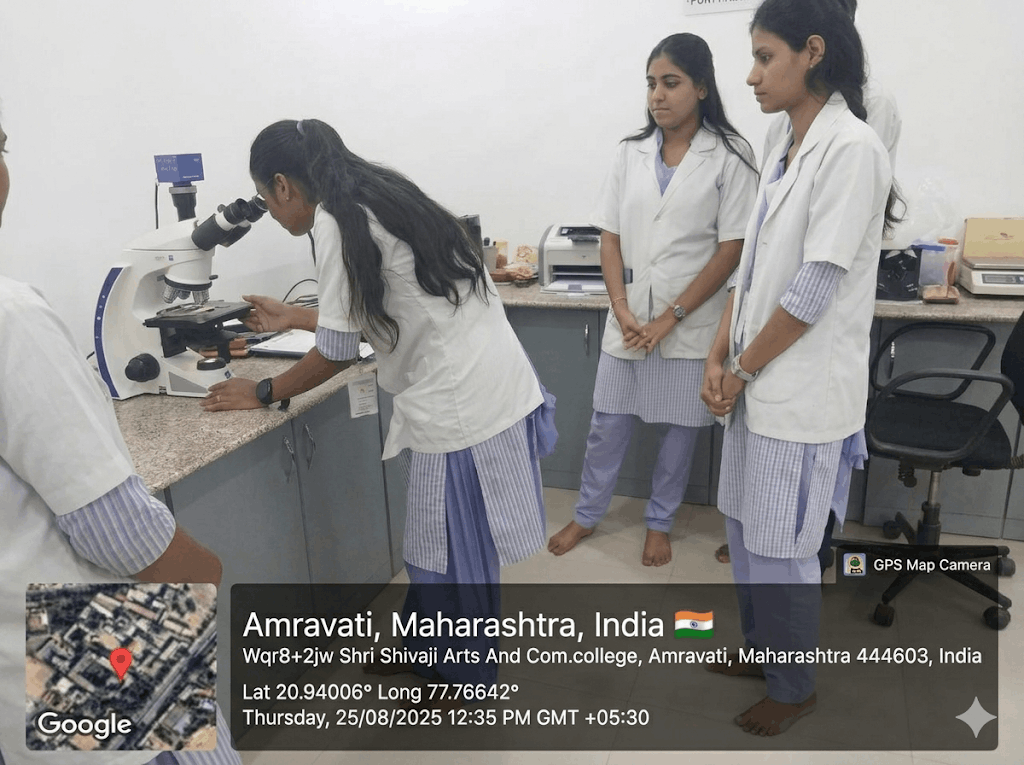 Participants actively engaged in slide preparation and observation. |
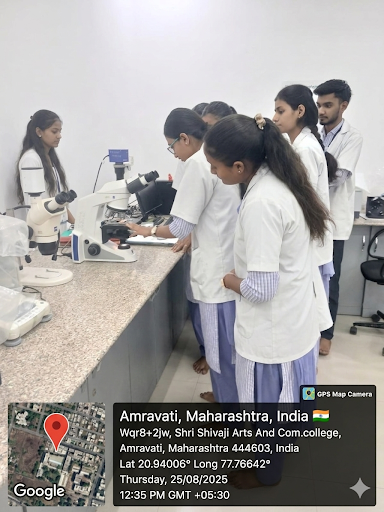 Students learning alignment and focusing techniques of the microscope. | 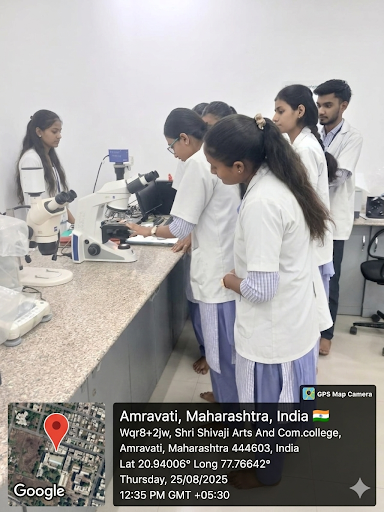 Clarification of student queries during the workshop. |
Attendance Sheet:
 |