SHRI SHIVAJI SCIENCE COLLEGE, AMRAVATI
DBT STAR COLLEGE PROJECT ACTIVITY
ACTIVITY REPORT
Report on Workshop on Designing and Developing Modern Pedagogical Tools
Activity Dates: 10th October 2025
Type of Activity: Faculty Development Program
Organizing Department: Department of Chemistry
Program Coordinators: Dr. Y. S. Thakare and Dr. A. M. Mopari
Head of the Department: Dr. P. R. Mandlik
External Collaborator (if any): -
Objectives:
- To introduce modern pedagogical tools in teaching and learning
- To promote technology-based and student-centered teaching methods
- To enhance conceptual understanding among students
- To encourage active learning, collaboration, and creativity
- To train teachers in the use of multimedia, simulations, and digital tools
No of Beneficieries: 60
Classes Involved: Teachers
Venue of the Activity: Computer lab, Shri Shivaji Science College, Amravati
Activity Report:
Report on Workshop on Designing and Developing Modern Pedagogical Tools
Introduction
Education plays a vital role in shaping the future of society, and with rapid advancements in technology, the methods of teaching and learning are continuously evolving. Traditional teaching methods are gradually being replaced by modern pedagogical techniques that focus on student engagement, creativity, and conceptual understanding. In this context, a one-day workshop titled “Workshop on Designing and Developing Modern Pedagogical Tools” was successfully organized on 10th October 2025 by the Department of Chemistry, Shri Shivaji Science College, Amravati.
The workshop was conducted under the DBT Star College Activity Program, an initiative aimed at strengthening science education by introducing innovative teaching practices and enhancing the quality of education at various academic levels. The main purpose of organizing this workshop was to equip teachers with knowledge and skills related to modern pedagogical tools that enhance teaching effectiveness and improve student learning outcomes.
The workshop provided a valuable platform for educators from different institutions to come together, share ideas, learn new techniques, and explore innovative teaching strategies. It emphasized the importance of integrating technology into teaching to make learning more interactive, engaging, and student-centered.
Objectives of the Workshop
The workshop was organized with several important objectives aimed at improving teaching methods and promoting the use of modern tools in education. The key objectives included:
1. To introduce modern pedagogical tools and their applications in classroom teaching.
2. To promote the use of technology-based teaching methods that enhance student participation and engagement.
3. To improve conceptual understanding among students through interactive and practical learning methods.
4. To encourage teachers to adopt innovative teaching strategies such as multimedia presentations, simulations, and digital tools.
5. To create awareness about student-centered learning approaches that focus on active participation rather than passive listening.
6. To develop teachers’ skills in designing and implementing modern teaching materials that make learning more effective.
7. To enhance collaboration among educators and provide opportunities to exchange teaching experiences and ideas.
These objectives clearly reflected the importance of adopting modern educational practices to meet the demands of contemporary education systems.
Inaugural Session
The workshop began with an inspiring inaugural session that set the tone for the entire program. The session was addressed online by the chief guest, Dr. Aseem Auti, Principal Technical Officer at IISER Pune. In his keynote address, he highlighted the significance of modernizing teaching methods in response to rapid technological changes in the education sector.
Dr. Auti emphasized that traditional lecture-based teaching methods are no longer sufficient to meet the needs of modern learners. He stressed the importance of adopting new technologies that enhance students’ conceptual understanding and creativity. According to him, interactive learning methods, hands-on practice, and collaborative activities play a crucial role in increasing student engagement and promoting confident learning.
He further explained that teachers must continuously upgrade their skills and adopt innovative approaches to remain effective educators. The integration of digital tools, multimedia content, and virtual learning platforms can significantly improve the quality of teaching and learning.
The Principal of Shri Shivaji Science College, Dr. G. V. Korpe, also addressed the gathering and emphasized the importance of innovation in education. He stated that modern teaching techniques are essential for developing critical thinking, creativity, and confidence among students. He also highlighted the role of initiatives under the DBT Star College Scheme in improving educational standards at national and international levels.
Participation and Engagement
The workshop received an overwhelming response from educators across the region. A total of 74 faculty members and teachers from various colleges, junior colleges, and high schools participated in the workshop. Their enthusiastic participation reflected the growing interest among teachers in learning modern teaching techniques.
Participants actively engaged in various sessions and discussions, sharing their experiences and challenges faced in traditional teaching methods. The workshop provided them with an opportunity to interact with experts and learn practical methods to improve classroom teaching.
Teachers appreciated the interactive nature of the sessions, which encouraged open discussion and exchange of ideas. Such participation helped create a collaborative learning environment where educators could learn from each other and gain new perspectives.
Key Sessions and Expert Contributions
The workshop included several informative sessions conducted by distinguished guests and experts in the field of education. These sessions focused on modern teaching methodologies and their practical applications.
Role of Teachers in Modern Education
The Workshop President, Dr. S. P. Ingole, emphasized the changing role of teachers in modern education. He stated that teachers should move beyond traditional lecture-based teaching and actively involve students in the learning process. According to him, students learn more effectively when they participate in activities, discussions, and problem-solving tasks.
He also highlighted the importance of using modern tools such as models, multimedia presentations, and digital resources to make teaching more appealing and effective. These tools help simplify complex concepts and improve students’ understanding.
Active Learning and Inquiry-Based Teaching
Another important session was conducted by Dr. Manva Divekar, Senior Teaching Associate at IISER Pune. She discussed the importance of active learning and inquiry-based teaching methods in modern education.
Dr. Divekar explained that active learning encourages students to think critically and participate actively in classroom activities. She introduced the concept of inquiry-based teaching, where students are encouraged to ask questions, explore concepts, and discover solutions independently.
She also emphasized the use of concept mapping, a visual tool that helps students organize information and understand relationships between different concepts. According to her, concept mapping improves memory retention and enhances problem-solving skills.
Her session provided practical examples of how teachers can implement these techniques in their classrooms to create an engaging learning environment.
Use of Digital Tools and Virtual Laboratories
The Head of the Department of Chemistry, Dr. P. R. Mandlik, introduced participants to the use of digital tools and virtual laboratories in education. He explained that modern pedagogical tools play a crucial role in making education more understandable and attractive.
He discussed the benefits of using:
• Digital tools for interactive teaching
• Simulations to demonstrate scientific concepts
• Project-based learning to encourage creativity
• Virtual laboratories to conduct experiments safely and efficiently
These methods allow students to explore scientific concepts in a practical and engaging manner. Virtual laboratories, in particular, are useful in situations where physical laboratory resources are limited.
Dr. P. R. Mandlik,encouraged teachers to make maximum use of technology to improve the effectiveness of their teaching methods.
Workshop Coordination and Management
The successful organization of the workshop was the result of the dedicated efforts of several coordinators and supporting staff members.
The workshop was coordinated by Dr. Y. S. Thakare and Dr. A. M. Mopari, who played a significant role in planning and executing the event. Their efforts ensured that all sessions were conducted smoothly and efficiently.
The proceedings of the workshop were effectively conducted by Prof. K. V. Kumbhalkar, who maintained the flow of the program and ensured proper coordination between speakers and participants.
Valuable support was provided by:
• Dr. N. H. Bansod, Departmental DBT Coordinator
• Dr. D. D. Khedkar, DBT Star Project Coordinator
Their contributions were instrumental in ensuring the success of the workshop.
Learning Outcomes of the Workshop
The workshop proved to be highly beneficial for all participants. It provided valuable insights into modern teaching methods and tools that can enhance the learning experience of students.
Some of the major learning outcomes included:
1. Increased awareness about modern pedagogical tools and their importance.
2. Improved understanding of student-centered teaching methods.
3. Knowledge about integrating technology into classroom teaching.
4. Enhanced ability to design engaging and interactive lessons.
5. Greater confidence among teachers in using digital tools and multimedia resources.
6. Development of collaborative skills through interaction with fellow educators.
Participants gained practical knowledge that they could implement in their classrooms to improve teaching effectiveness.
Feedback from Participants
At the end of the workshop, participants shared their experiences and feedback regarding the sessions. Most participants expressed satisfaction with the organization and content of the workshop.
They appreciated:
• The informative and interactive sessions
• The opportunity to learn from experienced educators
• The practical examples provided during the workshop
• The focus on modern teaching tools and innovative methods
Many participants expressed their desire for similar workshops to be conducted regularly. They also pledged to adopt modern technologies and innovative tools in their teaching practices.
The positive feedback reflected the success of the workshop in achieving its objectives.
Impact of the Workshop on Teaching Practices
The workshop had a significant impact on the participants’ understanding of modern teaching practices. It encouraged teachers to rethink their traditional teaching methods and adopt more effective strategies.
Teachers learned how to:
• Use multimedia tools to enhance presentations
• Incorporate interactive activities into lessons
• Encourage student participation and collaboration
• Use digital simulations to explain complex concepts
• Apply project-based learning techniques
These practices are expected to improve student engagement and academic performance.
The workshop also promoted the idea of continuous professional development among teachers, encouraging them to stay updated with the latest advancements in education.
Conclusion
The Workshop on Designing and Developing Modern Pedagogical Tools, held on 10th October 2025 at Shri Shivaji Science College, Amravati, was a highly successful and meaningful event. It provided educators with valuable knowledge and practical skills related to modern teaching techniques.
The workshop highlighted the importance of adopting technology-based teaching methods to create an engaging and effective learning environment. It also emphasized the role of teachers in fostering creativity, critical thinking, and independent learning among students.
Overall, the workshop proved to be inspirational, informative, and knowledge-enhancing. It marked a significant step toward improving the quality of education through the use of modern pedagogical tools and innovative teaching methods.
Participants left the workshop with renewed enthusiasm and a commitment to implement the newly learned techniques in their classrooms. Such initiatives play a crucial role in transforming education and preparing students for the challenges of the modern world.
Outcomes:
- Increased awareness about modern pedagogical tools and their importance.
- Improved understanding of student-centered teaching methods.
- Knowledge about integrating technology into classroom teaching.
- Enhanced ability to design engaging and interactive lessons.
- Development of collaborative skills through interaction with fellow educators
Photos:
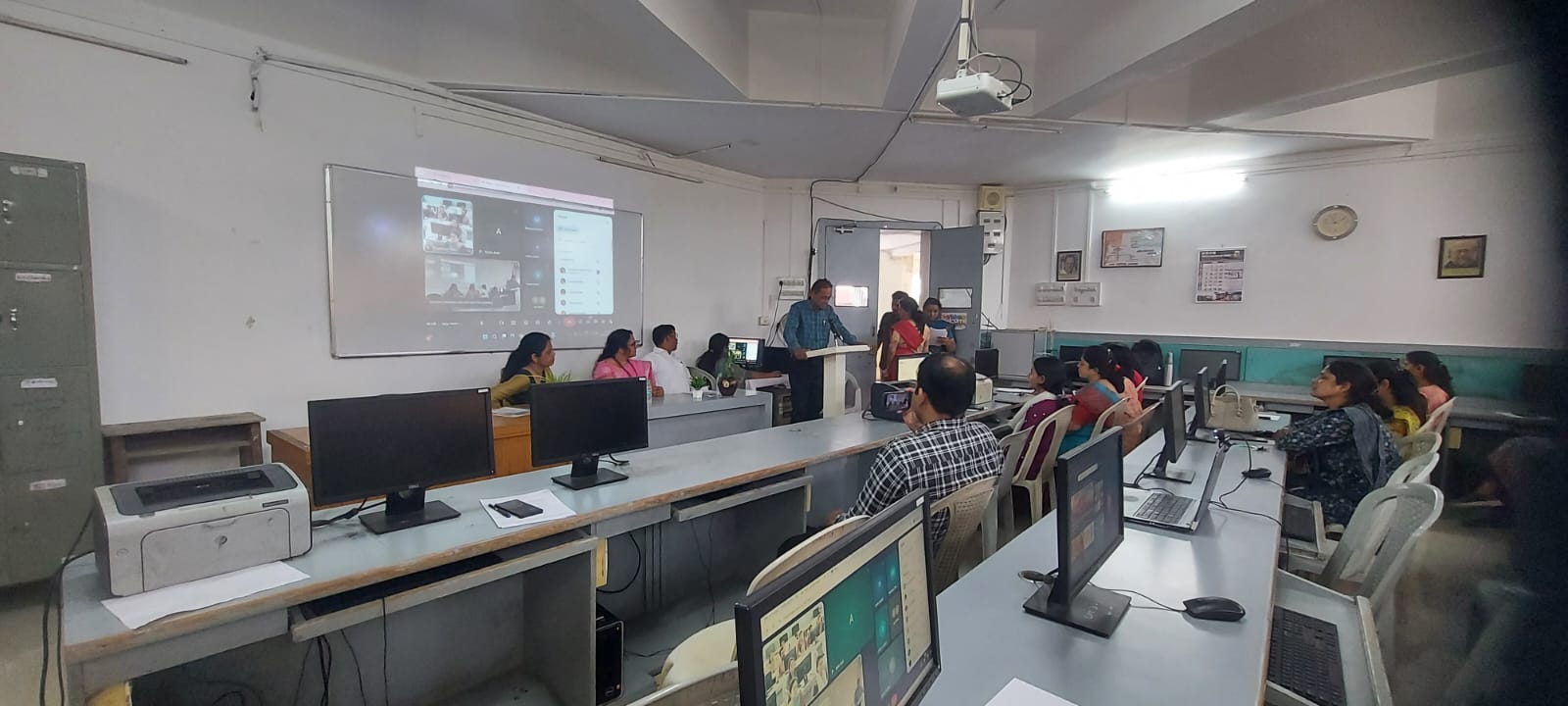 SESSION 1 Conducted BY Dr.Asim Auti | 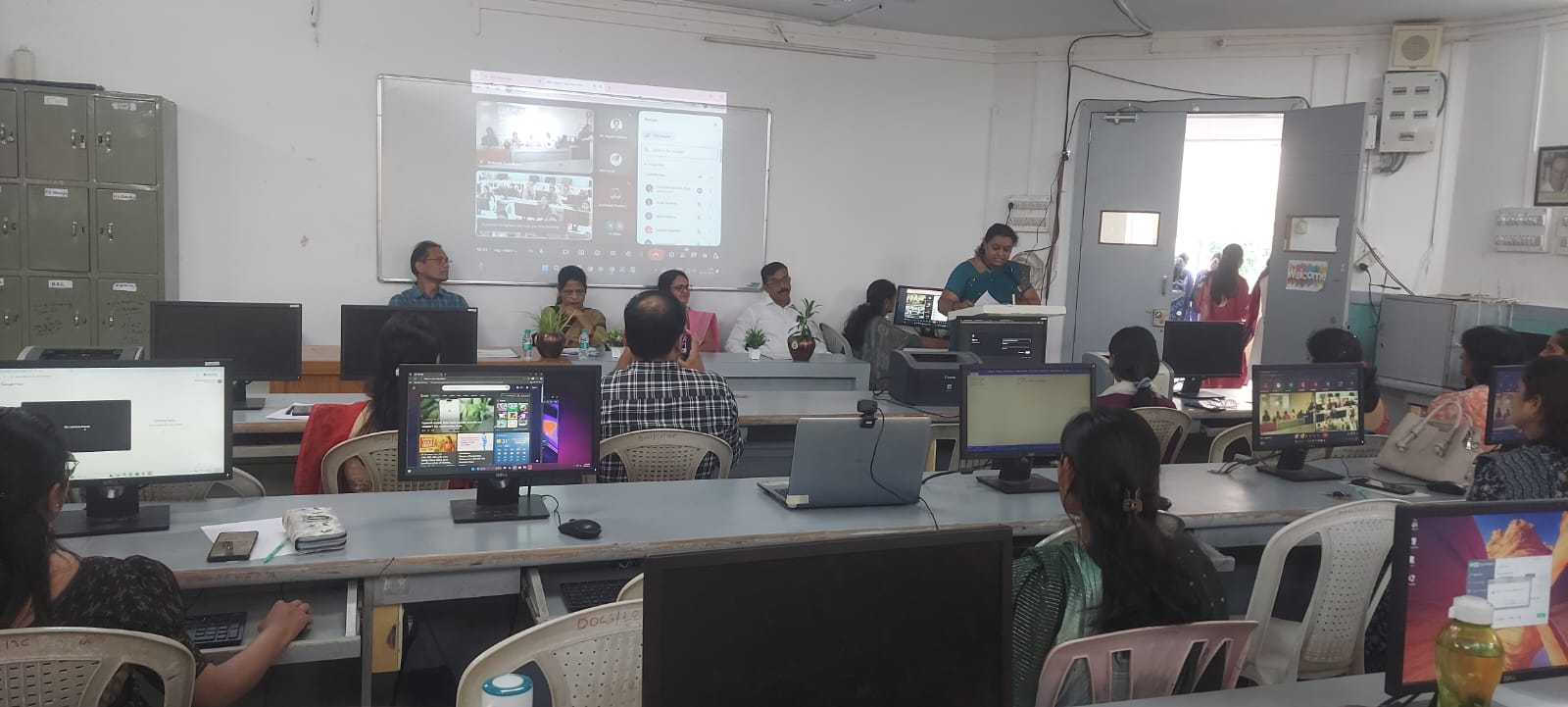 Interactive session focused on moderns approches |
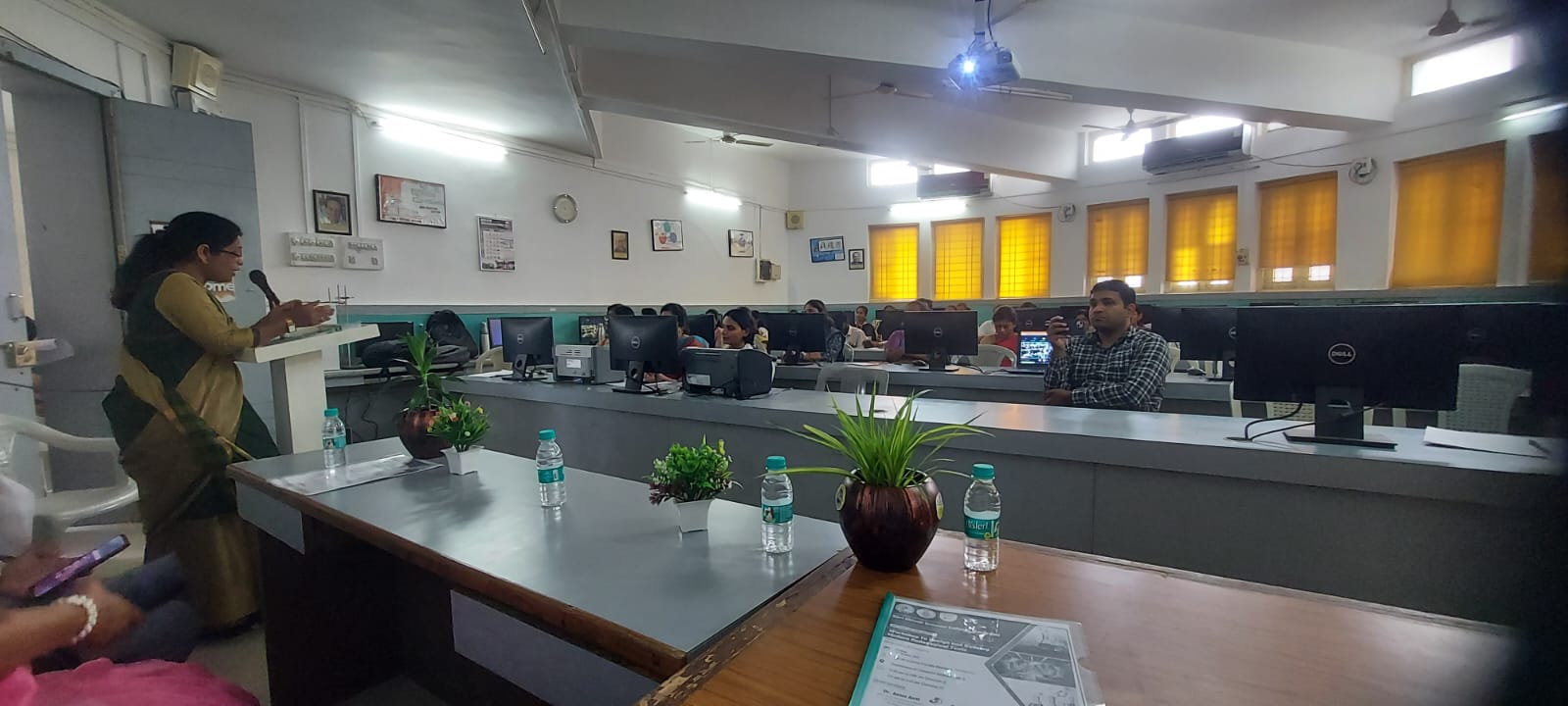 Dr. S.P.Ingole,IQAC coordinator addressing the workshop | 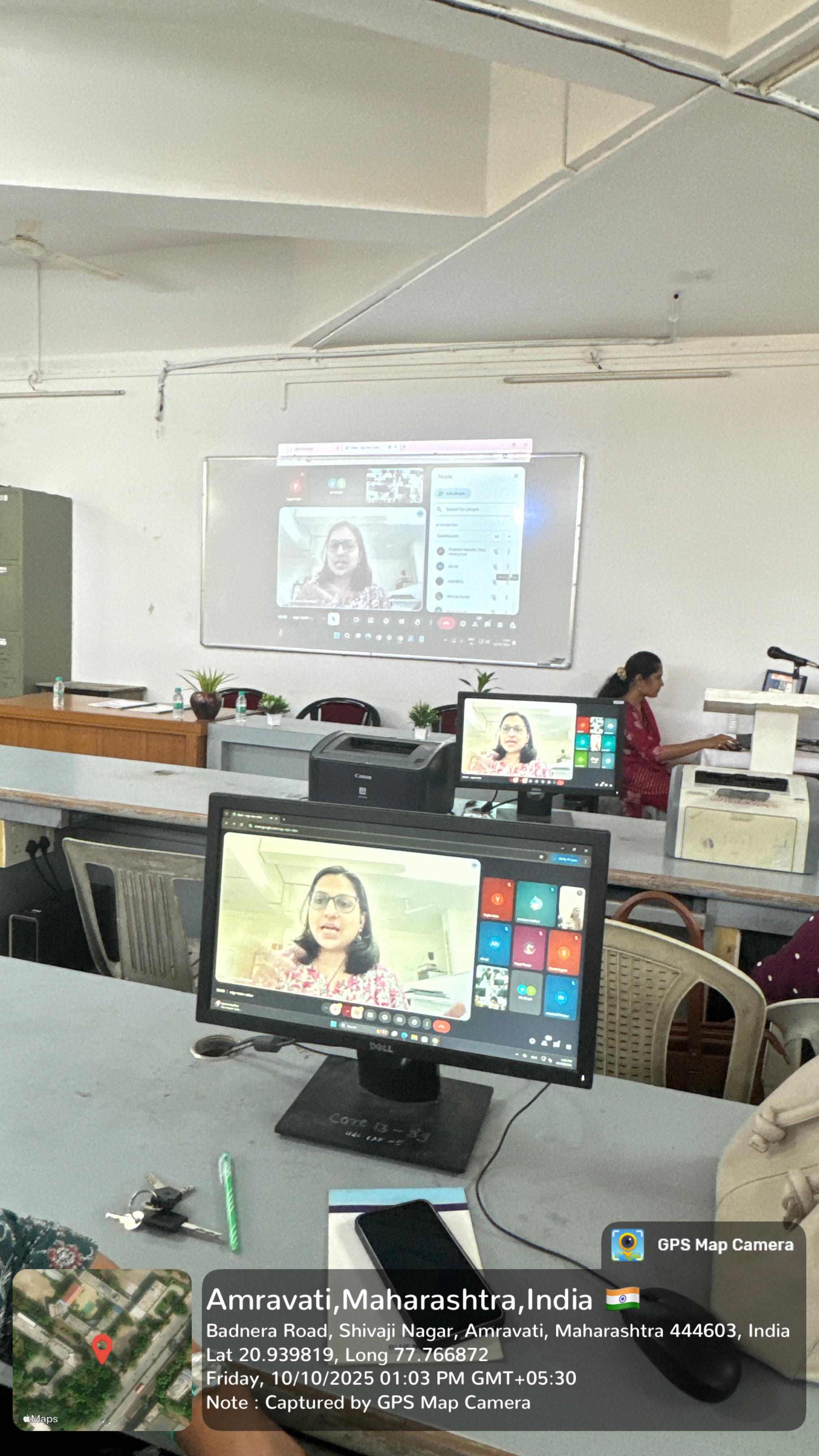 Dr.Manawa Divekar conducting the session 2 |
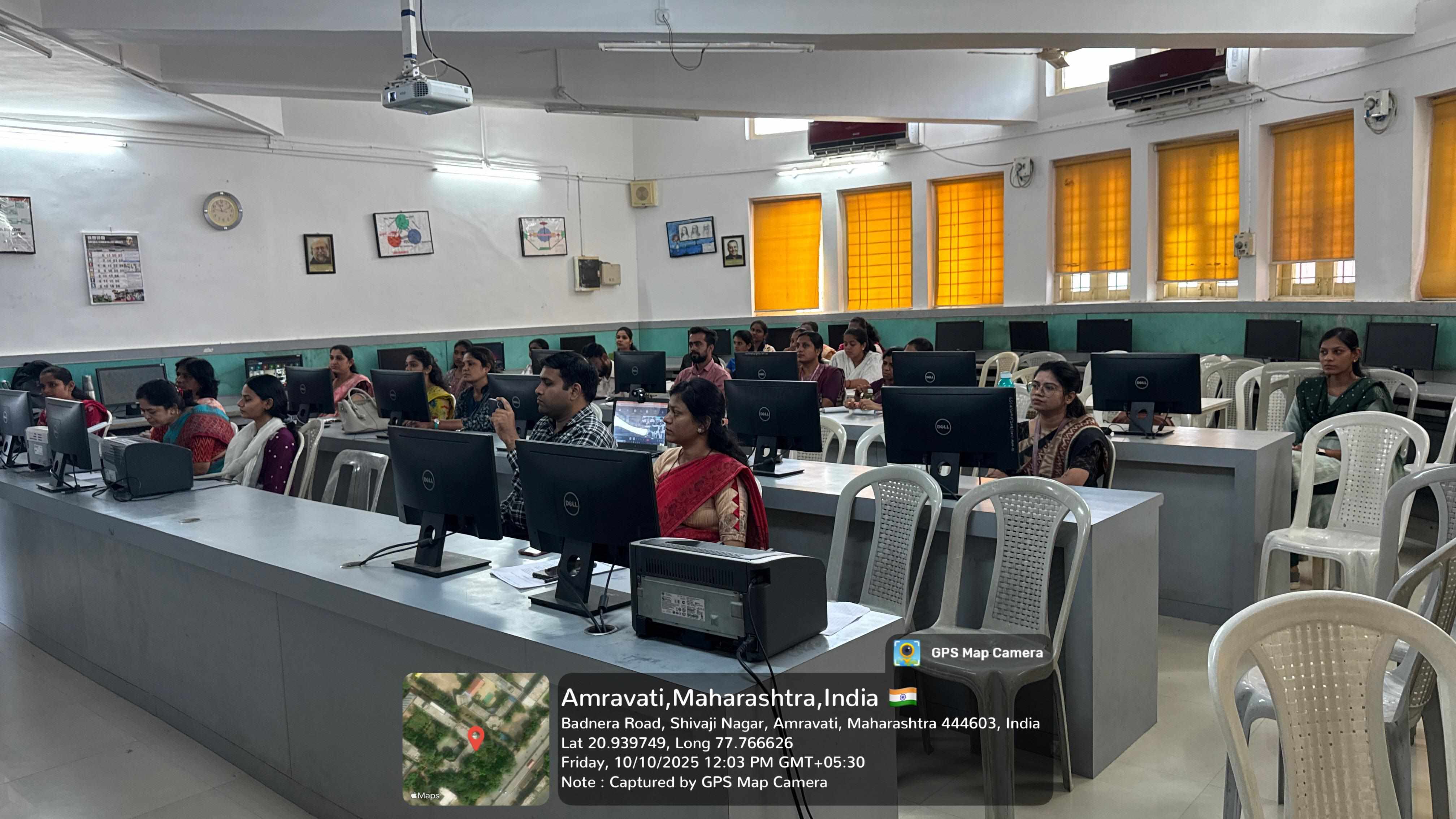 Teachers engaging in hands on practice of modern pedagogical tools | 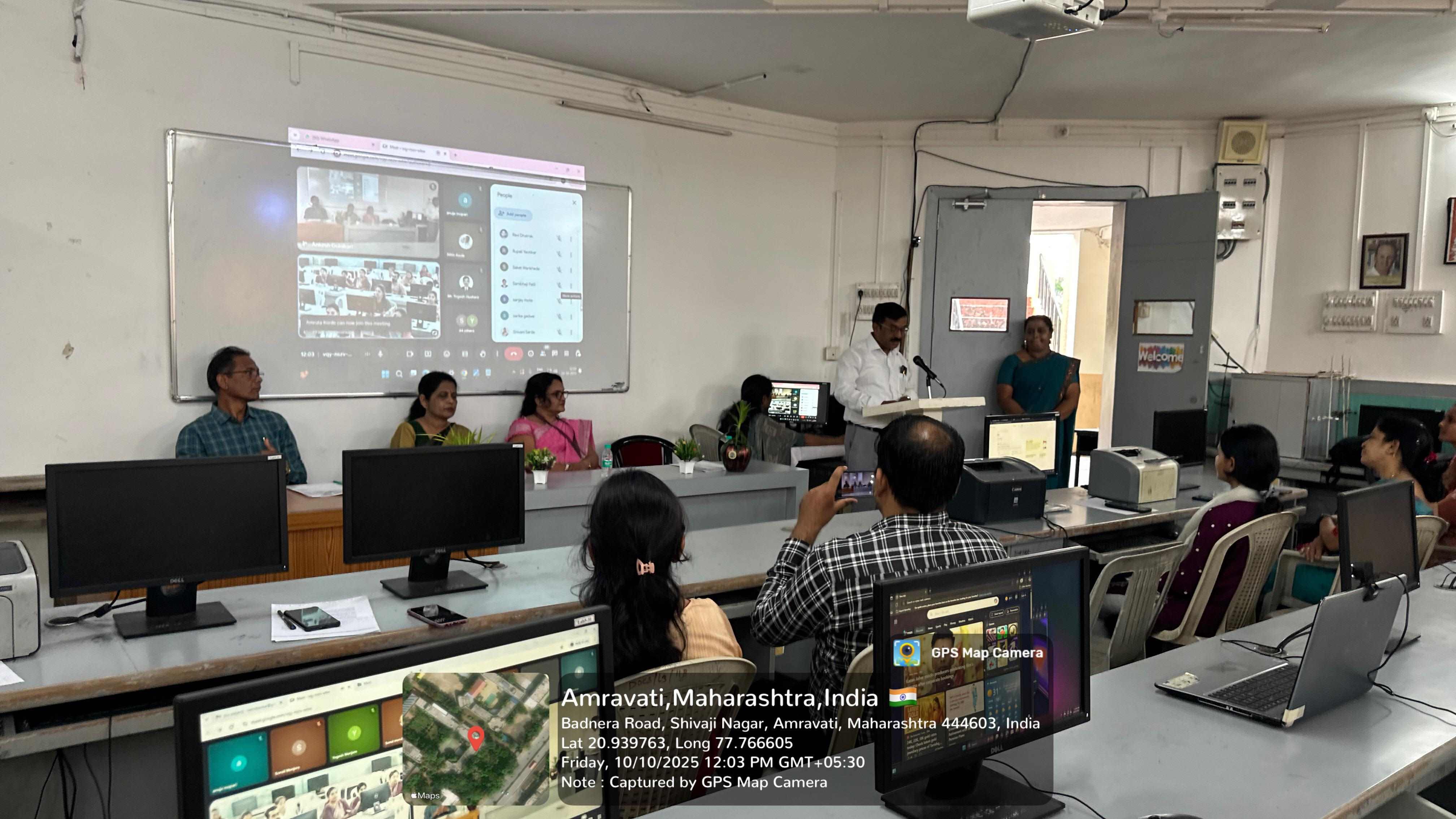 Dr.N.H.Bansod highlighting outcomes and learning achievements |
Attendance Sheet:
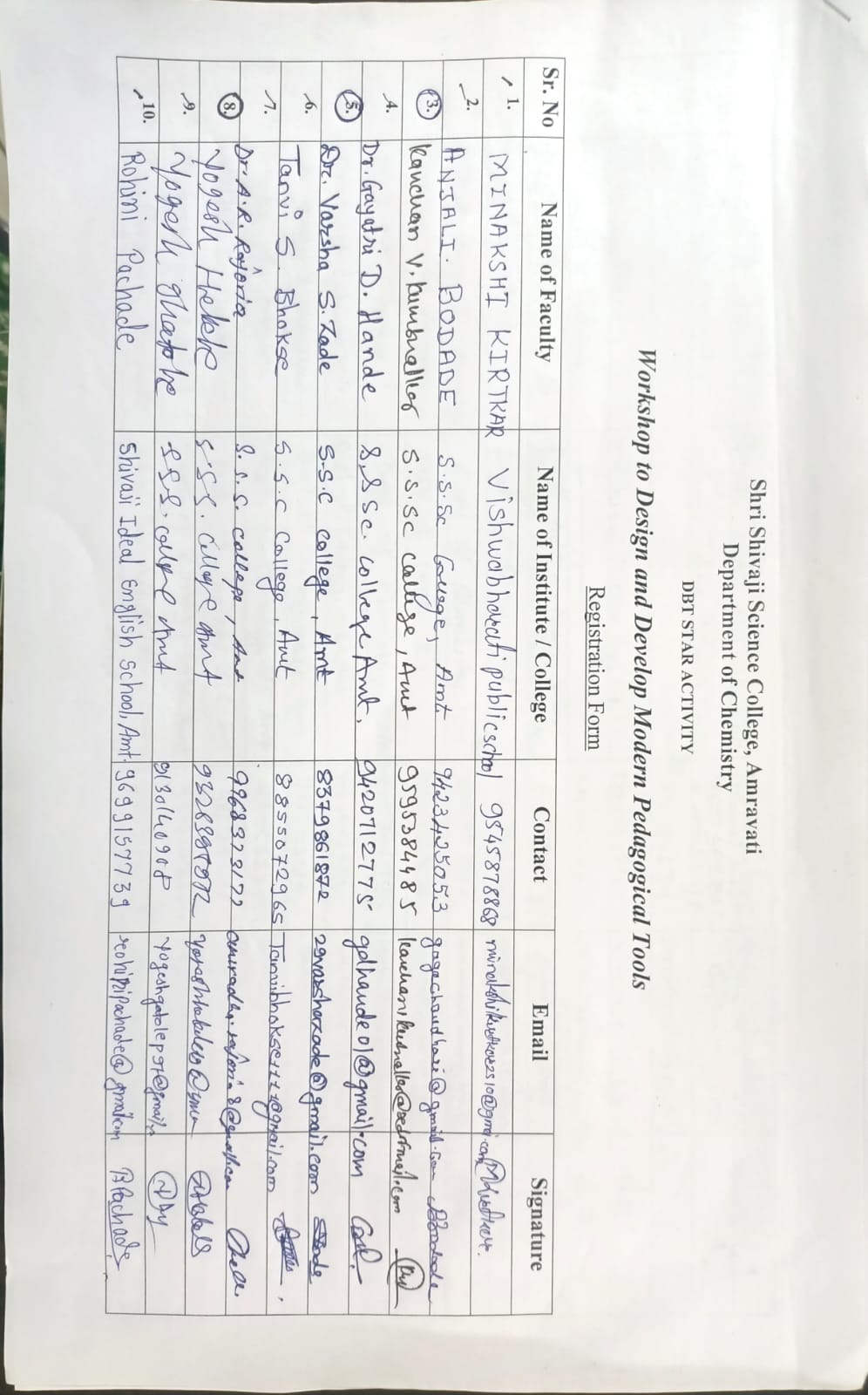 Sheet |
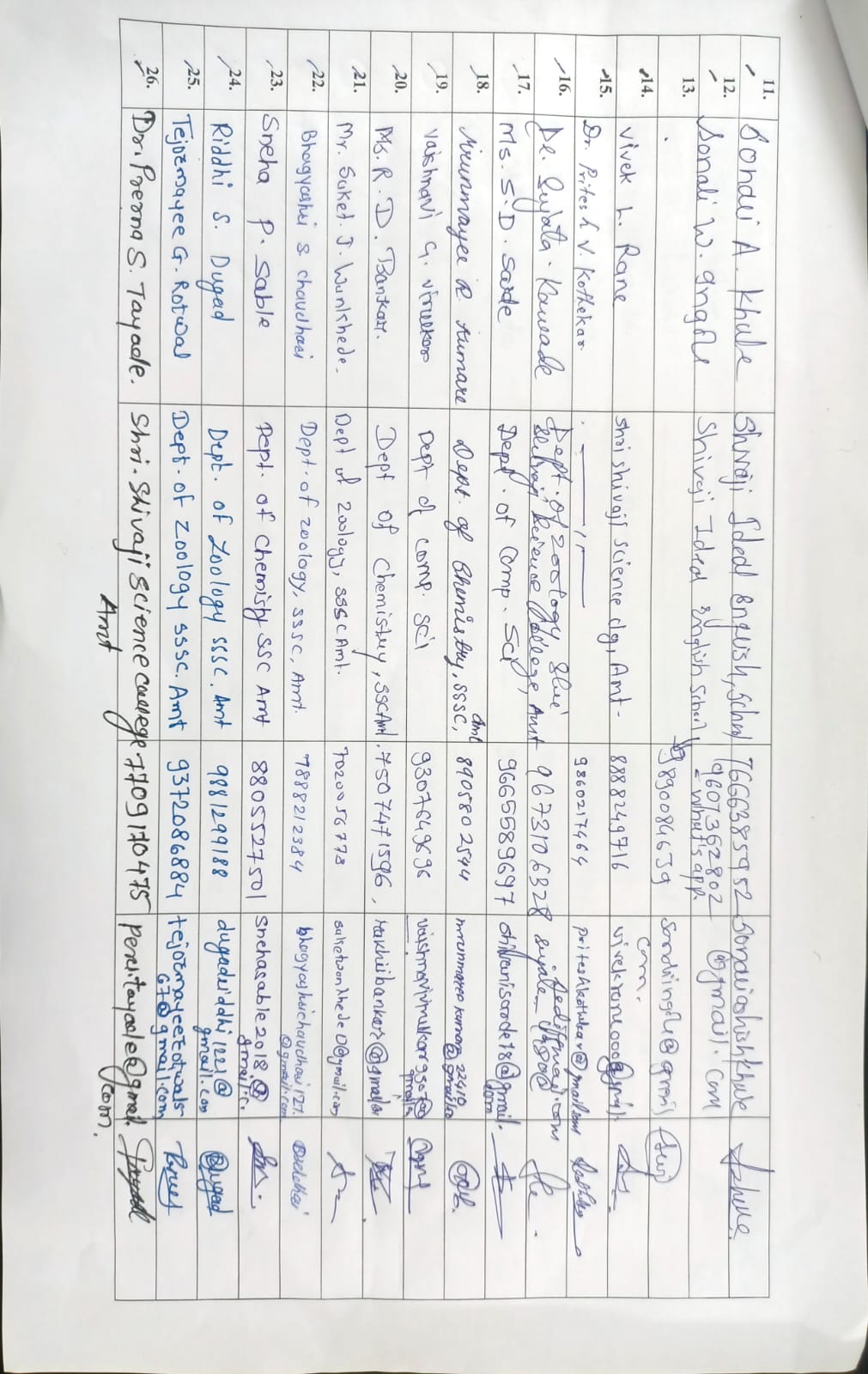 Sheet |
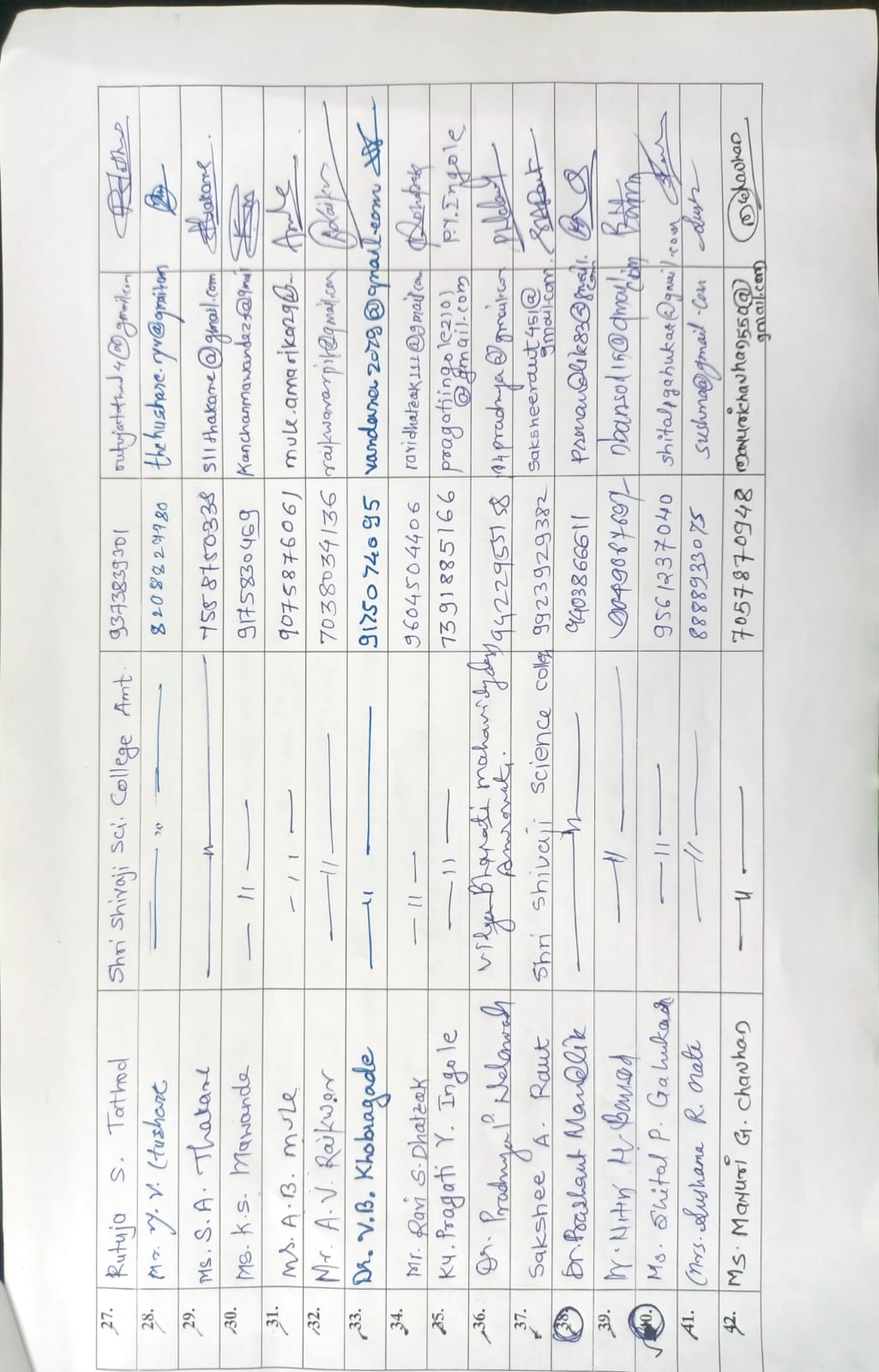 Sheet |
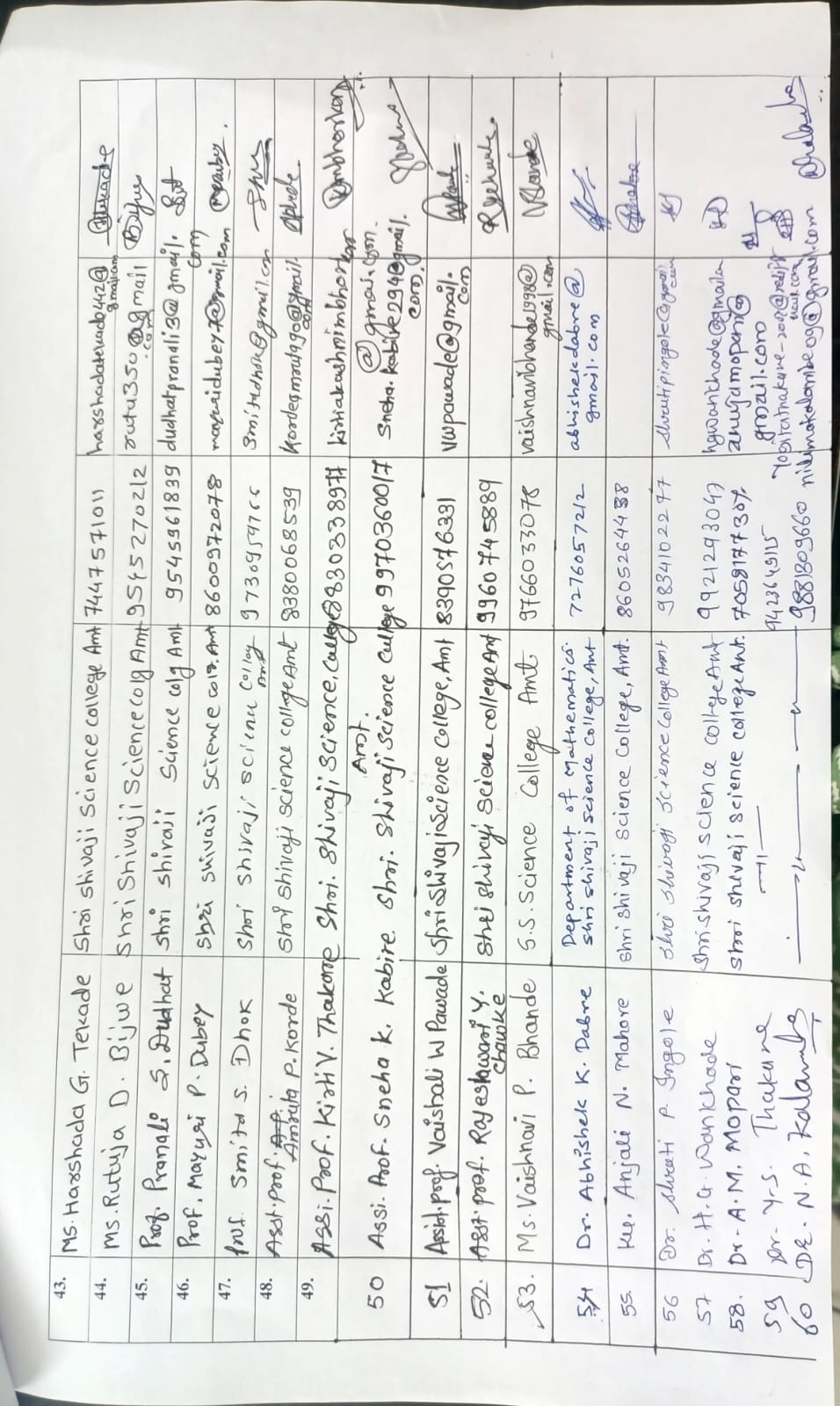 Sheet |