SHRI SHIVAJI SCIENCE COLLEGE, AMRAVATI
DBT STAR COLLEGE PROJECT ACTIVITY
ACTIVITY REPORT
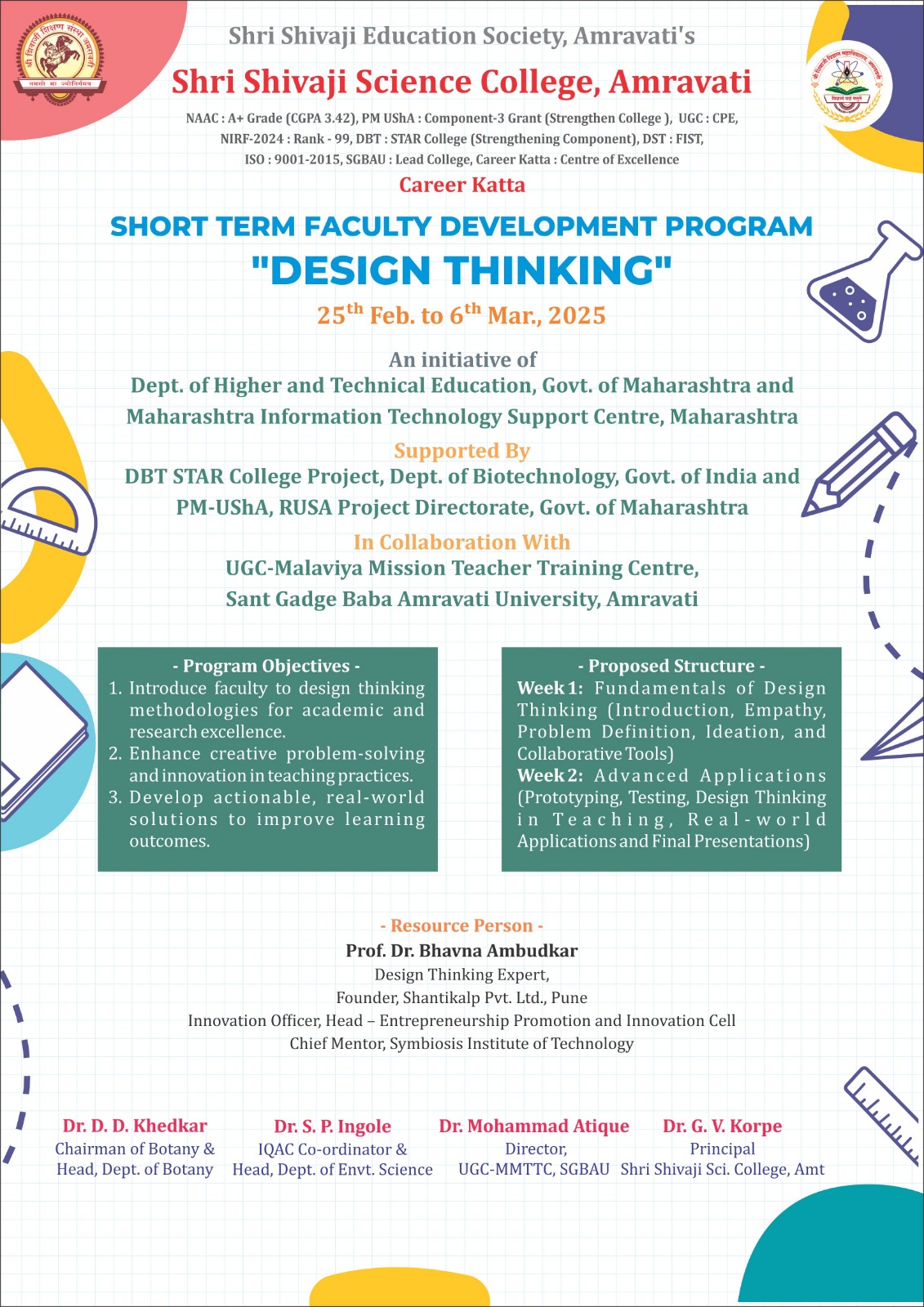
Two-Day Intensive Hands-on Faculty Development Workshop
Activity Dates: 27th and 28th March 2026
Type of Activity: Faculty Development Program
Organizing Department: Department of Computer Science
Program Coordinators: Mr. Y.V. Hushare, Dr. U.S. Junghare
Head of the Department: Dr. M.M.Bhonde
External Collaborator (if any): Nil
Objectives:
- To Provide Hands-on Training in Audio-Visual Aids and Multimedia Tools One of the primary objectives of the workshop was to familiarize faculty members with various audio-visual aids such as projectors, smart boards, microphones, digital writing pads, and video recording tools..
- To Develop Skills for Preparing Effective E-Content In the digital era, the preparation of structured and engaging e-content has become essential. The workshop aimed to equip participants with the ability to create high-quality digital learning materials, including video lectures, presentations, digital notes, and online assessments.
- To Enhance Competency in Digital Teaching-Learning Practices The workshop sought to improve the overall digital competency of teachers by introducing them to modern teaching platforms and tools. Participants were exposed to various software and online resources that support blended and online learning
- To Promote Technology-Enabled Education Another important objective was to encourage the adoption of technology-enabled teaching methodologies in higher education. The workshop highlighted the importance of integrating Information and Communication Technology (ICT) into regular teaching
- o Support Continuous Professional Development The workshop also focused on the long-term professional growth of faculty members. By equipping them with modern teaching skills, the program encouraged continuous learning and adaptation to emerging educational technologies.
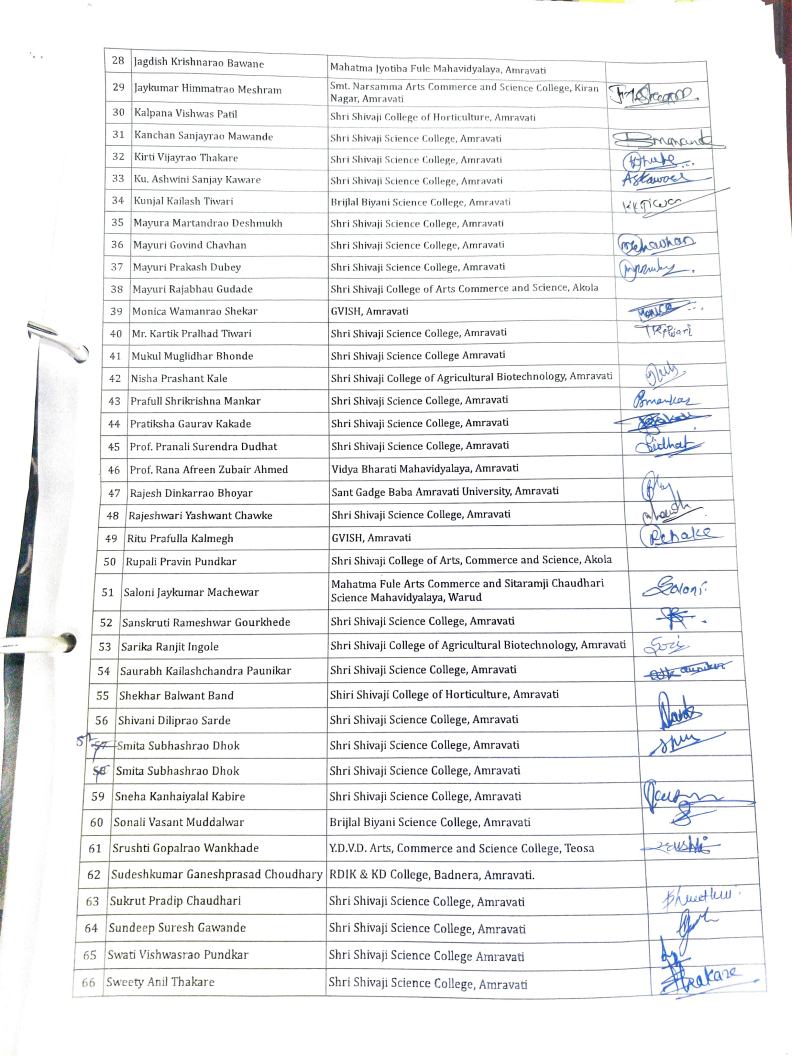
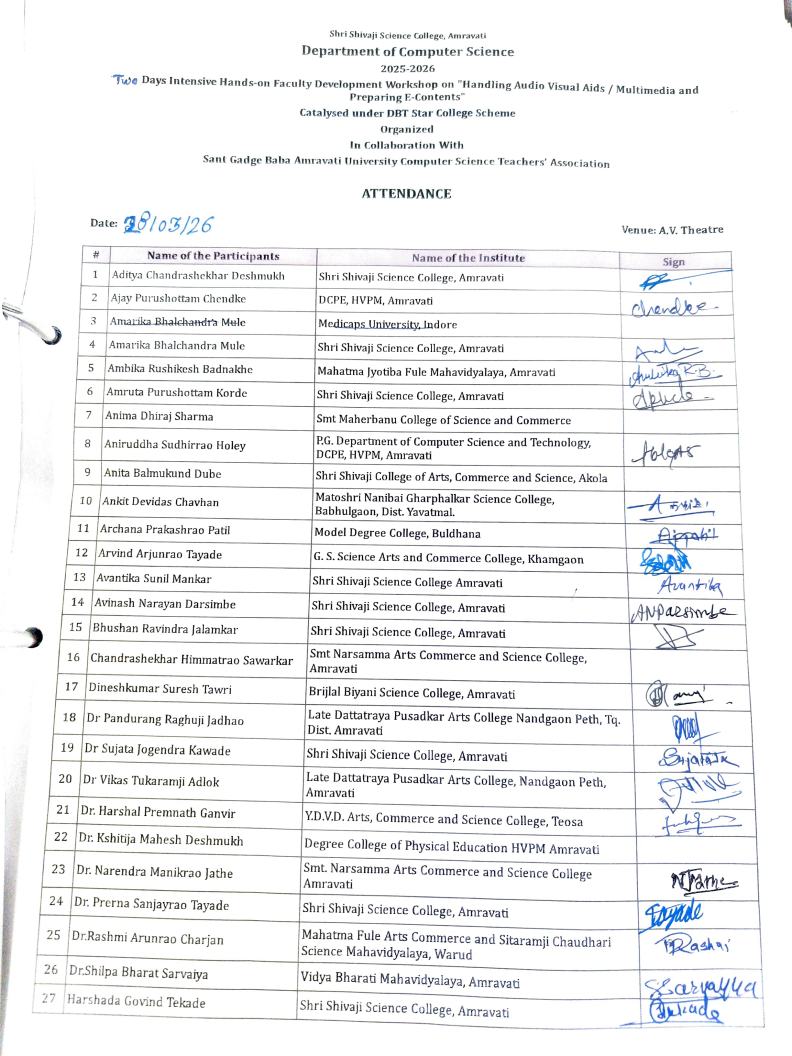
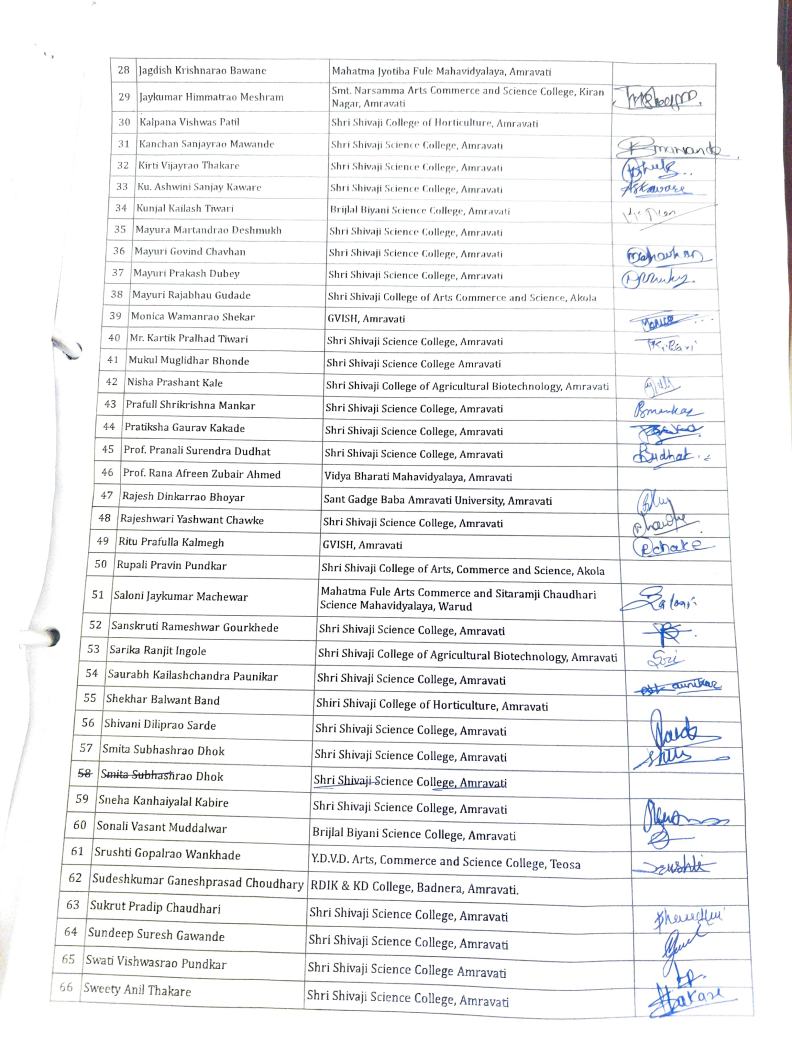
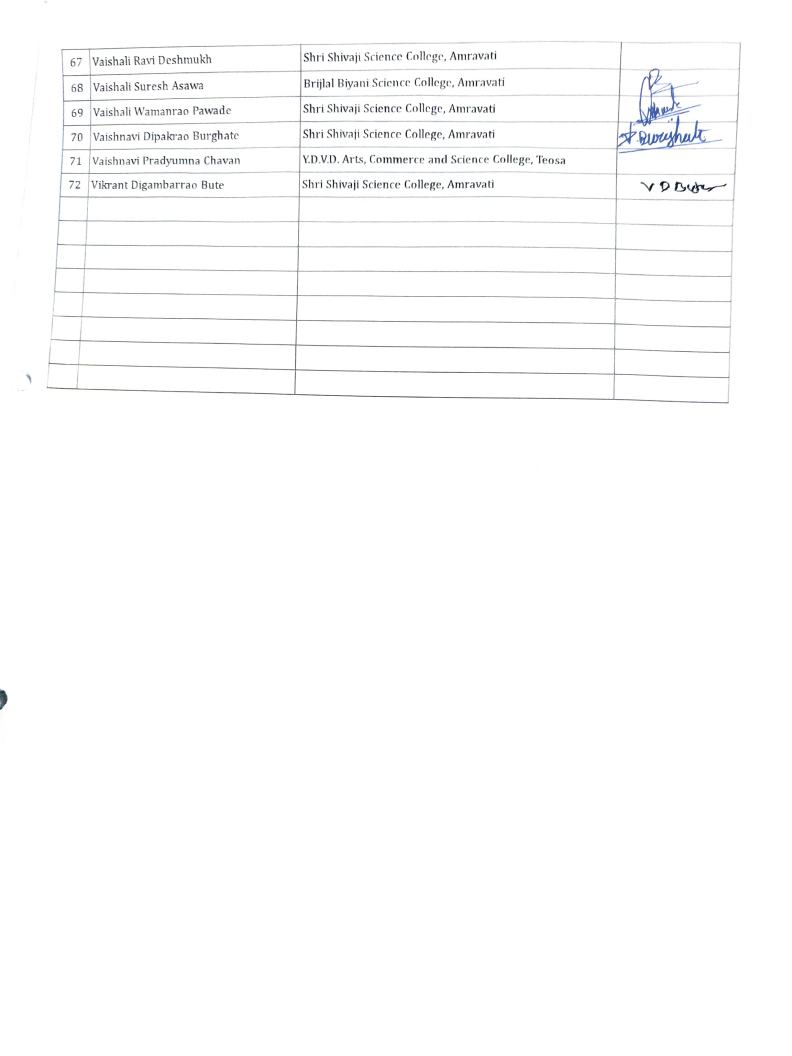
No of Beneficieries: 72
Classes Involved: College Teachers
Venue of the Activity: A. V. Theatre
Activity Report:
Introduction:
The Department of Computer Science & Application at Shri Shivaji Science College, Amravati successfully organized a Two-Day Intensive Hands-on Faculty Development Workshop on the theme “Handling Audio Visual Aids / Multimedia and Preparing E-Contents” on 27th and 28th March 2026. The workshop was conducted under the DBT Star College Scheme and aimed at enhancing the teaching competencies of faculty members in the digital era.
The program was organized in collaboration with Sant Gadge Baba Amravati University Computer Science Teachers’ Association, reflecting a strong commitment toward academic excellence and modern pedagogical practices.
Objectives of the Workshop
The primary objective of this workshop was to provide hands-on training to faculty members in the effective use of audio-visual aids and multimedia tools for teaching. In addition, the workshop aimed to:
1. To Provide Hands-on Training in Audio-Visual Aids and Multimedia Tools
One of the primary objectives of the workshop was to familiarize faculty members with various audio-visual aids such as projectors, smart boards, microphones, digital writing pads, and video recording tools..
2. To Develop Skills for Preparing Effective E-Content
In the digital era, the preparation of structured and engaging e-content has become essential. The workshop aimed to equip participants with the ability to create high-quality digital learning materials, including video lectures, presentations, digital notes, and online assessments.
3. To Enhance Competency in Digital Teaching-Learning Practices
The workshop sought to improve the overall digital competency of teachers by introducing them to modern teaching platforms and tools. Participants were exposed to various software and online resources that support blended and online learning.
4. To Promote Technology-Enabled Education
Another important objective was to encourage the adoption of technology-enabled teaching methodologies in higher education. The workshop highlighted the importance of integrating Information and Communication Technology (ICT) into regular teaching
5. To Encourage Self-Reliance in Digital Content Creation
The program aimed to make faculty members self-sufficient in creating and managing their own digital teaching materials. Instead of relying on pre-existing content, participants were trained to design customized resources tailored to their syllabus and students’ needs. This promotes originality and ensures better alignment with course objectives.
6 To Support Continuous Professional Development
The workshop also focused on the long-term professional growth of faculty members. By equipping them with modern teaching skills, the program encouraged continuous learning and adaptation to emerging educational technologies.
7. To Enhance Student Learning Outcomes
Ultimately, all objectives of the workshop were directed toward improving student learning experiences. By training teachers in effective use of multimedia and digital tools, the program aimed to make learning more engaging, interactive, and accessible. This leads to better understanding, retention, and academic performance among students.
The workshop was designed to be practical-oriented, ensuring that participants gained real-time experience in using modern tools rather than just theoretical knowledge.
Participation
The workshop witnessed enthusiastic participation from faculty members belonging to various colleges affiliated with Sant Gadge Baba Amravati University. Participants represented diverse academic disciplines but shared a common interest in integrating technology into teaching.
The event was conducted at the A.V. Theatre of the college, which provided an appropriate environment equipped with the necessary infrastructure for multimedia demonstrations and hands-on activities.
Resource Persons
The success of the workshop was greatly enriched by the presence of two eminent resource persons who shared their expertise and guided participants throughout the sessions:
Dr. P. A. Saudagar, Head, Department of Electronics, Bajaj College of Science, Wardha.
Dr. Saudagar is a highly experienced academician with deep expertise in electronics and applied technologies. His session focused on the effective use of audio-visual aids in classrooms, including smart boards, projectors, microphones, and recording tools. He demonstrated practical techniques for improving classroom delivery using multimedia, making lectures more engaging and interactive. His hands-on approach allowed participants to directly work with tools and understand their applications in real teaching scenarios.
Dr. S. D. Pachpande, P.G. Department of Computer Science & Engineering, Sant Gadge Baba Amravati University.
Dr. Pachpande delivered an insightful session on preparing e-content and digital learning resources. He introduced participants to various tools for content creation such as screen recording software, presentation enhancement tools, and online learning platforms. He emphasized the importance of structured e-content, including video lectures, digital notes, and assessments, in enhancing student learning outcomes. His session included demonstrations and guided exercises, enabling participants to create sample digital content during the workshop.
Both resource persons played a crucial role in making the sessions interactive, informative, and highly practical.
Workshop Schedule
The two-day intensive workshop was carefully structured to ensure a balanced combination of theoretical understanding and practical exposure. Each day was divided into two major technical sessions, with a scheduled break to encourage informal interaction and knowledge exchange among participants and resource persons.
Day 1 – 29th March 2026
Session I (11:00 AM – 01:30 PM): Audio-Visual Aids & Multimedia Tools
The first session focused on introducing participants to various audio-visual aids and modern multimedia tools used in teaching and learning. The resource person introduced **Blooket**, a free online educational platform that integrates learning with gaming. This tool helps in making lessons more interactive and engaging for students. A live demonstration was conducted where a quiz was created, and participants were invited to join and solve it using a unique access code.
Next, the application **Wayground** was demonstrated. In this session, a paragraph was generated using both Artificial Intelligence and manual input methods. Based on this paragraph, the application was used to automatically generate a quiz, showcasing its usefulness in content creation and assessment.
Lunch Break (01:30 PM – 02:00 PM)
A short break was provided to allow participants to relax, network, and engage in informal discussions with peers and experts. This interaction helped in clarifying doubts and exchanging innovative ideas.
Session II (02:00 PM – 04:00 PM): E-Content Development & Digital Teaching Strategies
The second session focused on the development of high-quality e-content for digital platforms. The session began with a video highlighting the excessive use of mobile phones among individuals of all age groups, emphasizing its impact on daily life and learning habits. Following this, the speaker provided guidance on the creation of tutorial videos for educational purposes. Various platforms such as MOOCs and NPTEL were discussed as effective mediums for sharing educational content.
Day 2 – 30th March 2026
Session I (11:00 AM – 01:30 PM): Advanced Multimedia Applications in Teaching
Building upon the previous day’s learning, this session emphasized the third application introduced was **Nearpod**. The resource person provided a practical demonstration of how to create interactive lessons using this platform. This included developing engaging video content on specific topics and incorporating various activities such as multiple-choice questions, fill-in-the-blanks, and matching pairs to enhance student participation and understanding.
Lunch Break (01:30 PM – 02:00 PM)
The lunch break provided another opportunity for participants to discuss their progress, share experiences, and receive individual guidance from the resource persons.
Session II (02:00 PM – 04:00 PM): Hands-on E-Content Creation & Implementation
The final session was fully hands-on, allowing participants to create their own e-content using the tools and techniques learned during the workshop. Detailed information was shared regarding the process of recording and editing videos, along with important rules and guidelines to be followed during content creation. Towards the end of the session, a practical demonstration was conducted using the **OpenShot** application, where the speaker illustrated the process of video editing, providing participants with hands-on understanding.
Organizing Committee
The Principal of Shri Shivaji Science College, Amravati, Dr. G. V. Korpe, granted permission to organize this activity. The workshop was conducted under the guidance of Dr. D. D. Khedkar, DBT Star College Coordinator, and Dr. M. M. Bhonde, Head of the Department.
The program was coordinated by the DBT Star Project Coordinators, Dr. U. S. Junghare and Mr. Y. V. Hushare. The anchoring of the inauguration of the workshop was carried out by Ms. Shivani Sarade and Ms. Mayuri Chauhan from the Department of Computer Science & Application.
All teaching and non-teaching staff actively participated in the workshop.
Key Highlights
Hands-on Training: Unlike traditional workshops, this program emphasized practical learning. Participants actively used multimedia tools and software during the sessions.
Expert Guidance: The presence of experienced resource persons ensured high-quality knowledge sharing.
Focus on Digital Content Creation: Participants learned how to design effective e-content suitable for modern learners.
Interactive Learning: The sessions included demonstrations, activities, and problem-solving discussions.
Technology Integration: The workshop highlighted the importance of integrating ICT tools into classroom teaching.
Outcomes:
- Improved understanding of multimedia tools and their classroom applications.
- Enhanced ability to create engaging and structured e-content.
- Increased awareness of digital teaching methodologies.
- Development of confidence among faculty members in using technology effectively.
- Encouragement to adopt innovative teaching practices in regular academic activities.
Photos:
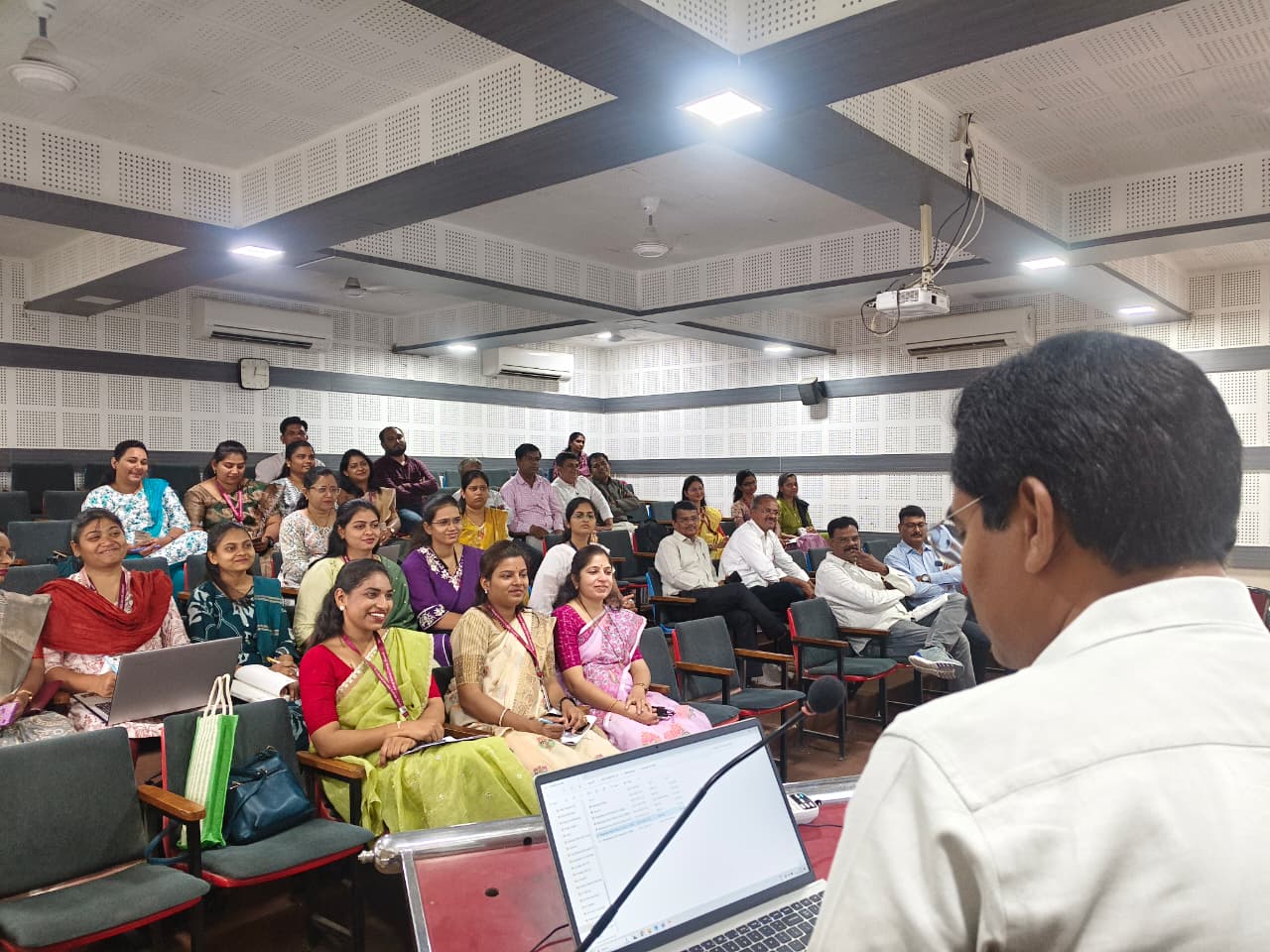 Session-1 Conducted by Dr.P A Saudagar | 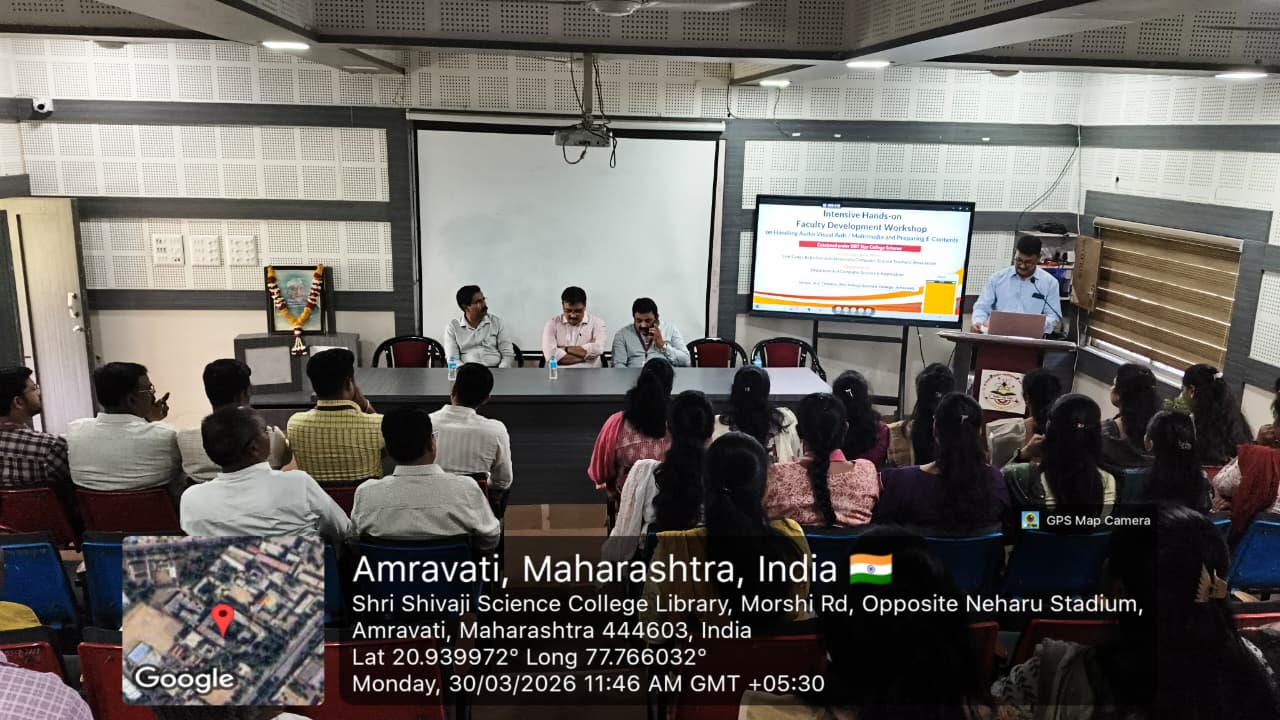 Inaugration of Two-Day Intensive Hands-on Faculty Development Workshop |
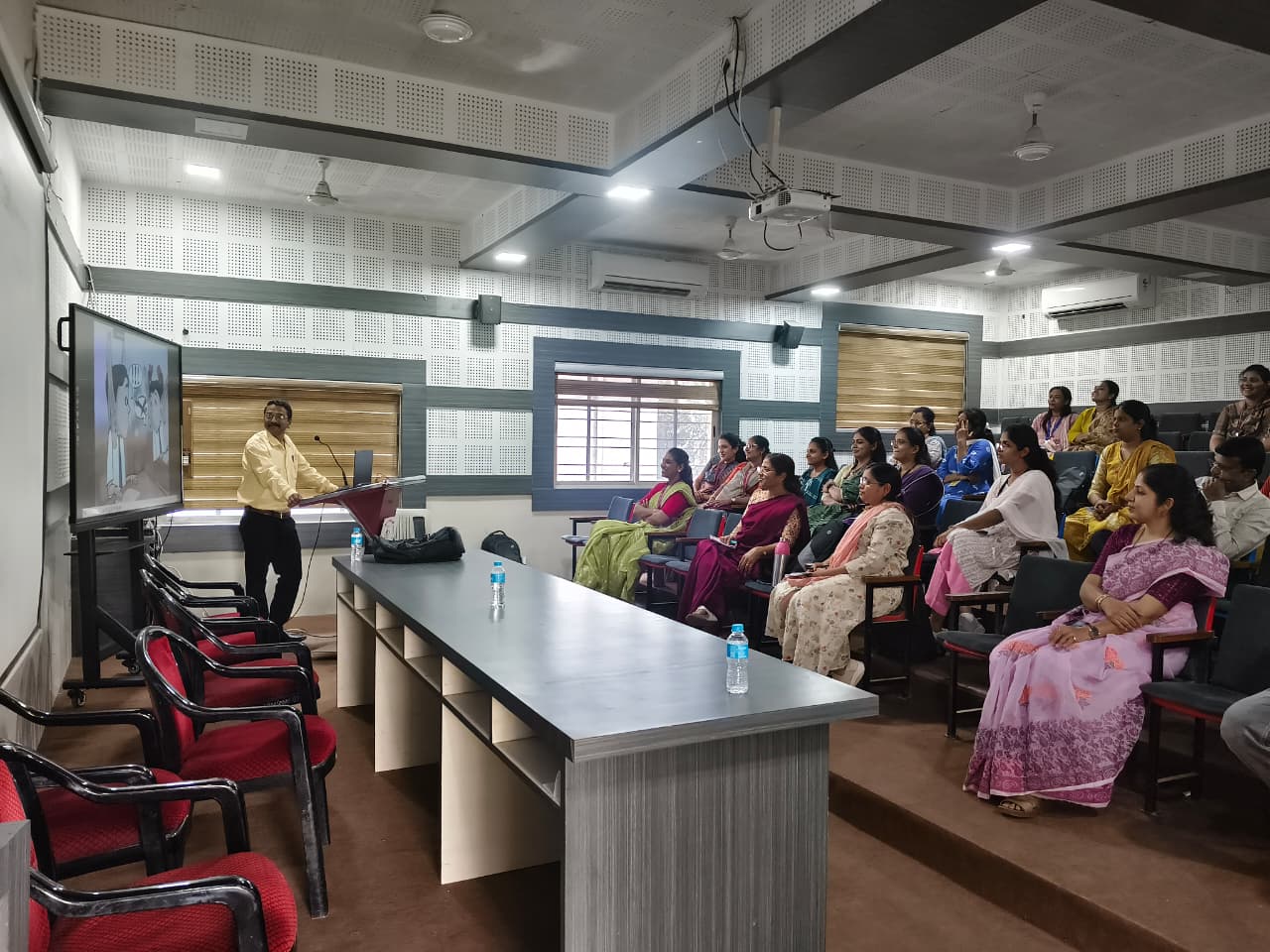 Session-2 Conducted by Dr. S. D. Pachpande | 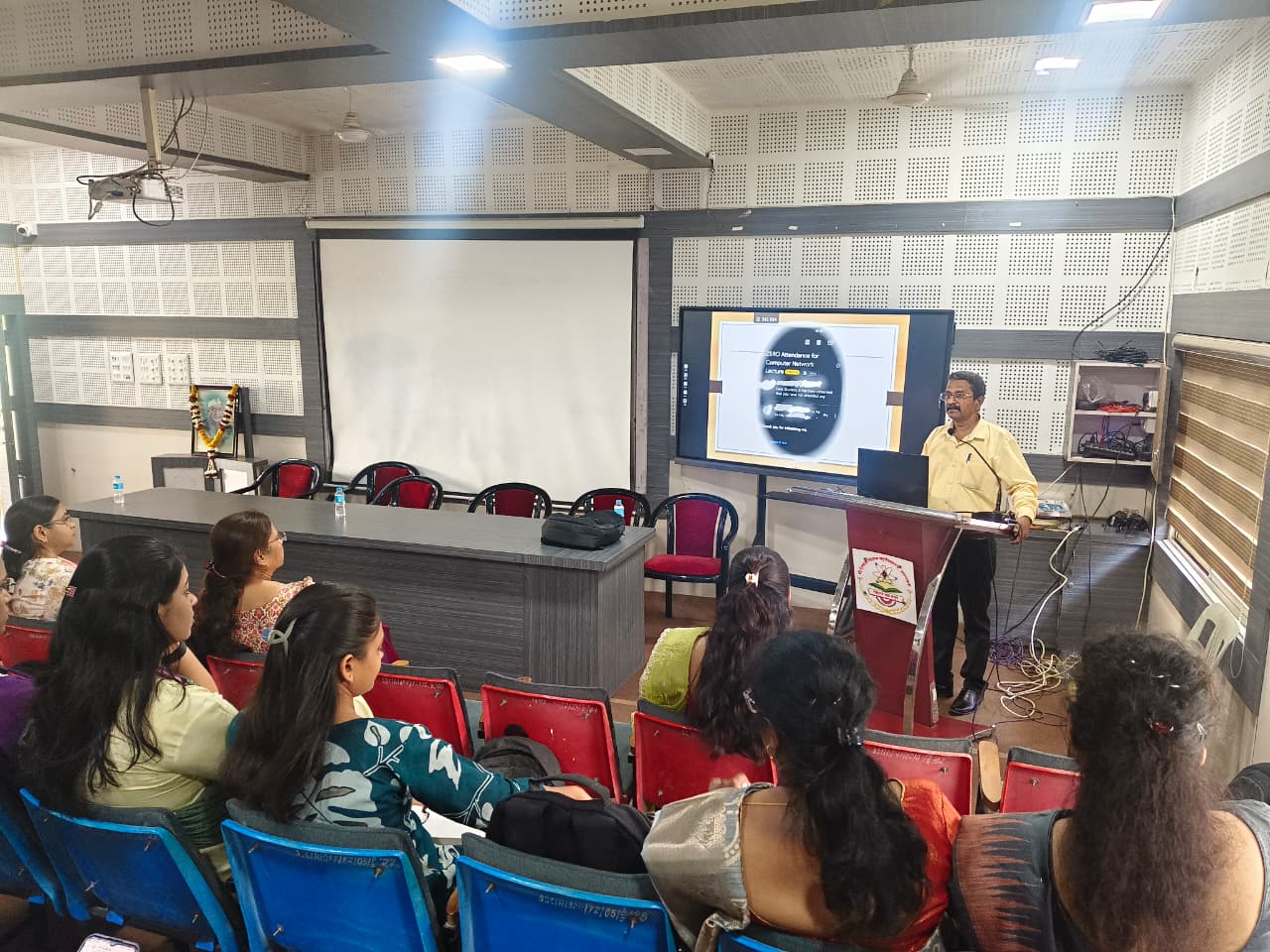 Session Conducted by Dr. S. D. Pachpande |
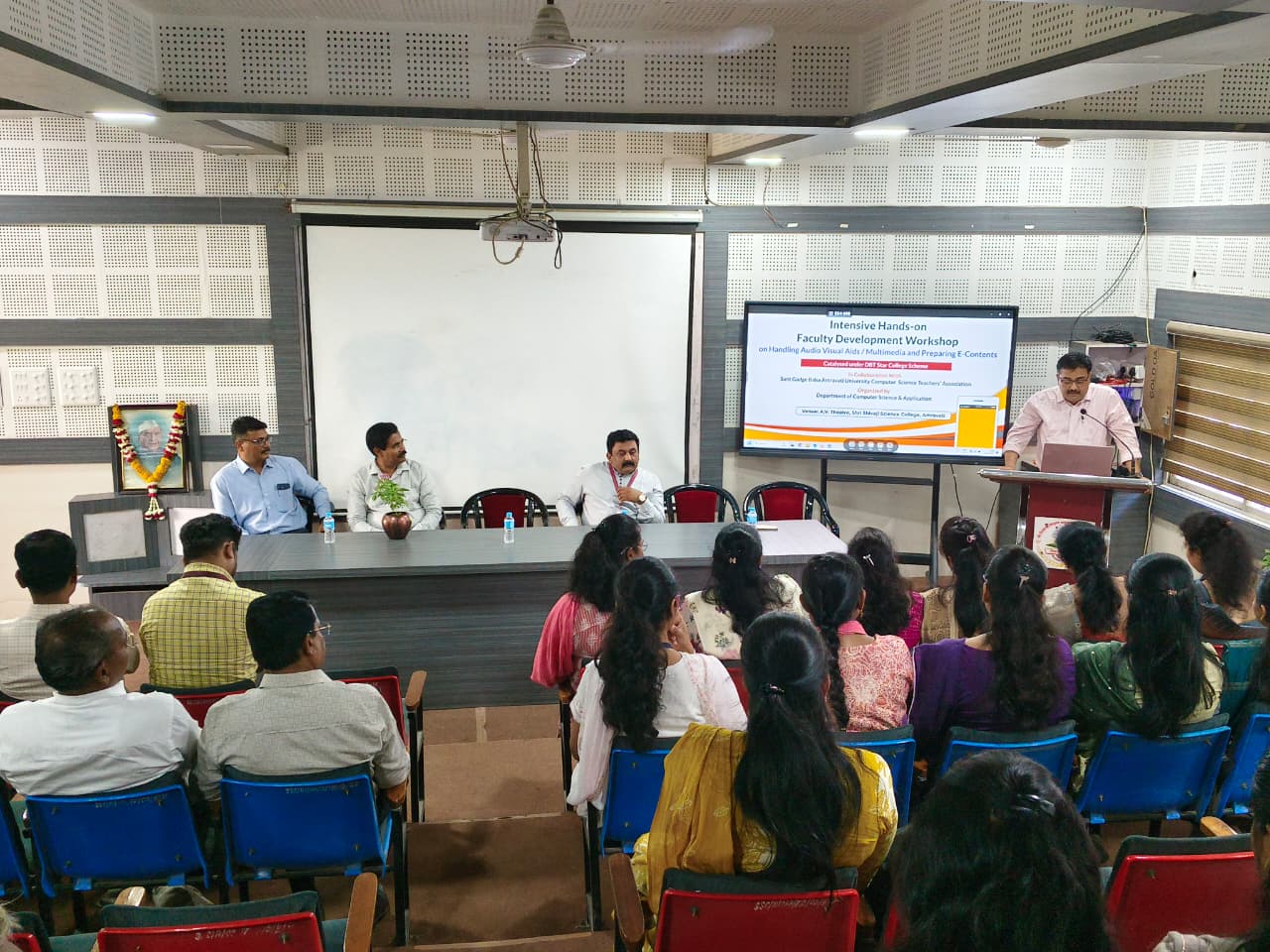 Two-Day Intensive Hands-on Faculty Development Workshop | 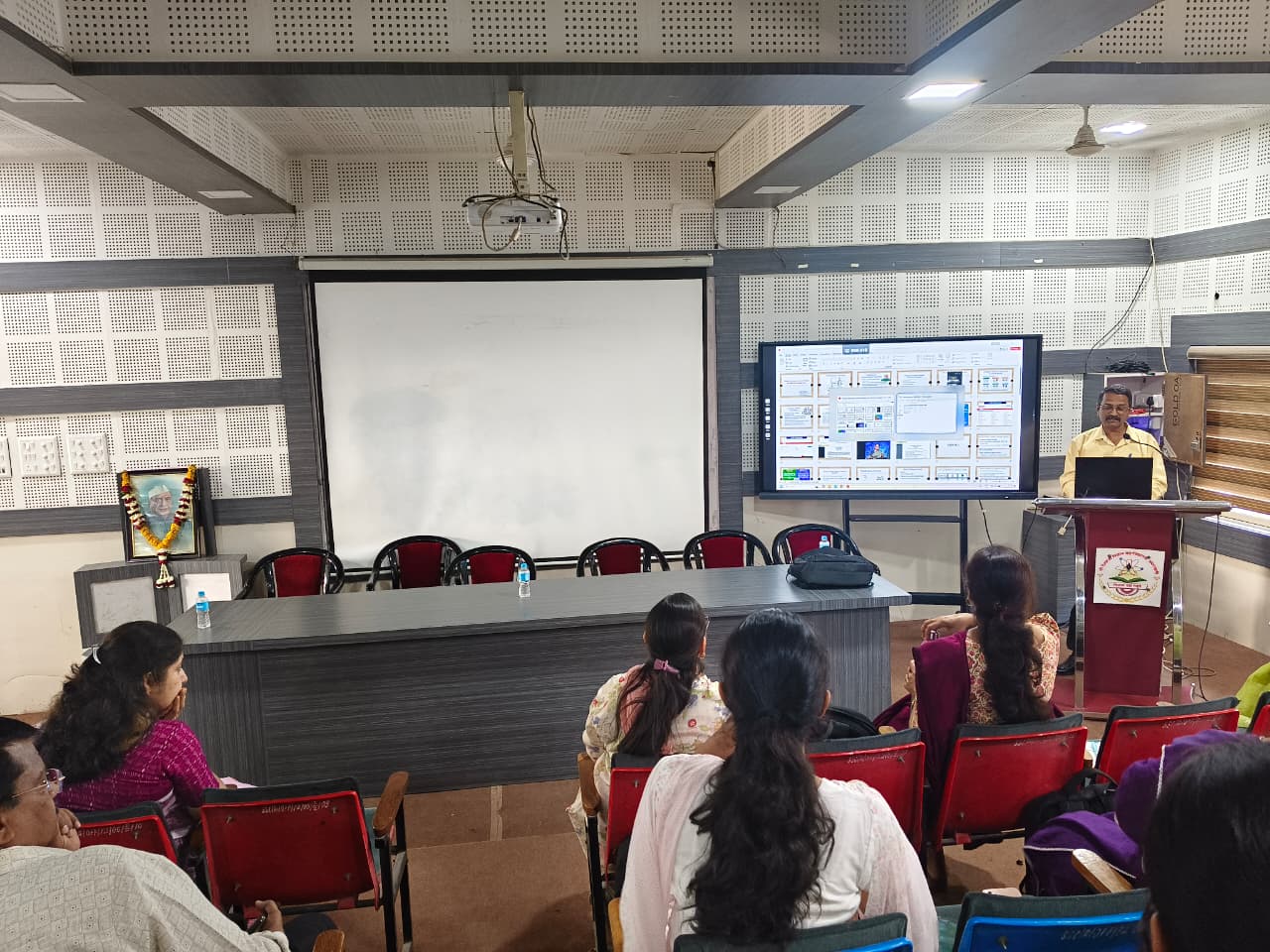 Session Conducted by Dr. S. D. Pachpande |
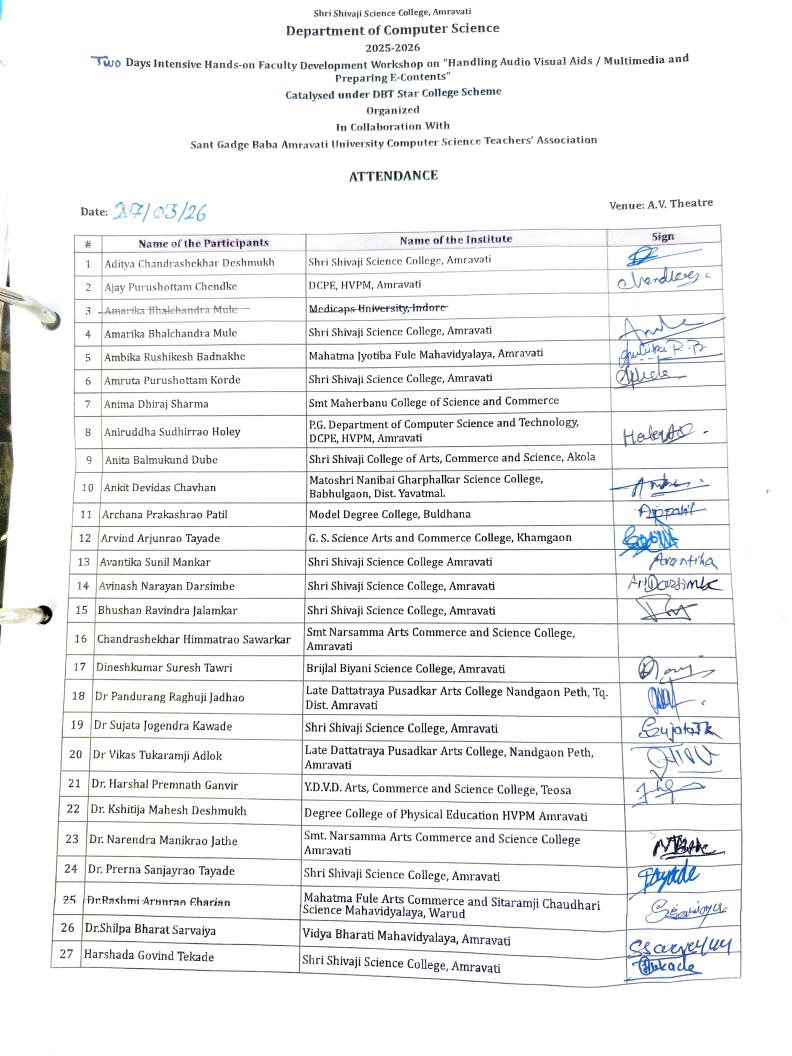
Attendance Sheet:
 |
 |
 |
 |
 |
 |