SHRI SHIVAJI SCIENCE COLLEGE, AMRAVATI
DBT STAR COLLEGE PROJECT ACTIVITY
ACTIVITY REPORT
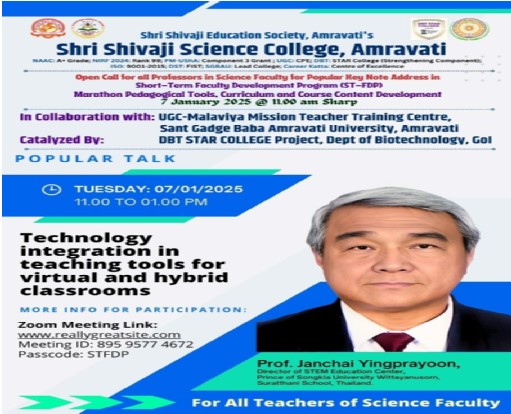
STAR Series Lecture on “Research Culture at UG Level for Career Building
Activity Dates: 23rd November 2025
Type of Activity: Other
Organizing Department: Department of Microbiology
Program Coordinators: Dr. R. C. Maggirwar
Head of the Department: Dr. R. C. Maggirwar
External Collaborator (if any): No
Objectives:
- Discuss the importance of developing a research-oriented mindset from the UG level.
- Demonstrate how engaging in research enhances critical thinking, problem-solving, and other transferable skills.
- Highlight the relevance of research experience for career opportunities in academia, industry, and other sectors.
- Encourage UG students to participate in research activities, including faculty-led projects, independent studies, or summer research internships.
- Discuss how students can begin applying these methodologies in their academic work.
No of Beneficieries: 150
Classes Involved: B.Sc students
Venue of the Activity: Department of Microbiology, Shri Shivaji Science College, Amravati
Activity Report:
Report on STAR Series Lecture on “Research Culture at UG Level for Career Building under DBT star college project.
A special lecture under the STAR Series was organized to promote research awareness among undergraduate students. The lecture was delivered by Dr. Shrihari Pingale, Associate Professor and Task Force Member of the DBT STAR College Scheme, Government of India. The session focused on developing a strong research culture among undergraduate (UG) students and guiding them toward building successful careers in science and research.
The lecture was conducted on Saturday, 23rd November 2025, and witnessed enthusiastic participation from students and faculty members. Around 300 students from various departments attended the session, making it a highly engaging and informative academic event.
The DBT STAR College Scheme is an initiative of the Department of Biotechnology, Government of India, aimed at strengthening undergraduate science education by improving laboratory facilities, encouraging research exposure, and enhancing the overall quality of teaching and learning. Under this initiative, institutions regularly organize workshops, lectures, training programs, and academic activities to cultivate scientific curiosity and research aptitude among students.
Under the DBT STAR College Project, several academic enrichment activities such as STAR Series lectures, workshops, hands-on training sessions, and research orientation programs are conducted for undergraduate students. These activities are designed to expose students to current developments in science, motivate them to participate in research activities, and develop a scientific approach toward learning. The project also supports improved laboratory infrastructure, availability of modern instruments, and opportunities for students to engage in experimental learning. Through such initiatives, students are encouraged to develop analytical thinking, innovation, and a deeper understanding of scientific concepts.
The program began with a formal welcome of the guest speaker. The organizing committee introduced Dr. Shrihari Pingale, highlighting his academic achievements, research contributions, and his role as a Task Force Member of the DBT STAR College Scheme. His experience in promoting undergraduate research and mentoring students made the session particularly valuable for the participants.
In his lecture, Dr. Pingale emphasized the importance of developing research culture at the undergraduate level. He explained that research is not limited to postgraduate or doctoral studies but can begin during undergraduate education itself. According to him, early exposure to research helps students develop analytical thinking, problem-solving abilities, and scientific curiosity.
He explained that undergraduate research activities such as mini projects, laboratory experiments, data analysis, literature review, and participation in scientific discussions help students understand scientific concepts more deeply. These activities also help them learn how to formulate research questions, design experiments, and interpret results.
Dr. Pingale also discussed the importance of critical thinking in research. He encouraged students to ask questions, explore new ideas, and not hesitate to challenge existing knowledge with scientific reasoning. According to him, curiosity and the willingness to learn are the most important qualities for a successful researcher.
During the lecture, he explained how research exposure at an early stage helps students in career development. He informed students about various opportunities available in scientific research, including higher education programs, fellowships, internships, and research grants. He also highlighted that students with research experience are better prepared for competitive exams, postgraduate programs, and careers in academia, industry, and scientific organizations.
Dr. Pingale further elaborated on the role of the DBT STAR College Scheme in encouraging undergraduate research. He mentioned that the scheme supports institutions by providing funds for laboratory equipment, organizing training programs, and encouraging innovative teaching methods. These initiatives help students gain hands-on experience and develop practical skills in scientific research.
He also motivated students to actively participate in science exhibitions, research competitions, seminars, and workshops. According to him, such activities help students gain confidence, improve communication skills, and broaden their understanding of scientific advancements.
Another important aspect discussed during the lecture was the importance of interdisciplinary learning. Dr. Pingale explained that modern scientific research often involves collaboration between different fields such as microbiology, biotechnology, chemistry, and environmental science. Therefore, students should develop a broad perspective and be open to learning concepts from multiple disciplines.
He also shared practical guidance on how students can begin their research journey. He advised students to start by reading scientific articles, maintaining laboratory records carefully, discussing ideas with teachers, and participating in small research projects. These simple steps can gradually help students develop a research mindset.
The lecture also highlighted the importance of ethics in research. Dr. Pingale stressed that honesty, accuracy, and transparency are essential values in scientific work. He explained that researchers must follow ethical guidelines while conducting experiments, collecting data, and publishing results.
Throughout the session, the speaker used simple examples and real-life experiences to explain complex ideas related to research culture. His interactive approach kept the students engaged and encouraged them to think critically about their future career paths.
The session was highly interactive, and students actively participated by asking questions about research opportunities, career options, and skill development. Dr. Pingale patiently addressed their queries and provided valuable suggestions for academic and professional growth.
Students expressed great enthusiasm and interest during the discussion. Many of them shared that the lecture helped them understand the importance of research and motivated them to explore scientific careers. The session created awareness about the opportunities available through programs like the DBT STAR College Scheme.
Faculty members also appreciated the lecture as it emphasized the need to integrate research-oriented activities into undergraduate education. They acknowledged that such initiatives help create a strong academic environment and encourage students to pursue innovation and discovery.
The program concluded with a vote of thanks, expressing sincere gratitude to Dr. Shrihari Pingale for delivering an insightful and inspiring lecture. The organizers also thanked the faculty members, students, and the DBT STAR College Scheme for their support in making the event successful.
Overall, the STAR Series Lecture on “Research Culture at UG Level for Career Building” was highly informative and inspiring. It successfully highlighted the importance of research exposure at the undergraduate level and motivated students to develop scientific curiosity, critical thinking, and innovation. The active participation of 300 students clearly reflected the growing interest among young learners in research and scientific exploration.
Such academic events play an important role in strengthening undergraduate education and preparing students for future careers in science and technology. The lecture by Dr. Shrihari Pingale undoubtedly encouraged students to adopt a research-oriented approach in their academic journey and inspired them to contribute to the advancement of science and society.
Outcomes:
- Comprehend the value of engaging in research early in their academic careers and its long-term impact on personal and professional development.
- Recognize how undergraduate research can open doors to diverse career paths, such as academia, research institutions, start-ups, government sectors, and industries like biotechnology, engineering, and social sciences.
- Gain an introductory understanding of research methodologies and how to approach a research problem.
- Develop skills in data collection, analysis, and interpretation.
- Learn to apply research principles and methodologies to real-world problems and challenges, fostering critical thinking and problem-solving abilities.
Photos:
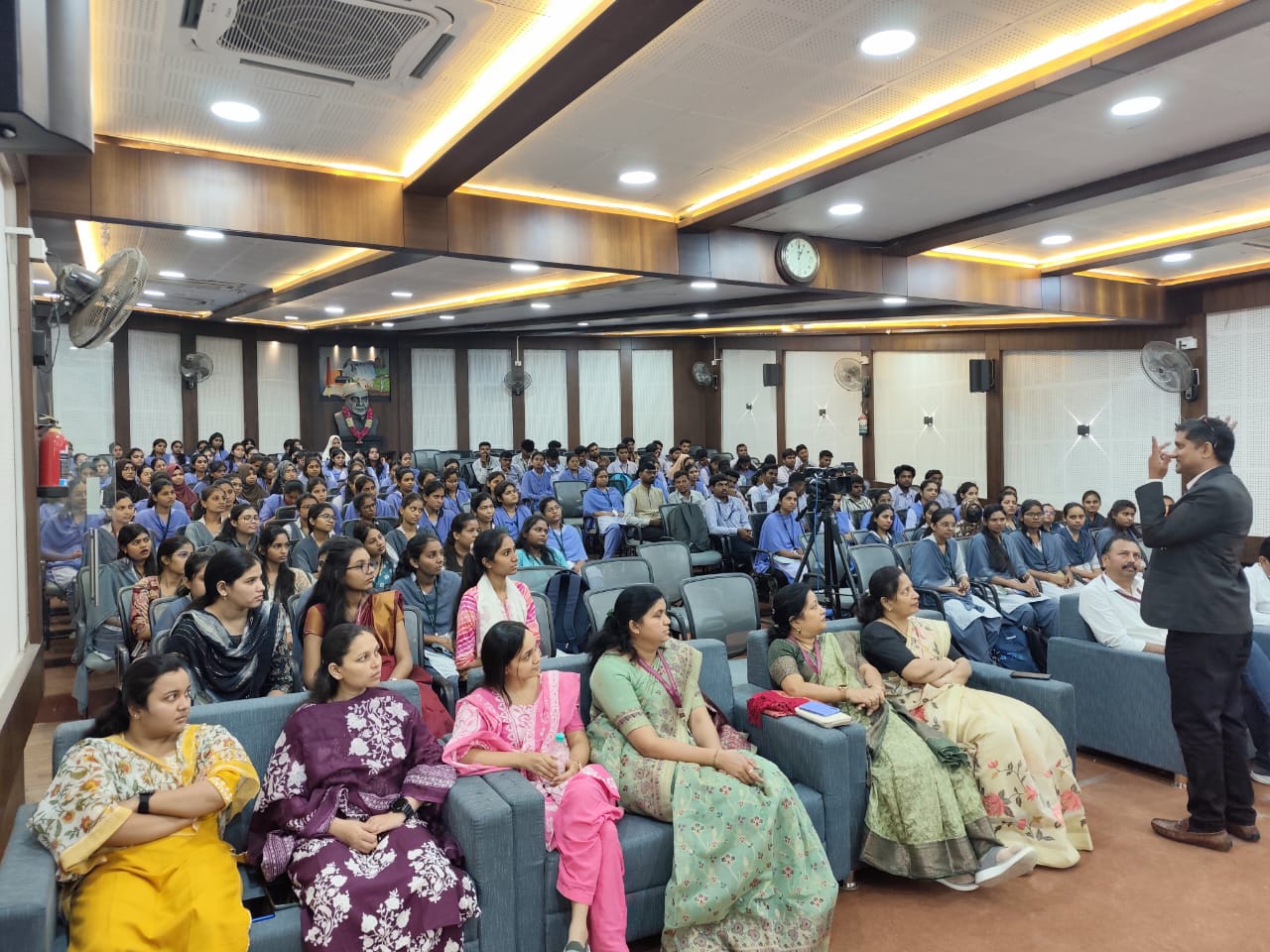 Cultivating the minds of tomorrow, today. | 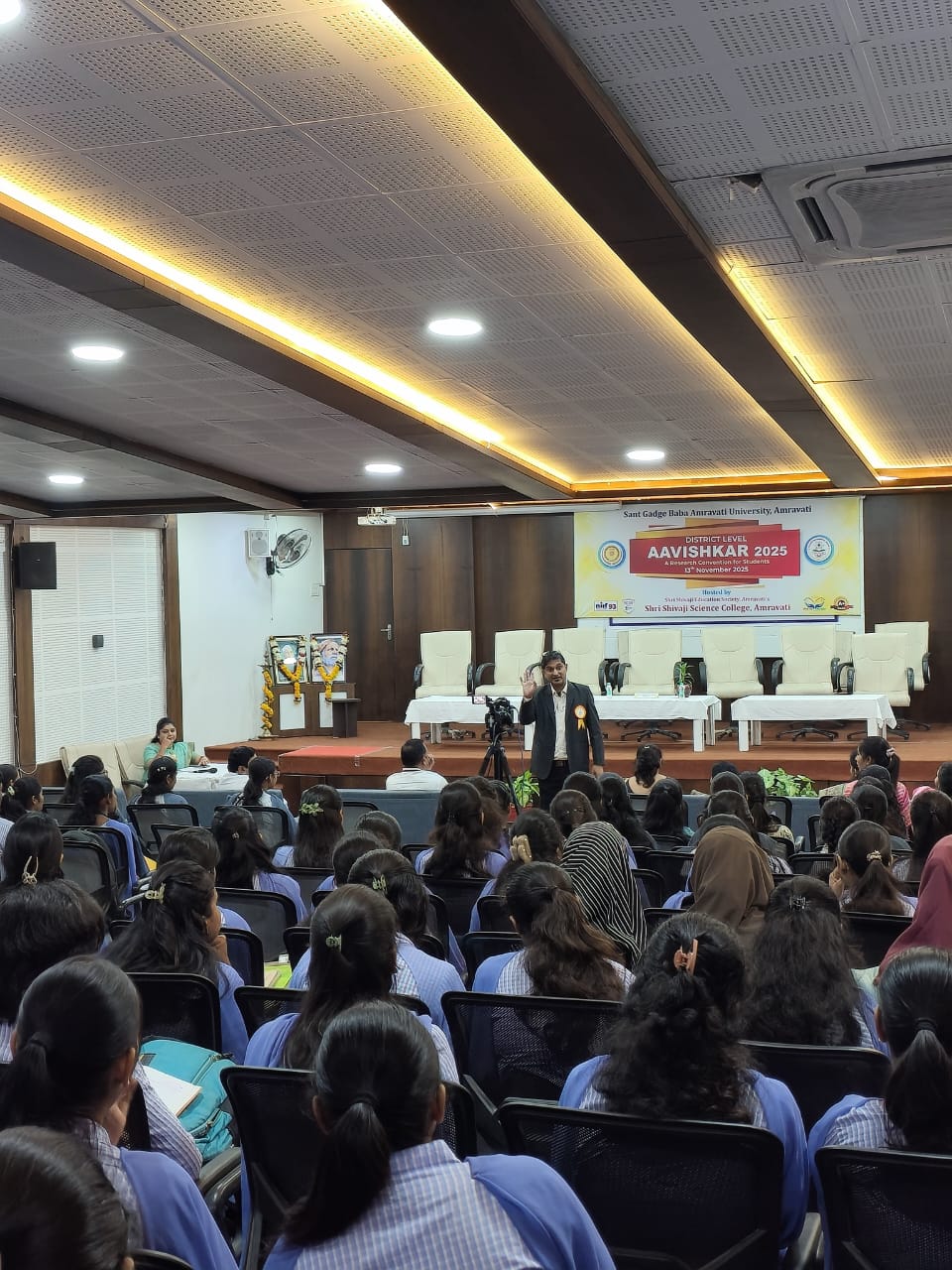 Empowering undergraduates with the tools for future research and career success. |
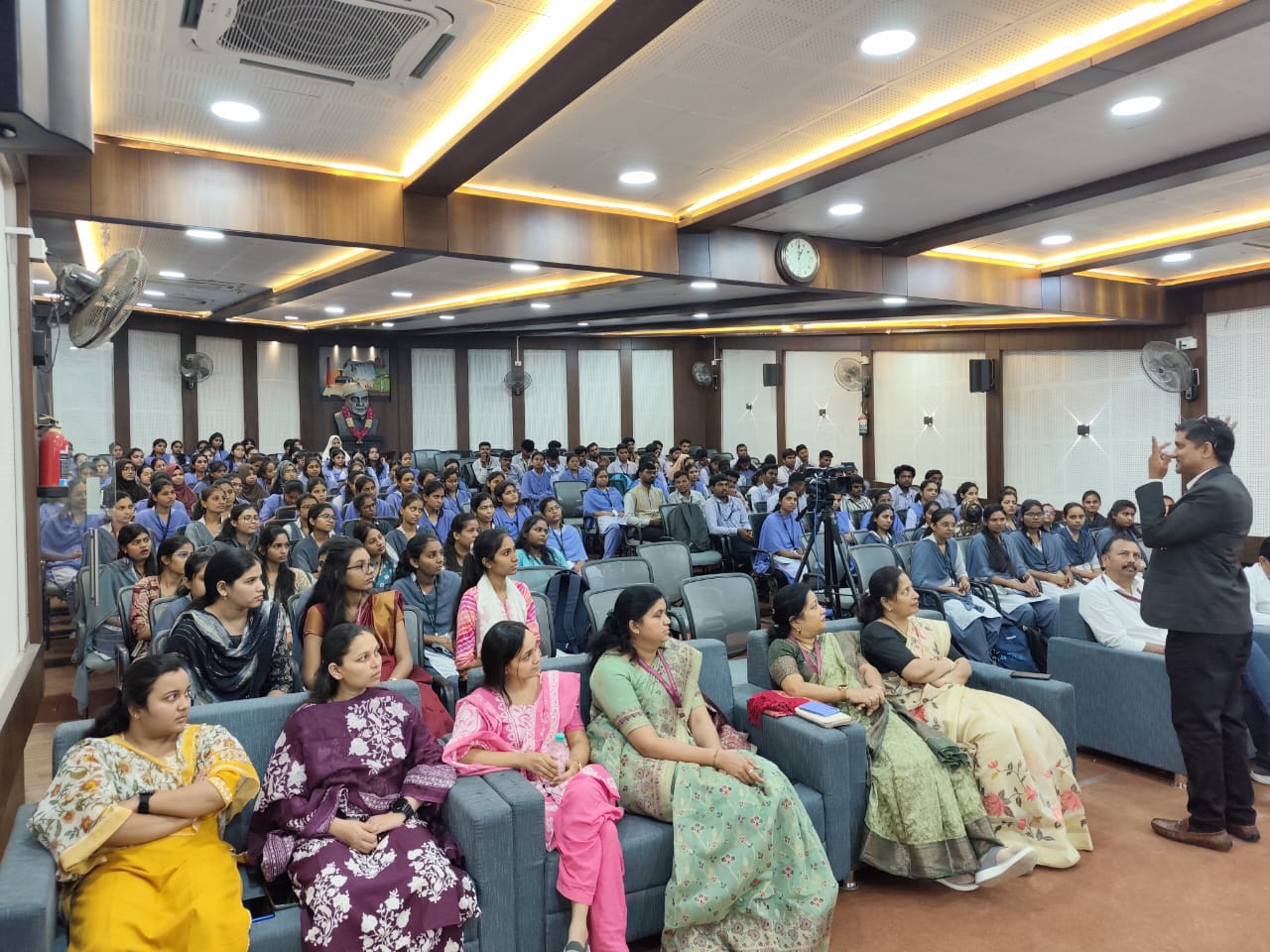 Building the foundation for a strong research culture at the UG level. | 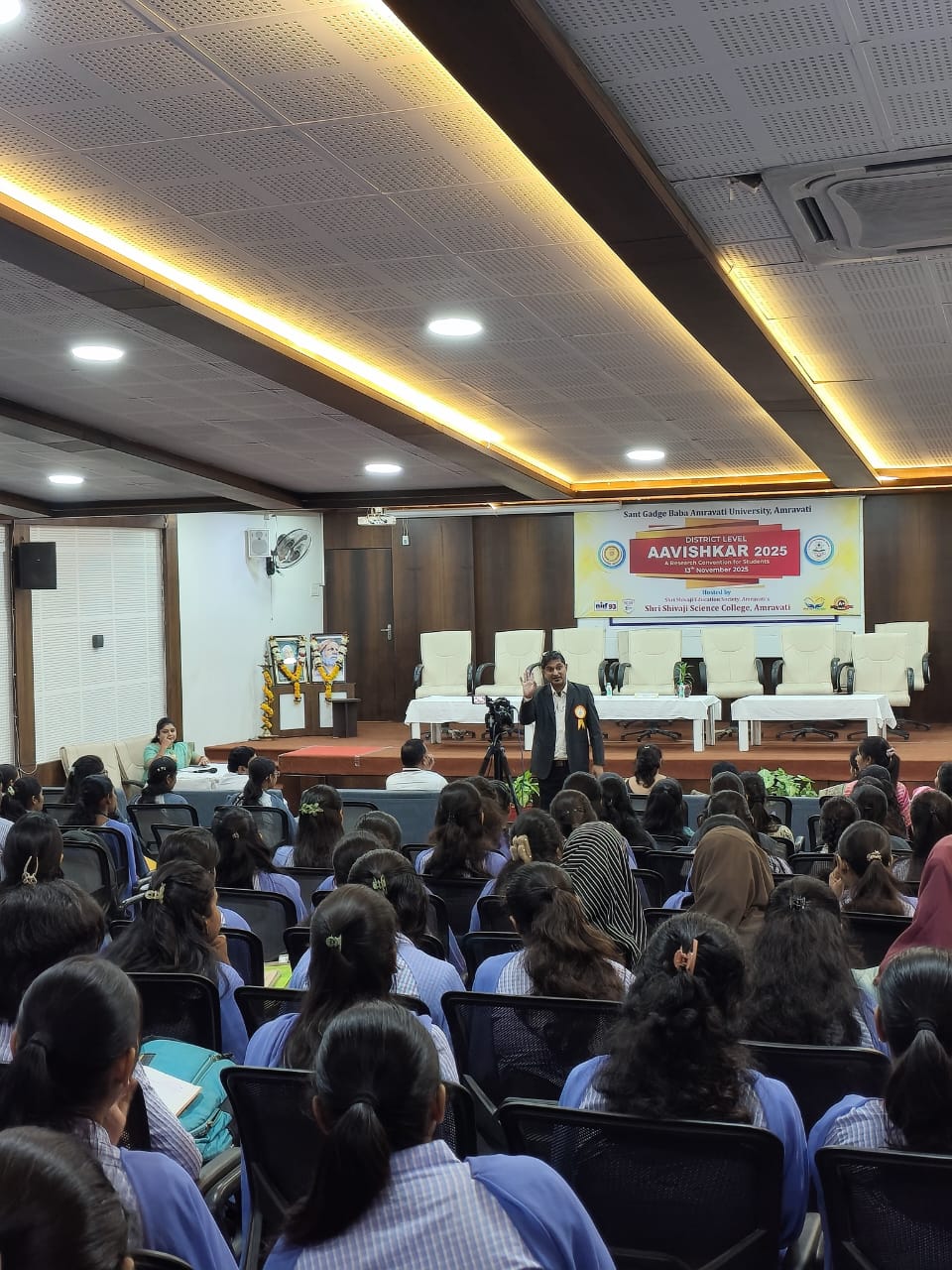 Where curiosity meets opportunity—nurturing the next generation of researchers. |
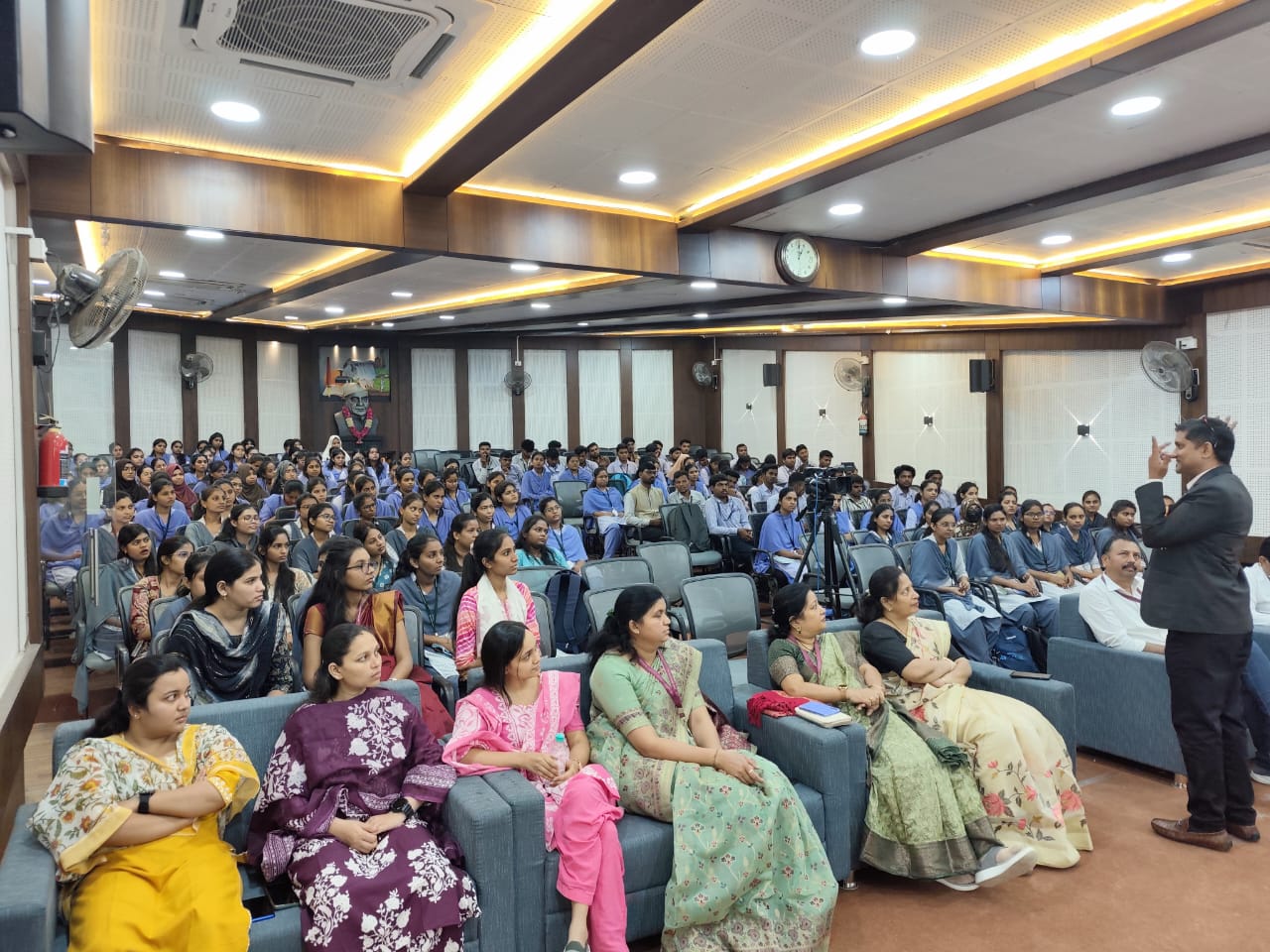 Bridging academic passion with career aspirations through research. | 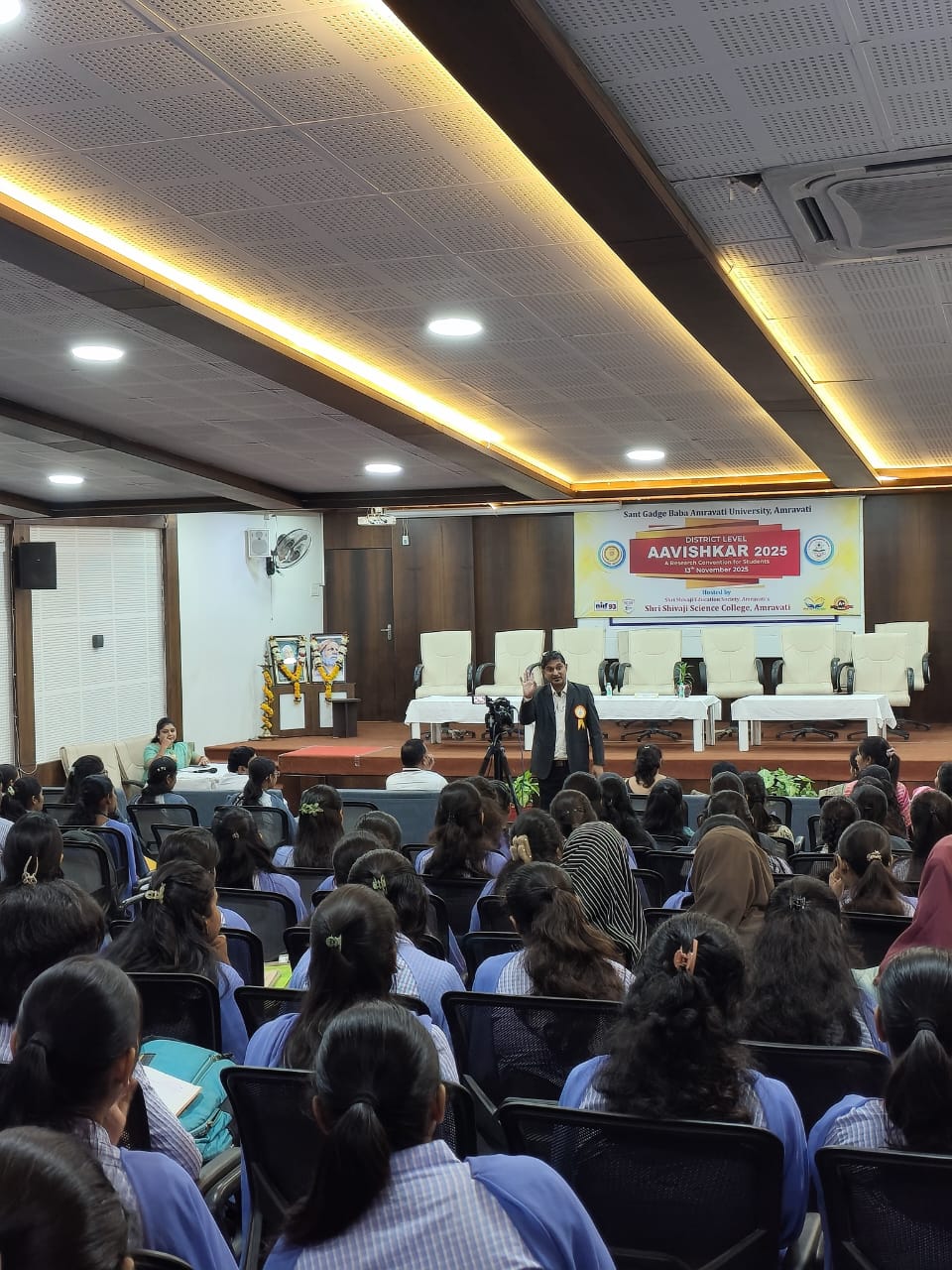 Engaging minds, exploring new ideas |
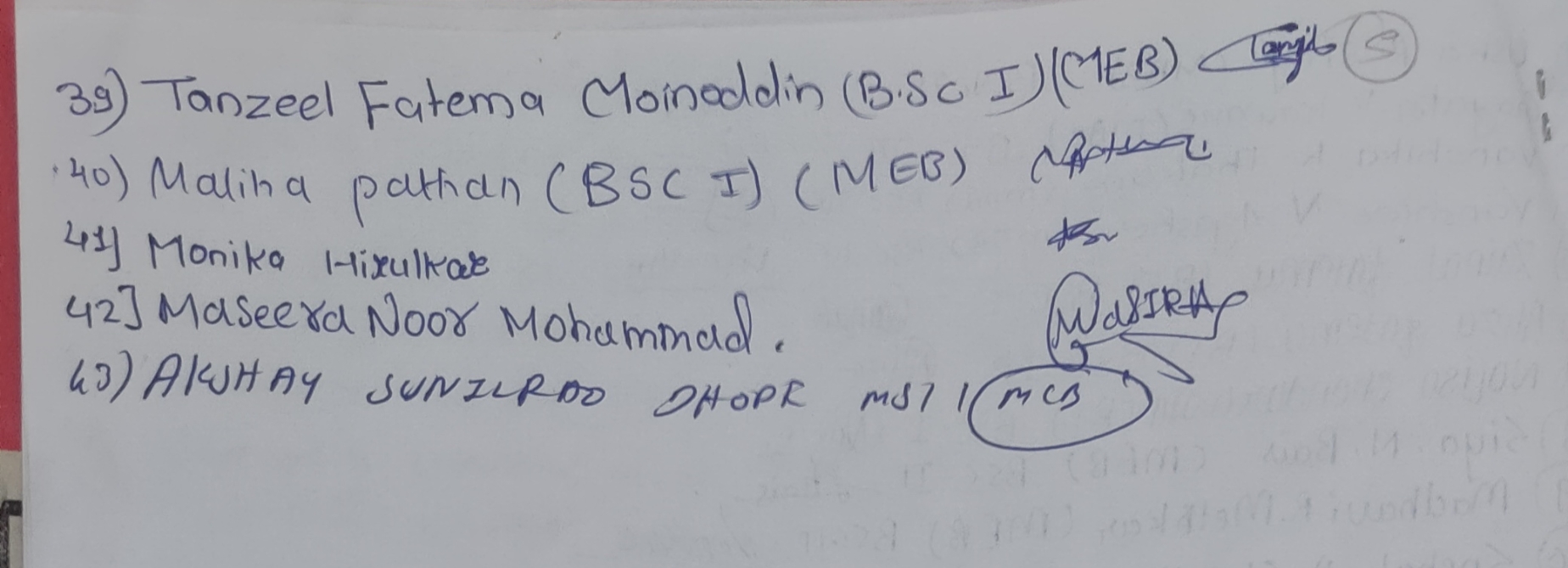
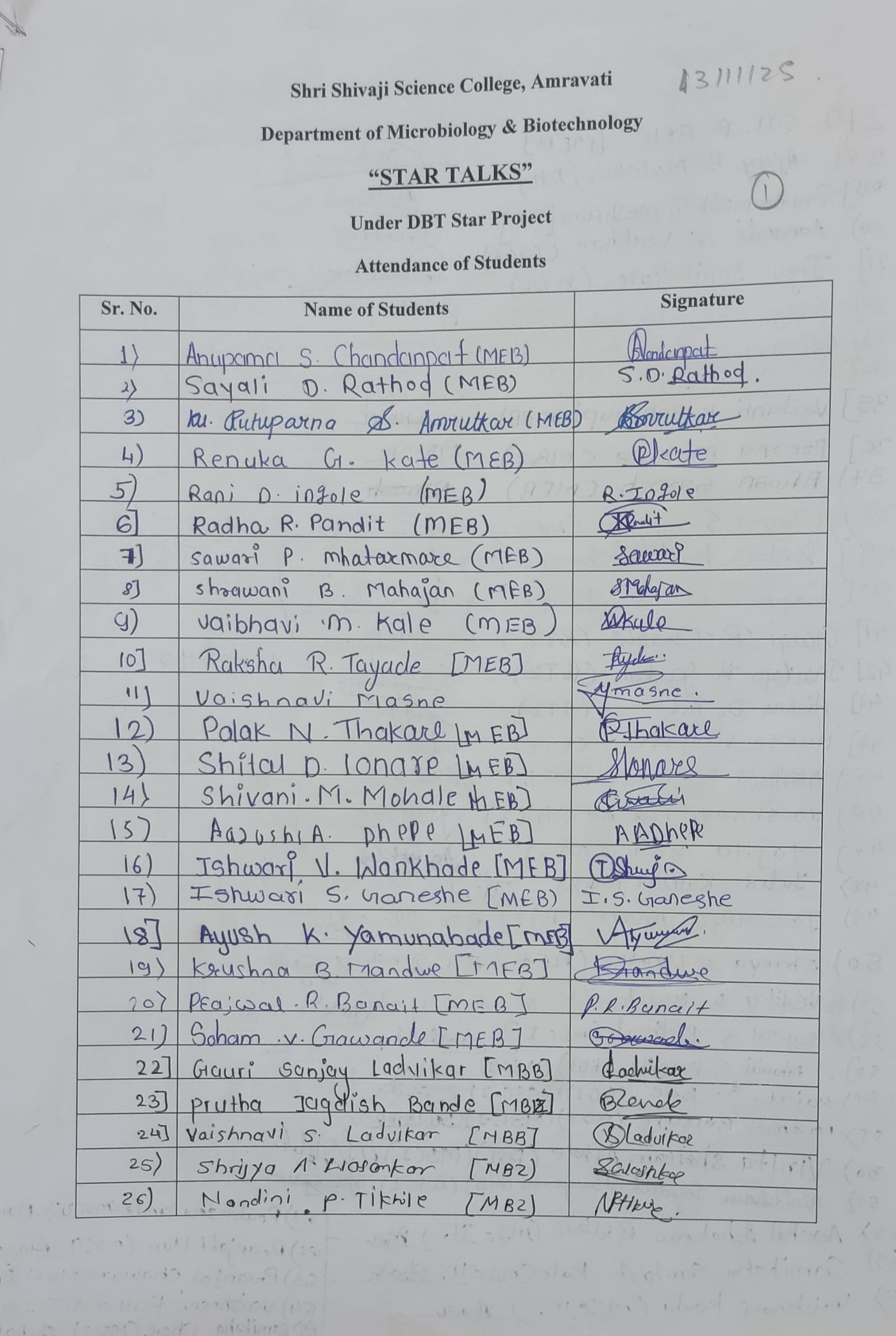
Attendance Sheet:
 |
 |