SHRI SHIVAJI SCIENCE COLLEGE, AMRAVATI
DBT STAR COLLEGE PROJECT ACTIVITY
ACTIVITY REPORT
One Day Workshop on Arduino for ATL Teachers of Amravati, Akola and Yavatmal Districts
Activity Dates: 18 August 2025
Type of Activity: Outreach Activity
Organizing Department: Department of Physics
Program Coordinators: Dr. S. S. Arasd
Head of the Department: Dr. P. A. Nagpure
External Collaborator (if any): Dr. Panjabrao Deshmukh Memorial Science and Innovation Activities Centre, Amravati
Objectives:
- To provide fundamental knowledge of Arduino and its role in modern science and technology.
- To develop practical skills among teachers through hands-on training using Arduino kits and Wi-Fi-enabled devices.
- To encourage innovative thinking and problem-solving skills among teachers and students.
- To enable teachers to integrate Arduino-based experiments and projects into school teaching
- To create awareness about the use of Arduino in real-life applications and scientific projects.
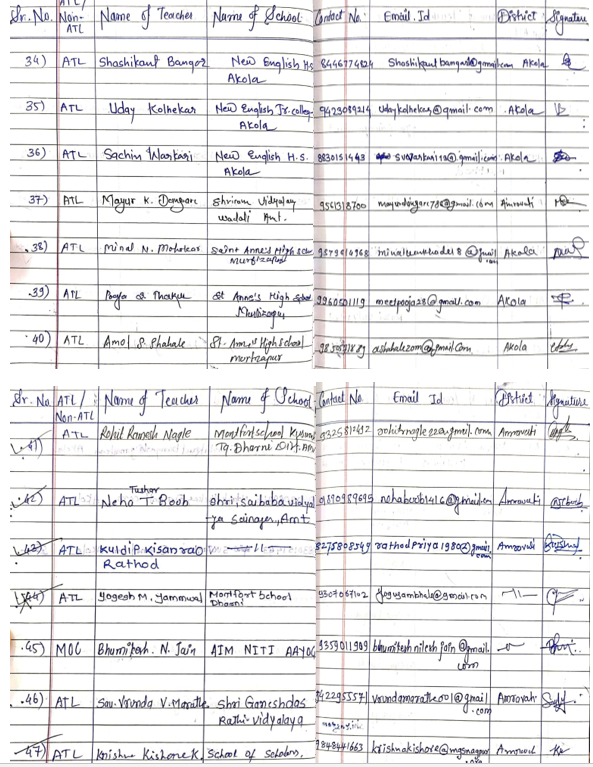
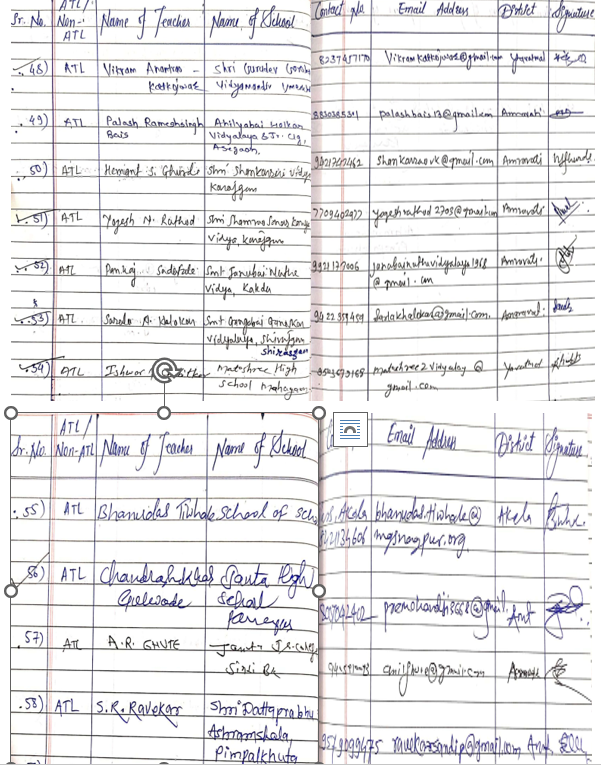
No of Beneficieries: 58
Classes Involved: ATL school principal, ATL school incharge, non ATL school teachers and B.Sc. III CMP group students
Venue of the Activity: Dr. Panjabrao Deshmukh Memorial Science and Innovation Activities Centre, Amravati
Activity Report:
A STAR DBT catalysed one day workshop on Arduino for ATL and non-ATL teachers from the districts of Amravati, Akola, and Yavatmal was successfully organized by the ATL Sarathi Nodal Centre, Amravati Division. The workshop was conducted at the prestigious Dr. Punjabrao Deshmukh Memorial Science and Innovation Activities Centre, Rampuri Camp, Amravati, on 18th August 2025. The primary aim of this workshop was to provide technical exposure, hands-on training, and practical understanding of Arduino and its applications in the field of education, especially for school teachers.
The workshop was conducted under the able guidance and visionary leadership of the Principal of Shri Shivaji Science College, Amravati, Hon. Dr. G. V. Korpe, and Hon. Shri Arvindji Londe, Regional Atal Sarathi Director, Nagpur. Their continuous encouragement and support played a crucial role in the successful planning and execution of the program. The initiative reflects a strong commitment towards promoting innovation, skill development, and STEM-based learning among educators.
The workshop witnessed enthusiastic and active participation from a diverse group of educators and learners. ATL school principals, ATL in-charges, and teachers from both ATL and non-ATL schools across the three districts attended the program with great interest. In total, 58 teachers and principals participated in the workshop. In addition, some B.Sc. final-year students from the CMP group of Shri Shivaji Science College also joined the sessions. The inclusion of both teachers and students created a dynamic and collaborative learning environment, where participants could exchange ideas, share experiences, and learn from each other.
The resource person for the workshop was Mr. Sahil Rajput from Agra (Uttar Pradesh), a well-known trainer in Robotics, Artificial Intelligence, and Arduino technologies. His expertise, practical knowledge, and interactive teaching style made the sessions highly engaging and informative. He simplified complex technical concepts and explained them in an easy-to-understand manner, ensuring that participants from different backgrounds could grasp the content effectively.
The workshop commenced with an inaugural session led by Atal Sarathi Nodal Coordinator Dr. P. A. Nagpure. He warmly welcomed the dignitaries, including the resource person Mr. Sahil Rajput, Dr. Vrushali Chokhande Madam, and Science Centre Manager Shri Charudatta Gawande. In his address, Dr. Nagpure emphasized the importance of integrating modern technologies like Arduino into school education. He highlighted how such initiatives can empower teachers to adopt innovative teaching methods and inspire students towards scientific exploration and creativity. He also extended his best wishes for the successful conduct of the workshop.
Dr. S. S. Arsad, the workshop coordinator, played a key role in organizing and managing the entire event. His efficient coordination, planning, and execution ensured that all sessions were conducted smoothly and systematically over the two days. His dedication and efforts contributed significantly to the overall success of the workshop.
During the technical sessions, Arduino kits were distributed to all participants to facilitate hands-on learning. Initially, participants were introduced to the basic components, structure, and functionalities of the Arduino system, including the newly introduced Wi-Fi-enabled Arduino kits. The resource person provided a detailed explanation of the hardware components, circuit connections, and programming aspects associated with Arduino.
Participants were then guided to perform basic experiments using the kits. These activities included simple circuit building, LED control, and sensor-based operations. This hands-on approach helped participants understand the practical aspects of Arduino and build confidence in using the technology. The sessions were designed in a step-by-step manner, ensuring that even beginners could follow and actively participate.
As the workshop progressed, participants were encouraged to explore more advanced experiments and applications. They were introduced to various sensors, modules, and allied gadgets that can be integrated with Arduino for developing innovative projects. The upgraded Arduino kits with new features and improved versions were also demonstrated in detail. The trainer explained how these advancements can be used in real-life applications such as home automation, smart systems, environmental monitoring, and robotics.
The workshop strongly focused on experiential learning, where participants learned by doing rather than just listening. Teachers actively engaged in performing experiments, troubleshooting errors, and discussing innovative ideas for projects. This interactive environment not only enhanced their technical knowledge but also boosted their confidence and interest in adopting such technologies in their classrooms.
An important outcome of the workshop was the formation of a local ATL Sarathi Centre Committee. This committee was established by Mr. Sumit Tahalvani and Dr. Vrushali Chokhande Madam, and it included teachers, principals, and ATL school in-charges from the participating districts. The objective of forming this committee is to strengthen collaboration among institutions, ensure continuous support, and promote innovation-based activities in schools. It will also help in the effective implementation of knowledge gained during the workshop.
The success of the workshop was made possible due to the dedicated efforts of the organizing team members, including Suraj Chinche, Sanket Korde, Ku. Dhanashree Ingale, Trupti Shelke, Vishwajeet Chavan, Shekhar Verulkar, and Himanshu Wankhade. Their contribution in handling logistics, managing technical arrangements, and assisting participants was commendable. Their teamwork ensured that the entire program was conducted efficiently and without any obstacles.
Apart from the technical sessions, participants were also given an opportunity to explore the facilities of the Science and Innovation Activities Centre. During the lunch break, they visited the Fun Science Centre section, which showcased a variety of interactive exhibits designed to explain scientific concepts in an engaging manner. Participants also explored the outdoor science exhibits, which included innovative models and demonstrations.
These visits provided an additional learning experience and inspired participants to incorporate similar interactive methods in their teaching practices. It encouraged them to make classroom learning more engaging, practical, and student-centered.
At the end of the workshop, a group photograph of all participants, organizers, and dignitaries was taken to capture the memorable moments of the event. Certificates were distributed to all participants as a token of appreciation and recognition for their active participation and successful completion of the training program.
The workshop concluded with a formal vote of thanks delivered by Dr. S. S. Arsad. He expressed sincere gratitude to all dignitaries, the resource person, organizing team members, and participants for their valuable support and cooperation. He also appreciated the enthusiasm and dedication shown by the participants throughout the workshop.
Overall, the one day Arduino workshop proved to be highly informative, engaging, and beneficial for all participants. It not only enhanced their technical knowledge and practical skills but also motivated them to adopt innovative teaching methodologies in their schools. The workshop successfully achieved its objective of promoting STEM education and fostering a culture of innovation among teachers and students.
Such initiatives play a vital role in preparing educators to meet the demands of modern education. The knowledge and skills gained through this workshop will enable teachers to guide students effectively in the field of technology and innovation. It will also encourage the development of creative thinking, problem-solving abilities, and scientific temperament among students.
In conclusion, the workshop served as a valuable platform for learning, collaboration, and innovation. It has laid a strong foundation for future activities and initiatives aimed at enhancing technological education in schools. The participants are expected to implement the knowledge gained and inspire their students to explore the exciting world of Arduino and emerging technologies.
Outcomes:
- Participants gained basic knowledge of Arduino and its importance in modern technology.
- Teachers developed practical skills through hands-on training with Arduino kits.
- The workshop enhanced innovative thinking and problem-solving abilities.
- Teachers are now able to integrate Arduino-based activities into classroom teaching.
- Awareness about real-life applications of Arduino in science and technology was increased.
Photos:
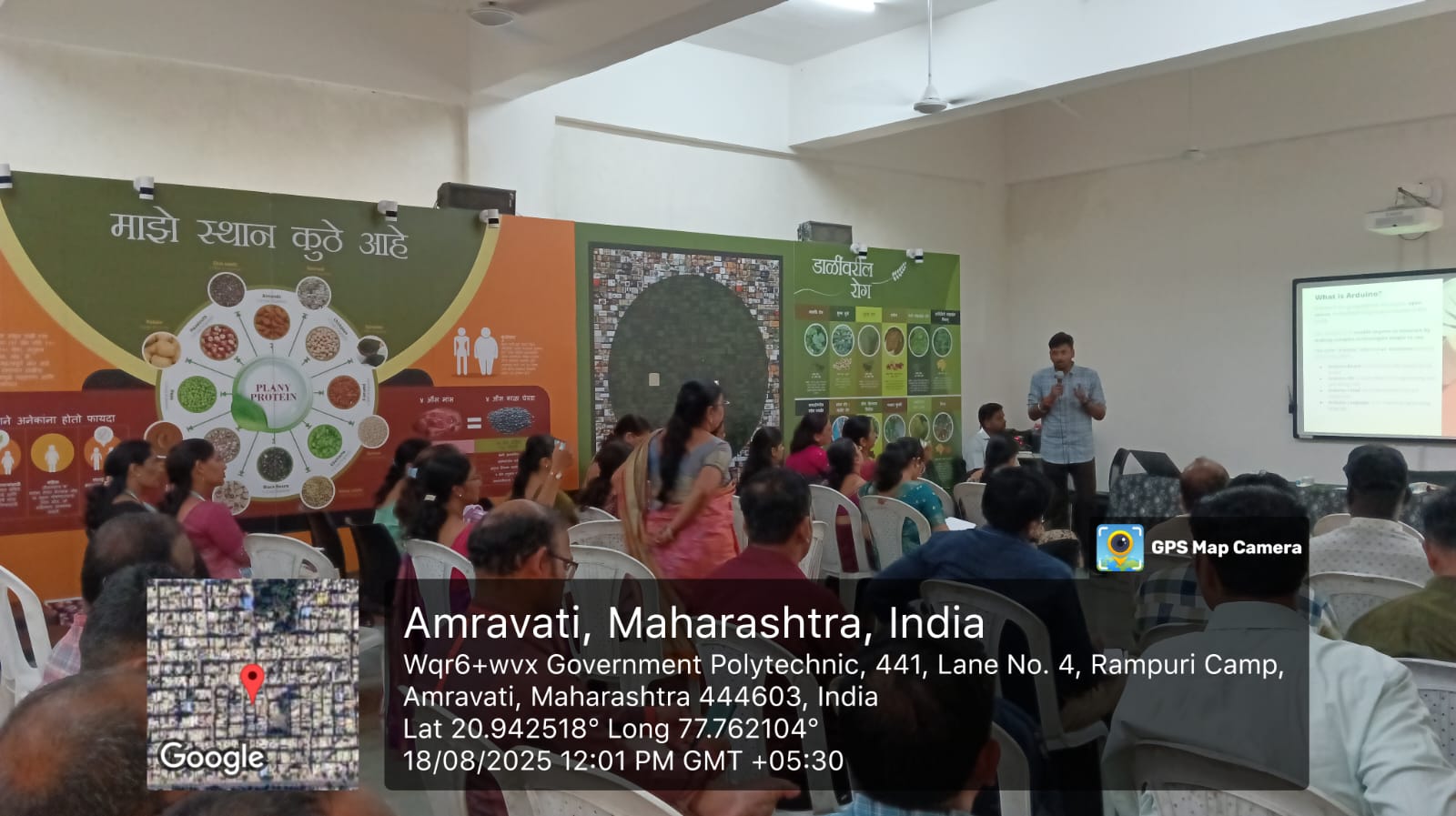 Master Trainer guiding ATL Teachers |
Attendance Sheet:
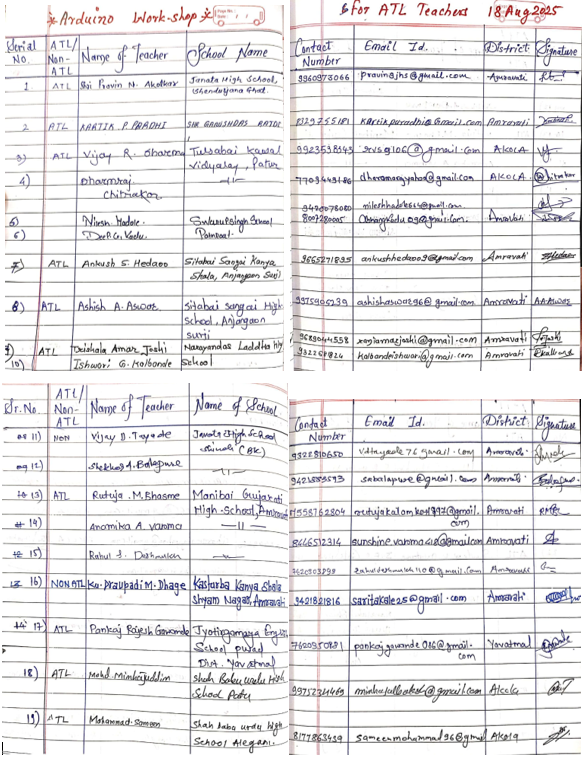 Sheet |
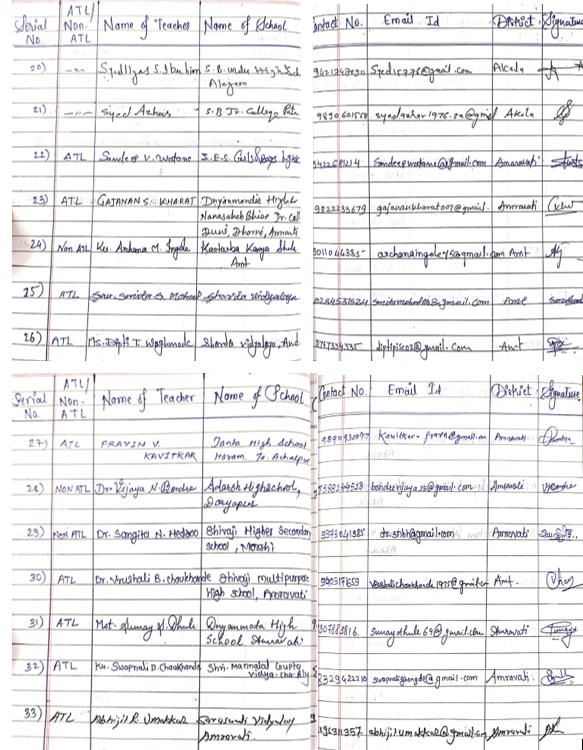 Sheet |
 Sheet |
 Sheet |